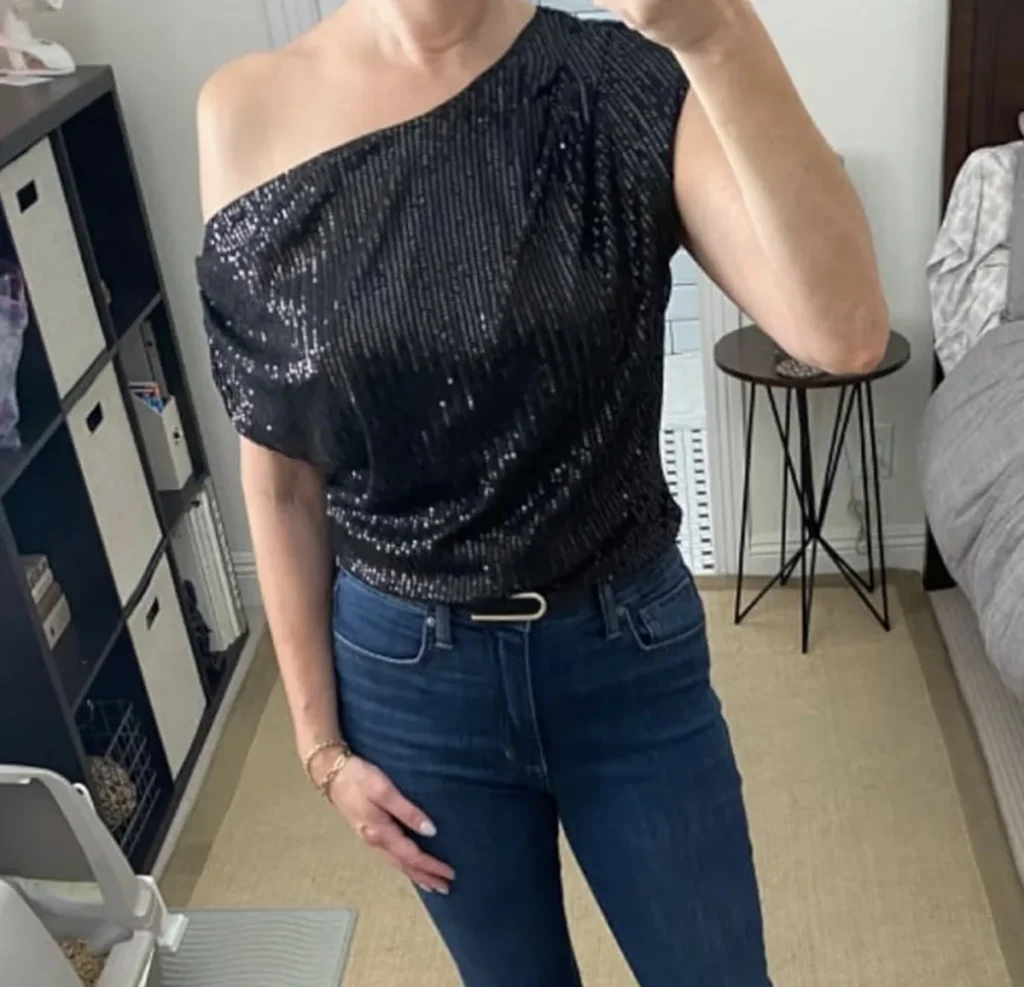
Most concert outfit regrets happen around hour three: sore feet, a jacket you have nowhere to put, a bag that gets turned away at the door. A great concert outfit has to look good in photos, survive a crowd, keep you comfortable through hours of standing and handle the temperature swing from a cold walk to a hot room full of people. The secret is to dress for the venue first and the band second.
A few rules apply almost everywhere:
- Shoes: broken in, closed toes, grippy soles. Floors at shows are often sticky, wet or crowded.
- Colors: dark shades hide spills and sweat.
- Jewelry: skip long necklaces and dangling earrings that can catch on people, and leave anything precious at home.
- Bags: check the venue’s bag policy before you go. Many arenas allow only very small or clear bags, and backpacks are often turned away at the door.
Standing Room at a Rock Show: Moto Boots
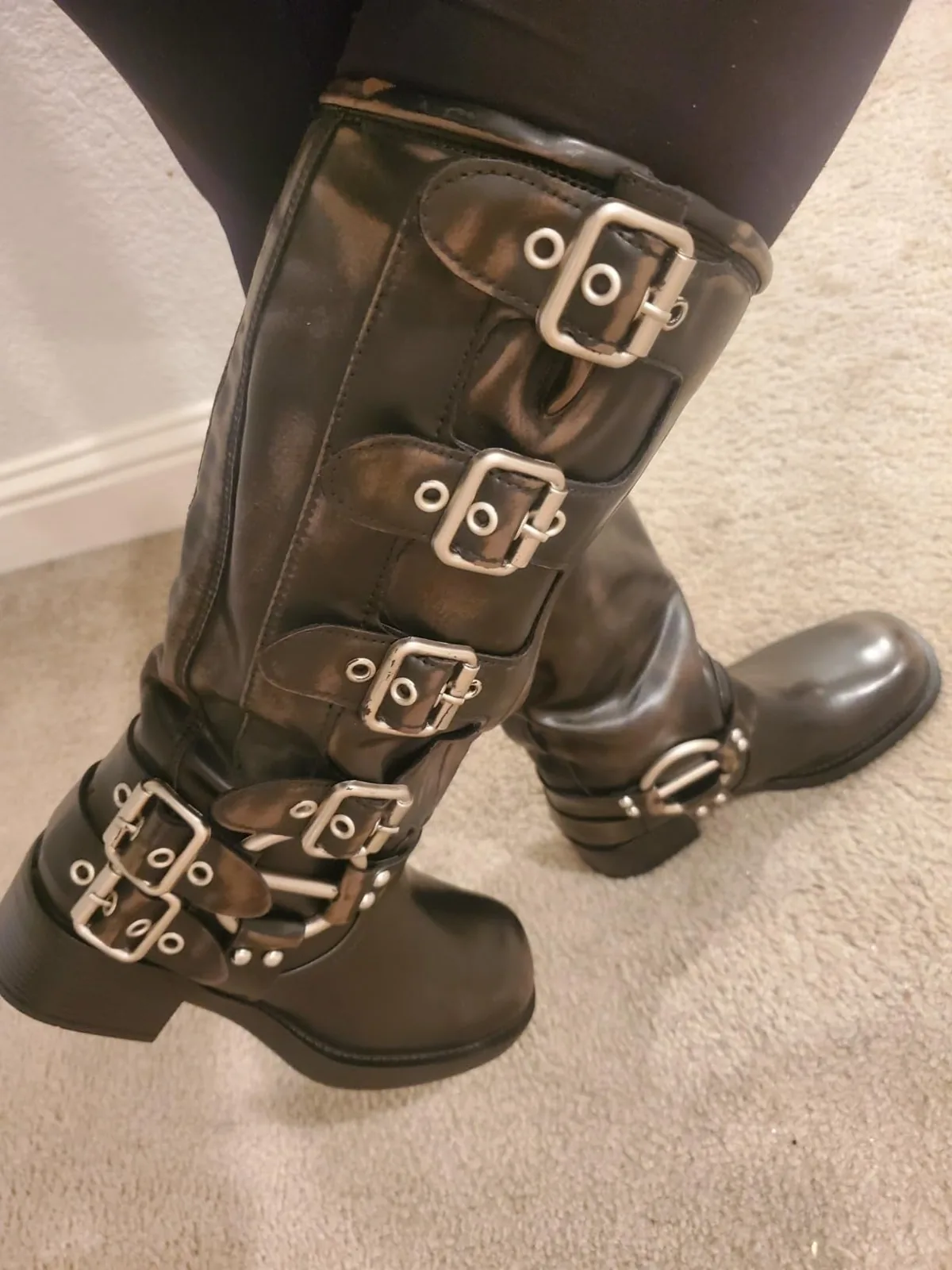
For a general admission rock or indie show, start with the shoes. Chunky moto or combat boots protect your toes when the crowd surges, give you a little extra height and look right at home with the music. Make sure they have a low, stable heel and that you have walked in them for a few days first.
Build the rest around them: black leggings or dark jeans, a band tee or a fitted long-sleeve top and a small crossbody bag worn across the front of your body. It is simple, tough and easy to dance in.
Arena Night: Leather Jacket and Slouchy Boots

Arenas are big, loud and usually warm once the show starts, but the walk from the parking lot can be freezing. A cropped leather or faux-leather jacket solves both: it looks great with almost anything and is easy to take off and tie around your waist or sling over your seat.
Under it, try dark shorts or a mini skirt with opaque tights and knee-high boots, or simply straight jeans and ankle boots. Since you will probably have an assigned seat, you can push the style a little further here, with a statement top or some sparkle, as long as you can still sit and stand comfortably for a few hours.
Stadium Shows and Long Days: Platform High-Tops
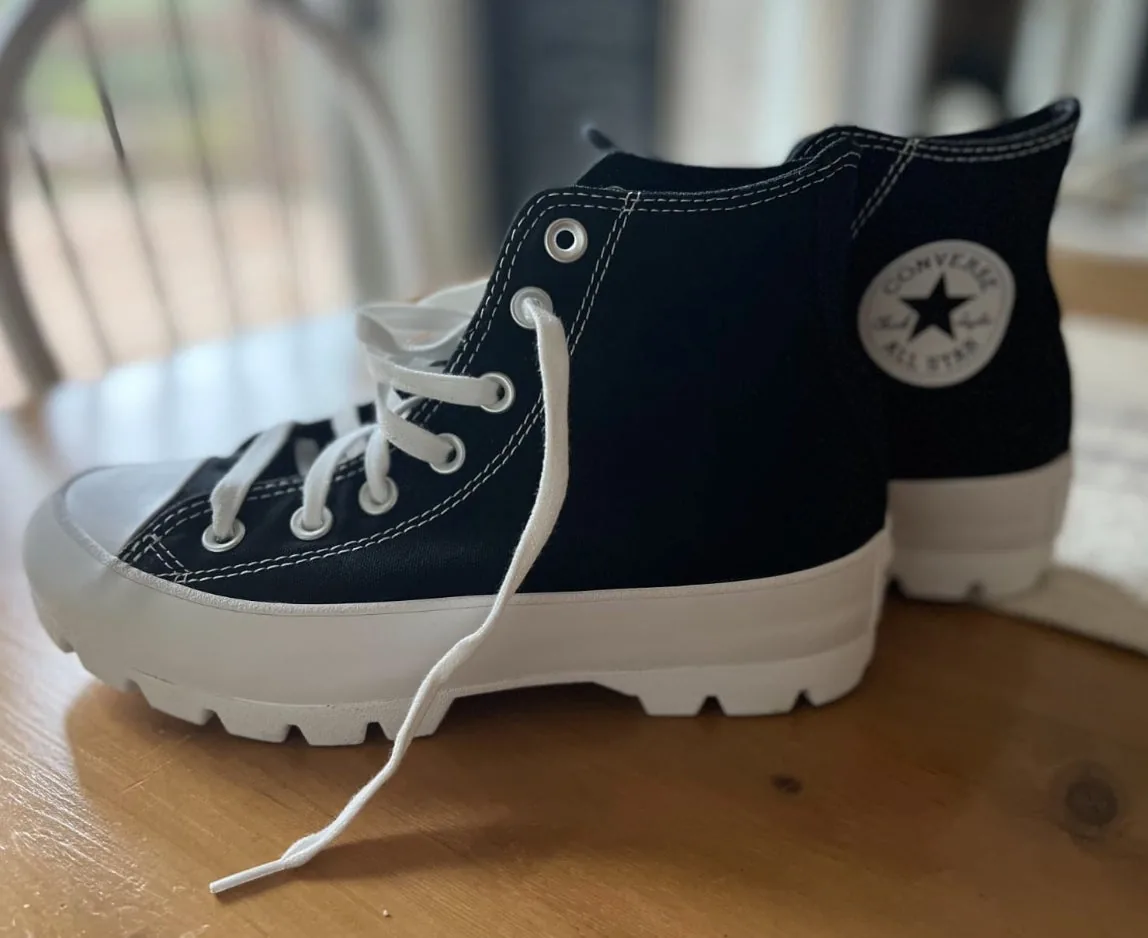
Stadium tours and festival-style shows often mean long lines, long walks and long sets. This is the time for sneakers. Lugged platform high-tops give you a bit of height for seeing over the crowd, ankle support and enough cushioning for a full day on your feet.
They work with jeans, a denim skirt, a slip dress or wide-leg trousers, so you can still dress up the rest of the outfit. Leather or sturdy canvas sneakers hold up better to spilled drinks than delicate mesh. For tips on picking footwear you can stand in for hours, see our guide to comfortable boots.
A Seated Theater or Symphony Show: Knit Dress and Tall Boots
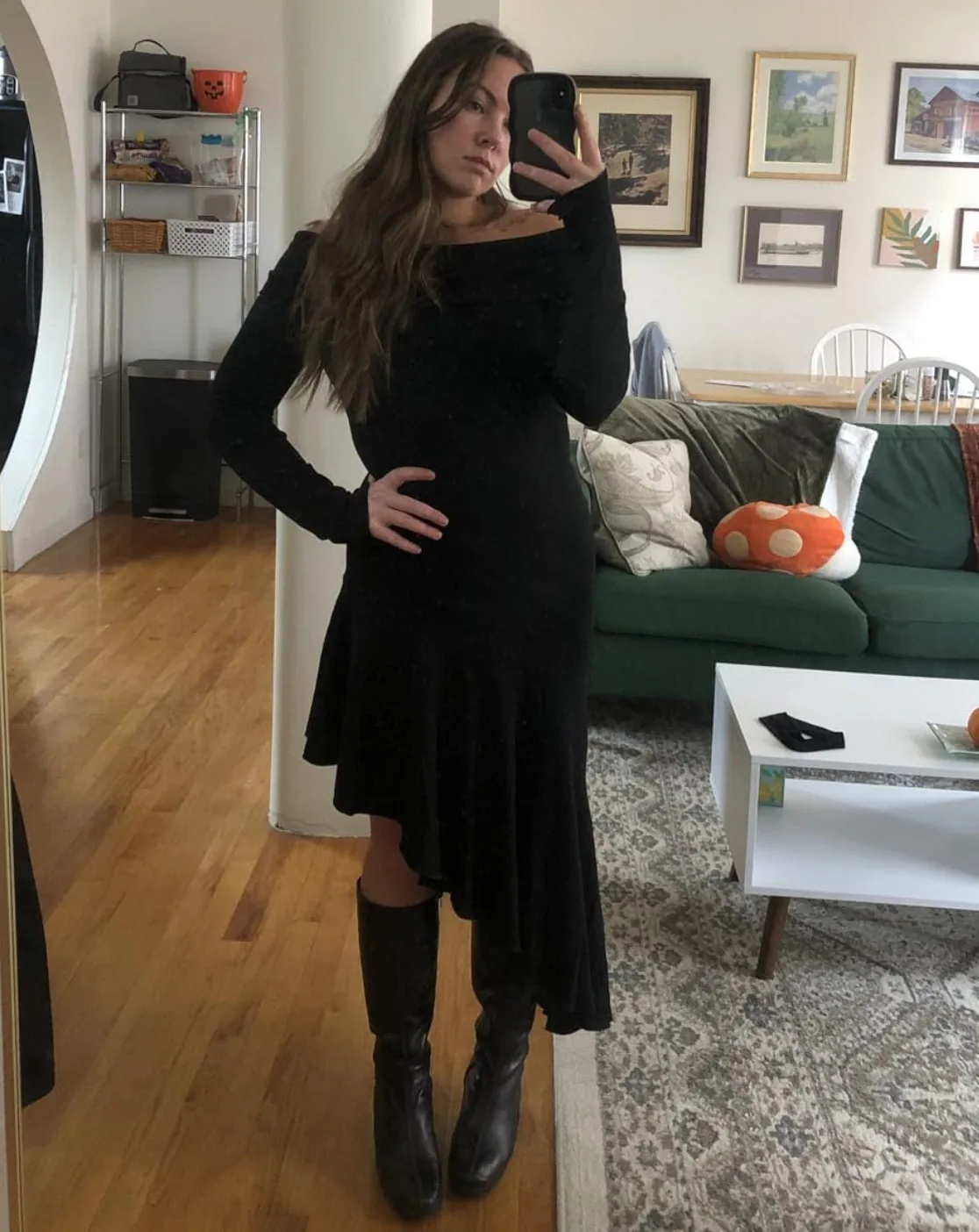
A concert hall, theater or jazz club is the one place where you can dress up properly, because you will spend most of the evening sitting down. A long-sleeve black dress in a soft knit is elegant and still comfortable, and tall boots keep it practical for the walk there and back.
Add earrings that sit close to the ear, a small clutch or shoulder bag and a coat you are happy to check. If you want heels, this is the venue for them, though a low block heel is kinder on the walk back to the car.
A Small, Packed Club: Combat Boots and Tights
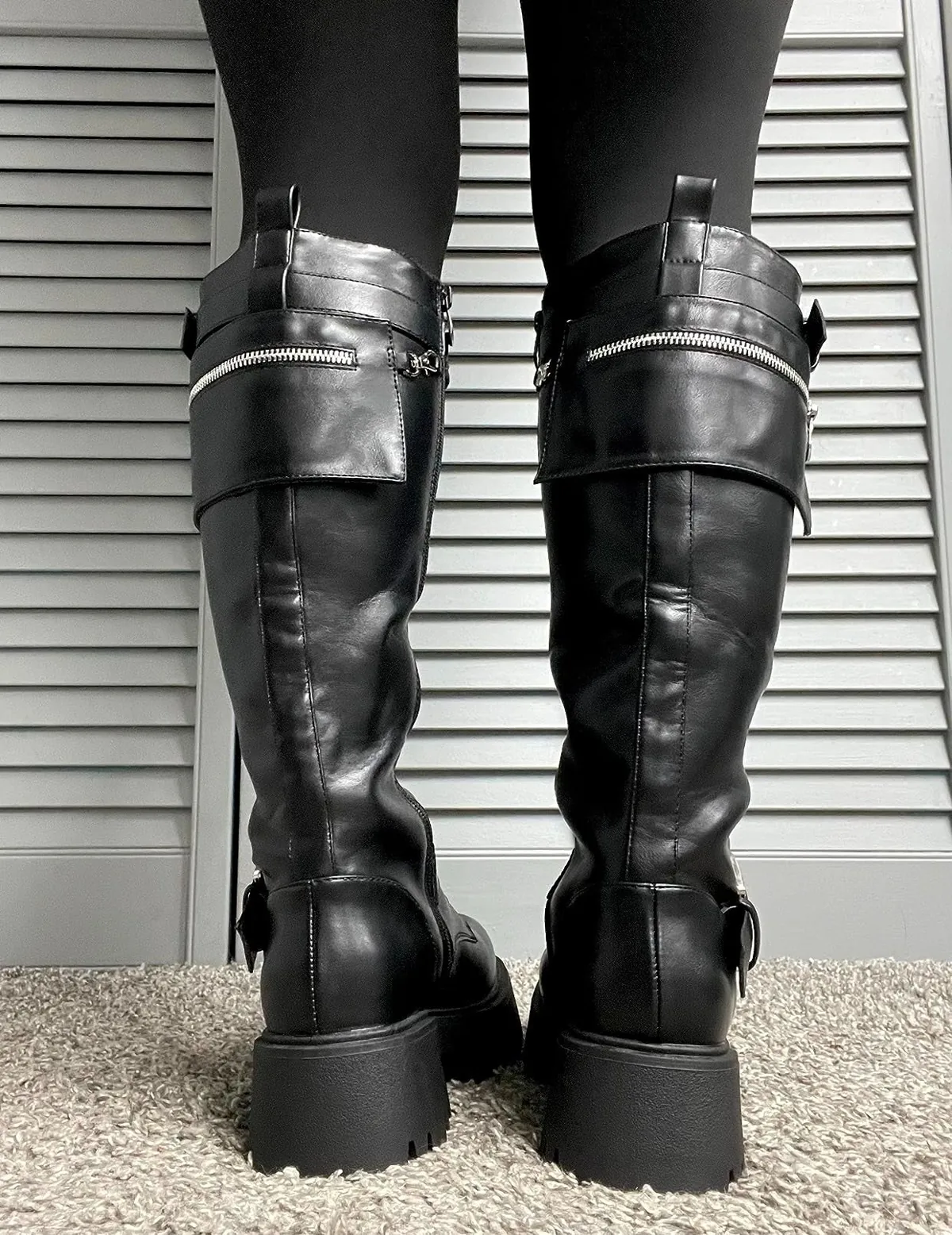
Small venues get hot fast and leave almost no personal space, so think light layers and sturdy shoes. A short black dress or skirt with opaque tights and combat boots is cool enough for a sweaty room and tough enough for a crowd that moves without warning.
Leave the big coat at home if you can, or bring one you do not mind holding. Breathable fabrics beat anything clingy, and darker colors forgive the inevitable spills. A slim belt bag or a phone crossbody keeps your hands free and your things in front of you.
Outdoor Shows When the Nights Turn Cold
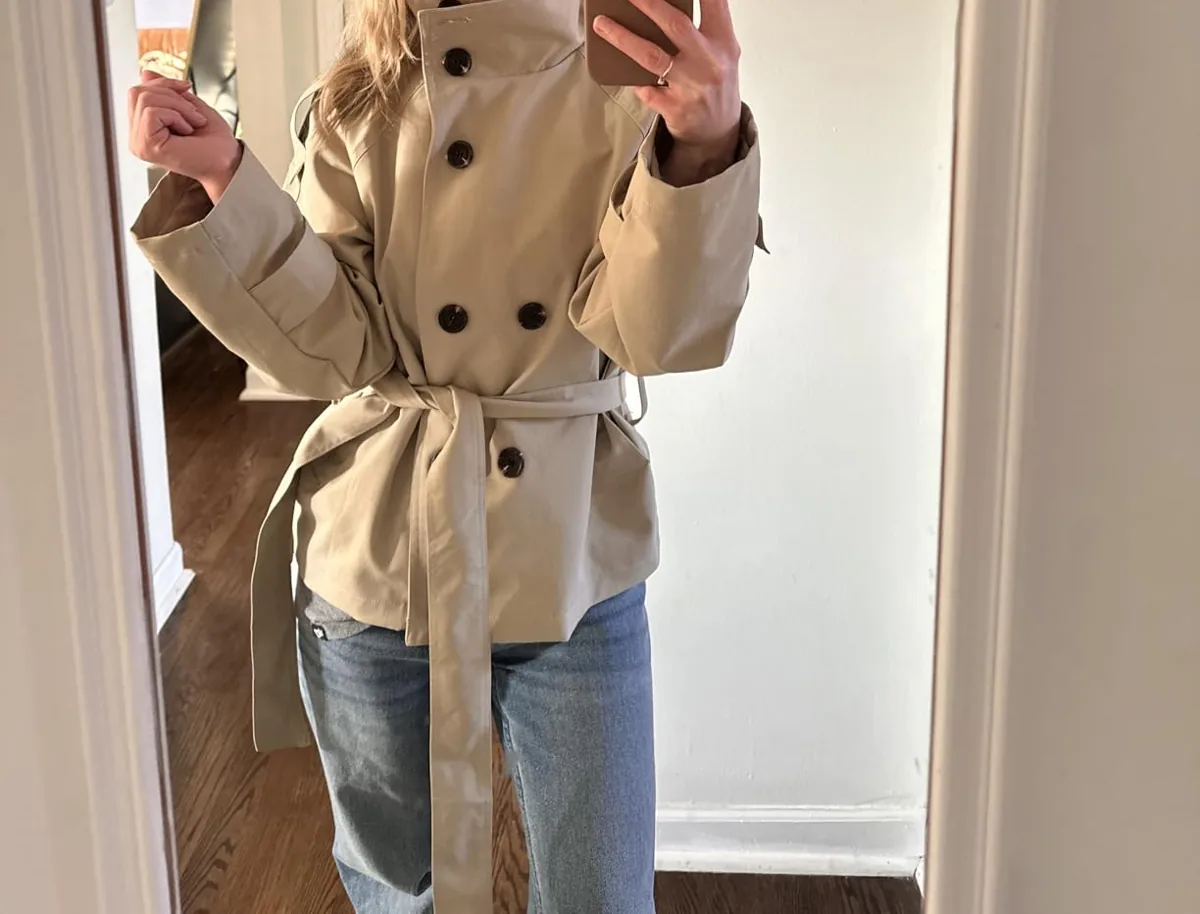
Amphitheaters and lawn seats are lovely until the sun goes down. Even on a mild day, temperatures can drop quickly after dark, and rain is always possible. A cropped trench or a light water-resistant jacket over jeans and a warm top handles both without looking like hiking gear.
Add ankle boots or waterproof boots for wet grass, and tuck a scarf or a thin knit into your bag. Hats and sunglasses help during early sets, while layers you can add and remove carry you through the rest of the night.
Small Nods to the Genre
Venue decides the practical side; the music can decide one or two pieces. Pick a single nod and keep the rest of the outfit built for comfort.
- Rock, punk and metal: black on black with one texture change, such as a leather jacket over a cotton tee or a denim jacket over a slip dress. Silver hardware fits better than gold here.
- Pop stadium tours: sparkle is part of the fun, but keep it to one piece. Sequins scratch bare arms and the people next to you, so a sequin skirt or top with plain sleeves or a soft layer elsewhere works better than head-to-toe shine.
- Country: western boots that are already broken in, denim, a little fringe or a chambray shirt. New cowboy boots on a concrete floor for four hours is a common regret.
- Hip-hop and R&B: statement sneakers, wide-leg denim or cargo trousers and a cropped jacket or bomber. Skip the heavy hoodie inside; packed floors get hot.
- Jazz, classical and singer-songwriter sets: the dressiest end, with a knit dress, tailored trousers and a silk top, or a blazer over jeans. You will sit, so heels are realistic.
Bag Rules, Explained
Policies differ by venue and even by tour, but many stadiums now follow the clear-bag format: one clear bag no bigger than 12 x 6 x 12 inches (or a one-gallon clear zip bag), plus one small clutch of about 4.5 x 6.5 inches, which can have a strap. Arenas and clubs set their own limits, and some ban backpacks outright. Check the venue’s page on the day, not last year’s, and plan your outfit so the essentials fit in that clutch or in front pockets.
What to Leave at Home
- Shoes you have never worn for more than an hour, open-toe sandals on a standing floor, and thin flat soles on concrete.
- Suede or all-white outfits if rain or beer is likely; both stain fast.
- A heavy hoodie for a packed general admission floor. A light jacket you can tie on is easier to manage.
- Fine jewelry, a good watch or a designer jacket you would be upset to lose in the crowd.
- Anything that needs constant adjusting: strapless tops, very short hems, belts that dig in when you sit.
The Small Things to Bring
Pack earplugs, a portable phone charger and a small amount of cash or a card in a front pocket where you can feel it. Before you leave, do a quick movement test at home: lift your arms, bend down and dance for a minute. If anything rides up, pinches or needs constant fixing, change it now. For bag ideas that keep your hands free all night, see our hands-free bag guide.
Quick Answers
Do I really need earplugs?
For anything amplified, they are a good idea. Occupational health guidance treats 85 decibels averaged over eight hours as the limit, and the safe time halves with every 3 decibels above that; busy clubs and big events often average 95 or more. Foam plugs can cut noise by roughly 15 to 30 decibels, while reusable high-fidelity plugs lower volume more evenly so the music still sounds clear. Ringing ears or muffled sound afterwards is the warning sign.
Can I wear heels to a concert?
At a seated theater show, yes. For general admission or a stadium, choose a block heel under about two inches or a platform with a thick, even sole, and only if you have already walked in them for a few hours.
What do I do with my jacket?
Check it if the venue has a coat check, or pick a thin layer that ties around your waist or folds into a small bag. On a standing floor, a heavy coat in your arms for three hours is the thing most people wish they had left in the car.