The front of a skincare bottle is written to sell. The back is written because the law says so. If you have ever bought a serum for its headline ingredient and later wondered how much of it was really in there, or kept reacting to products you chose because they said “gentle,” the ingredient list is where the honest answers live. It looks like a chemistry exam, but once you know how it is put together, you can read most of it in under a minute.
What the list is required to tell you
In the US, cosmetics sold to shoppers must carry an ingredient list on the packaging, and the order follows a few simple rules:
- Ingredients present at more than 1% are listed from the highest amount to the lowest.
- Ingredients at 1% or less can follow in any order the brand likes.
- Color additives can go at the very end, whatever their amount.
- Fragrance can be listed simply as “fragrance,” without naming the individual chemicals in the blend.
The EU uses the same basic structure with a shared naming system, usually called INCI (International Nomenclature of Cosmetic Ingredients). That is why a product bought abroad may say “aqua” where an American label says “water,” or “parfum” instead of “fragrance.” Same ingredient, different label convention.
What the list does not tell you matters just as much. There are no percentages for most ingredients, nothing about pH, nothing about how the formula was made or whether it suits your skin. Treat it as a map of what is inside, not a score.
Read the top of the list first
Start with roughly the first five ingredients. In most creams, serums and lotions they make up the bulk of what you are putting on your face, often well over three quarters of the formula. Typically that means water, a humectant such as glycerin, and a few oils, butters or silicones that give the product its texture.
This quick scan answers the most useful questions straight away. Is it mostly water and glycerin, which usually means a light, hydrating texture? Do you see heavy butters and oils near the top, which suits dry skin better than a shiny T-zone? Is “alcohol denat.” among the first few ingredients, which can feel drying if your skin is already tight?
A note on alcohols, because they cause a lot of panic: cetyl, cetearyl and stearyl alcohol are fatty alcohols. They are waxy, soft-feeling ingredients that help thicken and smooth a cream, and they are not the same as the quick-evaporating alcohol that gives some toners their cooling sting.
Use a landmark to spot where the low-dose section begins
Since anything at 1% or less can appear in any order, it helps to know roughly where that section begins. Brands do not mark it, but preservatives make a handy landmark. Phenoxyethanol, one of the most common, is capped at 1% in the EU and is usually used well below that. Ingredients listed after it are generally present at 1% or less.
Thickeners, pH adjusters, chelating agents such as disodium EDTA, and most botanical extracts tend to sit in this lower section as well. In many formulas, the line falls somewhere between the fifth and tenth ingredient.
Two cautions keep this from turning into a rule of thumb that misleads you:
- Low on the list does not mean useless. Some ingredients work at tiny amounts. Retinol, for example, is commonly used at well under 1%, and a 0.1% retinol is not a weak product by default.
- High on the list does not always mean a lot of the ingredient you care about. A plant extract can be listed early because it is mostly water with a little botanical material dissolved in it.
Learn a handful of names
You do not need to memorize a dictionary. A short list covers most of what you will run into in everyday skincare:
- Tocopherol: vitamin E, often used as an antioxidant that also protects the formula.
- Niacinamide: a form of vitamin B3.
- Ascorbic acid, sodium ascorbyl phosphate, ascorbyl glucoside: forms of vitamin C.
- Sodium hyaluronate: the salt form of hyaluronic acid, used for hydration.
- Butyrospermum parkii butter: shea butter. Plant ingredients are listed by their Latin botanical names, sometimes with the common name in brackets.
- Petrolatum, dimethicone, squalane: occlusives and emollients that slow water loss and make skin feel smooth.
- CI followed by five digits: a color. CI 77891, for instance, is titanium dioxide.
- Limonene, linalool, citronellol, geraniol: fragrance components. In the EU, a growing list of common fragrance allergens has to be named individually when present above a very small amount, 0.001% in leave-on products and 0.01% in rinse-off ones. In the US, a 2022 law directed regulators to require similar disclosure, but at the time of writing the rule has not been finalized, so many American labels still say only “fragrance.”
If a name stumps you, free ingredient-decoder websites let you paste a full list and see what each item does. They are useful for definitions, but the safety ratings some of them add are opinions, not verdicts.
When the bottle is also a medicine
Some products are regulated as over-the-counter drugs as well as cosmetics: sunscreens, acne treatments with benzoyl peroxide or salicylic acid, antiperspirants and dandruff shampoos. Their labels look different. The active ingredients come first, in their own section with their exact percentages, followed by “inactive ingredients” or “other ingredients.”
That makes these the easiest labels to compare. Two acne washes that both list 2% salicylic acid have the same amount of the active; the difference between them lies in the texture, the cleansers and the extras listed below. For sunscreen, check that the label says “broad spectrum” and shows an SPF of 30 or higher, and look for the expiration date, which drug-regulated products have to carry. Our guide to choosing an everyday sunscreen goes deeper on the filters themselves.
Front-of-pack claims that mean less than they seem
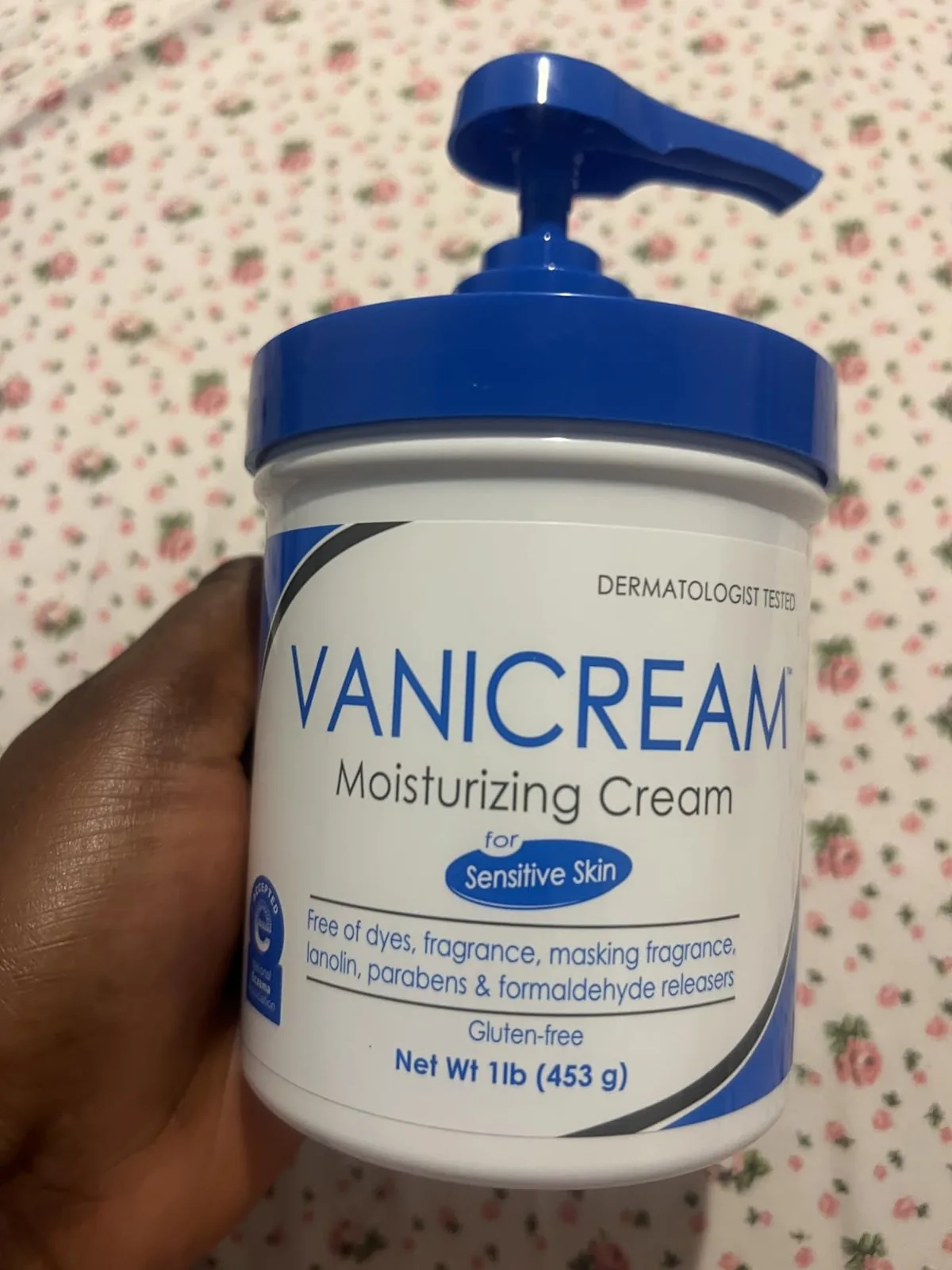
Most of the reassuring words on the front of a bottle have no legal definition in the US. Regulators have said plainly that “hypoallergenic” means whatever a company wants it to mean, and that no cosmetic can be guaranteed never to cause a reaction. The same goes for “non-comedogenic,” “dermatologist tested,” “clean” and “natural.” They can be accurate for a particular product, but the word alone does not prove it.
- Fragrance-free versus unscented: fragrance-free generally means no fragrance has been added for scent. Unscented can mean a masking fragrance was added to cover the smell of other ingredients. If fragrance bothers your skin, read the list itself rather than trusting either word.
- Plant oils with a scent: a fragrance-free product can still contain botanical oils or extracts that smell, such as lavender or citrus peel oils, listed under their Latin names.
- “Free from” lists: a product without parabens, sulfates or silicones is not automatically gentler. It simply uses something else in their place, and that replacement can bother your skin too.
Use the list to learn your own triggers
The most practical thing an ingredient list can do is help you notice patterns. If a product made your skin sting, itch or break out, write down its first ten ingredients and anything that looks like fragrance or a plant oil. Do the same for the next product that bothers you. Ingredients that keep showing up on the “bad” lists, and never on the lists of products you tolerate, are worth avoiding until you know more.
Common mistakes, and what to do instead:
- Judging a product by one scary-sounding name. Most long chemical names are ordinary preservatives, thickeners or emulsifiers. Look them up before writing a product off.
- Paying for a hero ingredient that is listed last. If the ingredient you are buying the product for appears after the preservatives, there is very little of it. Look for products that state the percentage, or that list it near the top.
- Blaming the newest product after one bad day. A single flare does not always come from the latest purchase. Change one thing at a time so you can tell what is responsible.
- Skipping the patch test because a product says “sensitive.” A sensible home test is to apply the product to a quarter-sized spot on the inside of your forearm twice a day for seven to ten days. If you see redness, itching or swelling, wash it off and stop using it.
A clear patch test lowers the odds of trouble but cannot promise your face will react the same way, since facial skin, especially around the eyes, is thinner. If reactions keep happening, a board-certified dermatologist can run patch testing to identify specific allergens, which is far more reliable than guessing from labels.
Try it on one product today
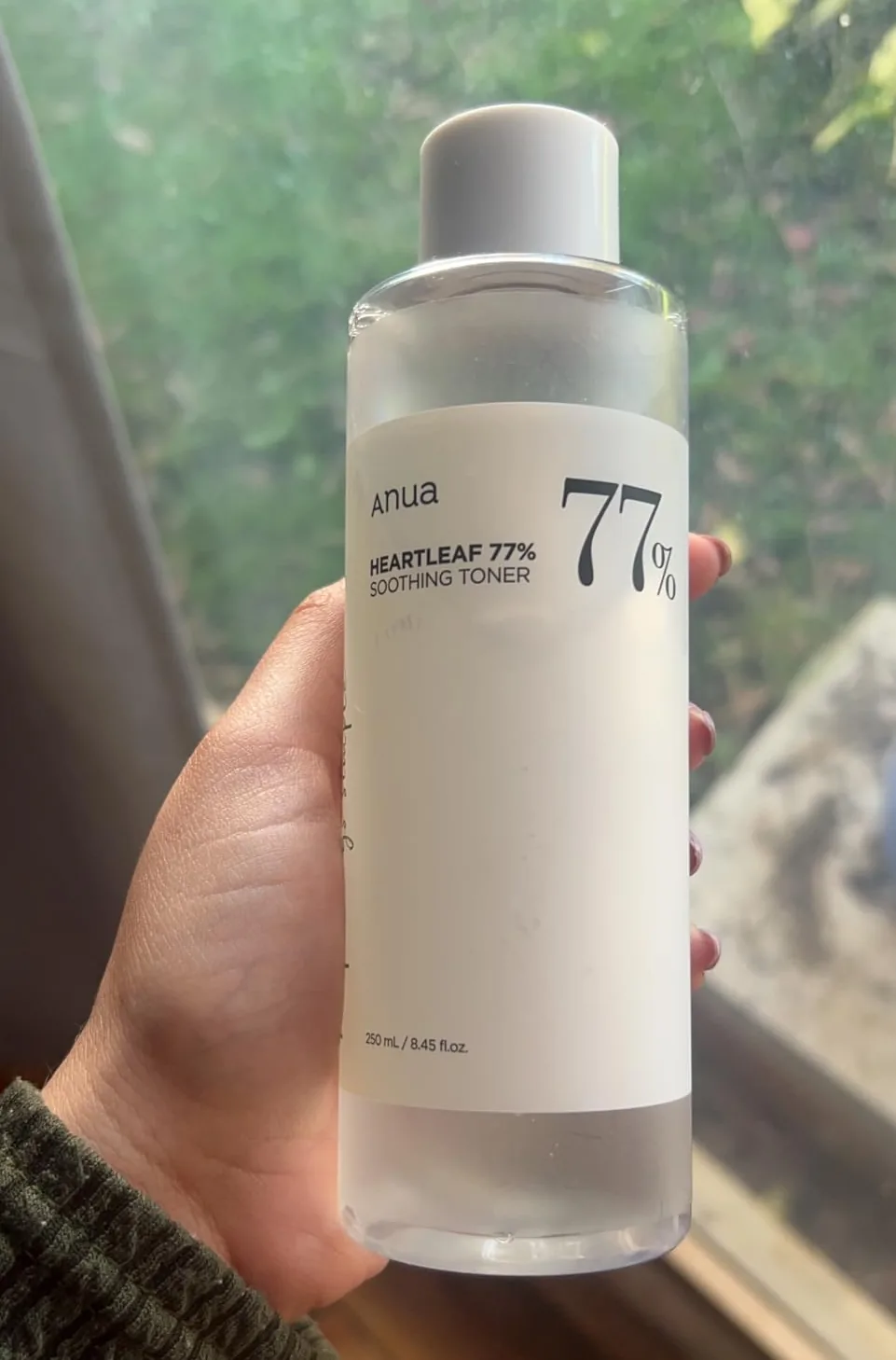
Pick the moisturizer you use most and turn it around. Read the first five ingredients, find the preservative, and look for anything listed as fragrance or a plant oil. Then compare it with a product your skin did not like. Two minutes of reading usually tells you more than any front label, and it is the same method you can use to check whether a cheaper product really matches a pricier one, as in our roundup of beauty dupes that hold their own. If you are still working out what your skin needs in the first place, start with finding your skin type.
Quick answers
Does the first ingredient make up most of the product?
It is usually the largest single ingredient, and in most creams and serums that is water. The first few together tend to make up most of the formula, but the label does not show exact amounts.
Is a product with a long ingredient list worse?
Not necessarily. Length reflects how a formula is built, not how safe or effective it is. A short list can still contain an ingredient that irritates you.
Why does my makeup say “may contain” near the end?
That phrase appears on products sold in several shades. It lists colorants that are in some shades but not others, so one label can cover the whole range.
Can I tell the percentage of an active from the list?
Only for drug-regulated products such as sunscreen or acne treatments, which print the percentage of each active. For everything else, position gives a rough idea, and brands that state the percentage on the box make comparison much easier.