Most of us own a pair of boots that looks perfect in the hallway mirror and turns into a regret by lunchtime. Comfort in a boot is not luck. It comes down to a handful of details you can check in the store, or in the first few minutes at home before the tags come off.
Here they are, roughly in the order they matter.
Start with the heel, not the color
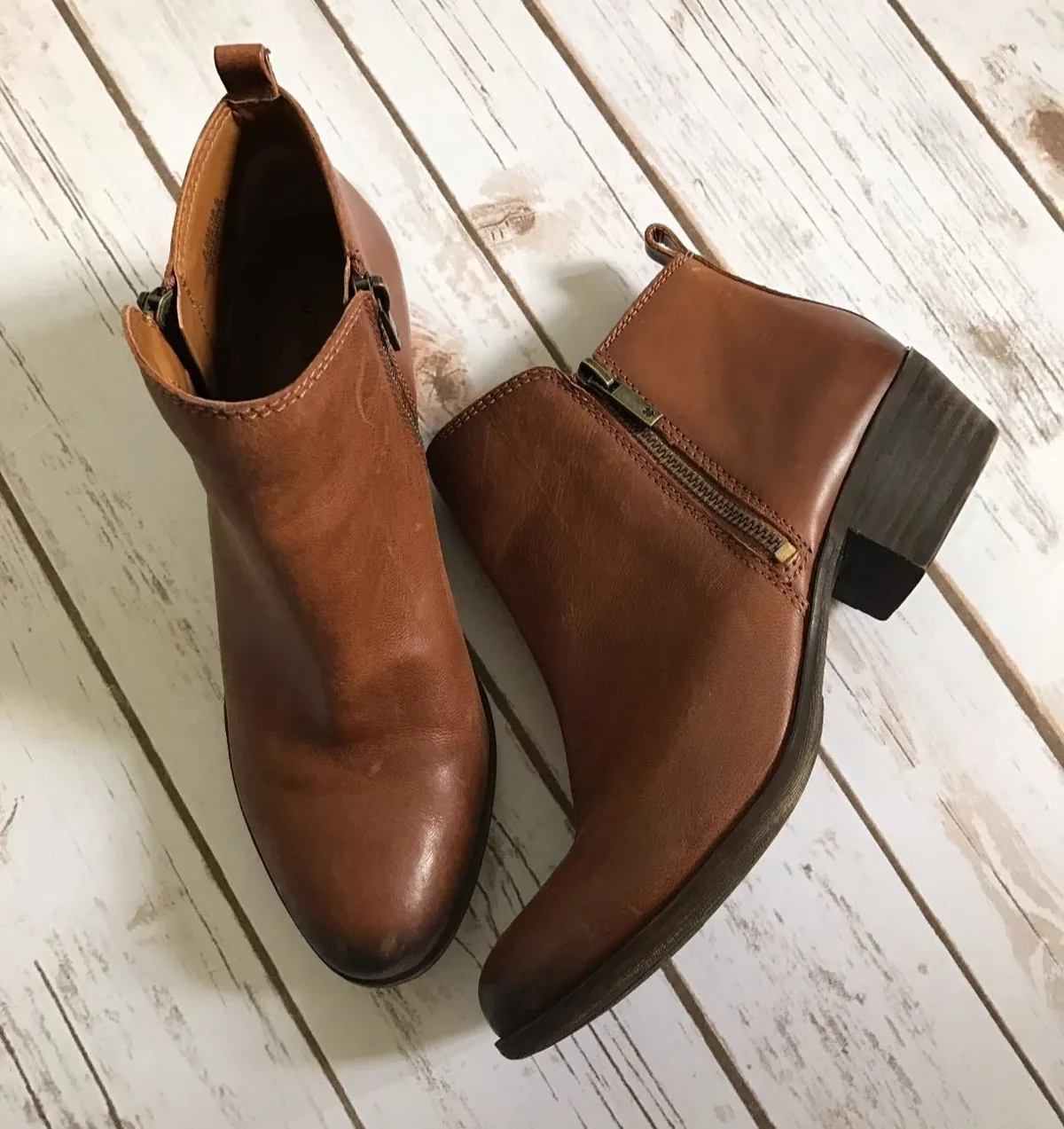
If you plan to be on your feet for hours, the heel decides more than anything else. A low block heel keeps your weight spread across the whole foot instead of pushing it forward onto the ball, and it gives your ankle a steady base on uneven pavement, cobblestones and stairs.
Stacked heels, chunky rubber heels and gentle wedges all fall into the easy camp. Slim heels can still work for a dinner or an office day with little walking, but for an everyday pair a wider heel is the most reliable upgrade you can make. Quick test: stand in the boot and rock gently forward and back. If you feel wobbly standing still, you will feel it more after a few miles. Our guide to what makes heels comfortable goes deeper on pitch and heel placement.
Look closely at the sole
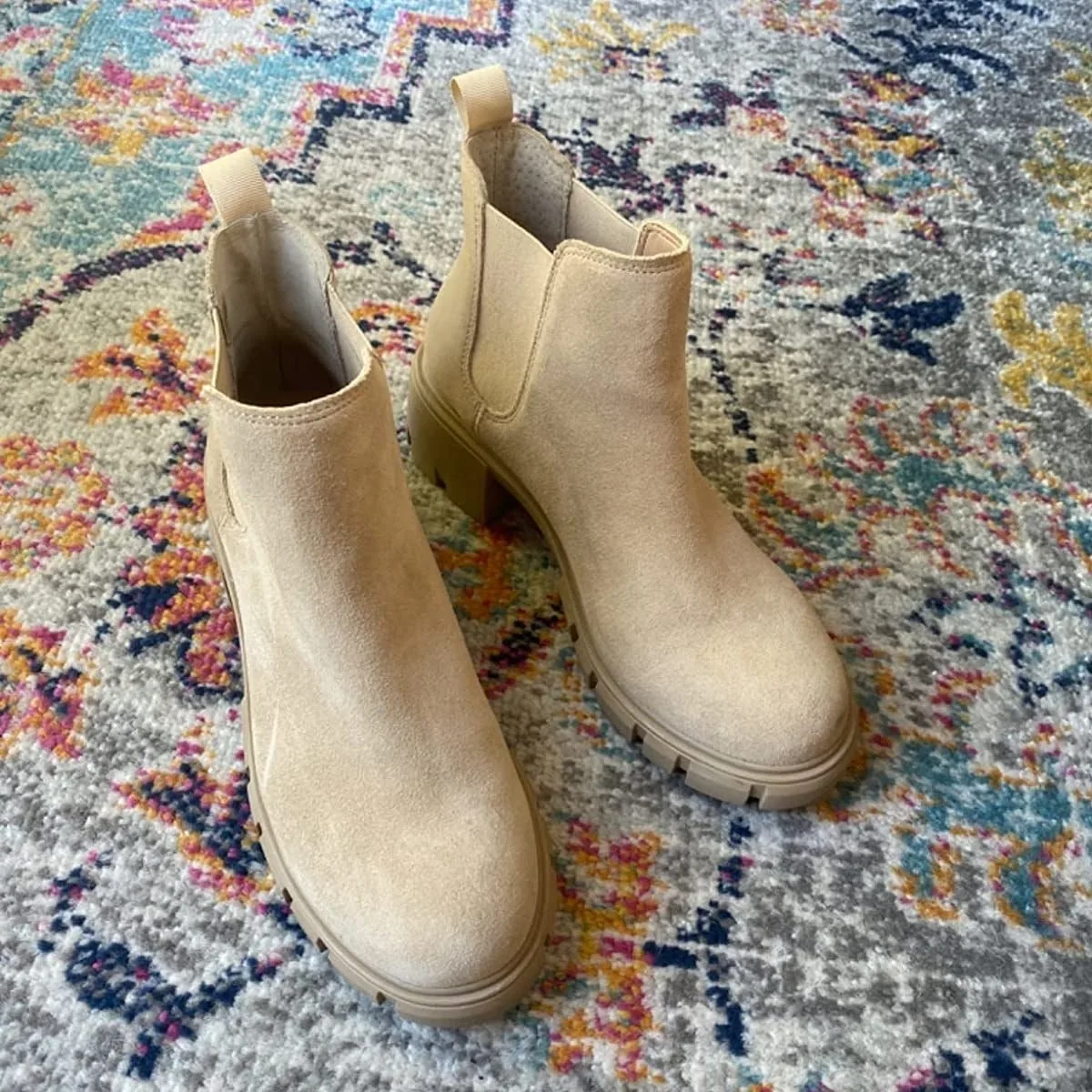
Flip the boot over. A thin, hard, smooth sole sends every bump of the sidewalk straight to your feet and tends to slip on wet leaves or tiles. A thicker rubber sole with some tread does the opposite: it absorbs impact, grips better and usually lasts longer.
Lug soles, the deep-grooved chunky kind on the beige Chelseas above, have become a style statement in their own right, which is convenient because they are also practical. Just check the weight: some very chunky soles feel heavy by evening, and a lighter rubber or foam compound saves your legs.
Bend the boot at the toe, too. It should flex where your foot naturally bends, across the ball, not stay stiff as a board or fold in the middle of the arch.
Two more hand tests are worth the ten seconds. Squeeze the heel between thumb and fingers: the back of the boot, called the heel counter, should feel firm and spring back, because a shaft that covers your ankle does not support it by itself. Then twist the boot by holding the toe and heel and turning them in opposite directions. A little resistance is what you want; a boot that wrings like a towel will not keep your foot steady, while one that is completely rigid will fight you all day. For everyday winter boots, foot specialists generally favor a wide heel under about two inches.
Make room for your toes
Pinched toes are the fastest way to give up on a pair. Round and square toe shapes generally leave more room than sharp points, so if you love a pointed toe, look for one where the point extends past your toes rather than squeezing them. You should be able to wiggle every toe freely, with roughly a thumb’s width (about half an inch) of space in front of your longest toe.
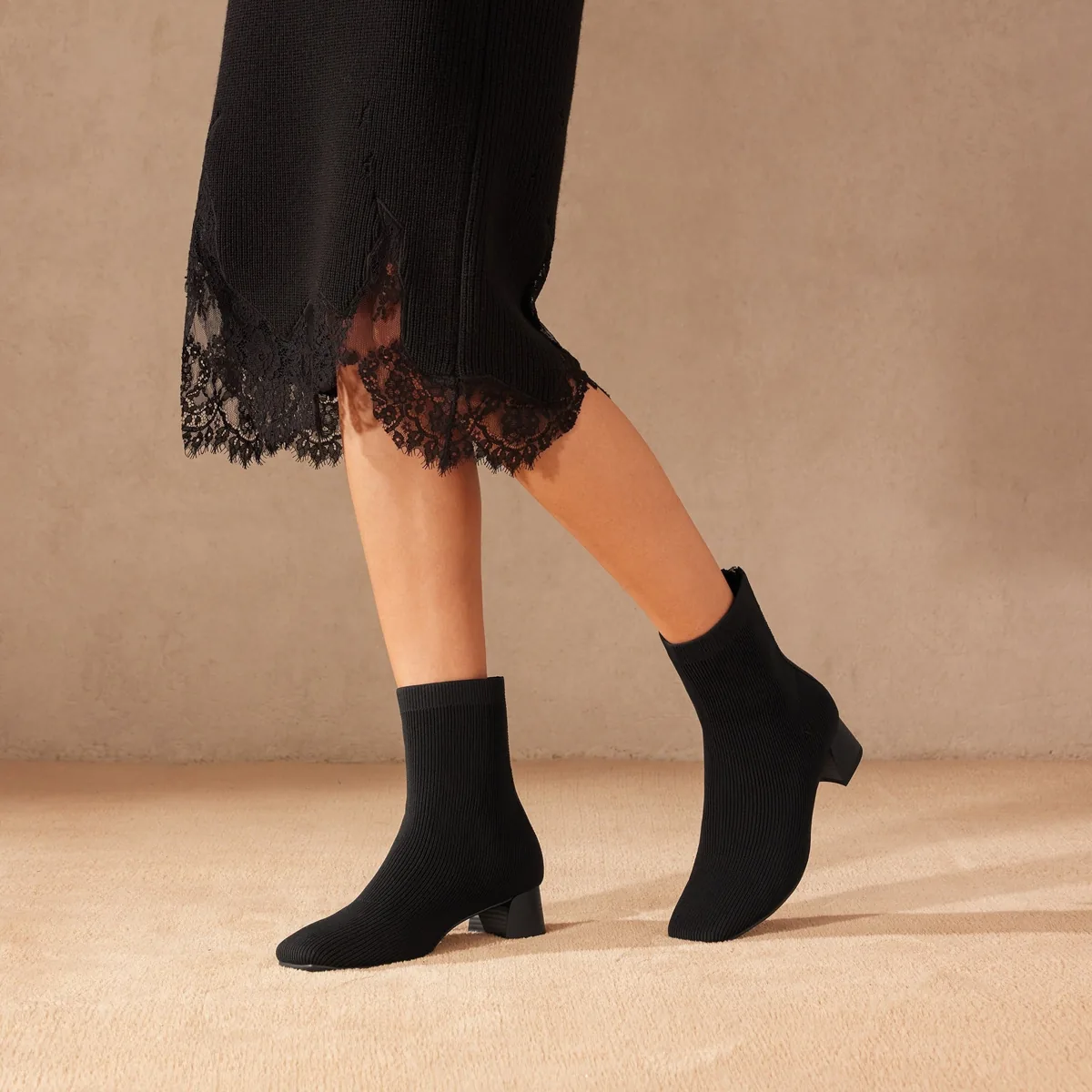
Width matters as much as length. If the sides of your foot press against the boot when you stand, going up half a size often makes the boot too long without fixing the width. Look instead for styles that come in wide fits, or for soft uppers like suede and stretch knit that give a little where you need it. If you are not sure of your width, measure it at home before you shop.
Tall boots: get the calf right
With knee-high boots, the calf decides comfort as much as the foot does. Sit with your knees bent at a right angle and wrap a soft tape around the widest part of each calf, moving it up and down a little to find the fullest point. Use the larger leg, and wear the tights, leggings or jeans you plan to wear underneath while you measure.
Advice on extra room differs. Riding-boot makers tell customers not to add anything, because leather stretches and the boot settles as it breaks in. Fashion boots worn over jeans are another story, and a quarter to a full inch over your bare-calf measurement keeps the zip from straining. Either way, the zip should close in one smooth pull without you holding your breath.
- Height: the top of the shaft should sit a finger or two below the crease at the back of your knee, so it does not dig in when you sit or climb stairs. Soft leather often slouches a little lower over the first weeks.
- Ankle boots: check where the top edge hits. A shaft that ends right on the ankle bone rubs; a little above or below it is kinder.
- Heel slip: a small lift, well under a quarter of an inch, is normal in a new boot and fades as the sole softens. If your heel rides up more than that on every step, the boot is too long or too wide.
Check the inside of the boot
A cushioned insole is easy to spot: press it with your thumb. Memory foam and padded footbeds feel lovely on day one, and a little arch shaping helps more than people expect, especially on hard floors. Run your hand around the inside seams, too. A rough seam at the heel or a stiff edge at the top of the shaft is exactly where a blister will start.
If you already wear supportive insoles, bring them when you try boots on. A boot with a removable footbed makes swapping easy; one with a glued-in footbed may feel too tight once you add your own.
Pick a closure that suits your day
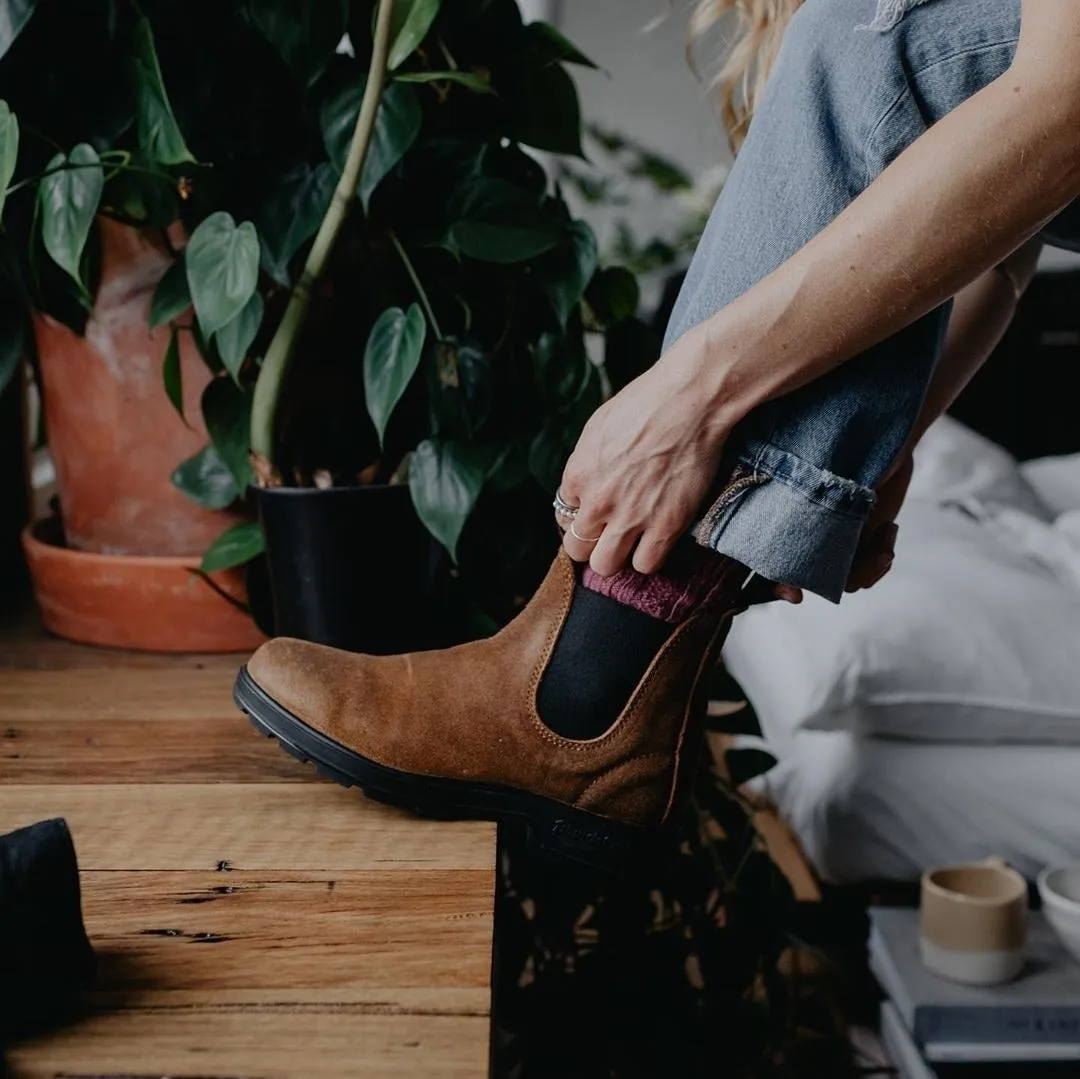
How a boot goes on affects how it fits, and each style has its strengths.
Chelsea boots with elastic side panels slip on in seconds, which is handy for airport security, school runs and anyone who hates bending over. The elastic should feel snug but not tight; if it gapes, your heel will lift with every step.
Side zips allow a closer fit around the ankle while staying easy to take off. Run the zip up and down a few times. It should move smoothly and stay put instead of creeping down as you walk.
Laces give the most adjustable fit, which is why hiking and work boots rely on them. If your feet swell over a long day, loosening the laces in the afternoon is a small relief no slip-on can offer.
Plan for the weather you actually have
A boot that soaks through on the first rainy commute is not a walking boot. Water-resistant handles a light shower; waterproof usually means sealed seams and a membrane that keeps puddles out. If you live somewhere wet, the second is worth seeking out, and our guide to waterproof versus water-resistant shoes explains how to tell them apart.
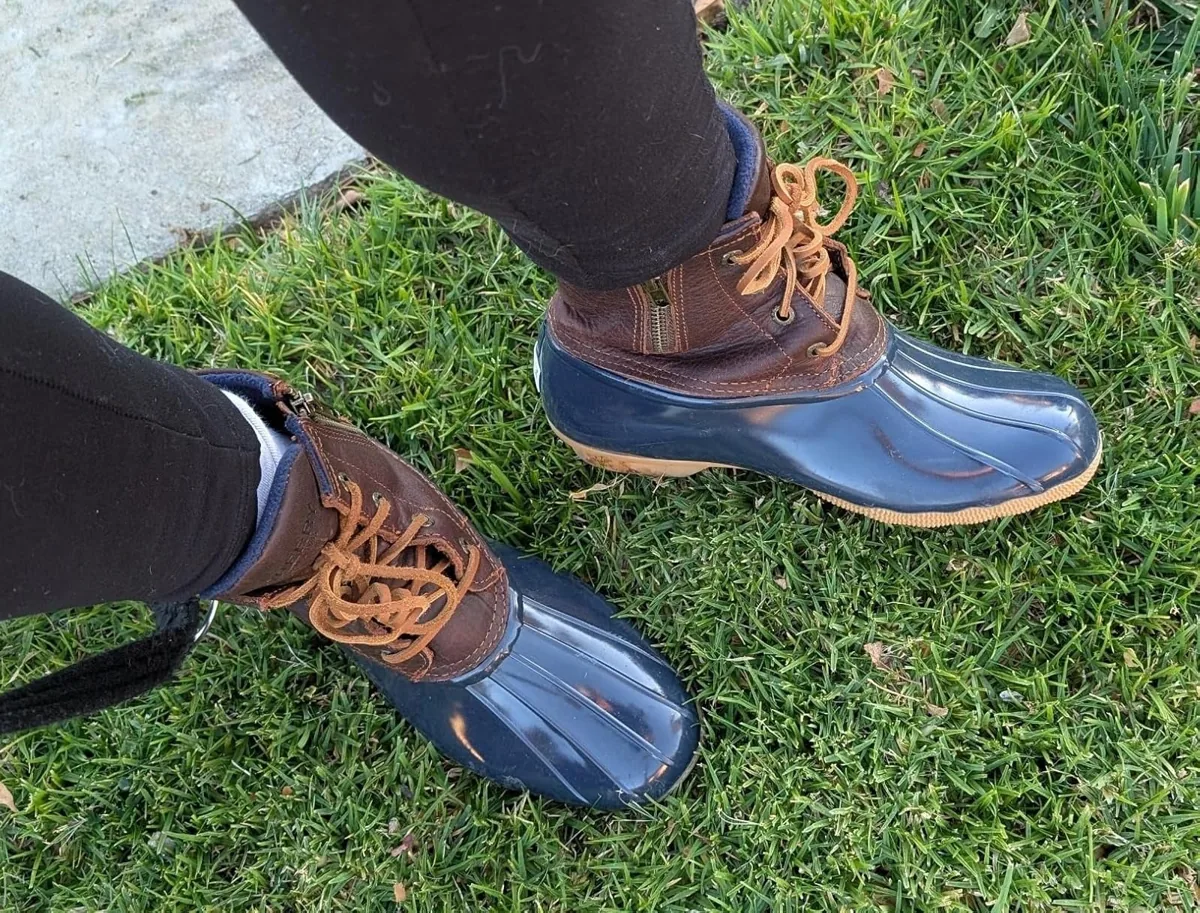
For snowy or icy winters, look for rubber lower shells, deep tread and a sole that stays flexible in the cold. Duck boots and rain-ready Chelseas cover a lot of ground for city slush; insulated snow boots make more sense if you stand outside for long stretches. Treated suede can shrug off a drizzle, but untreated suede and road salt are not friends.
Think about warmth and socks
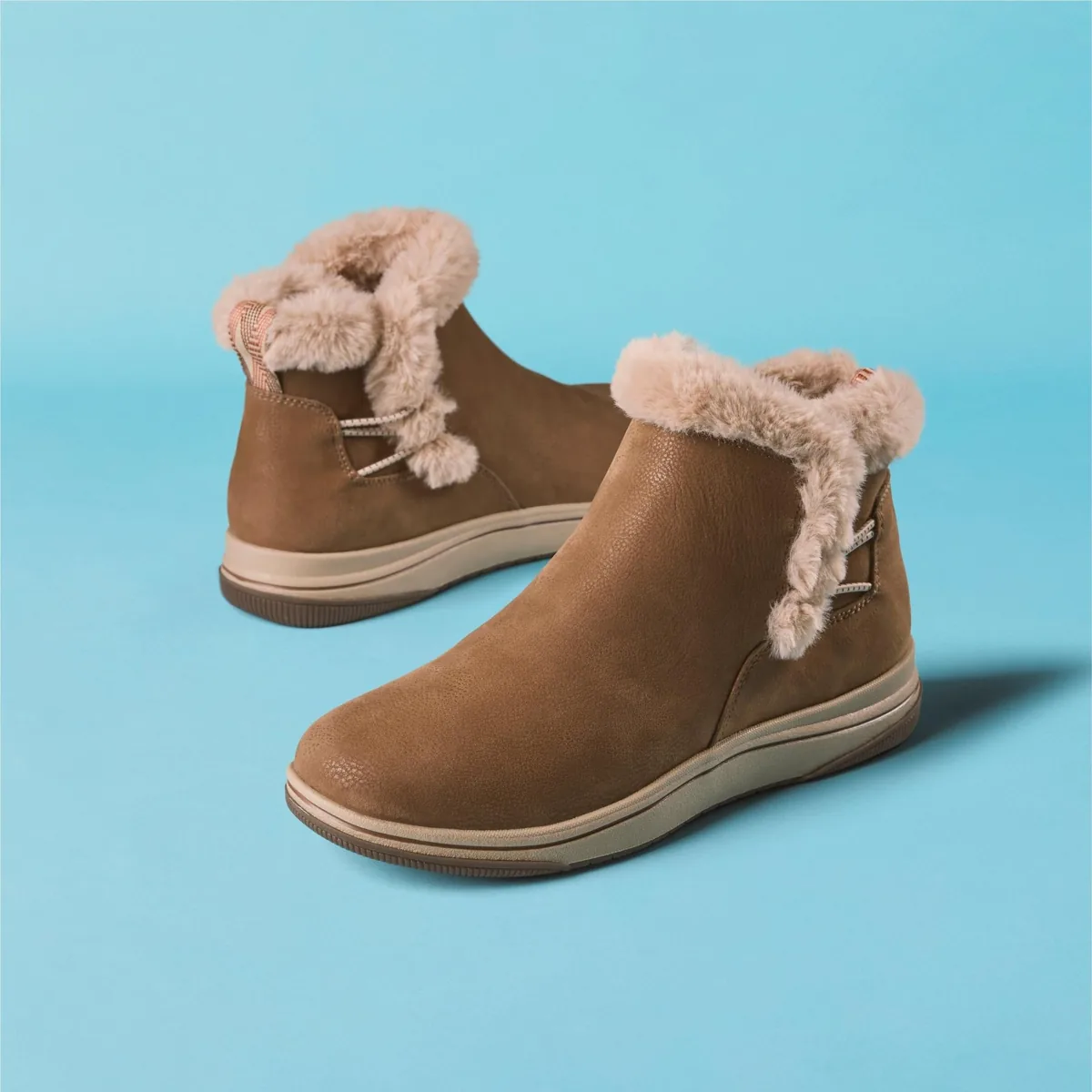
Fleece and faux-fur linings are wonderful in January and a little much in October. If you only buy one pair, an unlined or lightly lined boot worn with wool socks in deep winter is often more versatile than a fully lined one.
Whatever you choose, try boots on with the socks you plan to wear. A thin trouser sock and a thick hiking sock can change the fit by half a size. Shopping in the afternoon helps, too, since feet are usually at their largest later in the day.
Give new boots a fair trial
Even boots that feel comfortable straight out of the box deserve a short test before a big day. Wear them around the house for an hour or two on a couple of evenings and notice any spot that rubs, any heel slip and any pressure across the top of the foot. Most leather softens and molds with wear; a seam that digs in or a toe box that crushes your toes usually will not change much.
Small fixes go a long way: heel grips stop a slight slip, a thin insole takes up extra volume, and moleskin on a known hot spot prevents a blister before it starts. Never debut a brand-new pair on a travel day or at a long wedding, however good they feel at home.
Use that indoor hour to watch for three common deal-breakers: a top edge that rubs the shin or ankle, a zip that bursts over the calf, and toes that go numb by afternoon. Each one shows up quickly, while returns are still easy.
Look after them so they keep feeling good
Comfort fades when boots dry out, crack or lose their tread. Let wet pairs dry at room temperature, away from radiators, and rotate between two pairs so each gets a day to dry out. Have a cobbler replace worn heels and soles before they wear through to the boot itself. For the full brushing, conditioning and rescue routine, see our suede and leather shoe care guide.
Quick answers
Should I buy boots half a size bigger?
Not by default. Size up only if you will always wear thick socks or a supportive insole, and check that you still have about a thumb’s width in front of your toes rather than a heel that lifts with every step.
How long does it take to break in leather boots?
Plan on several short wears over a week or two. Suede and soft leather settle faster; stiff, thick leather takes longer. Pain that stays sharp after that point is a fit problem, not a break-in problem.
Are wedge boots comfortable?
Often more than a block heel of the same height, because the sole supports the whole length of the foot. Keep the heel modest and check that the sole still bends at the ball.
Can fashion boots handle snow?
Most are not made for it. Without a rubber sole with real tread and a sealed lower, they slip on ice and let slush in. Keep them for dry days and have a dedicated winter pair for the rest.
If you remember only three checks in the store, make them these: a heel wide enough to stand still on, a sole that bends at the ball of the foot, and room to wiggle every toe in the socks you will actually wear. Browse more in Shoes & Bags, or see the everyday pieces collected in Our Finds.