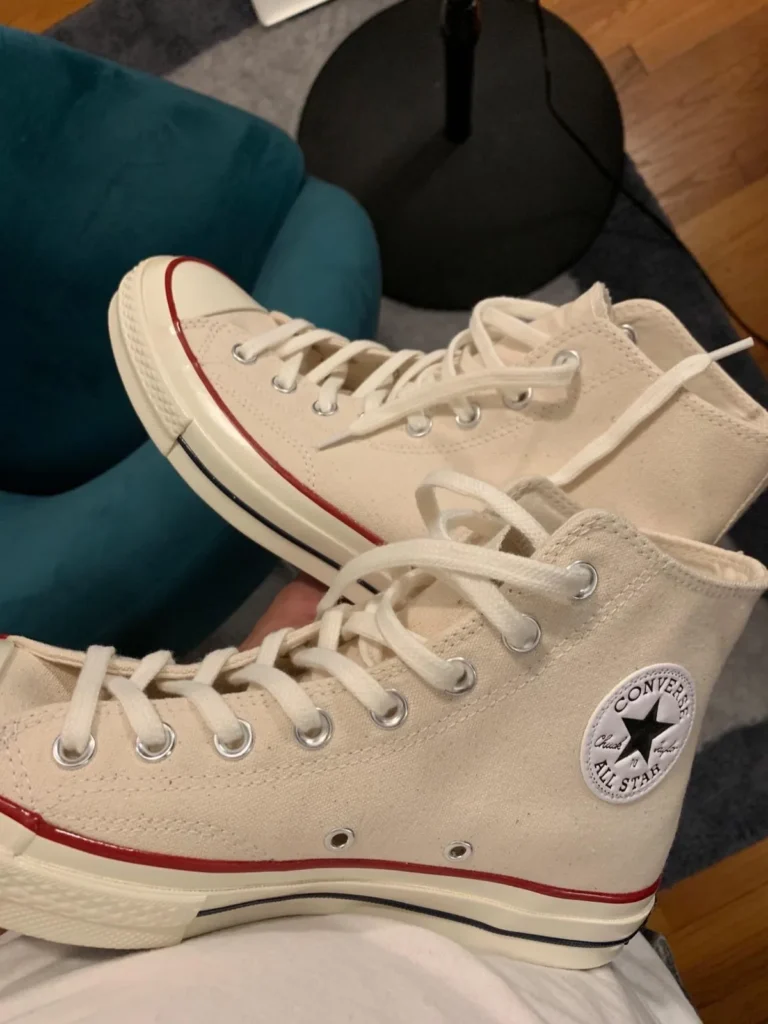
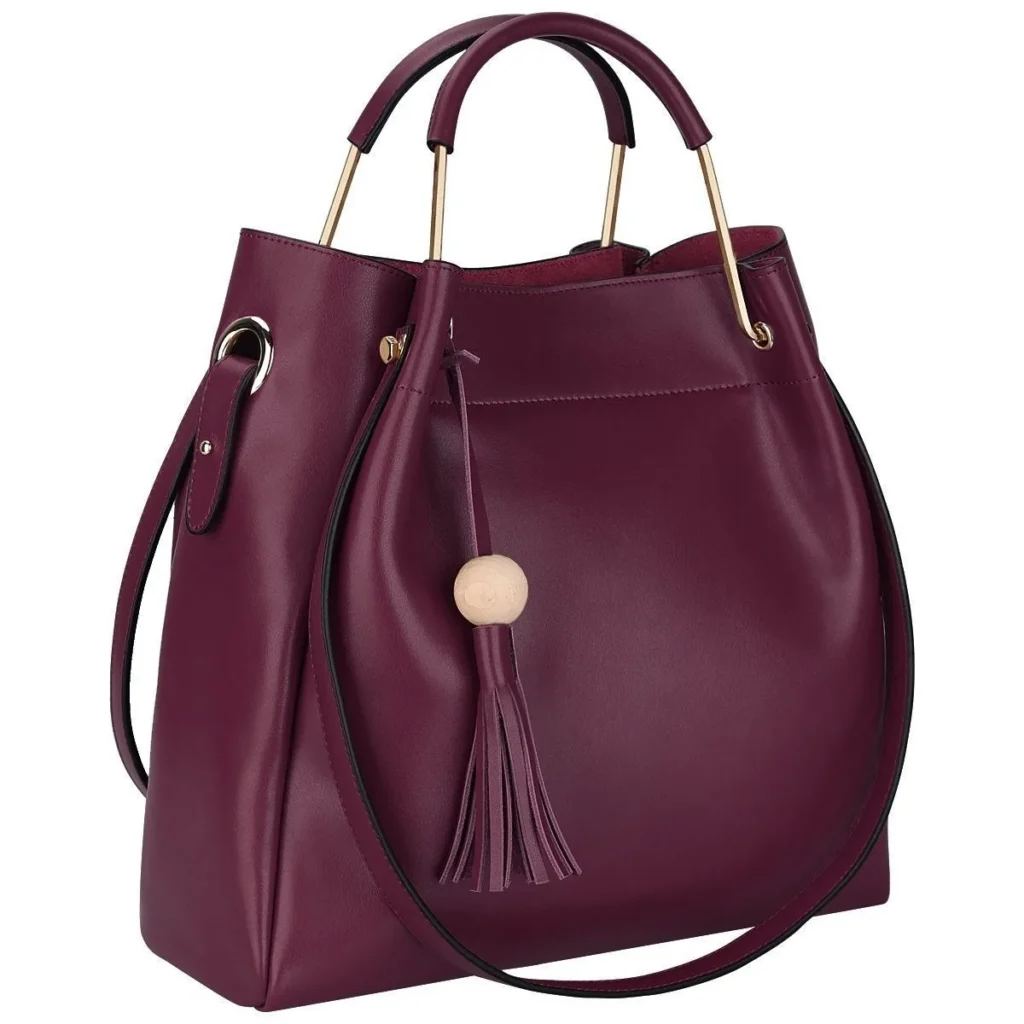
A good pair of leather boots can outlast several trends, and a suede loafer can look better in its third year than in its first. What decides it is rarely the price tag. It is the two minutes of care a pair gets between wears, and what you do on the day you get caught in the rain.
The routine below splits shoe care into what to do after every wear, every few weeks and once a season, plus what to do when something goes wrong. Smooth leather and suede need different tools, so each step covers both.
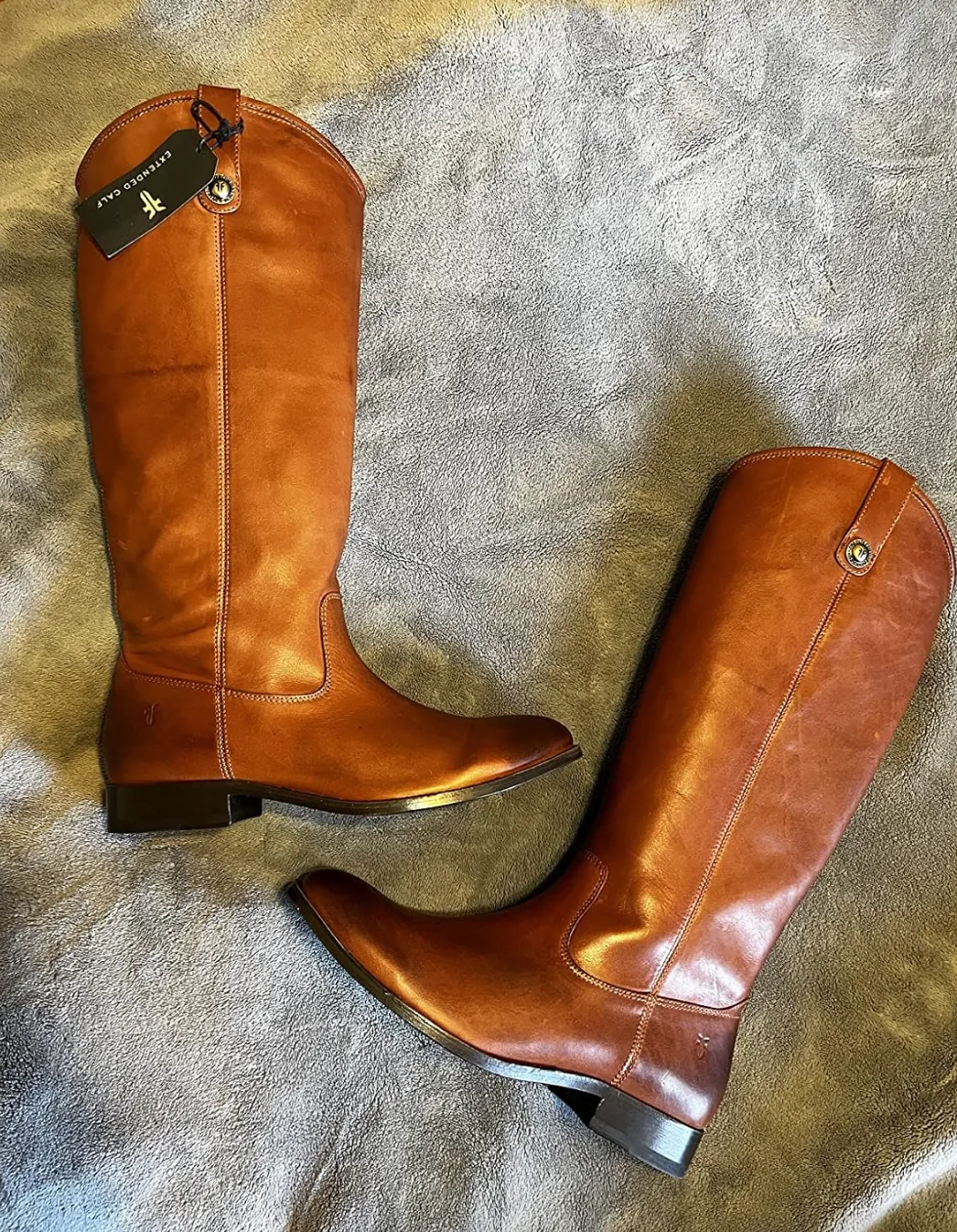
Know which leather you are dealing with
Smooth leather is the hide’s outer surface, finished so it is fairly closed and slightly shiny. It takes cream and wax polish, it can be wiped with a barely damp cloth, and it develops a soft patina with time.
Suede is the inner side of the hide, sanded into a soft, fuzzy surface called the nap. Nubuck looks similar but is buffed on the outer side, so it is a little tougher; treat it the way you would treat suede. Both soak up water and oil quickly, and neither should ever meet wax polish, which mats the fibers and leaves dark patches.
Patent leather is its own case: a glossy coated finish that only needs a wipe and a buff. If a label is missing, a quick test helps. A drop of water beads on smooth or patent leather and darkens suede almost instantly.
After every wear: the two-minute habit
Most damage builds up slowly from dust, grit and sweat, so the most useful habit is also the shortest one.
Brush them off. For smooth leather, a horsehair brush lifts dust from the surface and the welt, the seam where upper meets sole. For suede, use a dedicated suede brush and work in one direction to lift the nap and clear dirt before it settles in.
Put shoe trees in. Unvarnished cedar trees soak up moisture from the inside and hold the shape while the shoe dries, which keeps deep creases from setting across the toe. If you do not own trees yet, loosely stuffed paper does part of the job for a night.
Give them a day off. Leather needs time to dry out completely after a day of wear. Rotating between at least two pairs, so no pair is worn two days in a row, is one of the simplest ways to make shoes last noticeably longer.
Every few weeks: clean, feed and protect
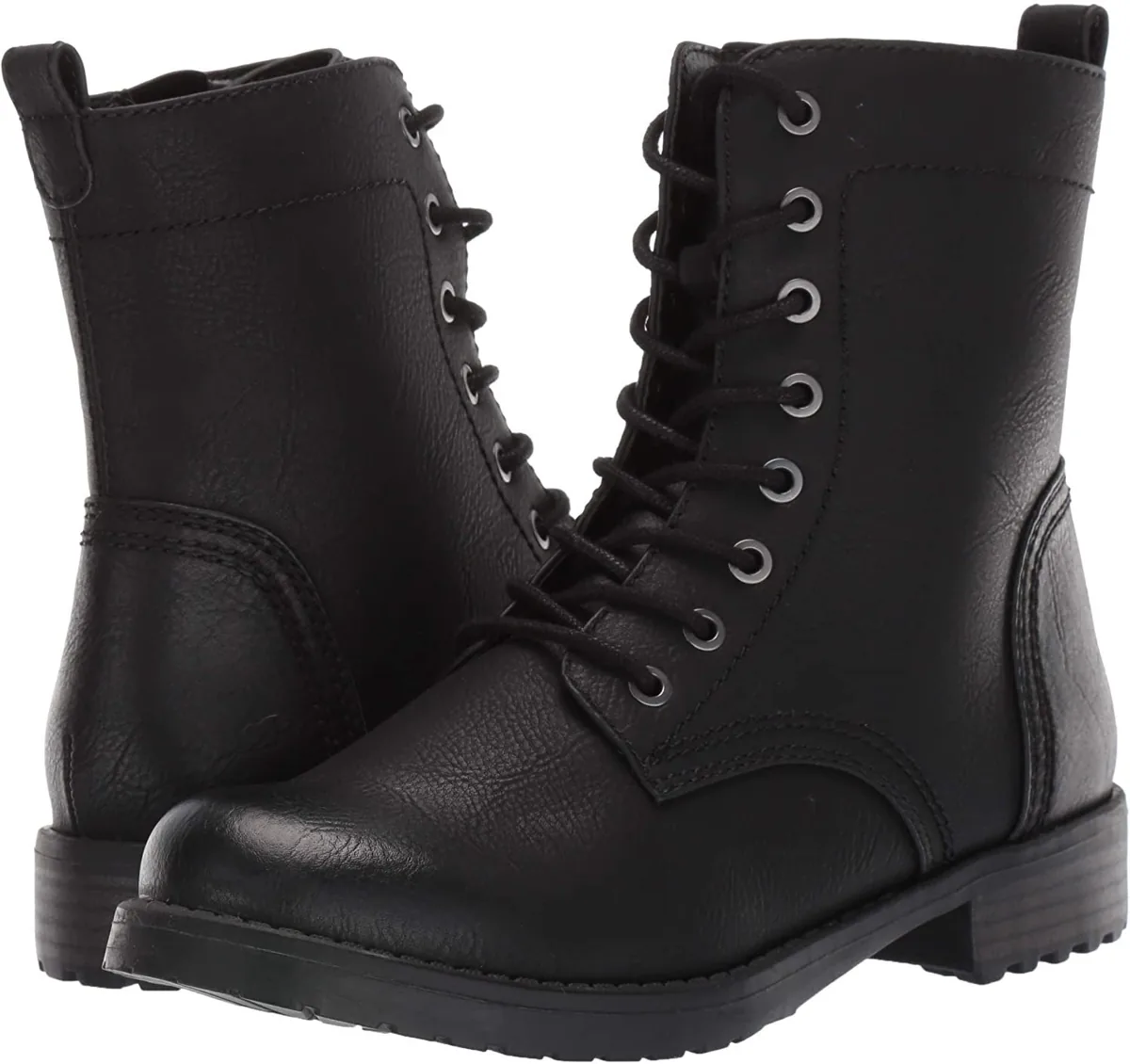
Smooth leather needs a slightly longer session every month or two, depending on how often you wear the pair. Take the laces out and put the trees in so the surface is taut. Wipe away grime with a cloth that is only just damp, or with a dedicated leather cleaner worked in small circles, then let the shoes air-dry.
Next comes conditioner. Leather is skin, and without its oils it dries out and starts to crack along the flex lines. Apply a thin layer with a soft cloth, let it sink in for ten minutes or so, then buff.
Conditioner and oils can darken pale or untreated leather, sometimes for good, so try a little on the inside of the tongue or the back of the heel first and judge the color once it has dried. Skip kitchen remedies like olive oil or petroleum jelly: they sit on the surface, attract dirt and can go rancid. How often to condition depends on wear and weather, but the leather tells you. When it looks lighter, feels dry or starts showing fine lines at the creases, it is time.
Polish is a separate step with a separate job. Cream polish restores color and hides small scuffs; wax polish adds shine and a light water-resistant layer, mostly on the toe and heel. Keep coats thin, since thick layers build up and crack. Match the shade to the leather, or use neutral if you are unsure. For more on cream versus wax on dress shoes, see our leather shoe care routine.
Suede skips the creams entirely. Brush thoroughly, then deal with shiny or flattened patches using a suede eraser or a crepe block, rubbing gently and brushing again to raise the nap. If the color has faded, a suede renovator spray in a matching or neutral shade can bring back depth; let it dry fully and brush in the direction of the grain.
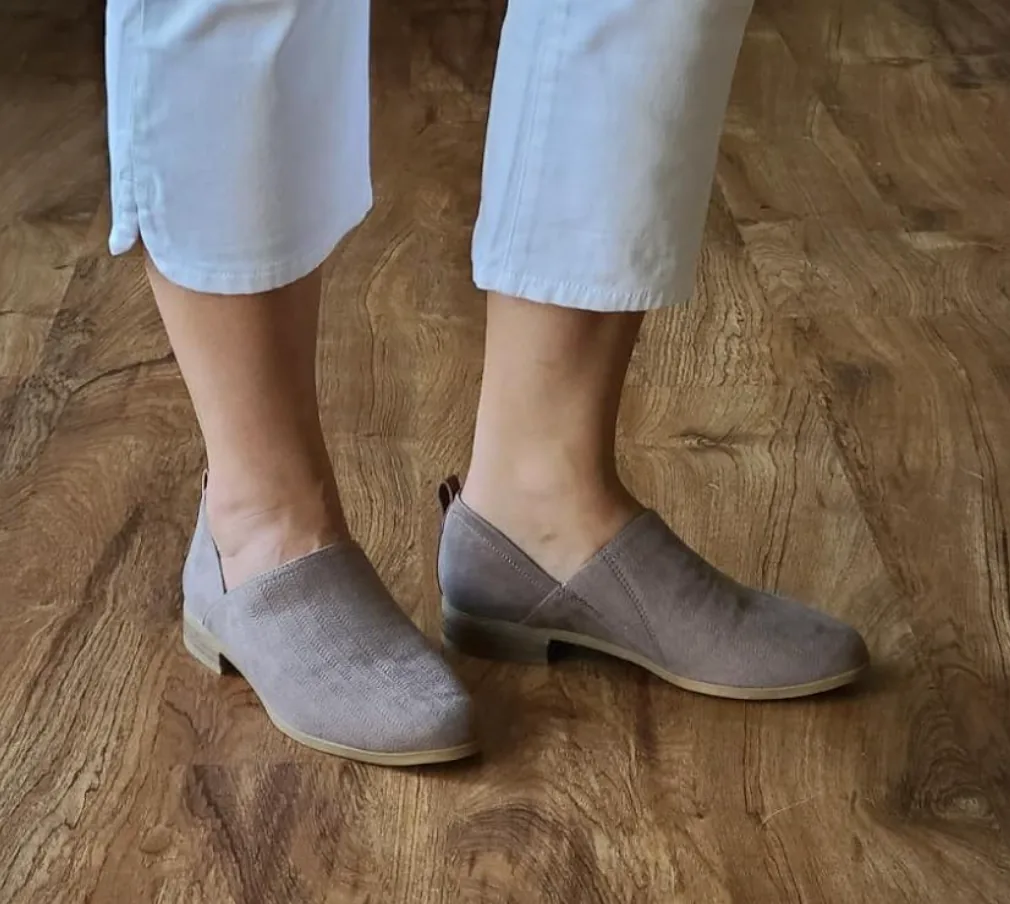
For both materials, a protector spray is the single best investment. Spray new pairs before the first wear in a light, even coat from about 15 to 20 centimeters (six to eight inches) away, let it dry for at least half an hour, and reapply every couple of months or after a deep clean. Test it on a hidden spot first if the color is pale or unusual.
When things go wrong
Caught in the rain. Take the shoes off as soon as you can, blot the surface and stuff them loosely with paper to draw out moisture. Once they are no longer soaking, swap the paper for shoe trees and let them dry at room temperature for a full day or two.
Keep them away from radiators, heaters and hair dryers, the fastest way to crack leather and stiffen suede. Once completely dry, give smooth leather a round of conditioner and brush suede well to bring the nap back.
Water marks on suede. Spot-drying usually leaves a ring. The fix sounds backwards but works: lightly and evenly dampen the whole panel with a sponge so it dries in one tone, then brush once dry.
Winter salt lines. Those white tide marks come from road salt pulling moisture out of the leather. Dab them with a cloth dipped in a mix of roughly two parts water to one part white vinegar, let the shoes dry naturally, then condition smooth leather or brush suede.
Mud. On suede, let it dry completely and brush it away; scrubbing wet mud only pushes it deeper. On smooth leather, a damp cloth handles it once the worst is brushed off.
Oil and grease. On suede, cover the spot right away with cornstarch or talc and leave it for several hours so the powder can draw the oil out before you brush it off. Do not add water.
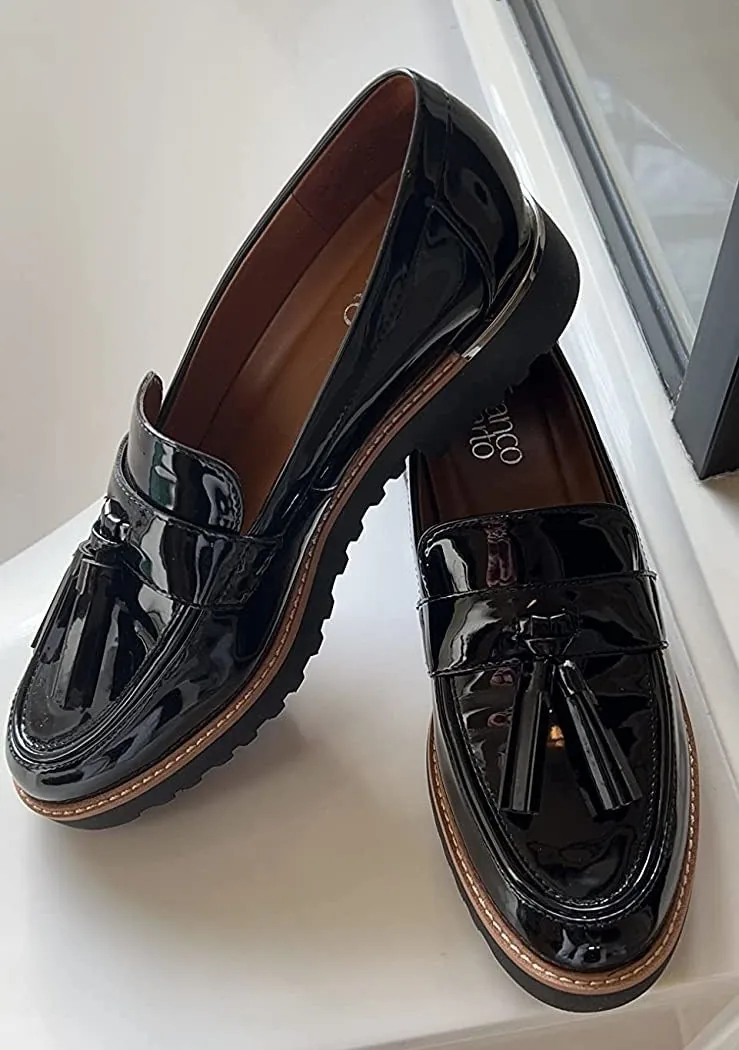
Scuffed patent. A soft cloth with a little water or a patent cleaner usually lifts marks. Keep patent pairs from pressing against each other or against plastic in storage, since the coating can stick and pull.
Mold. A white or green fuzzy bloom usually means the shoes were stored damp. Take them outside, brush the bloom off with a soft brush so spores do not spread indoors, then clean the whole upper with a leather cleaner and let it dry fully before conditioning. Many home guides suggest a diluted white vinegar wipe instead; leather-care specialists tend to warn that acids and bleach can dry out or discolor the finish, so if you try vinegar, test it on a hidden spot and keep the cloth barely damp. If the insole is affected, replace it, and hand heavy growth on a pair you love to a cobbler.
Too tight. Smooth leather gives a little in width, never in length. Wear the shoes at home with thick socks for short sessions, or use a leather stretch spray on the tight spot and walk around in them, then condition afterward. Skip the old tricks of soaking the shoes or blasting them with a hair dryer; both can stiffen or crack the leather unevenly. A cobbler can stretch one specific spot, like a bunion or a pinching toe, without distorting the rest of the shoe.
Seasonal reset and storage
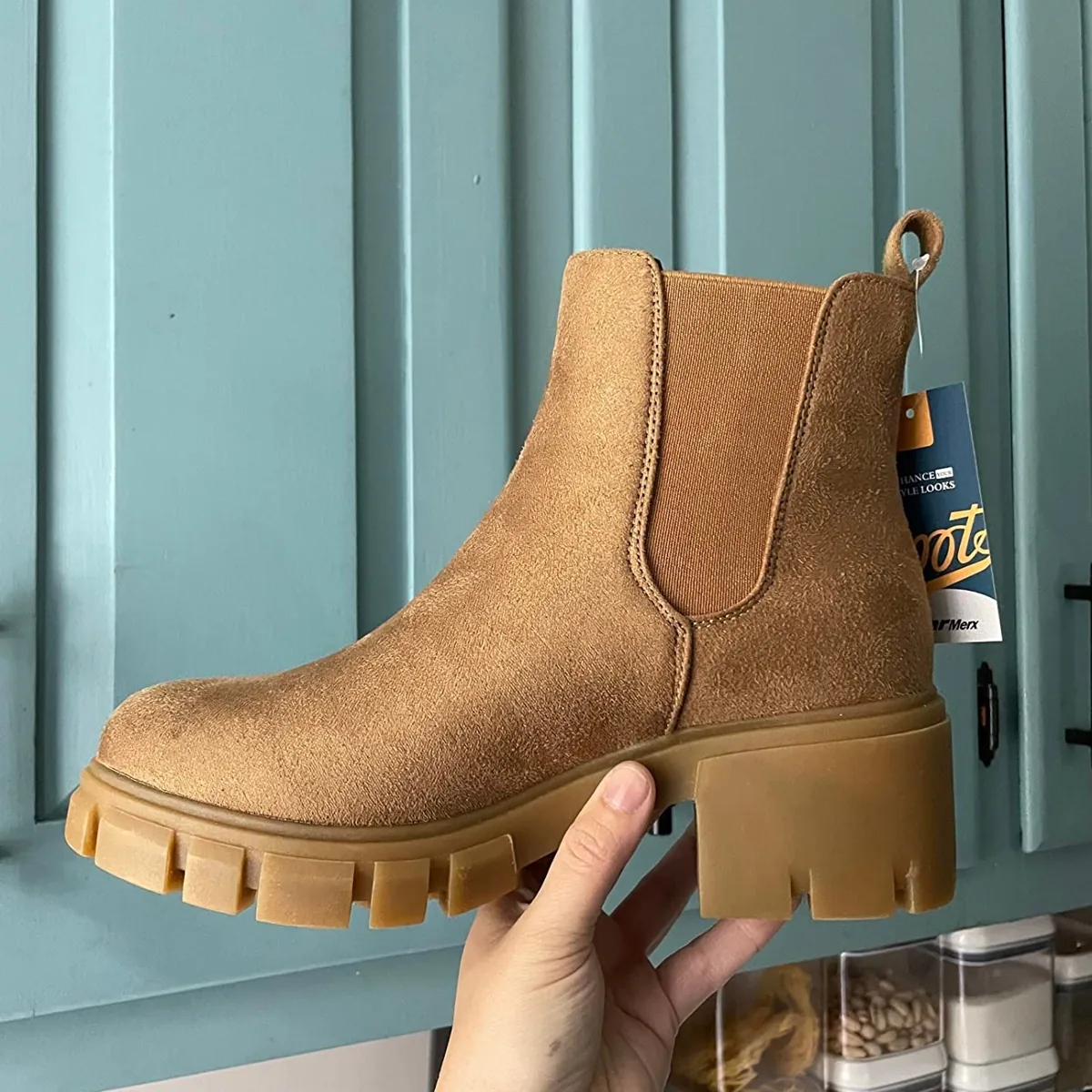
When you put a pair away for months, clean it first. Dirt and salt left on leather keep working on it in the dark. Condition smooth leather, brush suede, slip in shoe trees and store the shoes in breathable cotton bags or a box with a little airflow. Sealed plastic traps moisture and invites mildew, and a sunny shelf fades color, especially on suede like the tan clogs below.
Aim for a cool, dry spot with moderate humidity. In a damp basement or a humid climate, a few silica gel packs in the box or a cupboard dehumidifier will do more to prevent mold than any spray.
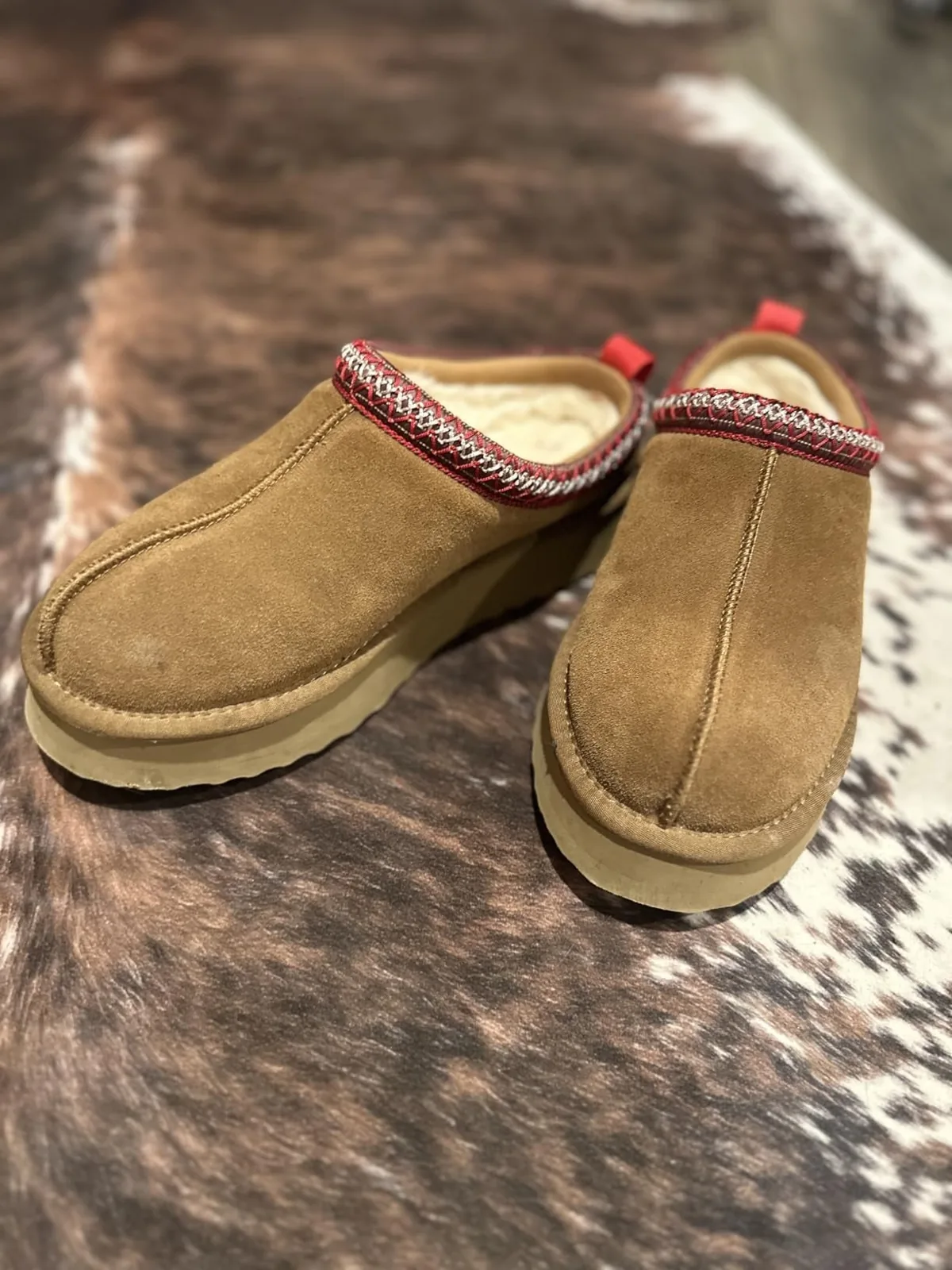
A seasonal check is also the moment to look at soles and heels. Heel tips and soles wear down long before a well-kept upper does, and a cobbler can replace them for far less than a new pair costs. Catching a worn heel early also protects the heel block underneath.
A small kit covers almost everything
You do not need a shelf of products. A horsehair brush, a suede brush with an eraser, a leather conditioner, a neutral cream polish, a protector spray that is safe for suede, and a pair of cedar shoe trees for the shoes you wear most will handle nearly every situation above. If you buy only one thing today, make it the protector spray: a coat on new pairs before the first wear prevents more damage than any rescue later.
What about faux leather?
Synthetic and vegan leathers are a plastic coating over a fabric backing, so leather conditioner and wax have nothing to feed. Brush off dirt, wipe with a damp cloth and a little mild soap or a cleaner made for synthetics, and dry with a soft towel. Hand lotion, sunscreen and body oils can break down the softeners in the coating and make it brittle over time, so a quick wipe after wear is worth the habit. A water-repellent spray labeled for synthetics helps in wet weather. Once the surface starts to peel, it cannot be restored, which is why prevention matters more here than with real leather.
Quick answers
Can you wear suede in the rain?
A treated pair copes with a light shower if you dry it properly afterward. Downpours, slush and salty snow are where suede gets ruined; save those days for a truly waterproof pair.
Is nubuck cared for like suede?
Yes. Use the same brush, eraser and protector spray, and keep wax and cream polish away from it.
How often should I use protector spray?
Every couple of months for pairs you wear weekly, more often through a wet season, and always after a deep clean.
Can a cobbler fix cracked leather?
Cracks that run through the surface cannot be reversed, only disguised with cream polish and filler. Regular conditioning is what prevents them, especially along the flex line across the toe.
If you are deciding which boots deserve this kind of attention this season, our guide to choosing comfortable boots covers what to check before you buy, and there are more shoe and bag guides in Shoes & Bags.