Your phone tells the time, but checking it means notifications, and a watch is a glance. The everyday watch is the one that goes with jeans on Saturday and a blazer on Monday, survives a rainy commute and never looks like too much. Finding it comes down to a few measurements, a strap that suits your days and a dial you will not tire of. Here is how to get each one right.
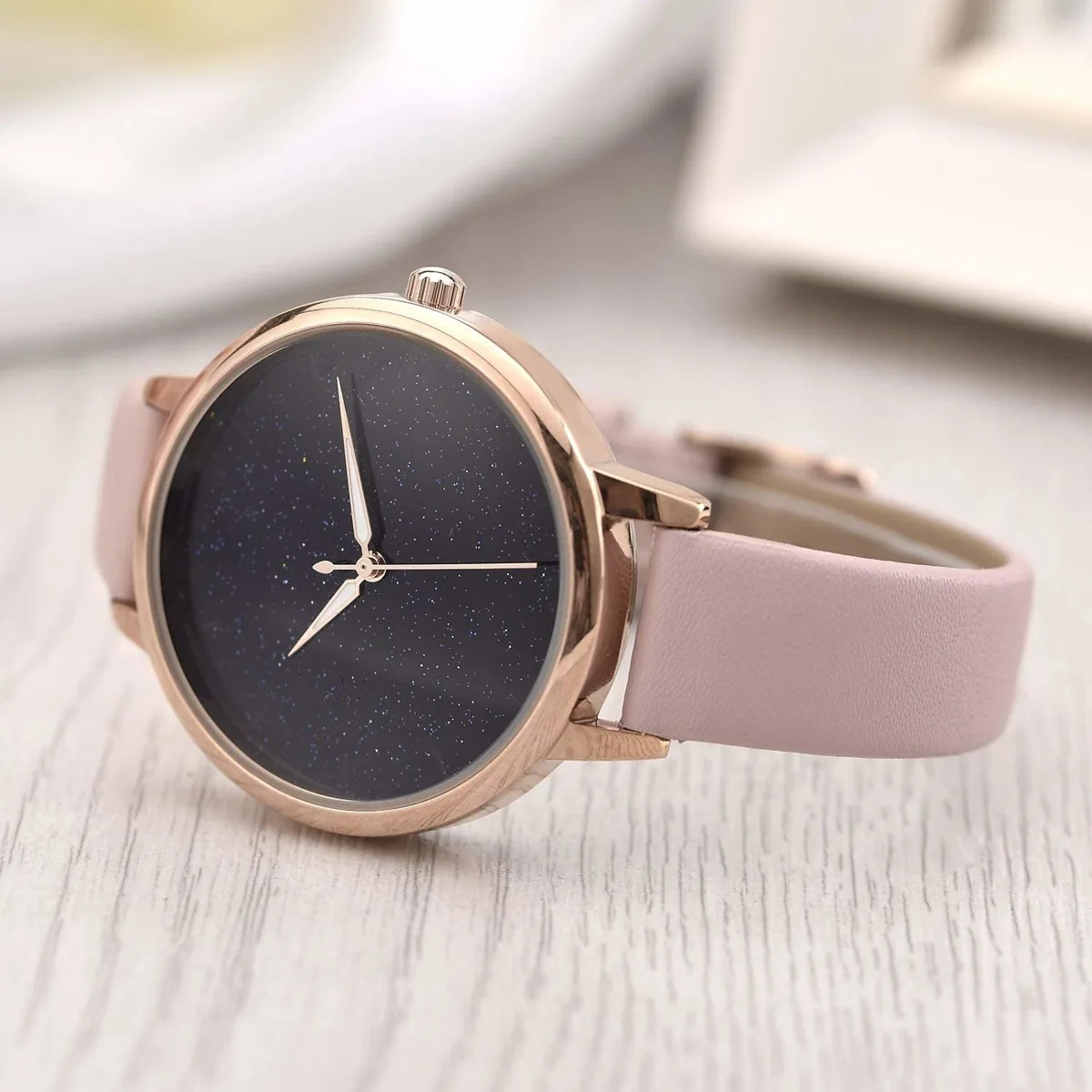
Measure your wrist first
Wrap a soft tape measure, or a strip of paper you can mark and measure against a ruler, around your wrist just above the wrist bone, where a watch actually sits. Keep it snug but comfortable. That one number makes every other choice easier.
As a rough guide, wrists under about 6.3 inches (16 cm) tend to look balanced with cases of around 32 to 36 mm. Wrists between about 6.3 and 7 inches (16 to 18 cm) suit roughly 36 to 42 mm, and larger wrists can carry 42 mm and up. One watchmaker’s rule of thumb is that the case should cover about two thirds of the width of the top of your wrist. Treat these as starting points rather than limits: a smaller watch on a larger wrist can look elegant and vintage, while an oversized one on a slim wrist is a deliberate fashion statement.
Look past the diameter
Case diameter is the number everyone quotes, but it does not tell the whole story. Two other measurements decide how a watch really wears.
Lug-to-lug length is the distance from the tip of the top lugs to the tip of the bottom ones, where the strap attaches. If it is longer than the width of the top of your wrist, the lugs will hang over the edges and the watch will look too big, whatever its diameter. Many brands list this measurement; if not, a quick try-on tells you.
Guides do not agree on one exact limit, but the ranges cluster. A wrist of about 6.5 inches (16.5 cm) usually wears a lug-to-lug of up to roughly 45 to 47 mm comfortably, and a 7-inch (18 cm) wrist up to about 48 to 50 mm. Another quick estimate is a lug-to-lug of around 28 percent of your wrist circumference. Lugs that curve down toward the wrist let a watch wear smaller than its numbers, while straight lugs and a flat-topped wrist make it wear bigger.
Thickness matters for comfort and for clothes. A slim case of around 10 mm or less slides under a shirt cuff or a fitted sweater sleeve, which makes it far easier to wear every day. Chunky sport and dive watches are often thicker, which suits their tough look but can snag on cuffs.
Shape plays a part too. Rectangular and tank-style cases look slimmer and dressier on the wrist, while round cases go with the widest range of clothes. Dial design changes perceived size as well: a white dial with a thin bezel looks bigger than a black dial of the same width.
Choose the strap for your life
The strap or bracelet changes the character of a watch more than anything else, and on most watches it can be swapped in minutes.
- Leather is classic and slightly dressier. It softens and molds to your wrist, but water, sweat and heat shorten its life, so it is best for office days and evenings.
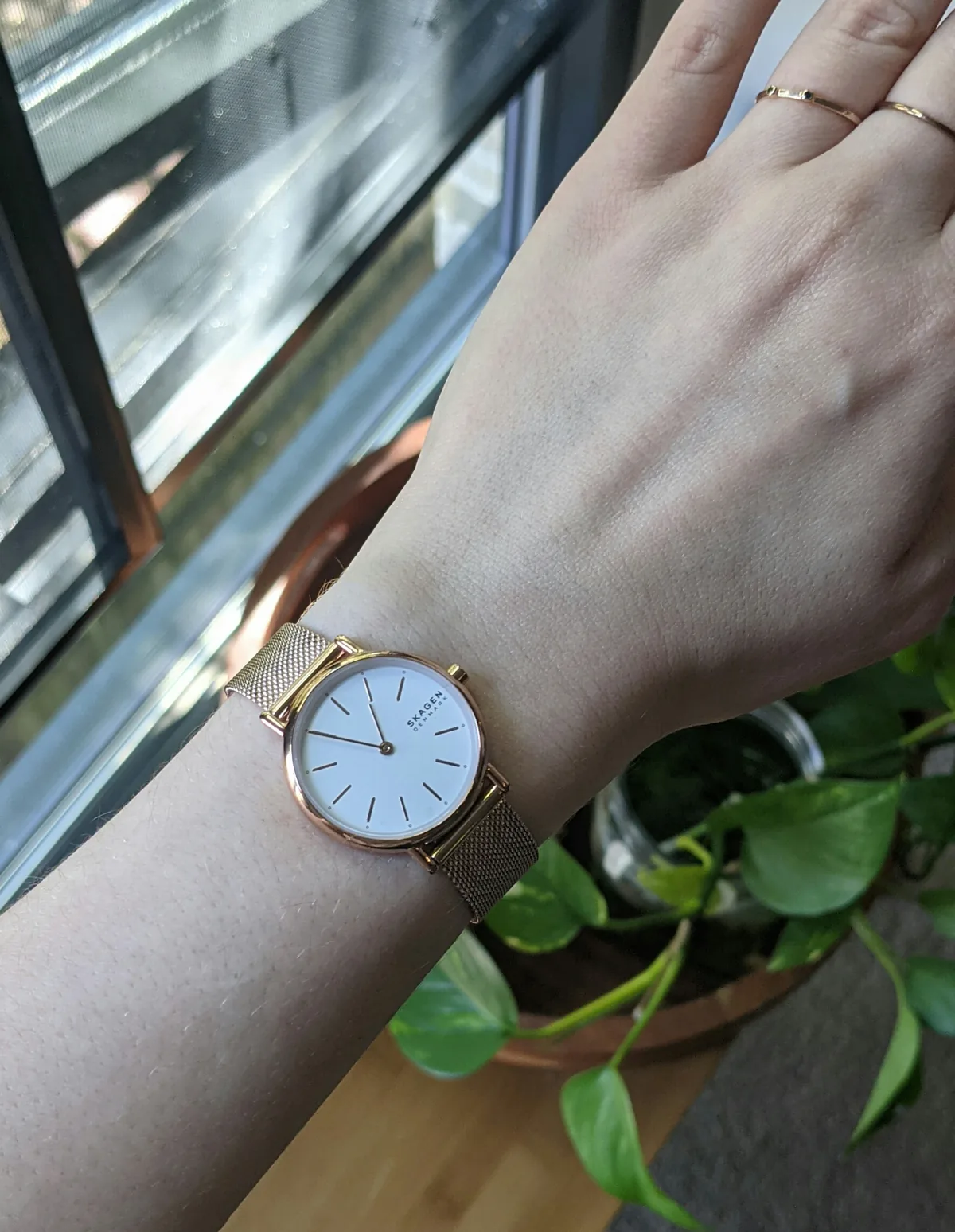
- Metal bracelets in steel or gold tone handle a T-shirt and a suit equally well and shrug off rain. Mesh bracelets are a lighter, more delicate take and adjust to almost any wrist.
- Fabric and nylon straps are casual, comfortable and the cheapest way to give one watch a new color for summer.
- Rubber and silicone straps are made for sport, swimming and sweaty days.
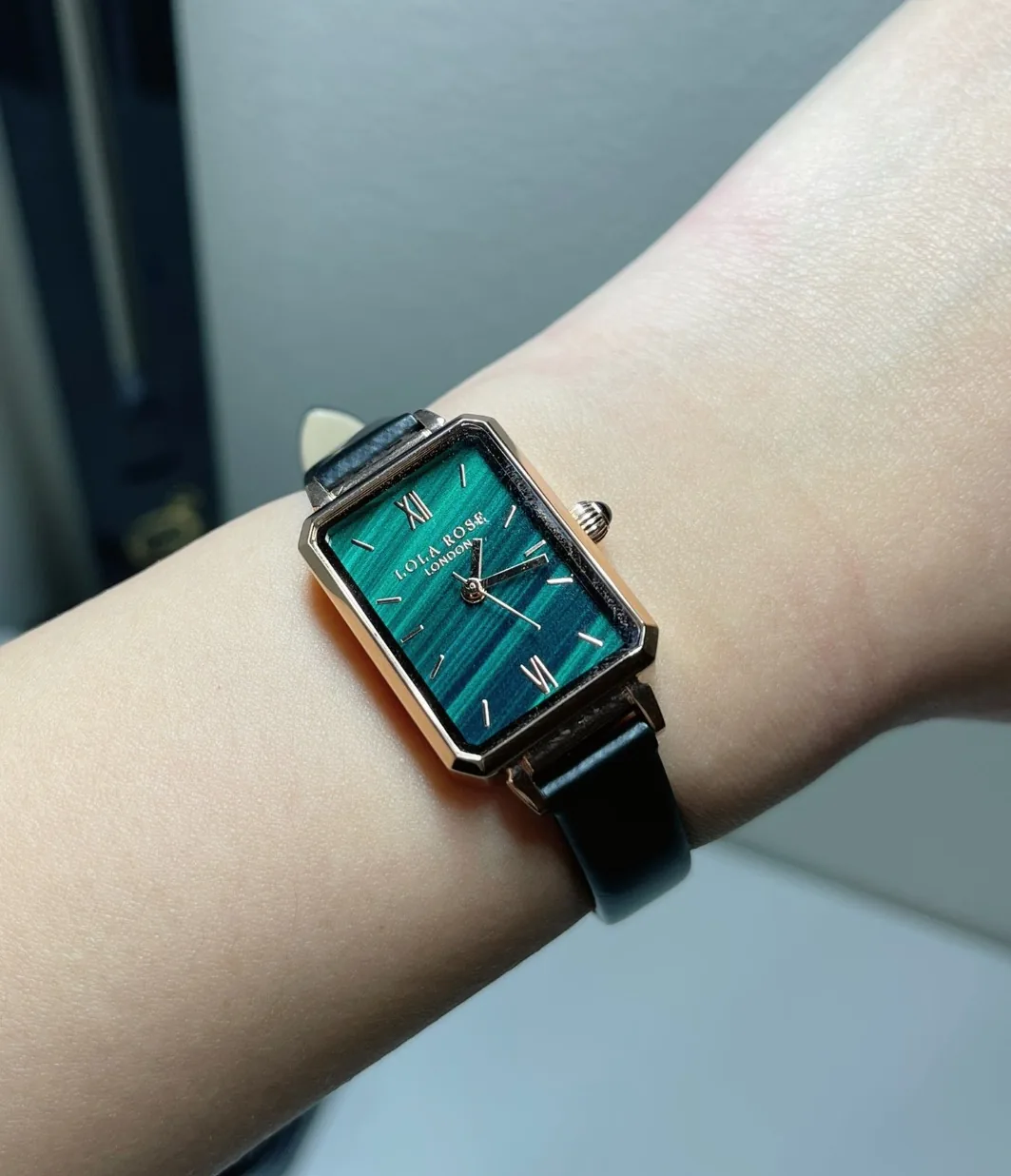
Strap width should suit the case. Small watches often take straps of 16 to 18 mm, medium watches 18 to 20 mm, and larger ones 20 mm and up. The lug width is usually listed in the watch’s specifications and often stamped on the back of the original strap, which makes buying spares easy. Look for quick-release spring bars, which let you change straps without tools.
As for fit, a watch should sit just above the wrist bone and move a little without sliding over it. You should be able to slip a finger under the strap. A metal bracelet can be adjusted by adding or removing links, which most jewelers and watch shops do in a few minutes.
Wrists swell a little in heat and later in the day, so size a bracelet in the afternoon, and if you fall between links, ask about half links or a clasp with micro-adjust holes. Traditionally a watch goes on the non-dominant wrist, the left for most people, where it takes fewer knocks and the crown on the right side is easy to reach. Left-handed wearers often prefer the right wrist. Either is fine; comfort is the only rule.
Quartz or mechanical?
Quartz watches run on a battery and a small vibrating crystal. They are very accurate, inexpensive to own, light and usually thinner, and they usually need only a new battery every two to five years. For a watch that simply works, quartz is hard to beat.
Mechanical watches are powered by a wound spring. Automatics wind themselves from the movement of your wrist; manual watches are wound by turning the crown. Many people love the craftsmanship and the smooth sweep of the seconds hand. The trade-offs are that they gain or lose a few seconds a day, stop if you leave them in a drawer for a day or two, and need servicing every several years.
If you mostly want a dependable accessory, choose quartz. If you enjoy the idea of a small machine on your wrist, a simple automatic is a lovely everyday companion.
Read the water resistance label properly
Water resistance ratings are based on lab pressure tests, not on how deep you can actually go, which confuses a lot of people. In everyday terms:
- 30 m (3 ATM): splashes, rain and hand washing, but not swimming.
- 50 m (5 ATM): a short, gentle swim in a pool, but not diving or water sports.
- 100 m (10 ATM): swimming and snorkeling.
- 200 m and up: water sports and recreational diving, especially with a screw-down crown.
Whatever the rating, do not press buttons or pull out the crown underwater, rinse the watch in fresh water after the sea or a chlorinated pool, and keep it out of hot showers, saunas and hot tubs, since heat and steam are hard on the seals. Seals also age, so an older watch is not as water resistant as it was on day one.
Pick a dial you will never tire of
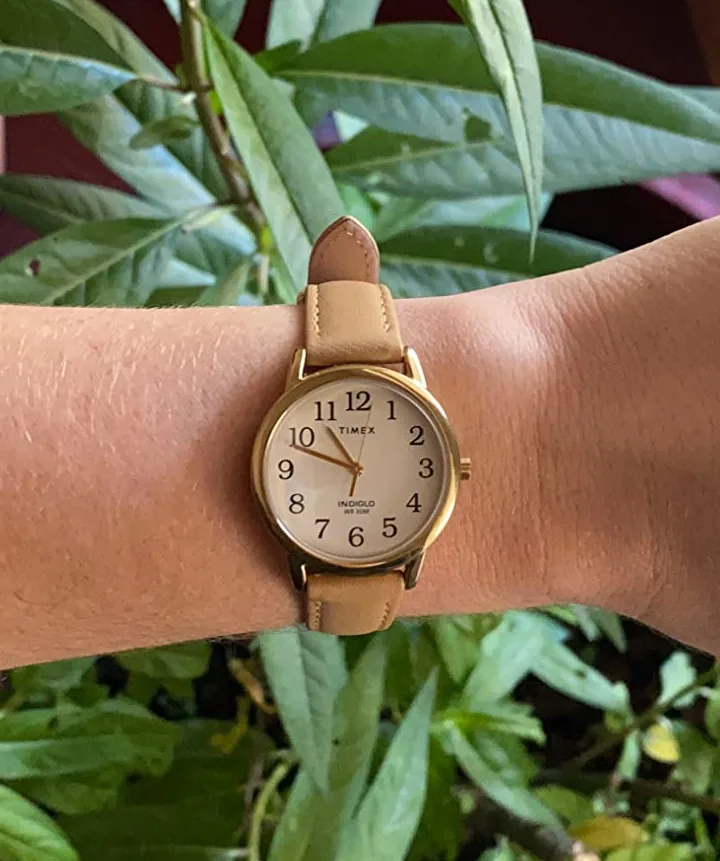
For a watch you will wear daily, readability comes first: clear hands and hour markers that you can read at a glance. Beyond that, color sets the mood. White, cream and silver dials are bright, classic and easy to dress up or down. Black is sleek and hides small marks. Blue and green feel a little more personal while still going with almost everything.
The glass over the dial matters too. Sapphire crystal is very scratch resistant and stays clear for years. Mineral glass is common and tougher than it looks, but it can scratch. Acrylic scratches easily, though light marks can often be polished out.
Make it match the rest of you
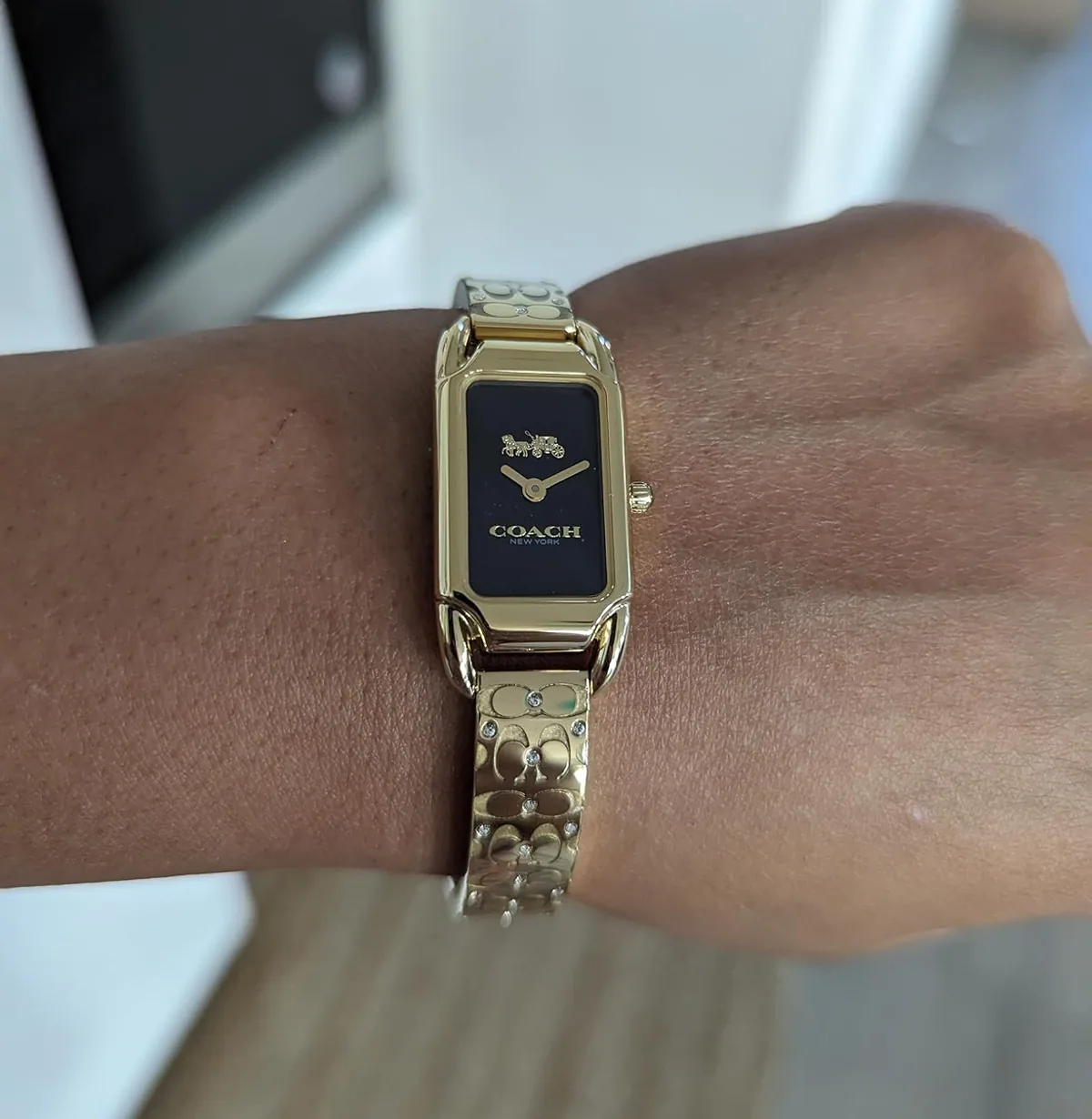
Treat the case like any other piece of jewelry. If you mostly wear gold, a gold-tone case will look at home; if you prefer silver, steel is the obvious match, and a steel watch with a few gold details bridges the two (more on that in our guide to mixing gold and silver). On dressier days, a brown leather strap with brown shoes and belt, or black with black, pulls the whole look together; our guide to matching belt and shoes covers the rest.
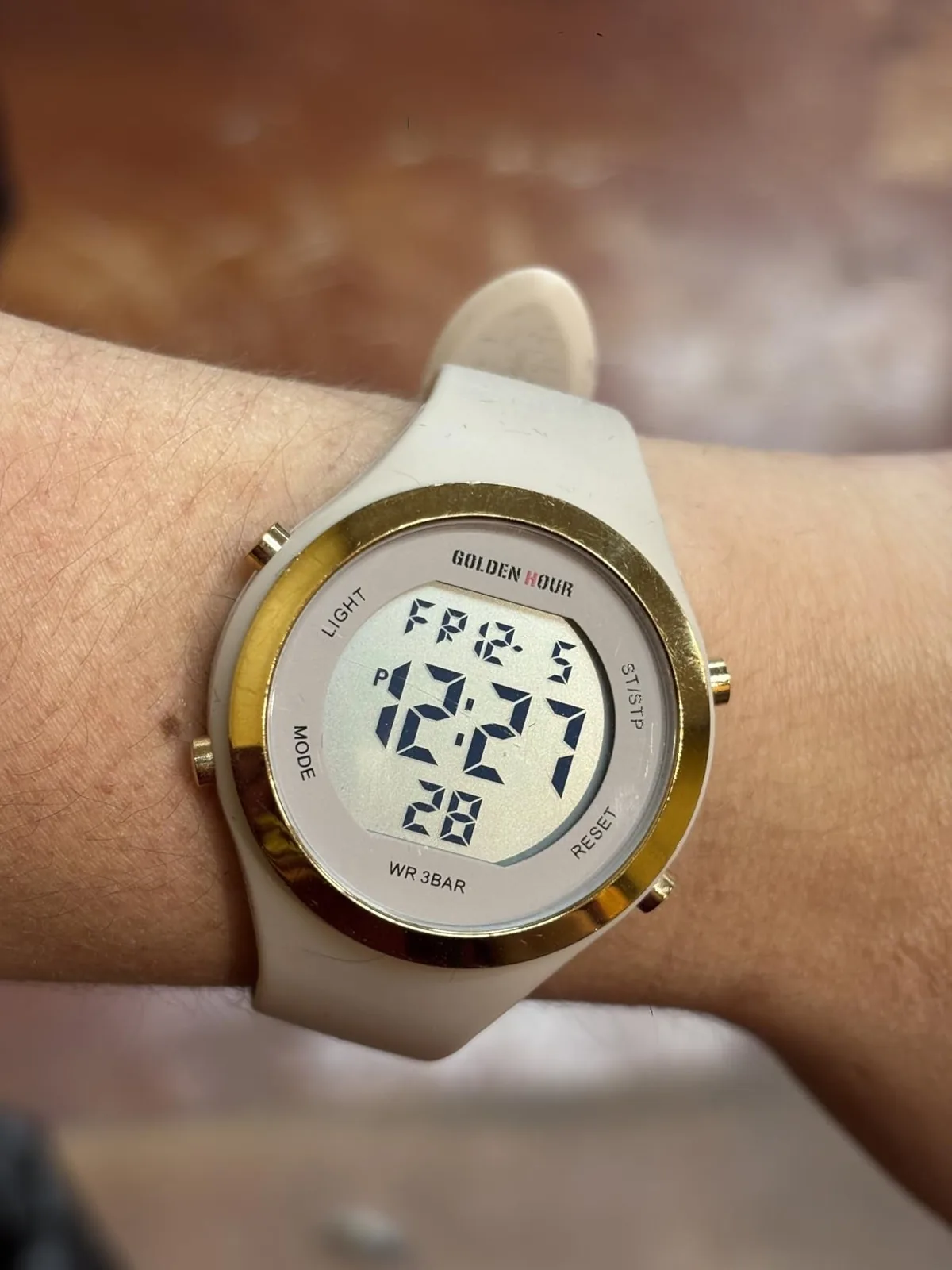
Smartwatches are worth a thought if you want fitness tracking and notifications. They tend to be thicker and more casual than a traditional watch, so some people keep one for workouts and weekdays and a simple analog watch for evenings and special plans.
Keep it running for years
- Quartz batteries usually last two to five years. Replace a dead one promptly, since an old battery can leak, and if the watch gets wet in daily life, ask for the seals to be checked or pressure tested, because opening the case back disturbs the gasket.
- Automatics typically run for about one and a half to two days off the wrist before stopping. If yours stops overnight, a few turns of the crown in the morning gets it going. Most makers suggest a full service roughly every five to seven years; your model’s manual is the best guide. A power reserve that drops to about half of what it used to be is a common sign that service is due.
- Magnets can make a mechanical watch suddenly run minutes fast. Phone speakers, magnetic bag clasps and laptop lids are the usual culprits. A watch shop can demagnetize it in moments.
- Leather straps last longer if you let them dry fully after a sweaty day and rotate them with a metal or fabric strap in summer.
Quick Answers
Can I shower with a watch rated 50 m? It will survive water, but hot water, steam and soap wear out the seals and leather, so it is better taken off.
Is sapphire crystal worth it? For a watch you wear every day, usually yes. It stays clear for years, while mineral glass collects fine scratches from desks and doorframes.
Is a small watch only for small wrists? No. Cases around 34 to 38 mm look clean and classic on most wrists, and smaller sizes have come back for everyone.
Before you decide
Try it on with the clothes you wear most. Check that the lugs stay inside the edges of your wrist, pull a shirt cuff or sweater sleeve over it, and judge it in a mirror from arm’s length, the way everyone else will see it. If it slips into your day without fuss and still pleases you when you glance down, you have found your everyday watch. For more ways to finish a look, browse our jewelry and accessories guides.