The right foundation shade is the one nobody notices. No line at the jaw, no gray cast in photos, no orange tint by mid-afternoon, just skin that looks like yours on a good day. Getting there is mostly a matter of separating two things that shade names tend to blur together, then testing in the right place and the right light.
Depth and undertone are two different questions
Every shade has two parts. Depth is how light or deep the color is: fair, light, medium, tan, deep. Undertone is the hue sitting underneath the surface, and it stays put when your depth shifts between a pale winter and a sun-kissed summer.
Undertones usually fall into one of four groups:
- Cool: skin leans pink, rosy or slightly blue.
- Warm: skin leans golden, peachy or yellow.
- Neutral: a balance of both, with no strong pull either way.
- Olive: a green-gray or muted golden cast that can make both warm and cool shades look a little off.
Most brands signal undertone in the shade name or code with letters like C, W, N or O, or words like rosy, golden and beige. Learning to read that code saves a lot of guessing.
A few quick undertone checks
None of these tests is perfect on its own, so use two or three together and look for agreement.
- Wrist veins. In daylight, look at the veins on the inside of your wrist. Mostly blue or purple suggests cool; greenish suggests warm or olive; hard to call suggests neutral. This one is easiest to read on lighter skin.
- The white test. Hold a plain white sheet of paper or a white T-shirt next to your bare face in daylight. Next to pure white, your skin will tend to look either pinker, more golden, or neither.
- Metals. If gold jewelry tends to flatter you, you may lean warm; if silver does, you may lean cool; if both look equally good, neutral is likely. Our guide to gold, silver or mixed metals walks through this test in more detail.
- How you react to sun. Skin that burns easily and turns pink often leans cool, while skin that tans readily often leans warm, though this varies a lot.
Narrow it down to three
Once you have a guess at your undertone, pick the shade you think matches best within that family, plus one a step lighter and one a step deeper. Three options is the sweet spot: enough to compare side by side, few enough that your eye can still tell them apart.
Swatch on the jaw, not the hand
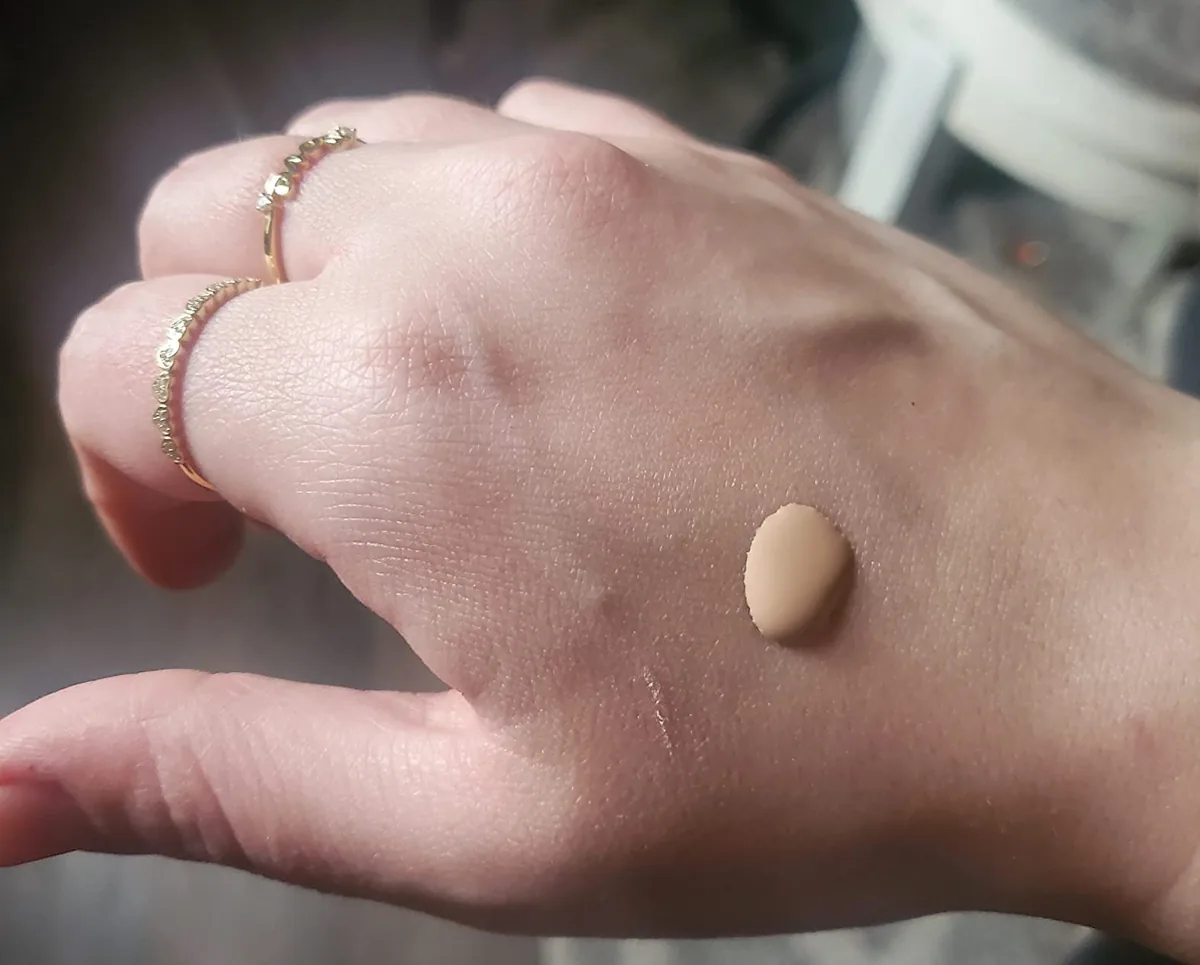
The back of the hand and the inside of the wrist are convenient, but they are often a different color from your face, sometimes by more than one shade. Your face is usually the area that sees the most sun and redness, while your neck is a touch lighter. The jawline sits right between them, which is why it is the place to test.
Start with clean, bare skin with no tinted products on it. Paint a short stripe of each of your three shades along the jaw, from cheek down onto the neck, and blend the edges slightly. If the color on your face varies a lot, for example red cheeks with a lighter forehead, still match to the jaw and neck; that is the transition you need to disappear. Concealer and color correction can handle the redness.
Daylight is the judge
Store lighting is designed to flatter products, not to show you the truth. Step outside or stand near a window and look straight ahead, then turn your head side to side. The right shade simply vanishes. The wrong ones will read as a stripe: pinkish, yellow, orange or ashy gray against the neck.
Then wait. Many formulas look slightly different once they dry, and some deepen or warm up after time on the skin, which is called oxidation. Check again after fifteen minutes or so, and if you can, wear the shade for a full day before buying a big bottle. A quick flash photo is worth taking too. A shade that photographs much lighter or grayer than your neck is not the one, and some sunscreen-heavy formulas reflect flash this way even when they match in person.
If it turns orange by lunch
A foundation that matches at 8 a.m. and looks orange or darker by noon is usually reacting with oil on your skin, which is why oily skin notices it most. Before you give up on the shade, try a few fixes:
- Let skincare and sunscreen settle for a few minutes before foundation goes on.
- Use a thin layer of a mattifying or silicone-based primer on oily areas to keep oil and pigment apart.
- Blot the T-zone with a tissue or blotting paper midday instead of adding more product.
- If it still shifts, pick the shade that matches after two or three hours of wear, which may be half a step lighter than the one that matched in the store.
When nothing is quite right
- Undertone looks right but it is a little light or dark: try the next step deeper or lighter in the same undertone family.
- Depth is right but it looks pink or orange: stay at the same depth and switch to a more neutral or the opposite undertone.
- Everything looks slightly gray or ashy on olive or deeper skin: look for shades labeled olive or with a golden or red base rather than a pink one.
- You fall between two shades: buy both and mix them, or use the deeper one only where your face is more tanned.
- Your face has more than one tone, common on deeper skin where the forehead and outer face can be deeper than the center: match the outer face and jaw, then use a concealer one shade lighter only where the center needs brightening, or a second, deeper foundation around the edges.
- Your face matches but your chest does not: if you wear open necklines often, sweep a little bronzer or a body tint down the neck so the change is gradual.
Buying a shade online
Shopping without a tester takes more homework, but it can be done well.
- Start from a shade you already know works. Many brand websites and retailer shade finders let you enter your current foundation and suggest the closest match in a new line.
- For virtual try-on tools, take the selfie facing a window in daylight, with no filter, no makeup and your hair pulled back.
- Read the shade description, not just the swatch photo. Screens shift color, while words like “light with neutral olive undertone” do not.
- Olive skin gets mismatched online often, usually pushed too golden. If you are olive, look specifically for shades labeled olive or neutral rather than warm.
- Check the return policy before you order, or buy a sample size of your top two options first.
Foundation, skin tint or tinted moisturizer?
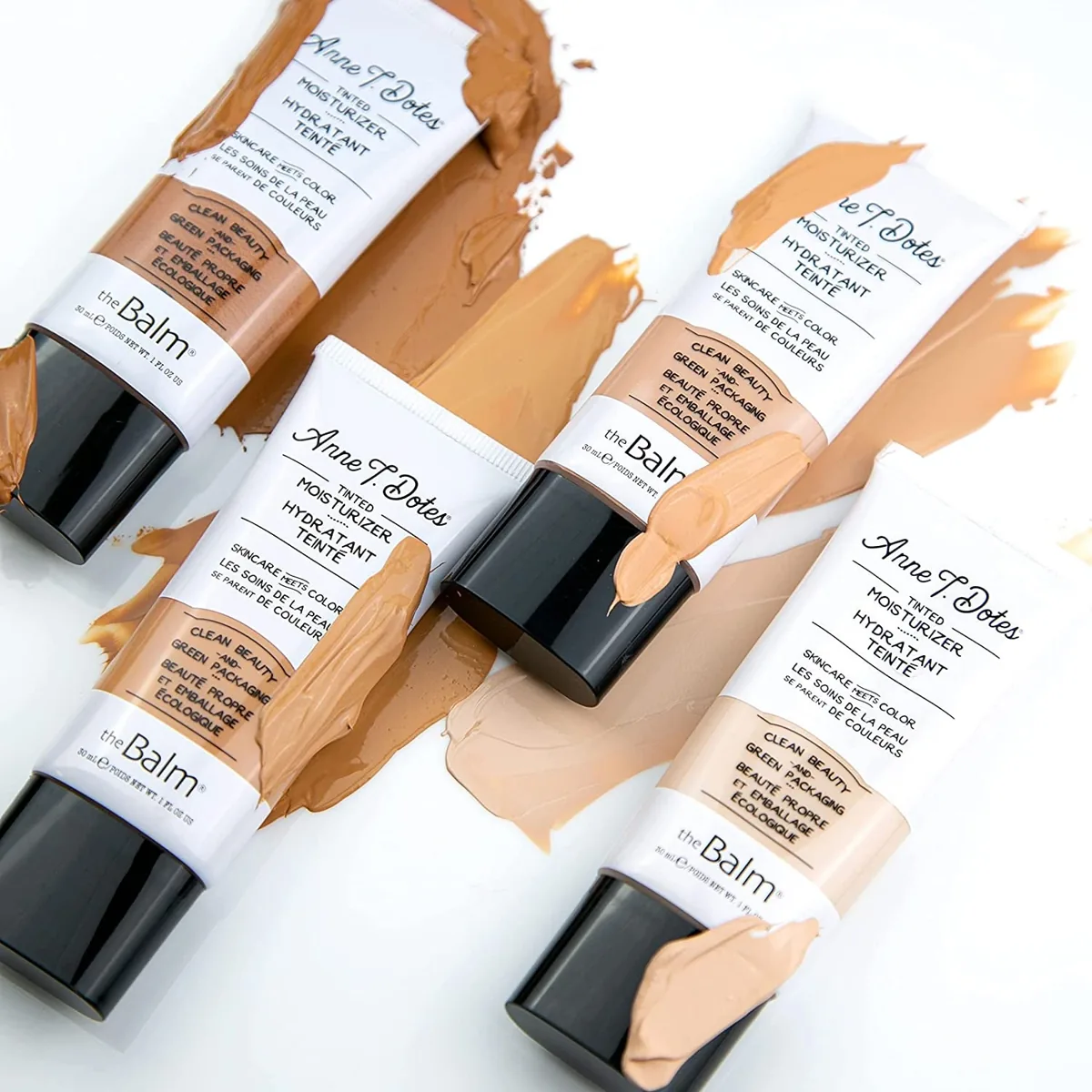
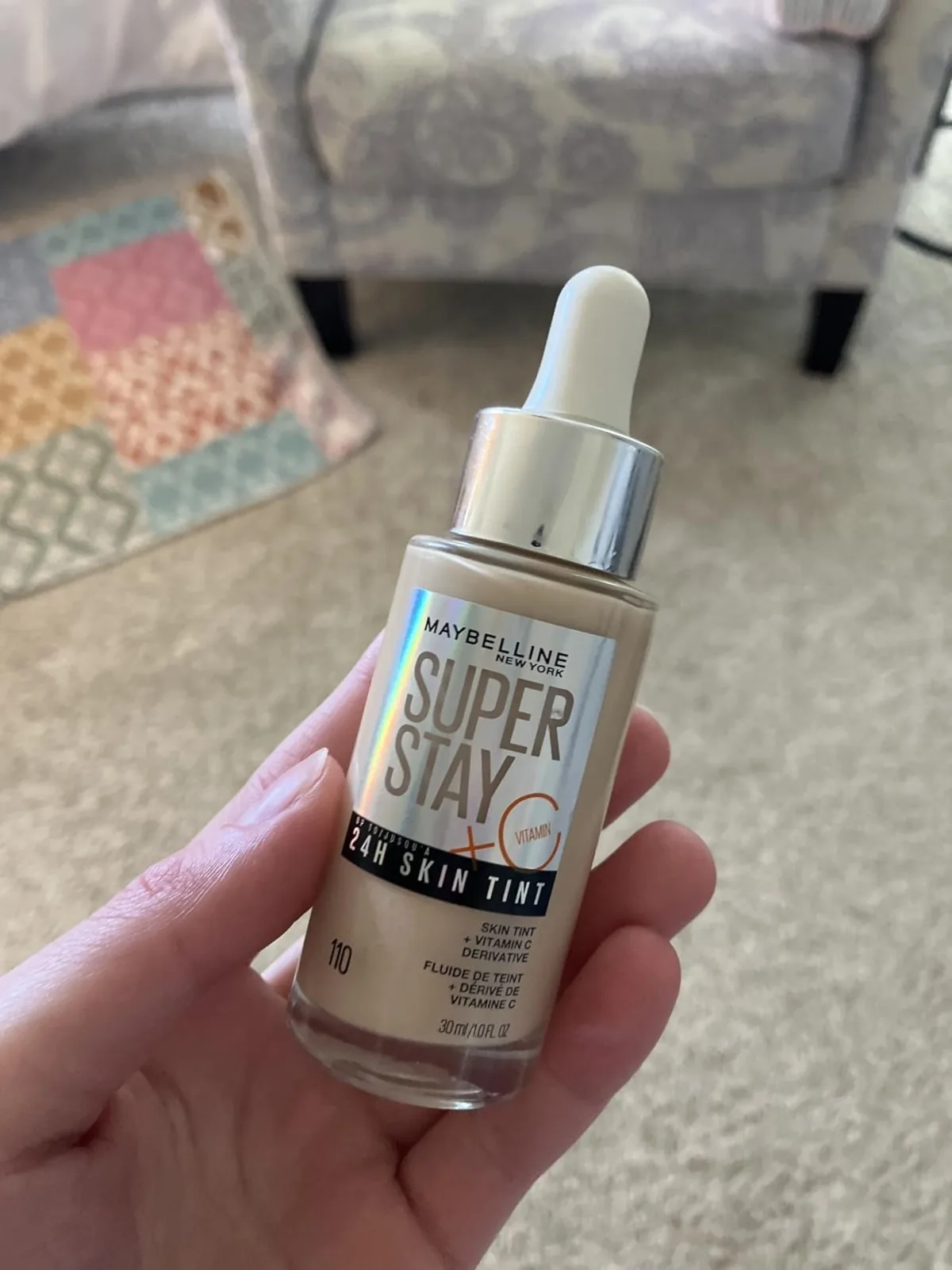
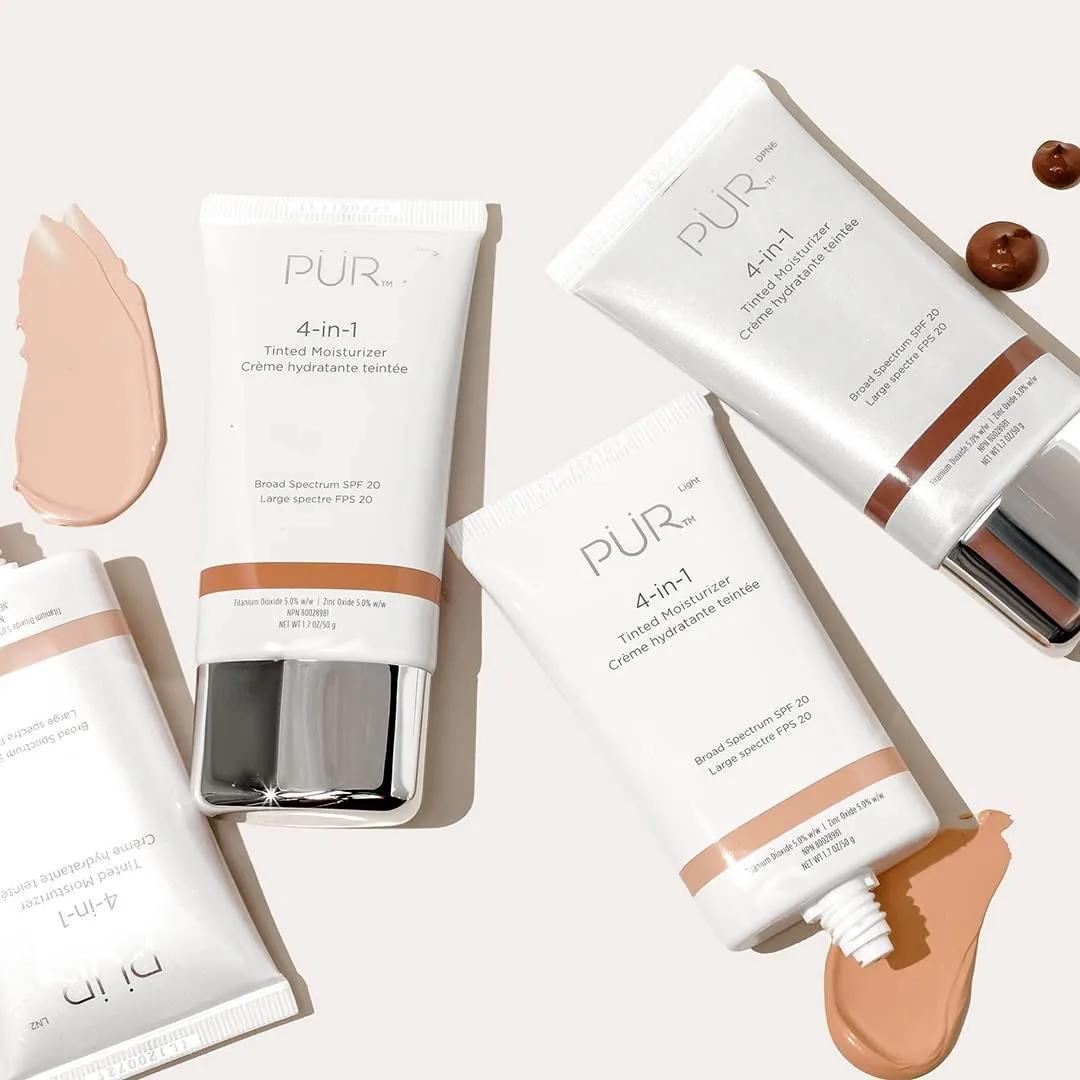
Coverage changes how precise your match needs to be. Sheer skin tints and tinted moisturizers let your own skin show through, so they are more forgiving if the shade is a touch off. Full-coverage foundations sit on top like a new layer, and any mismatch shows more clearly. If you are new to complexion products or between shades, a sheer formula is an easier place to start.
Shades change with the seasons
Many people are a little deeper in summer and lighter in winter, especially on the face. Rather than forcing one shade all year, keep two neighboring shades and mix them as your skin shifts. If you use self-tanner, match your foundation on freshly tanned skin, not in between applications.
Quick answers
Should I go a shade lighter to look brighter?
No. A foundation that is lighter than your skin tends to look chalky or gray, especially in photos. Match your skin, then brighten just under the eyes or down the center of the face with a concealer that is about one shade lighter.
Should foundation match my face or my neck?
The point where they meet. That is why the jaw stripe works: a shade that disappears there blends into both. If your face and neck are very different, lean toward the neck and warm the face up with bronzer or blush rather than the other way around.
Does what I wear underneath change the color?
It can. A tinted sunscreen, a color-correcting primer or a self-tanning moisturizer all shift the final result, so test foundation over the base you actually wear each morning, not on bare skin, if your routine includes one of these.
The last check
Before you commit, do one honest walk to a window with a mirror. If you cannot tell where your foundation ends and your neck begins, you have found it. Once your shade is sorted, the rest of a natural face comes together quickly; our busy-morning makeup routine shows how, and if you are unsure what your skin needs underneath, start with how to find your skin type.