Picture a normal weekday. Coffee is brewing, your bag is half packed, and you have roughly the time it takes the kettle to boil to look awake. This is the routine for exactly that window. It skips full-coverage foundation, eyeshadow and contour, and focuses on the handful of moves that change your face the most: even skin, a bit of warmth, defined eyes and a lip that looks cared for.
Before you start: set yourself up to be fast
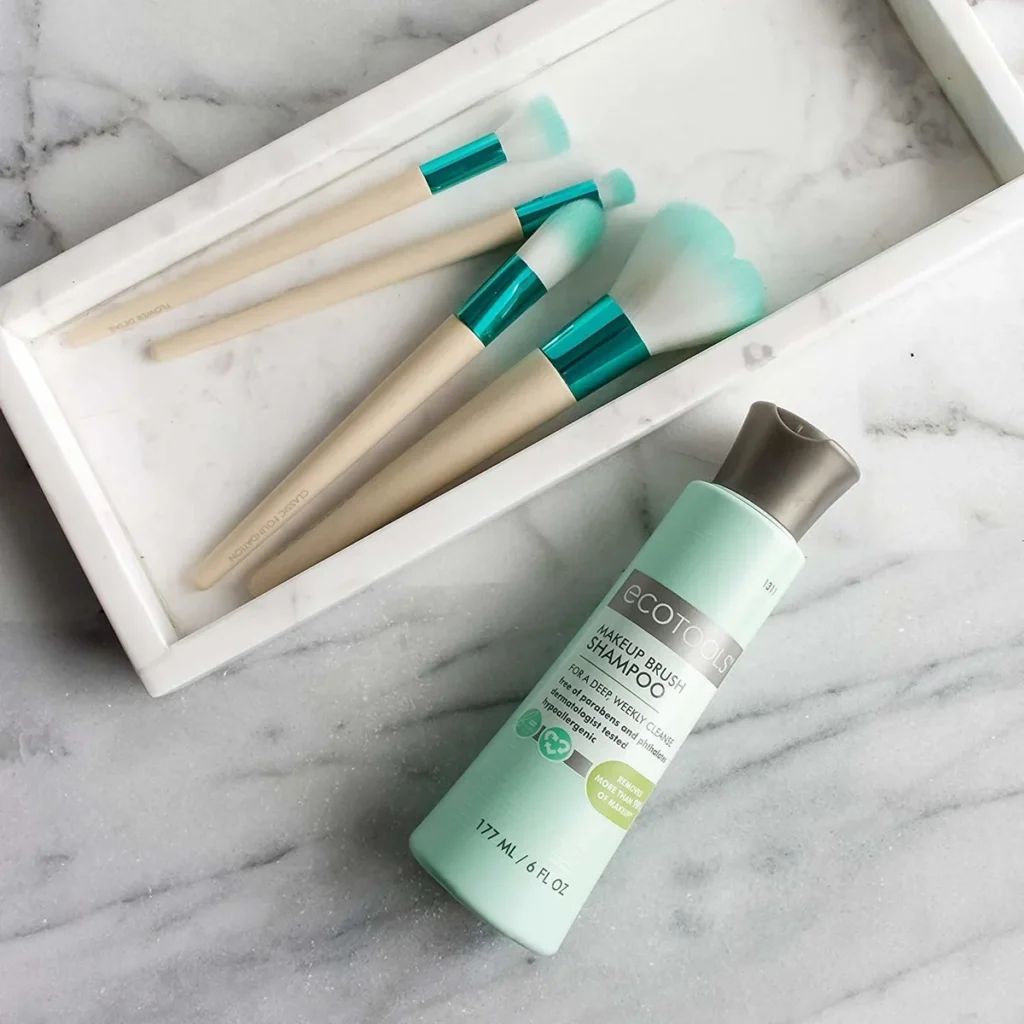
Speed is mostly decided the night before, not at the mirror. Pull the products you use every day out of the big makeup bag and keep them together in one small pouch or tray, so you are not digging past glitter shadows you wore once. Clear out anything expired while you are at it; old mascara and dried-out concealer slow you down and can irritate skin. Our guide to cleaning brushes and replacing makeup covers what to toss and when.
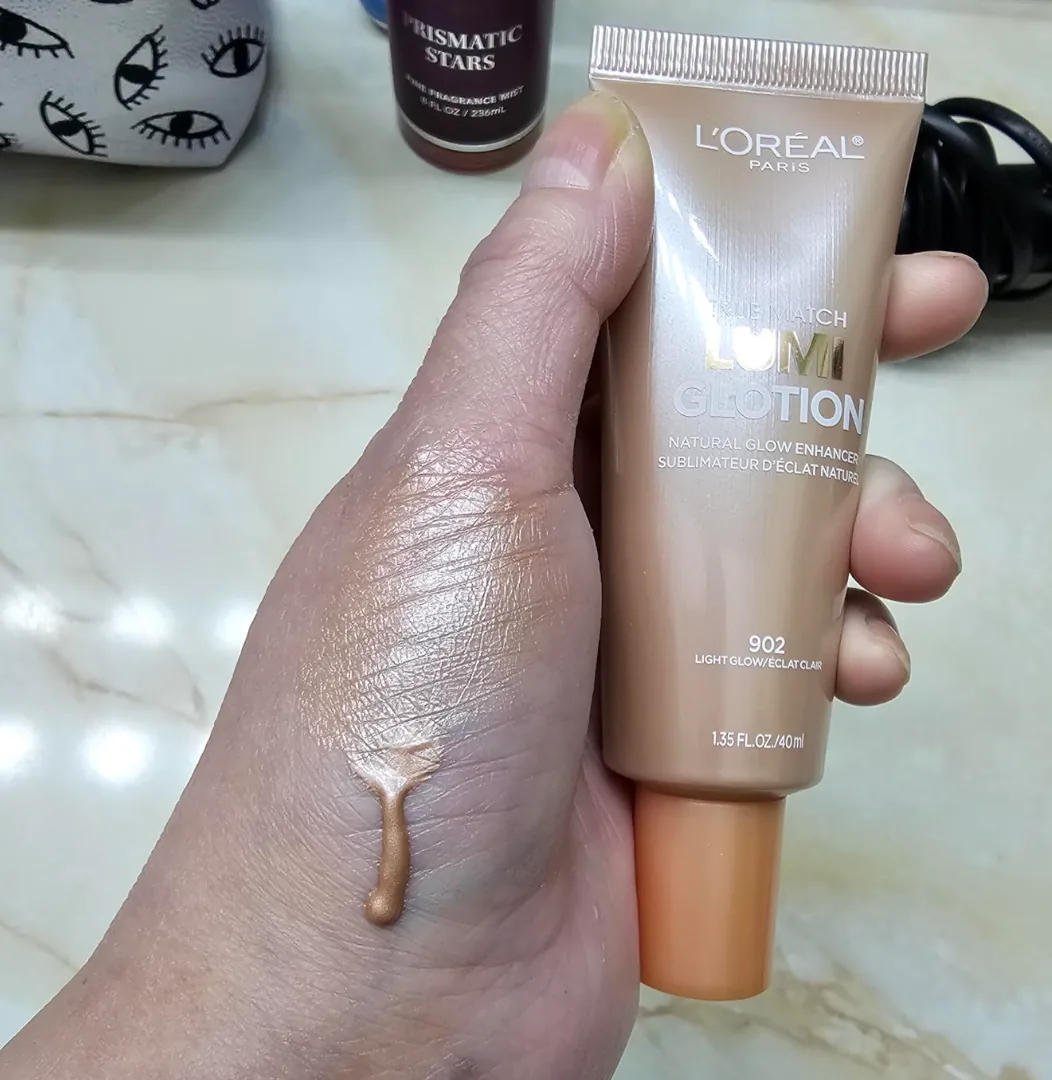
Next, choose products that do more than one job. A tinted moisturizer or skin tint with SPF covers hydration, a little coverage and a backup layer of sun protection. A cream blush can warm up your cheeks and your lips. A brow gel with tint grooms and fills at once. Fewer products means fewer decisions at seven in the morning.
Finally, let your fingers do the work. Cream and liquid formulas melt in faster with the warmth of your fingertips than with most brushes, and there is nothing to wash afterward. Wash your hands first, though, since your fingertips are going straight into creams and near your eyes.
The routine
Skin first, but keep it sheer
After your usual moisturizer and sunscreen, dot a skin tint or tinted moisturizer on your forehead, cheeks, nose and chin. A small amount, about the size of a dime, is usually plenty. Smooth it outward from the center of your face like you would a moisturizer. The goal is not to hide your skin but to even out redness so the rest of your makeup has a calm canvas.
Concealer only where you need it
Instead of covering your whole face, place concealer exactly where it matters: the inner corners of the eyes, the shadow beside the nose, around the nostrils and on any spots. Tap it in with your ring finger, which is naturally the gentlest. Tapping keeps the product in place; rubbing slides it away.
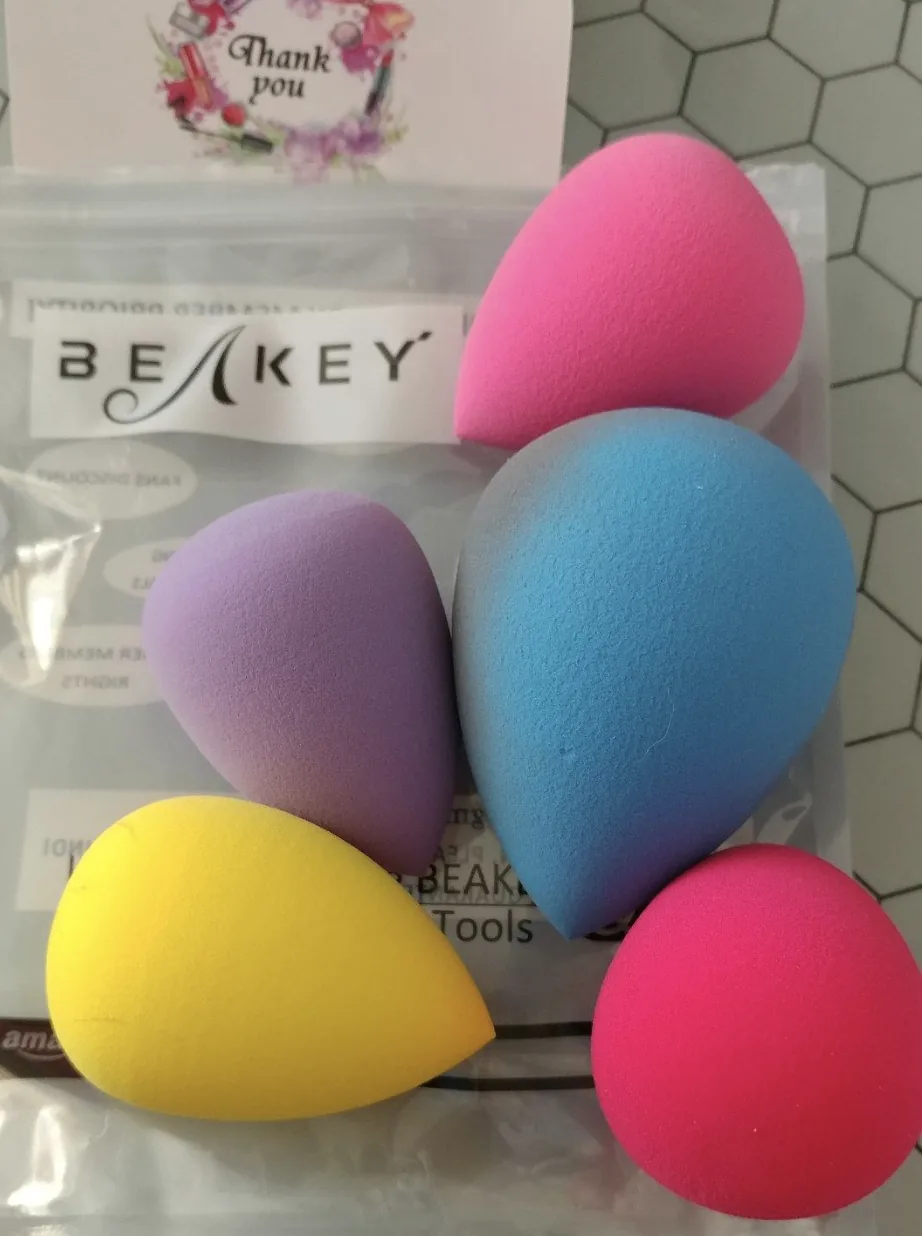
If you prefer a tool, a damp makeup sponge does both base and concealer in one go and leaves a skin-like finish. Squeeze it out well so it is moist, not wet, and bounce it over the skin instead of dragging.
A wash of cream color
Cream blush is the step that makes the biggest difference for the least effort. Smile slightly, dab a little on the fullest part of each cheek and blend up and back toward your temples. Then press what is left on your fingertip onto your lips. Matching cheeks and lips looks deliberate and pulls the face together, and it means one less product to carry.
Brows, briefly
Brush your brows up with a tinted gel, or fill sparse spots with light, hair-like strokes of pencil before brushing through. Groomed brows frame the face so well that many people find they can skip eye makeup entirely on rushed days.
Mascara to finish the eyes
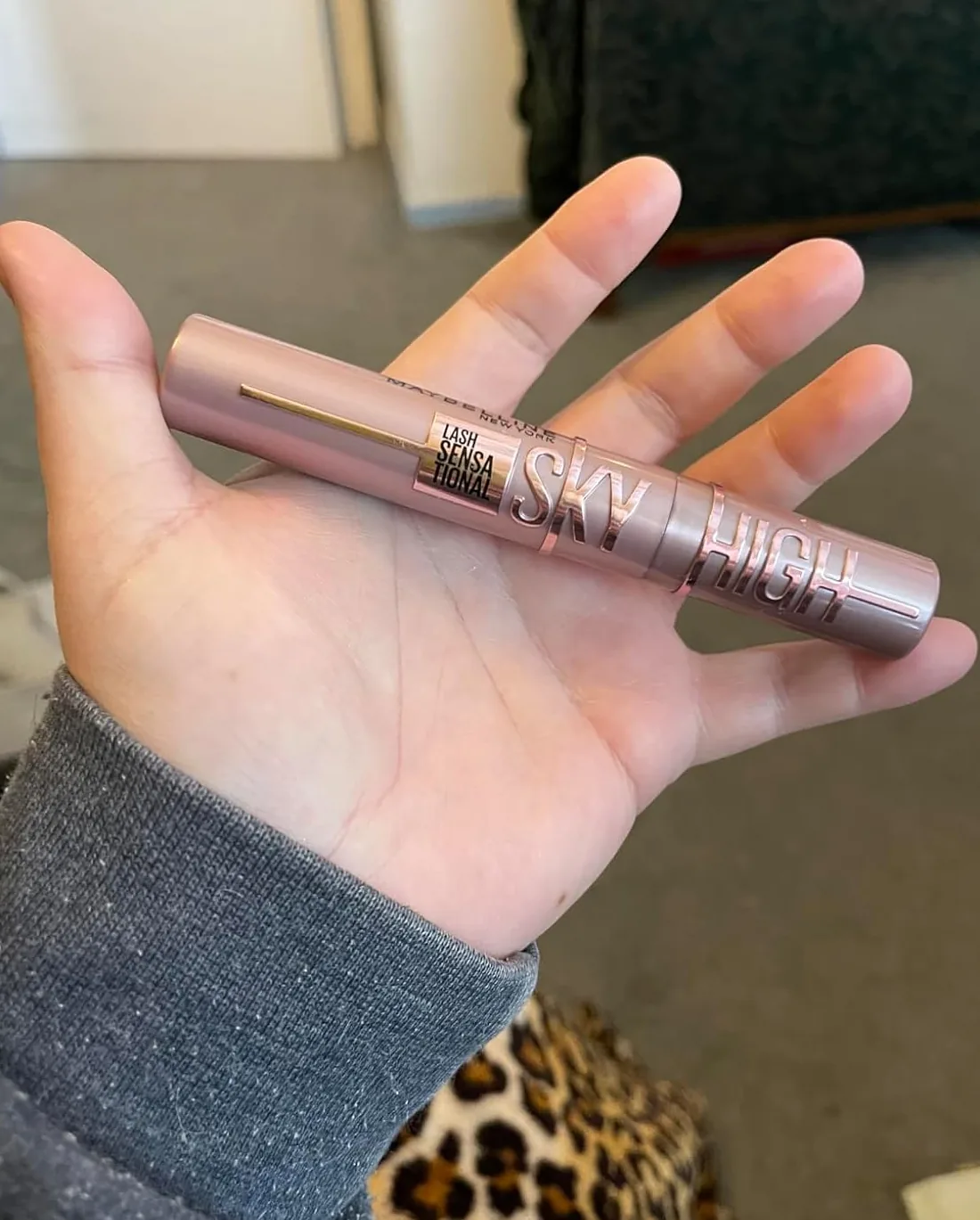
If you have an extra moment, curl your lashes first; it opens up the eye more than you would expect. Then wiggle the mascara wand at the root of the lashes and pull up and out to the tips. One coat looks natural, and a second coat on the outer lashes adds lift. Tubing mascaras, which wrap each lash in a film rather than painting it, are worth a try if you deal with smudging under the eyes by afternoon, since they tend to stay put and come off with warm water.
Lips and a quick check
If the blush-on-lips trick is not your style, a tinted balm or sheer lip oil is the fastest finish there is. Take one step back from the mirror before you go. From a normal speaking distance, does anything look patchy, too pink or too heavy? Fix that single thing and leave the rest.
Three versions, depending on the clock
Not every morning gives you the same window, so it helps to know in advance what to drop.
- About two minutes: sunscreen, concealer tapped only on the inner corners of the eyes and any spot, tinted brow gel and a tinted balm. That alone reads as rested.
- About five minutes: the full routine above, from skin tint through mascara and a quick check.
- About ten minutes: add curled lashes, a sweep of a neutral cream or powder shadow across the lids with a fingertip, and translucent powder on the T-zone so it lasts through a long day.
Whatever the version, do it before you leave rather than on the way. Applying mascara or liner in a moving car, even as a passenger, risks scratching your eye with one bump in the road.
Making it last until evening
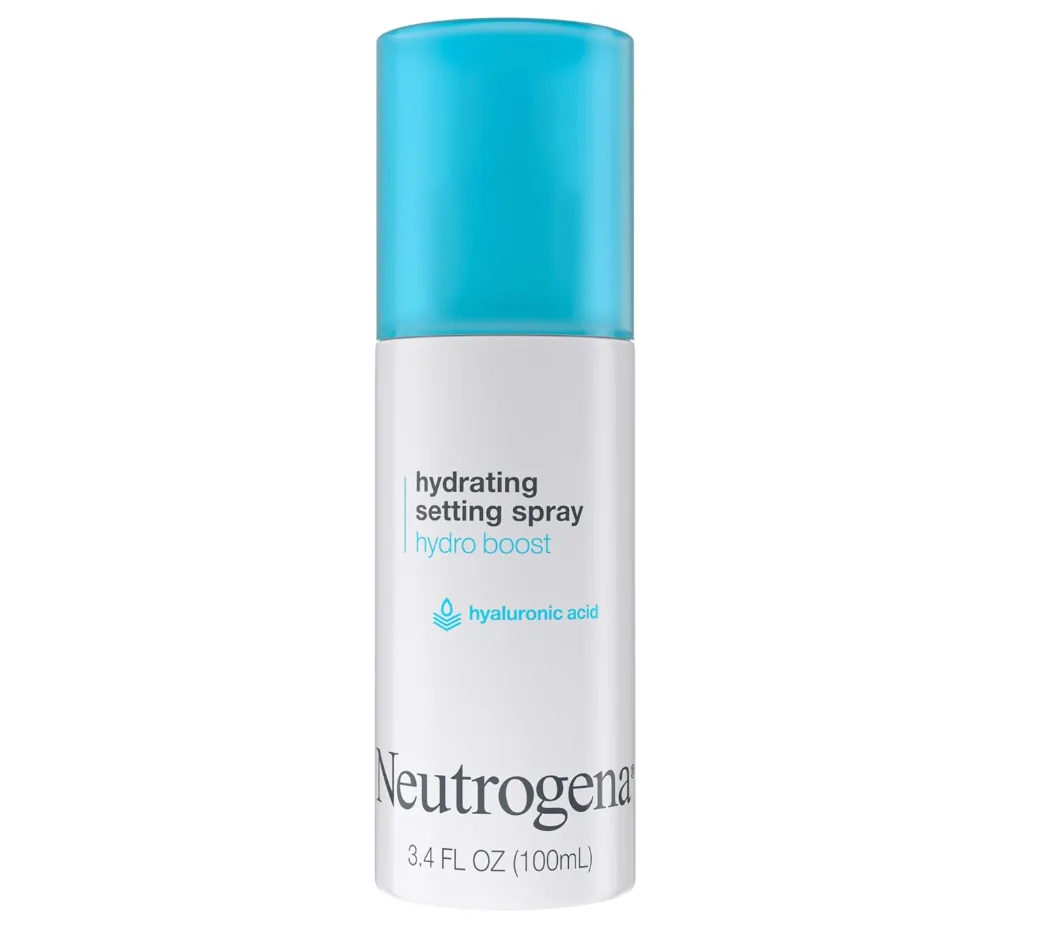
Quick makeup does not have to fade by lunch. If your skin gets shiny, press a light layer of translucent powder only on your forehead, nose and chin, leaving cheeks glowy. A setting spray misted over the face at arm’s length helps cream products grip and takes the powdery edge off. Both steps add seconds, not minutes.
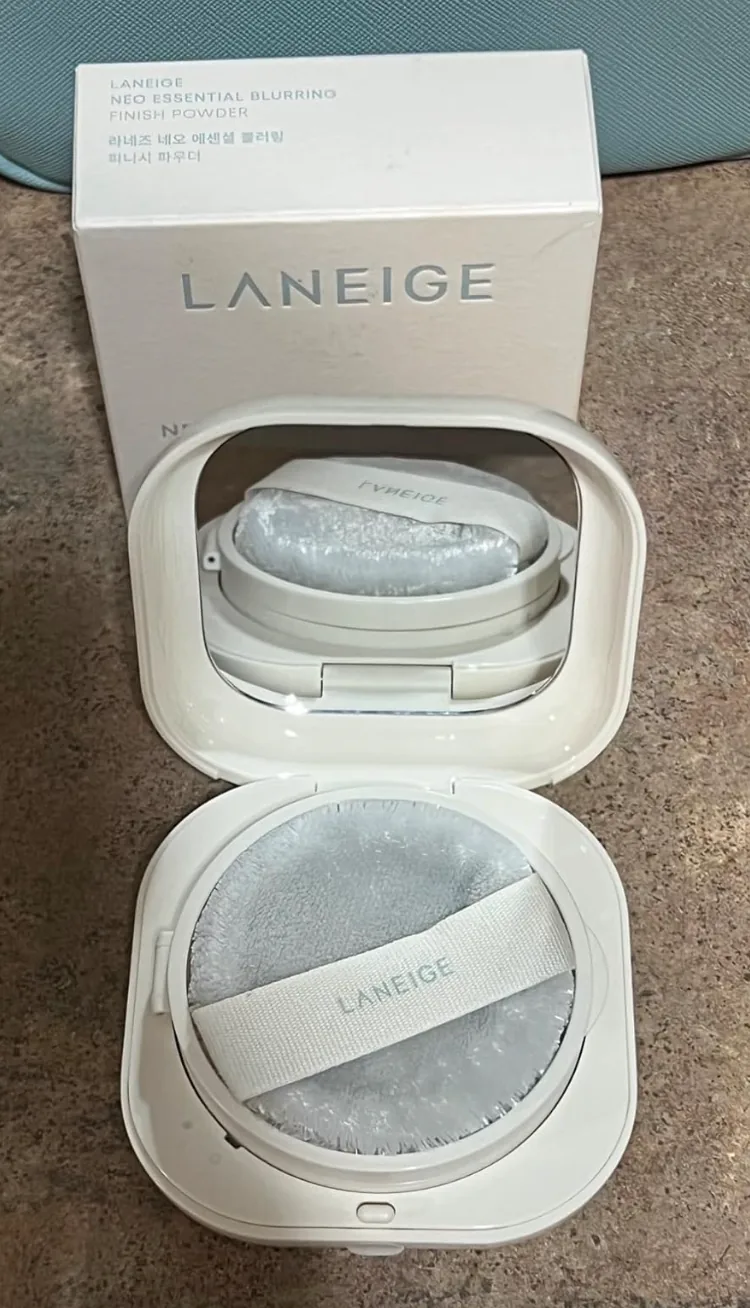
For touch-ups, keep the routine’s own products in your bag: concealer for a stray spot, cream blush for color, balm for lips. Blotting papers lift shine without piling on more powder.
Adjusting it for your skin
- Oily skin: skip a dewy tint in favor of a satin or natural finish, and use powder on the T-zone.
- Dry skin: add a hydrating layer under your base, and go easy on powder, which can cling to dry patches.
- Mature skin: cream blush and a sheer, luminous base usually sit more softly than powders and heavy foundation.
- Sensitive skin: patch-test new products before using them all over, stick to fragrance-free formulas where you can, and keep sponges and brushes clean.
- Breakout-prone skin: look for “non-comedogenic,” “oil-free” or “won’t clog pores” on the label of your tint, concealer and sunscreen. The term is not tightly regulated, so treat it as a helpful filter rather than a guarantee.
- Glasses: curl your lashes so they do not brush the lenses, and pick a lengthening or tubing mascara over a heavy volumizing one. Set concealer where your frames and nose pads sit, since they tend to rub it off.
Quick answers
Do I need a primer?
For a quick, sheer routine, usually not. Moisturizer and sunscreen already give the base something to grip. A primer earns its spot if your tint slides off an oily T-zone by noon or settles into large pores.
Should I curl my lashes before or after mascara?
Before. Curling lashes that are already coated can make them stick to the curler and pull or snap. Hold the curler at the base for a few seconds, then apply mascara right away so the curl sets.
Is it really that bad to sleep in light makeup?
It is worth avoiding. Dermatologists point out that even non-comedogenic makeup can lead to breakouts if you sleep in it. On nights when a proper wash feels impossible, a gentle makeup wipe is a far better fallback than nothing.
Practice makes it quick
The first few mornings may take longer than you hoped, and that is normal. After a week or so, the order becomes automatic and your hands stop hesitating. Save the bold liner and the full palette for evenings and weekends, and let this routine handle the rest. Good makeup sits best on prepared skin, so if you are still figuring out the steps underneath, our skincare order guide is a helpful starting point, and you can browse more ideas in our Beauty section.