Serum before or after moisturizer? Where does sunscreen go, and what about the acid toner? Good products can pill, sting or simply do less when they go on in the wrong order, but layering follows one practical idea: each step should be able to reach your skin, and the last step should protect everything underneath it. Once that clicks, you can build a routine from whatever is already on your shelf.
The rule that explains almost everything
Go from the thinnest texture to the thickest. Watery liquids first, then lighter serums, then creams, then oils or balms if you use them. Thin formulas sink in quickly; rich ones form a soft film on top. Put a heavy cream down first and the serum you apply over it mostly sits on the surface or ends up on your pillowcase.
The one exception is sunscreen in the morning. Even though many sunscreens feel lighter than a moisturizer, sunscreen always goes last in a daytime routine (before makeup), because it needs to form an even layer on top of your skin to do its job.
Morning: keep it light, finish with protection
Morning routines are about getting your face clean, hydrated and shielded for the day. Fewer steps usually work better here, since you probably want makeup to sit nicely and you do not have much time anyway.
Step one: a gentle cleanse
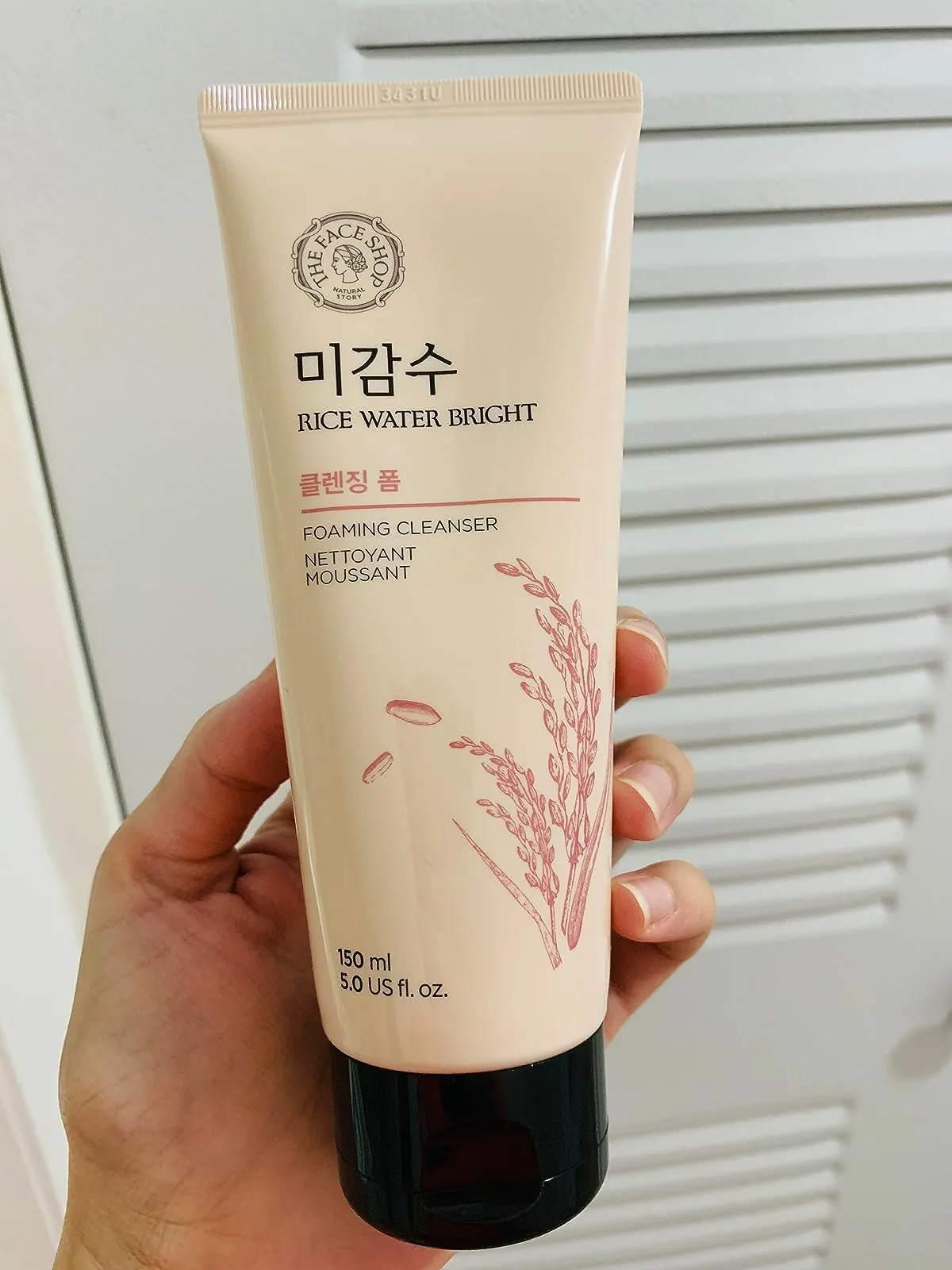
If your skin feels oily or you used rich products overnight, wash with a mild, low-foam cleanser. If your skin is dry or sensitive, a splash of lukewarm water can be enough. Skip anything that leaves your face squeaky and tight; that feeling usually means the cleanser stripped more than dirt.
Step two: toner or essence, if you like one
Modern toners are less about astringent alcohol and more about adding a first layer of water-based hydration. Pat a few drops in with your palms or sweep them on with a pad. This step is optional. If your routine already feels like plenty, leave it out and nothing bad happens.
Step three: a targeted serum
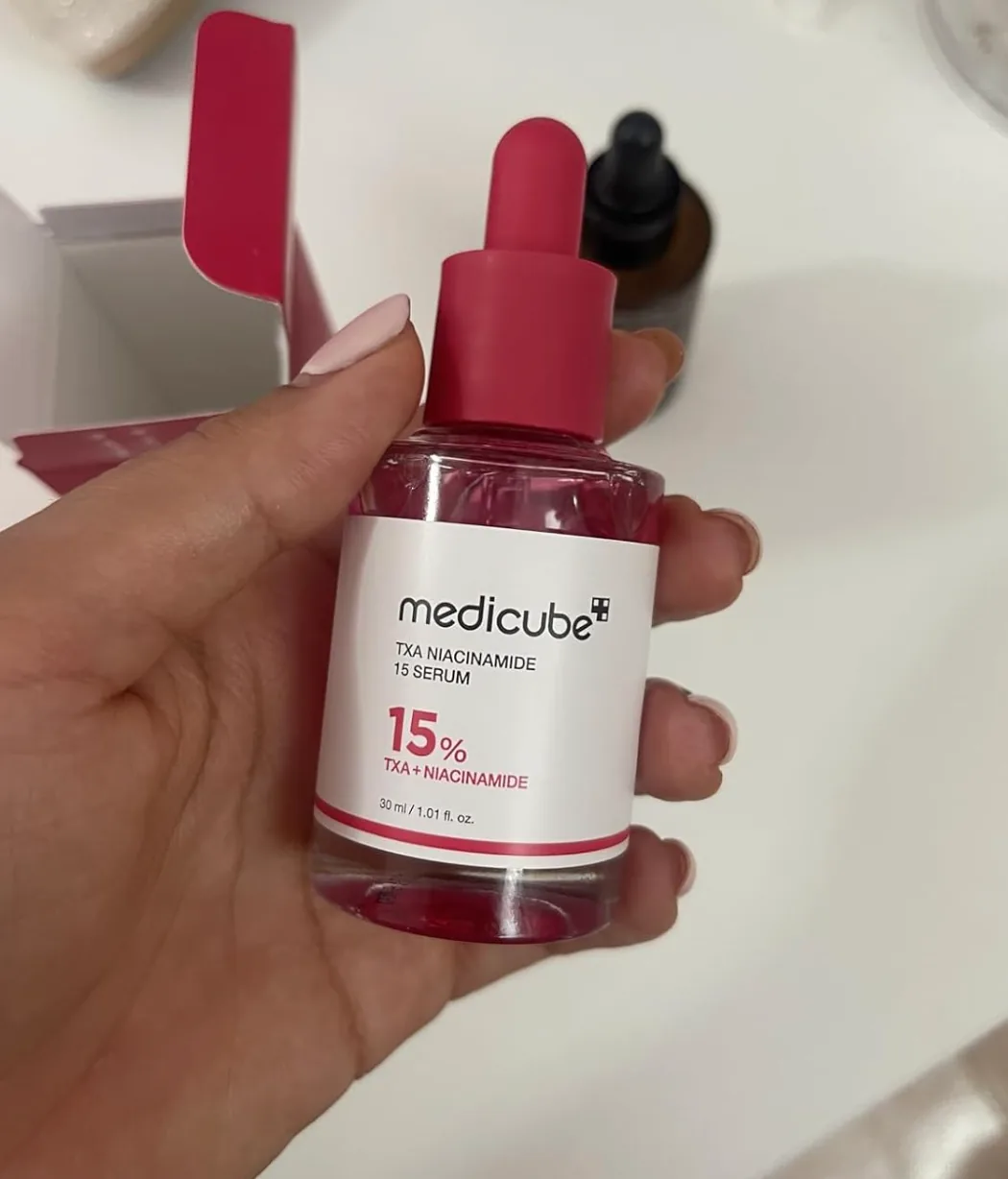
Serums are concentrated and thin, so they belong right after cleansing and toning. In the morning, antioxidant serums (vitamin C is the classic example) and calming or brightening formulas with ingredients like niacinamide fit well. Use one or two at most. If you stack many serums, the layers tend to pill and roll off.
Step four: eye cream and moisturizer
Eye cream, if you use it, goes on before your face moisturizer so the richer cream does not block it. Tap it gently along the orbital bone rather than right at the lash line. Then smooth on moisturizer to keep water in your skin and give everything a soft finish.
Step five: sunscreen, every time
Sunscreen is the final skincare step, every morning, even on cloudy days or when you mostly sit by a window. Use enough to cover your whole face, neck and ears; most people apply far less than the amount products are tested with. Give it a few minutes to set before makeup so your foundation does not slide it around. Our everyday sunscreen guide covers SPF, formulas and how much to use.
Evening: clean thoroughly, then treat
Nighttime is when you can use richer textures and the stronger treatment products that do not belong under daytime sun.
Step one: remove the day
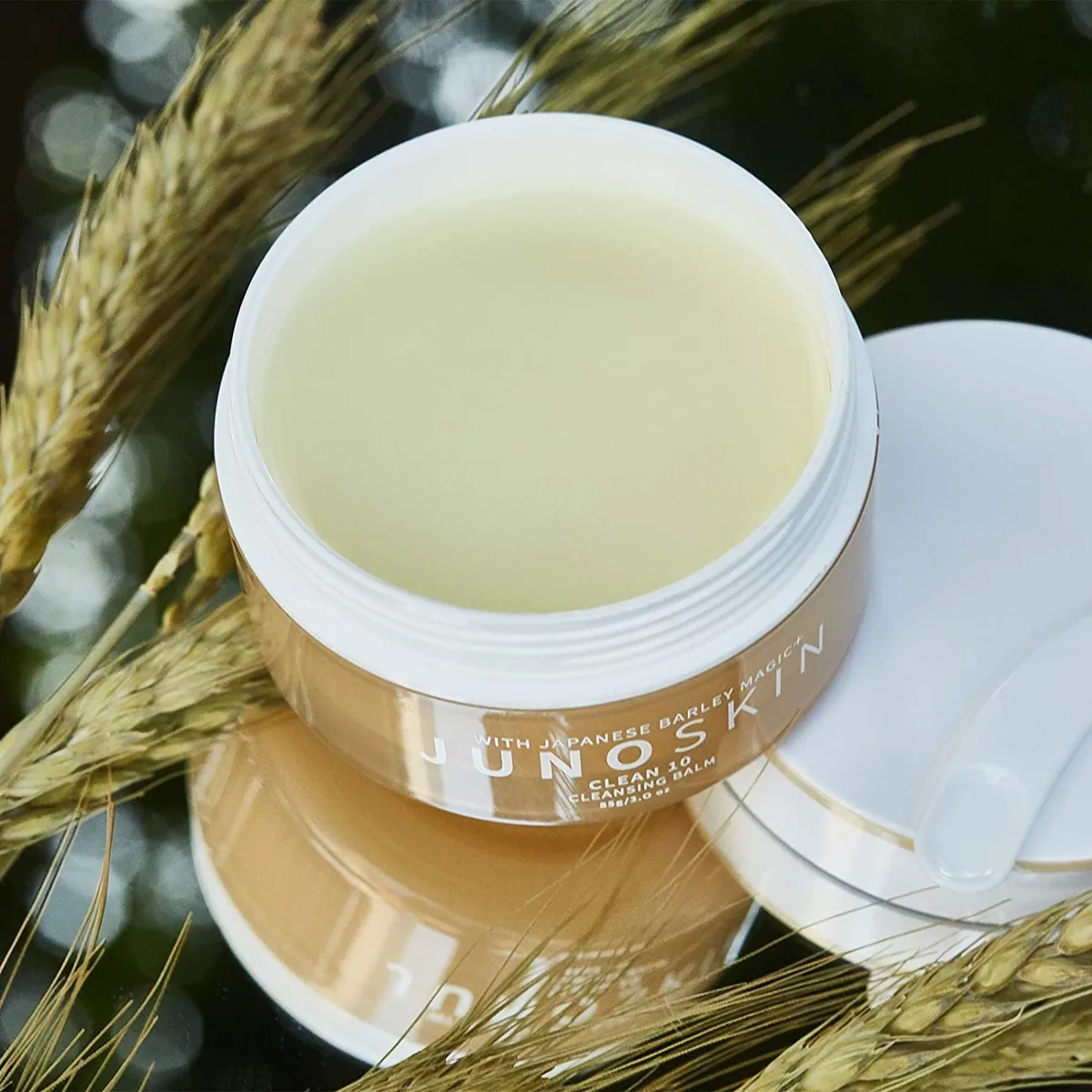
If you wore sunscreen or makeup, a two-step cleanse makes life easier. Start with an oil or cleansing balm on dry skin: massage it in, add a little water so it turns milky, then rinse. Follow with your regular water-based cleanser. The first step breaks down long-wear makeup and water-resistant sunscreen; the second clears away the residue. It is the same double cleanse at the heart of Korean skincare.
Step two: exfoliate, but not every night
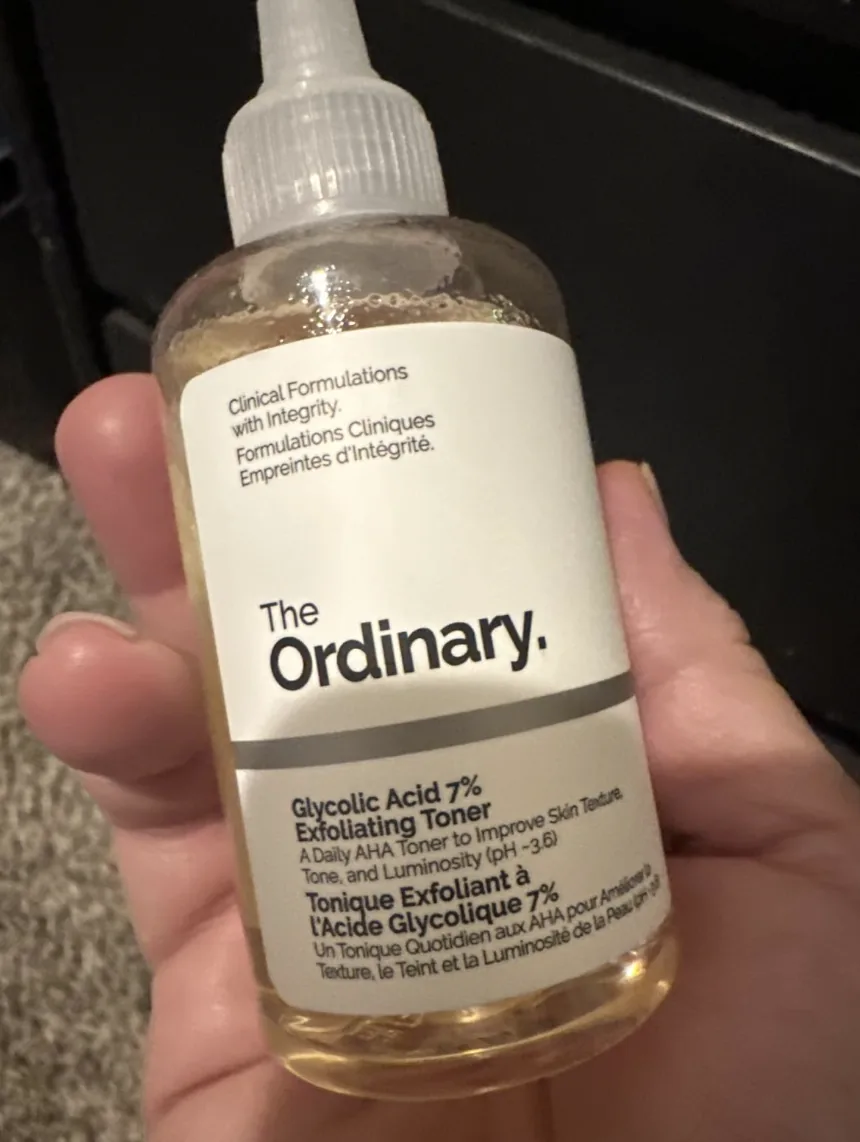
Exfoliating toners with acids such as glycolic acid (an AHA) or salicylic acid (a BHA) work best at night, two or three evenings a week for most people. Apply to dry skin after cleansing and let them absorb before anything else goes on. More is not better here; tingling that turns into stinging or flaking is your cue to cut back.
Step three: your treatment serum
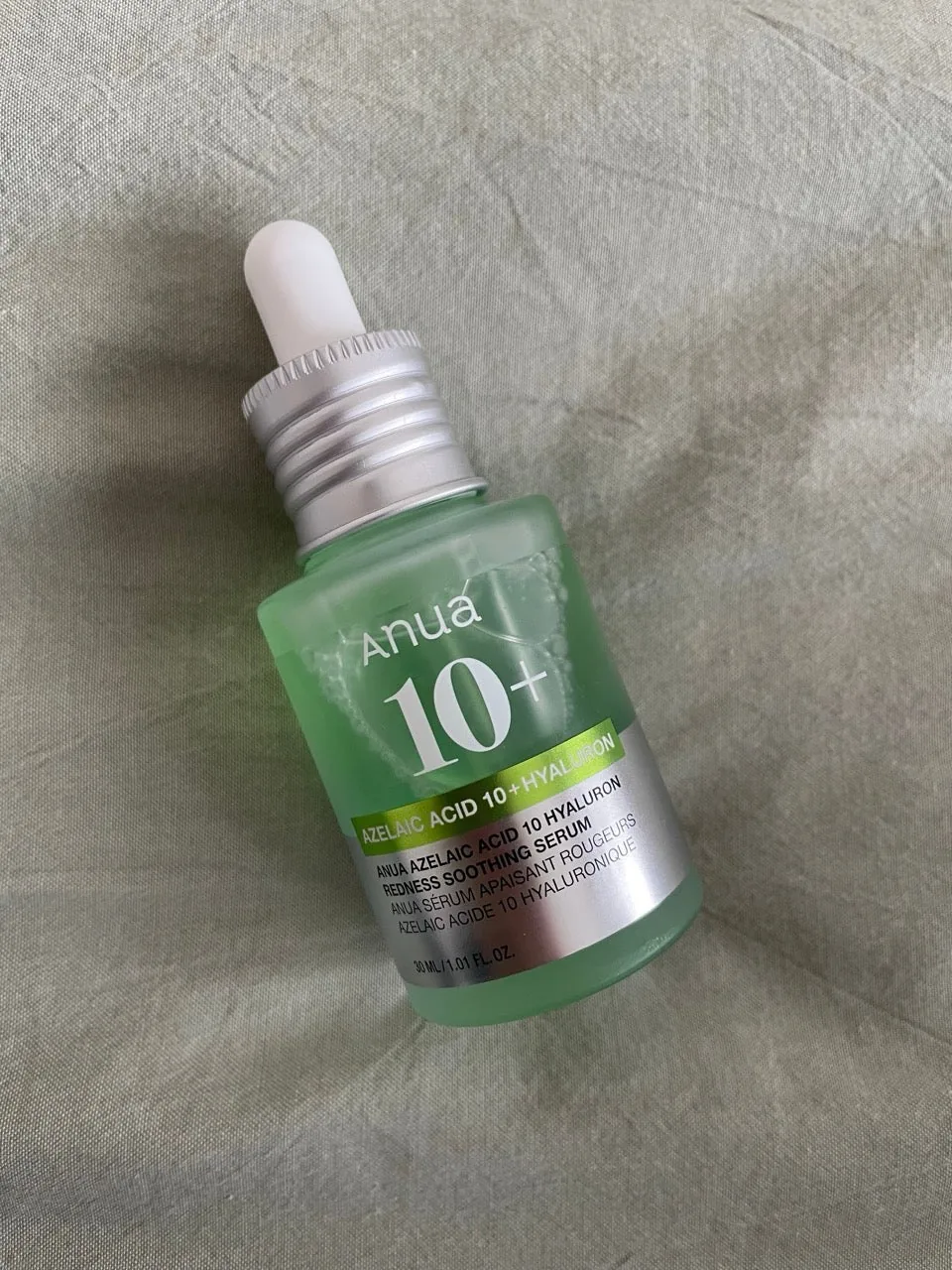
This is the slot for retinoids, azelaic acid, peptides or a hydrating hyaluronic acid serum. With a retinoid, a pea-sized amount covers the whole face, and starting a few nights a week gives skin time to adjust. A simple way to avoid irritation is to alternate strong actives instead of layering them: retinoid on some nights, acid toner on others, and plain hydration on the nights in between. Both retinoids and exfoliating acids can make skin more sun-sensitive, which is one more reason the morning sunscreen matters.
Step four: moisturize, then seal if you need to
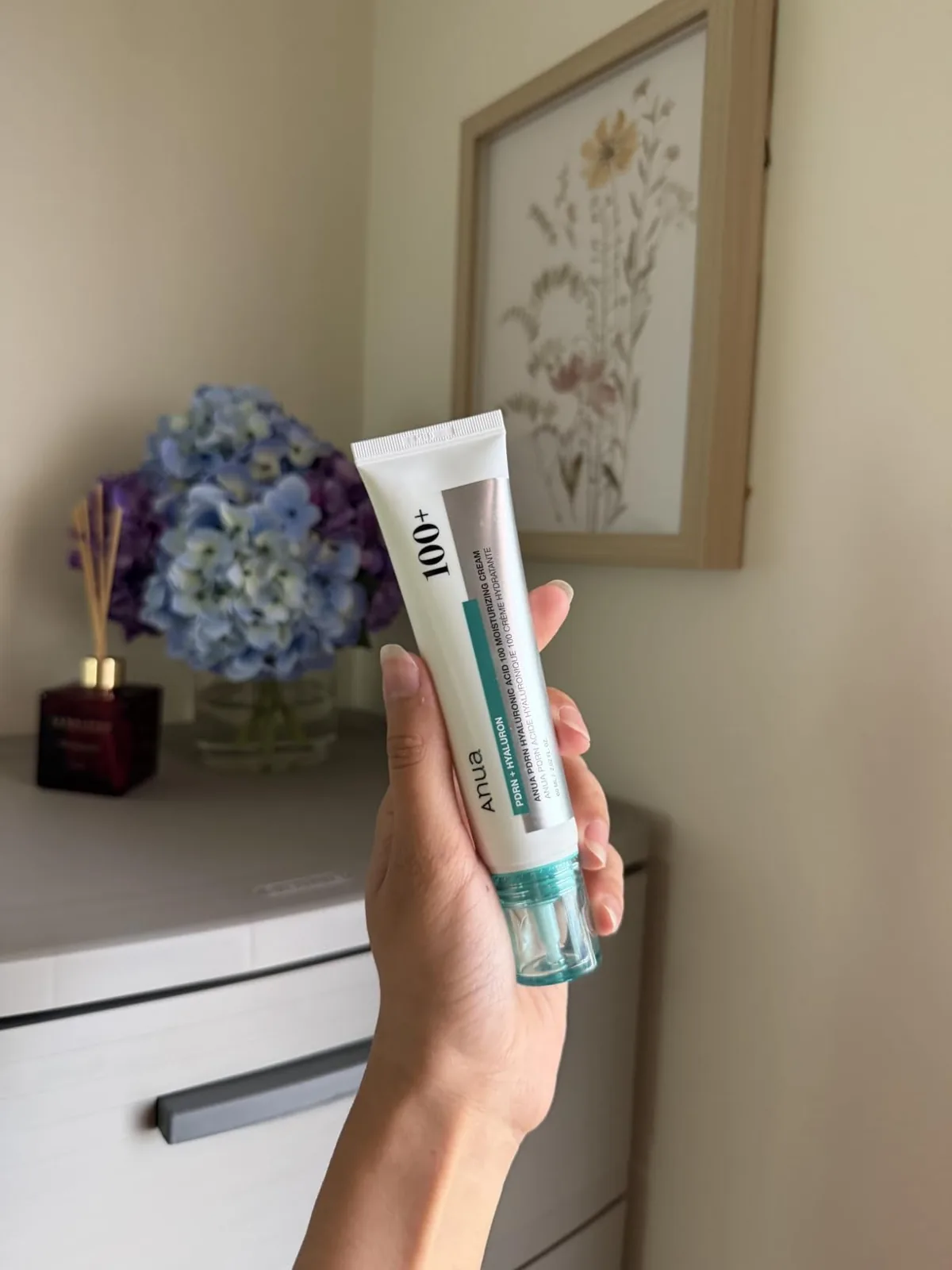
Finish with a moisturizer, and choose something a little richer than your morning cream if your skin runs dry. Very dry skin can take an extra layer on top: a few drops of face oil pressed over the cream or a thin film of balm on dry patches. Spot treatments and pimple patches go on clean, dry skin in the area they are meant for, either before your moisturizer or after it has fully absorbed, so the patch can actually stick.
Do you need to wait between steps?
For most products, no. A pause of thirty seconds or so, long enough to brush your teeth or pick out earrings, lets each layer settle and reduces pilling. The steps worth a longer pause are exfoliating acids and retinoids if your skin is easily irritated, and sunscreen before makeup.
Which ingredients need their own time slot?
Order is only half the question. A few popular actives either irritate each other or work better at a particular time of day, and splitting them between morning and night solves most of it.
- Vitamin C in the morning, retinoid at night. Vitamin C pairs naturally with sunscreen, while retinoids make skin more sun-sensitive and some break down in light.
- Benzoyl peroxide away from tretinoin. Benzoyl peroxide can deactivate tretinoin and many retinol products when they go on together, so the usual split is benzoyl peroxide in the morning and the retinoid at night. Adapalene holds up much better alongside it.
- Exfoliating acids and retinoids on different nights. Each is useful; together they are a fast route to stinging, peeling skin.
- Vitamin C and niacinamide can share a routine. The warning about mixing them traces back to old lab tests on pure ingredients under conditions that do not match a modern serum, so use them together if your skin is comfortable.
- Prescriptions follow your prescriber. If a dermatologist gave you a specific order or schedule, that beats any general chart, including this one.
Starting a retinoid without the peeling phase
Begin with the lowest strength you can find, a pea-sized amount for the whole face, every other night or even twice a week, and build up over several weeks. If your skin is dry or sensitive, a thin layer of moisturizer before and after the retinoid (often called the sandwich method) softens the sting. Irritation is worth avoiding for more than comfort: on deeper skin tones it can leave dark marks behind. Retinoids are not recommended during pregnancy, so check with a doctor if that applies to you.
Common mistakes that waste good products
- Applying moisturizer before a water-thin serum, so the serum cannot reach the skin.
- Using several strong actives in one sitting and then blaming one product for the irritation.
- Putting sunscreen under moisturizer instead of on top.
- Rubbing hard. Press and smooth instead, especially around the eyes.
- Changing everything at once. Add one new product at a time and give it a couple of weeks so you know what is helping and what is not.
- Using an exfoliating toner morning and night. Once a day at most is plenty for most skin; if you like a toner step twice a day, make the second one a plain hydrating formula.
- Skimping on sunscreen because the routine already feels long. Dermatologists suggest at least a teaspoon for the face, about two finger-lengths of lotion; trimming an optional serum is the better shortcut.
Quick answers
Does face oil go before or after moisturizer?
After, in most routines. Oil slows water-based products underneath it from soaking in, so press a few drops over your moisturizer at night. A moisturizer that already contains oils simply counts as your last step.
Does it matter whether my sunscreen is mineral or chemical?
Not for order. Both go on as the last skincare step in the morning, over moisturizer and under makeup. Follow any specific directions on your product’s label.
I only want three products. Which ones?
A gentle cleanser, a moisturizer that suits your skin type and a broad-spectrum SPF 30 or higher for the morning. Add a treatment serum later, once you know what you want it to do.
A routine that fits real life
The full sequence looks long on paper, but the core is short: cleanse, moisturize and protect in the morning; cleanse, treat and moisturize at night. Toners, serums, eye creams and oils are optional layers you add for a reason, not because a routine is supposed to have ten steps. If you notice a new product stinging or causing ongoing redness, stop using it, and talk to a dermatologist about any persistent skin concern.
Not sure which textures suit you? Start with how to find your skin type. Looking for product ideas to slot into each step? Browse our Reviews & Picks, or find more easy routines in Beauty.