Korean skincare has a reputation for being long and complicated, mostly thanks to the famous ten-step routine. The surprise for most beginners is that the idea underneath it is gentle and pretty simple: keep skin hydrated, treat it kindly and protect it from the sun every day. You can borrow that approach with a handful of products and still get the dewy, comfortable skin that drew you in.
What makes the approach different
A lot of skincare marketing has been built around fixing problems fast: gritty scrubs, drying spot treatments, foaming cleansers that leave skin squeaky. The Korean approach leans the other way. It puts hydration and a healthy skin barrier first, on the theory that comfortable, well-moisturized skin behaves better, looks smoother and copes more calmly with the occasional breakout.
That is why so many K-beauty products have watery, layerable textures. Instead of one heavy cream, you build moisture in thin coats that sink in one after another. It is also why sunscreen sits at the heart of the routine rather than being saved for the beach.
Myth check: you do not need ten steps
That ten-step routine is a menu, not a rulebook. Few people do every step every day. A beginner routine can look like this:
- Morning: gentle cleanser, hydrating toner, moisturizer, sunscreen.
- Evening: oil cleanser (on days you wore sunscreen or makeup), gentle cleanser, hydrating toner, moisturizer.
That is it. Essences, ampoules, sheet masks and exfoliating pads are extras to add once you know how your skin reacts to the basics.
The core steps, in plain English
Double cleansing
At night, start with an oil cleanser or cleansing balm on dry skin to dissolve sunscreen, makeup and excess oil, then follow with a mild water-based cleanser to clear the rest. Low-foam, gentle formulas are the norm. If your face feels tight after washing, the cleanser is too harsh. In the morning, a single gentle wash is plenty.
If you are breakout-prone and nervous about putting oil on your face, the key is the rinse. Massage the oil or balm in, then add a splash of water and keep massaging until it turns milky before you rinse; an oil cleanser that is not emulsified properly is the one that leaves residue behind. On days with no makeup and no water-resistant sunscreen, the second cleanse alone is usually enough.
Toner (the hydrating kind)
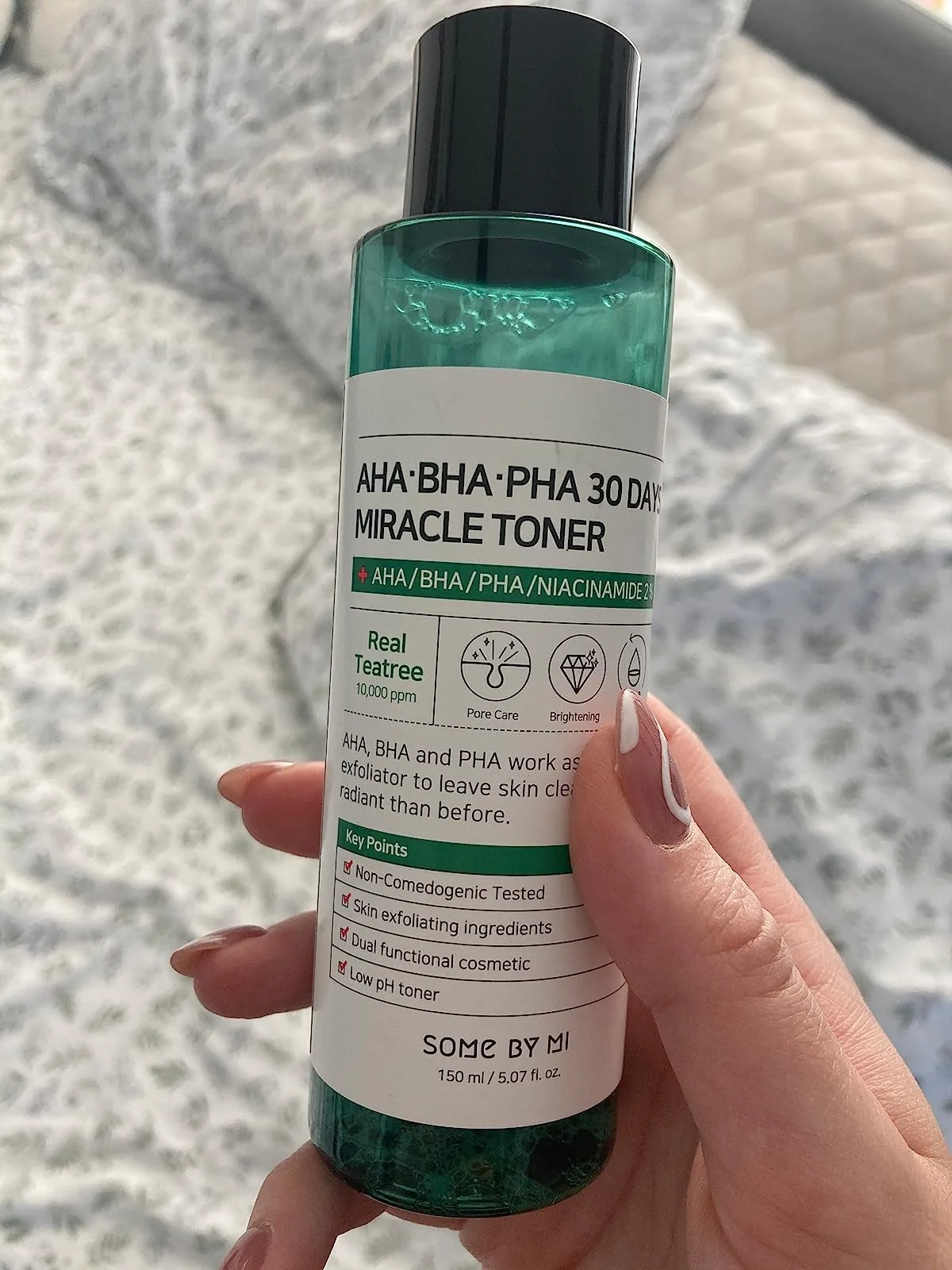
In Korea, toner is often simply called skin, and it is closer to a watery moisturizer than an astringent. You pat it on with your hands right after cleansing to give the next steps a damp base. Some people apply several thin layers on dry days, a habit nicknamed seven-skin layering. Not every toner is a hydrating one, though. Bottles that list AHA, BHA or PHA are exfoliating toners, which are better used a few evenings a week than morning and night.
Toner pads
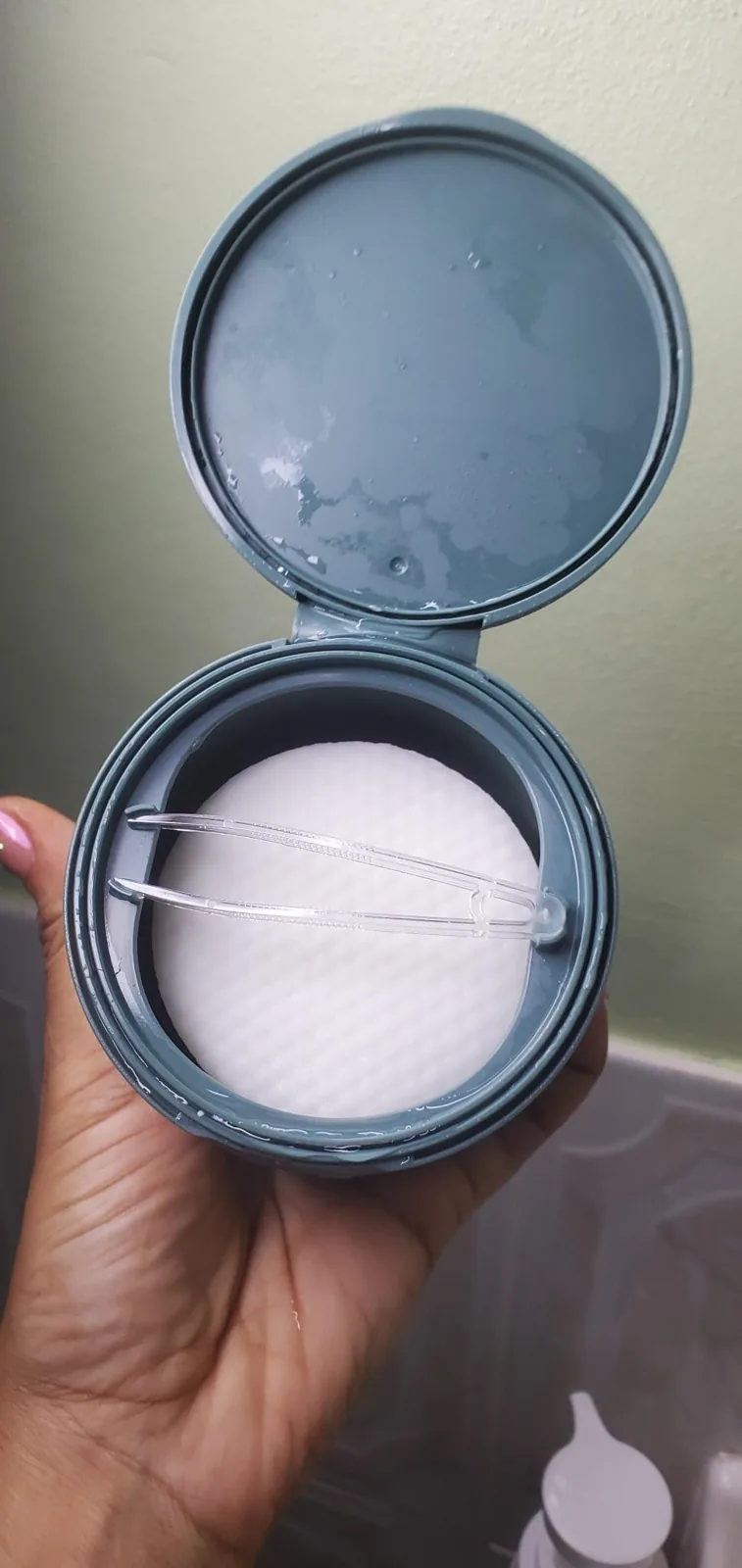
Pre-soaked toner pads are a convenient K-beauty favorite: open the jar, grab a pad with the little tweezers, sweep it over your face and you are done. They come in soothing versions for calming skin and exfoliating versions for smoothing texture, so read the label to know which one you have. Many people also rest a soothing pad on a warm, flushed cheek for a minute as a quick mini-mask.
Essence, serum and ampoule
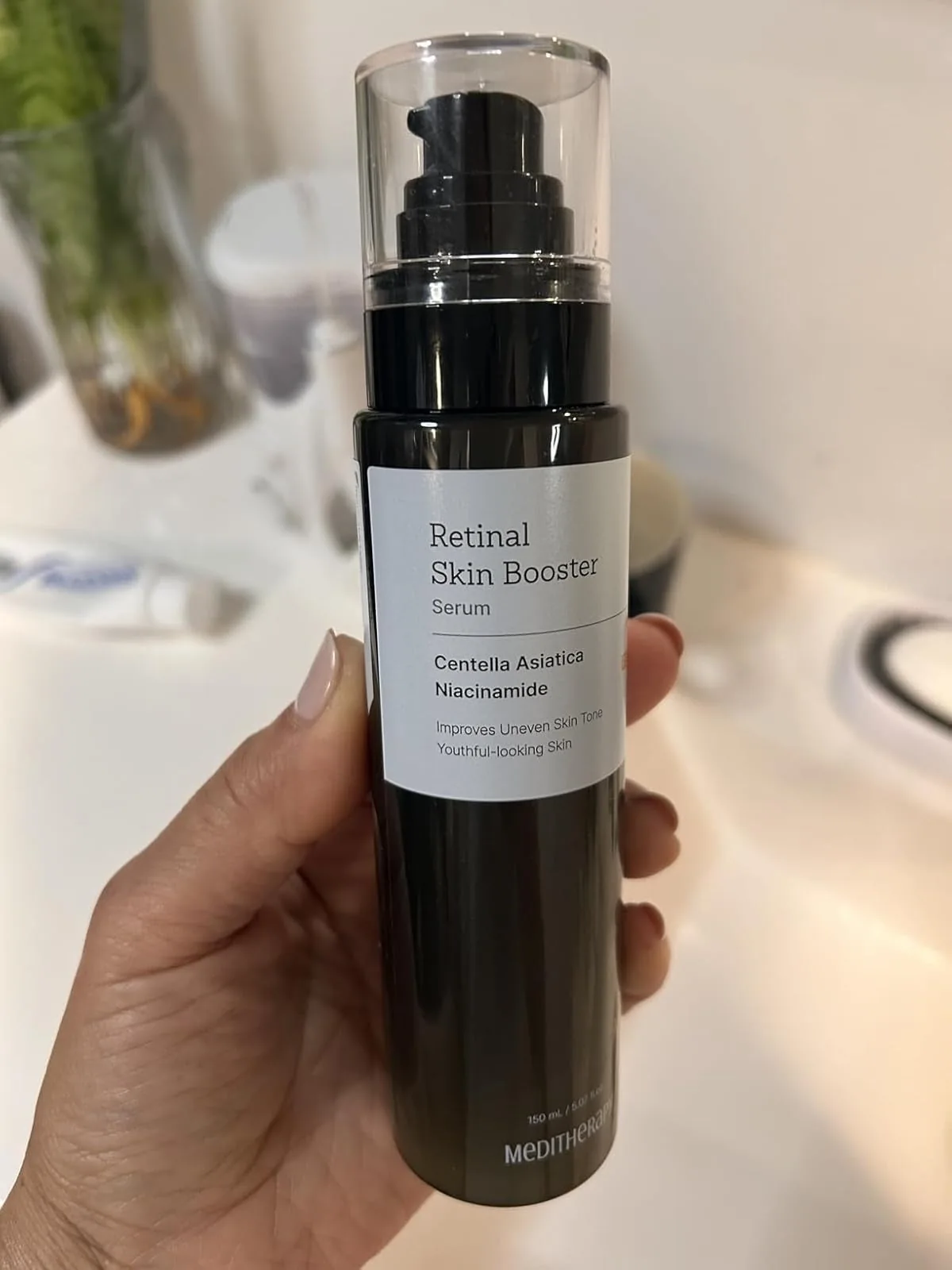
These are the treatment layers. Essences are light and hydrating; serums and ampoules are more concentrated and usually aimed at a specific goal, such as brightening, calming redness or smoothing fine lines. The names overlap a lot between brands, so pay more attention to the ingredients than to the label. As a beginner, pick one and use it consistently for a few weeks.
Moisturizer
A cream or gel cream locks in all those watery layers. Oily skin often likes lightweight gel textures; dry skin may want a richer cream, especially at night. Look for barrier-friendly ingredients like ceramides, panthenol and glycerin.
Sunscreen
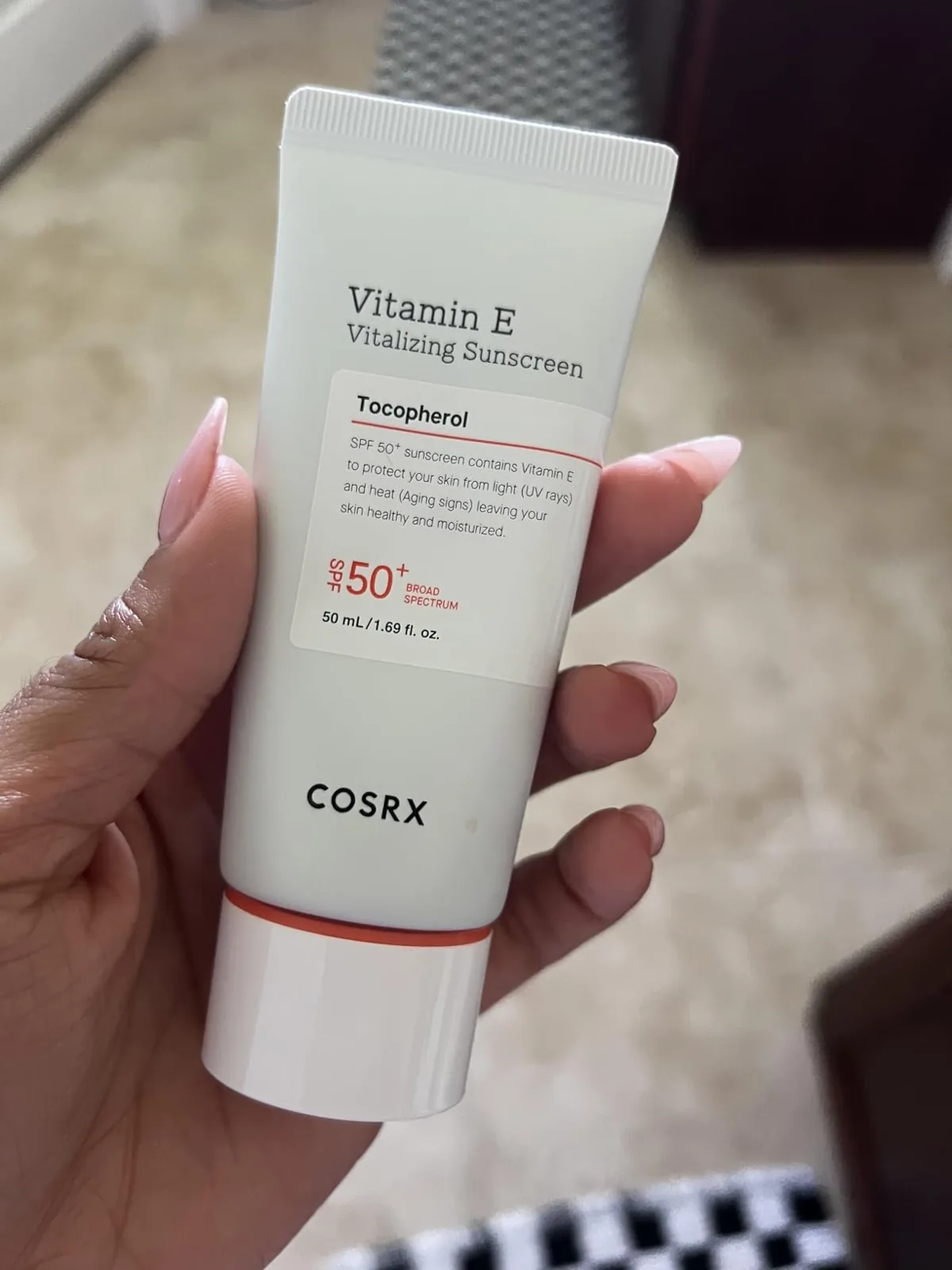
Korean sunscreens are known for feeling more like a light lotion than a thick beach cream, which makes daily wear easier. Apply it as the last skincare step every morning, use a generous amount and reapply every two hours when you are outside. Many carry a PA rating for UVA protection; our everyday sunscreen guide explains what the plus signs mean. If you only adopt one habit from K-beauty, make it this one.
A note if you shop from the US: Korea permits several UV filters that are not approved for sunscreens sold in America, so the US version of a popular Korean sunscreen may have a different formula from the one in Seoul, and some imports are not tested or labeled under US rules at all. Buy from the brand’s own store or an authorized retailer rather than an unknown marketplace seller, check for SPF, a PA or broad-spectrum claim and an expiration date on the pack, and pass on anything with a smudged, missing or non-matching label.
Ingredients you will see everywhere
K-beauty labels repeat a cast of familiar names. Knowing what they are meant to do helps you shop with intention instead of guessing.
- Centella asiatica (often shown as cica): a soothing plant extract used in products for sensitive or easily irritated skin.
- Snail mucin: a slippery, hydrating filtrate valued for leaving skin plump and comfortable.
- Heartleaf (houttuynia cordata): a calming botanical common in toners and pads for redness-prone skin.
- Rice: rice water and rice extracts show up in cleansers and toners aimed at soft, even-looking skin.
- Niacinamide: a form of vitamin B3 used for brightening, oil balance and supporting the skin barrier.
- Hyaluronic acid: a humectant that draws water into the skin; it works best under a moisturizer.
- Retinal: a vitamin A derivative closely related to retinol and generally considered stronger, so it is a nighttime ingredient to introduce slowly.
Keep expectations realistic. Snail mucin has a loyal following, but the research behind it is small and mostly points to hydration rather than dramatic changes to lines or dark spots. Centella has somewhat better support as a calming ingredient. Niacinamide, hyaluronic acid and retinoids are the best studied of the group, so if you want a treatment step that does something measurable, that is where to look.
Getting the most from a sheet mask
Sheet masks are a treat rather than a necessity, but they are easy to use wrong. Put one on after toner, leave it for the time on the packet, usually fifteen to twenty minutes, and take it off while it is still damp; a mask that dries on your face starts pulling water back out. Pat the leftover essence into your face and neck instead of rinsing, then seal it with moisturizer. Do not sleep in one.
How to start without upsetting your skin
The fastest way to sour on K-beauty is to buy a full routine at once and then break out or turn red without knowing why. Go slower than you want to.
- Start with the core: cleanser, hydrating toner, moisturizer and sunscreen.
- Add one new product at a time and give it about two weeks before adding the next.
- Patch test anything new: a small amount on the inner forearm twice a day for about a week, then a small spot on your face, before using it all over.
- Keep exfoliating toners, exfoliating pads and retinal serums to a few nights a week at first, and never use them on the same night as each other.
- Be patient. Hydration shows up within days, but brightening and texture changes take weeks.
Where cushion compacts fit in
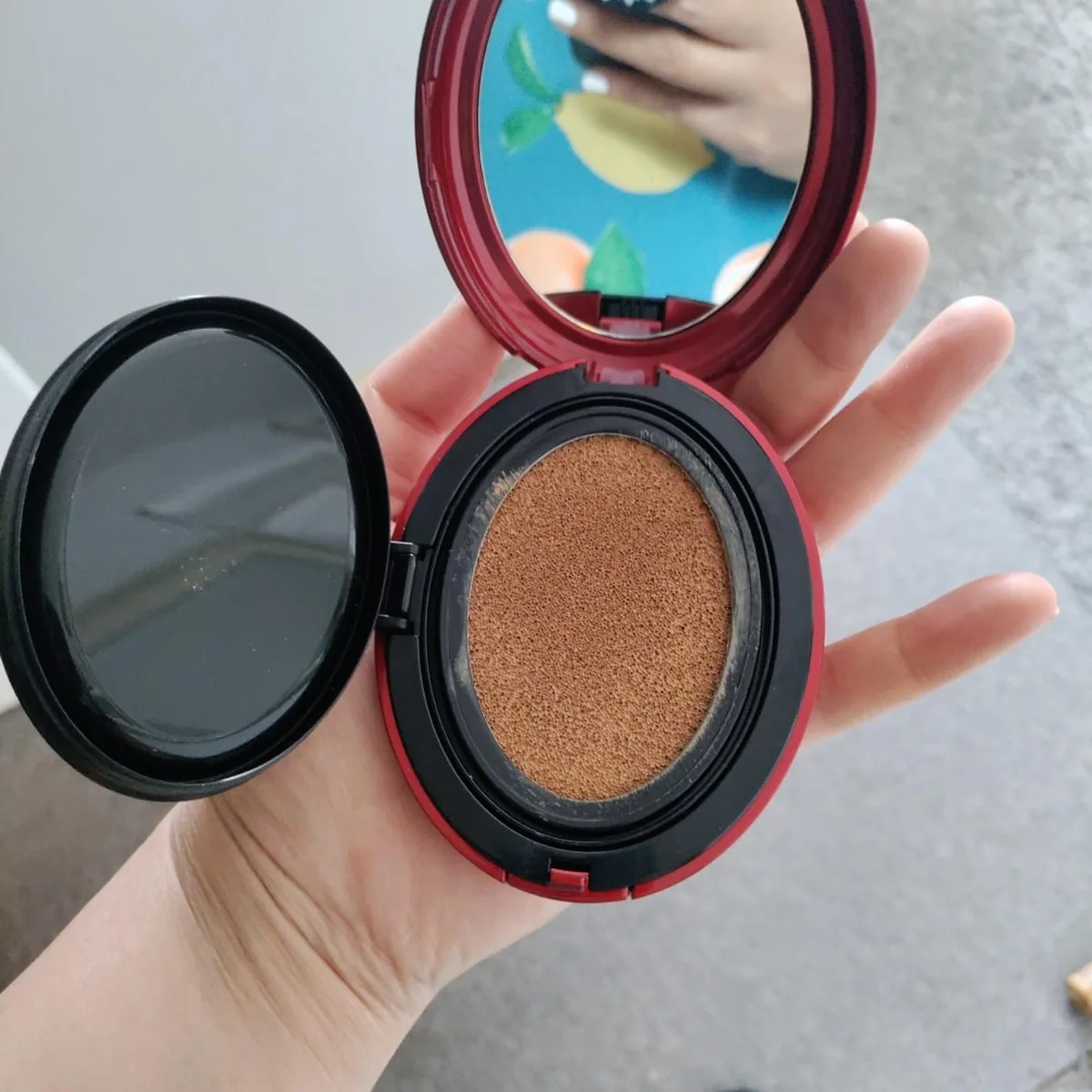
Cushion foundations are the makeup side of the same philosophy: a sheer-to-medium, skin-like finish pressed on with a puff from a sponge soaked in formula. They are not skincare and should not replace your sunscreen, but they suit a routine built around hydrated skin. Press, do not swipe, and build coverage only where you need it.
Quick answers
Does Korean skincare work for oily or acne-prone skin?
Yes, with lighter textures. Choose a gel moisturizer, one or two thin layers of toner instead of seven, and a fluid sunscreen. Hydrated skin often makes less of a fuss, but persistent acne still needs proven treatments such as benzoyl peroxide, salicylic acid or a retinoid, ideally with a dermatologist’s input.
Is “glass skin” a realistic goal?
As a description of well-hydrated, smooth-looking skin, sure. As a promise of poreless, mirror-like skin, no: pores and texture are normal, and much of what you see online is lighting, a dewy cushion and editing. Comfortable, even-looking skin is the better target.
Can I mix Korean products with what I already use?
Absolutely. Routines care about texture and ingredients, not where a product was made. Slot each one in by thickness, keep sunscreen last in the morning, and follow the same one-new-product-at-a-time rule.
The takeaway
Korean skincare is less about the number of steps and more about the mindset: gentle cleansing, layers of hydration, one or two well-chosen treatments and daily sun protection. Start small, watch how your skin responds and build from there. If you have a persistent skin condition, a dermatologist is the right person to help you plan around it.
If you are adding serums or actives and want to know which layer goes where, our guide to skincare routine order sorts it out. For more simple routines, browse our Beauty guides, or see the beauty finds in Our Finds.