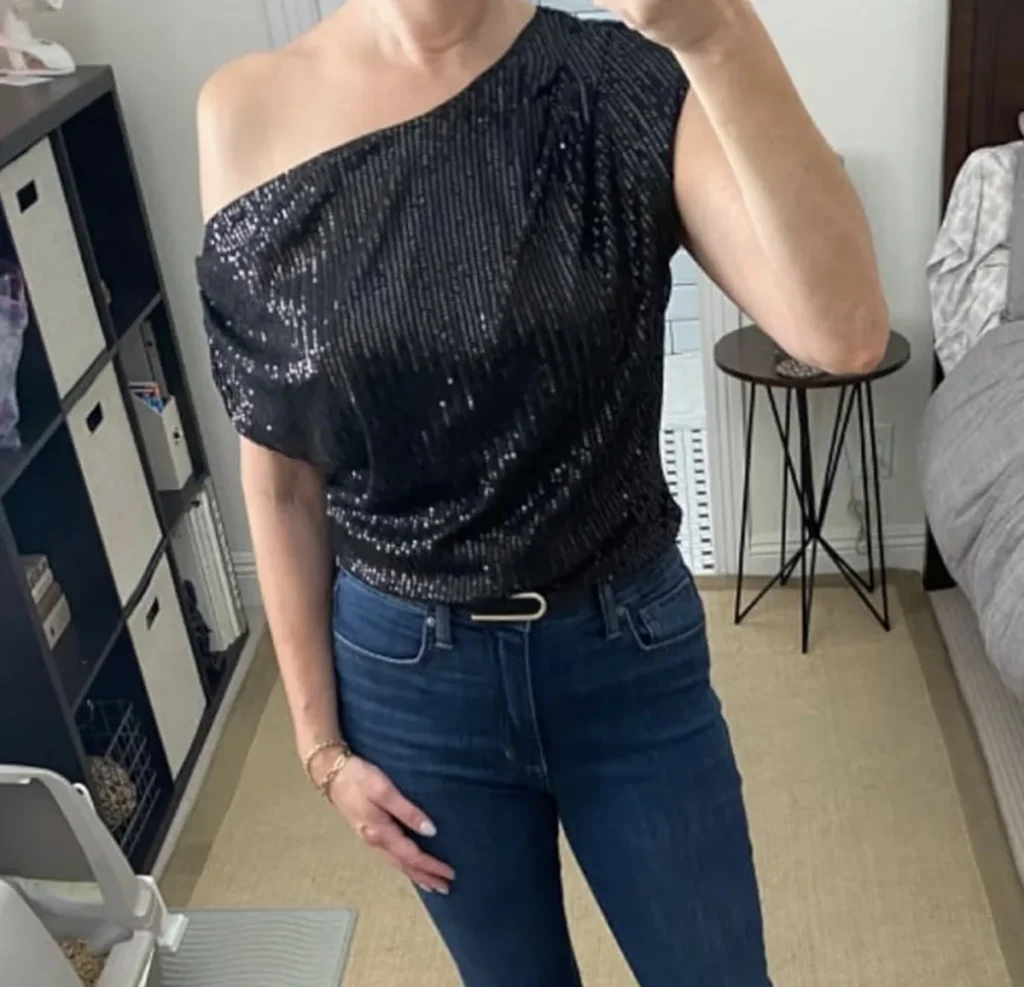
Two sweaters can look identical online, cost about the same and still feel nothing alike after a month. One stays soft and keeps its shape; the other pills at the elbows and turns clammy on a warm train. The difference is usually printed right there on a small label inside the side seam, or listed under “materials” in the product details. Most of us skip it.
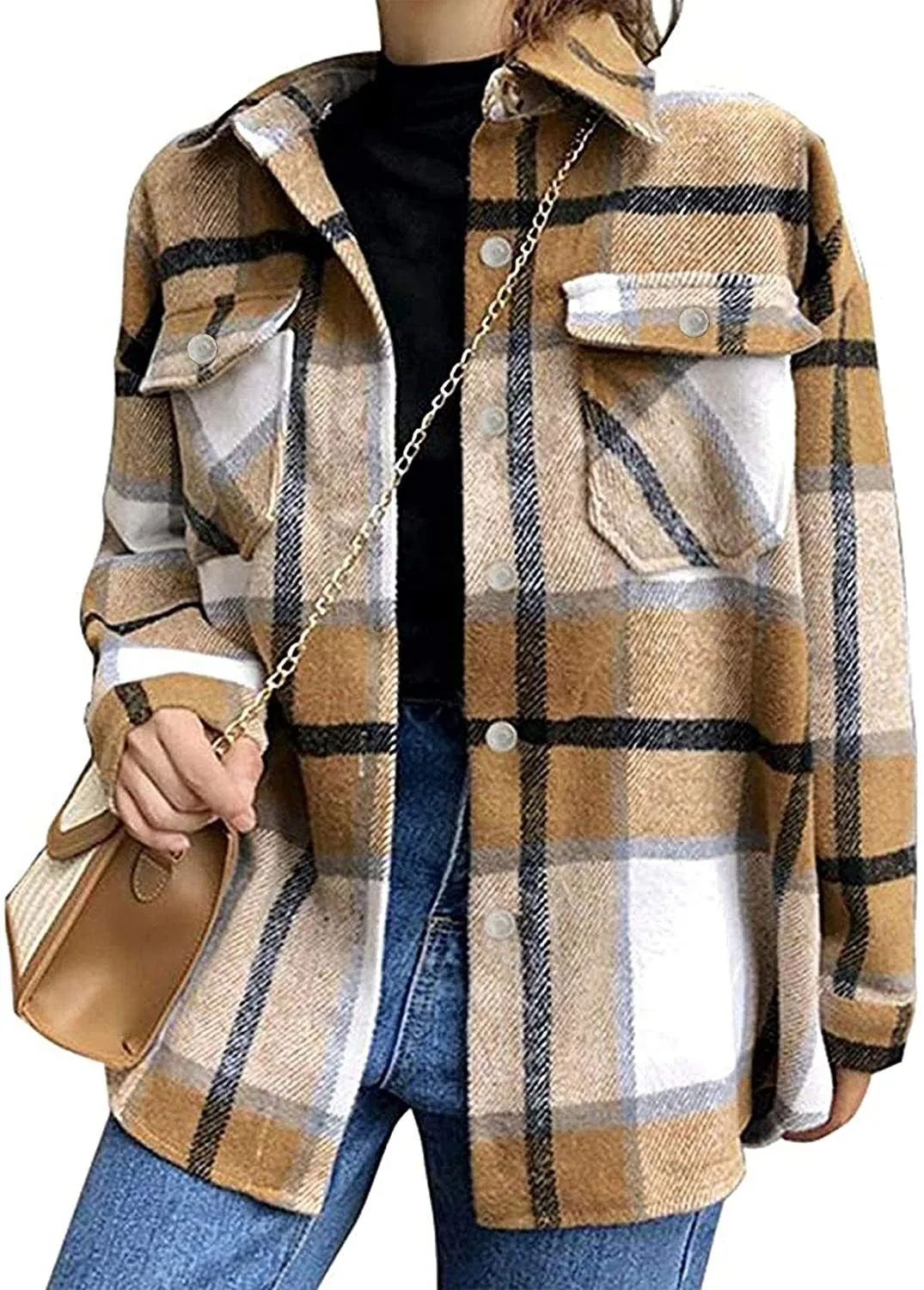
Reading that label takes about ten seconds once you know what you’re looking at, and it predicts how a piece will feel, how it will hold up and how much care it needs. Take a cozy brushed plaid shacket like the one above: the soft, fuzzy surface could be cotton flannel, wool or polyester, and only the tag tells you which one will breathe, which will pill and which can go in the dryer.
How the fiber list works
In the United States, most clothing must show its fiber content, the country where it was made, and the business responsible for it, plus care instructions. The fiber list follows a few rules that are worth knowing:
- Fibers appear in order of weight. The first fiber listed is the one the fabric is mostly made of. A label reading 60% cotton, 40% polyester describes a fabric that is mostly cotton, but with a large share of synthetic.
- Small amounts can be grouped. Fibers under five percent may be lumped together as “other fiber,” unless they serve a clear purpose, such as spandex for stretch. Wool is the exception that always has to be named.
- Percentages have a little wiggle room. Under US rules, blends may be off by up to three percentage points, so 40% might really be 37 or 43. A label that says 100% or “all” of one fiber has to mean it.
- Trims don’t count. Buttons, zippers, lace and sometimes linings can be made of something else, so check the full product description if you are sensitive to a material. Phrases like “exclusive of decoration” or “exclusive of elastic” mean those parts were left out of the percentages. Linings added for warmth, such as a quilted coat lining, do have to be listed.
- Brand names sit next to generic ones. A trademark like Lycra or Tencel must appear alongside the generic fiber name, such as spandex (also called elastane) or lyocell. “Recycled wool” must be labeled as recycled.

That last rule matters on pieces like a waffle-knit top with lace sleeves: the body might be cotton while the lace is nylon, and the label may only cover the main fabric. If you run warm or have sensitive skin, look for a separate line such as “lace: 100% nylon” or “lining: polyester.”
Natural fibers
These come from plants or animals and are generally the most breathable, though they usually need gentler care than synthetics.
Cotton is soft, absorbent and easy to wash, which is why it dominates tees, shirts and jeans. It absorbs sweat but dries slowly, so a heavy cotton top can feel damp on a humid day. Long-staple cottons tend to feel smoother and pill less than ordinary cotton.
Linen is made from flax. It is crisp, matte and slightly textured, with visible slubs in the weave. It is one of the coolest fabrics to wear in heat and gets softer with every wash, but it wrinkles easily, and that is part of its character rather than a flaw.
Wool covers more than sheep. Cashmere, mohair, alpaca and camel hair are all wool fibers by label rules. Wool insulates, breathes, resists odor and stays warm when slightly damp. Finer fibers such as merino and cashmere feel soft against skin; coarser wool can itch.
Silk is light, smooth and surprisingly warm for its weight. It drapes beautifully but marks easily with water and sweat, so it usually needs a gentle hand wash or dry cleaning.
Semi-synthetics, the fibers in between
Viscose, rayon, modal, lyocell, cupro and acetate start as plant cellulose, usually wood pulp, which is chemically dissolved and spun into fiber. They are often called “regenerated” fibers.
On the plus side, they drape fluidly, take dye well and feel cool and silky, which is why they show up in dresses, blouses and wide-leg trousers. On the minus side, viscose and rayon are weak when wet, can shrink or lose shape in a hot wash, and crease readily. Modal and lyocell are generally stronger and more stable than basic viscose.
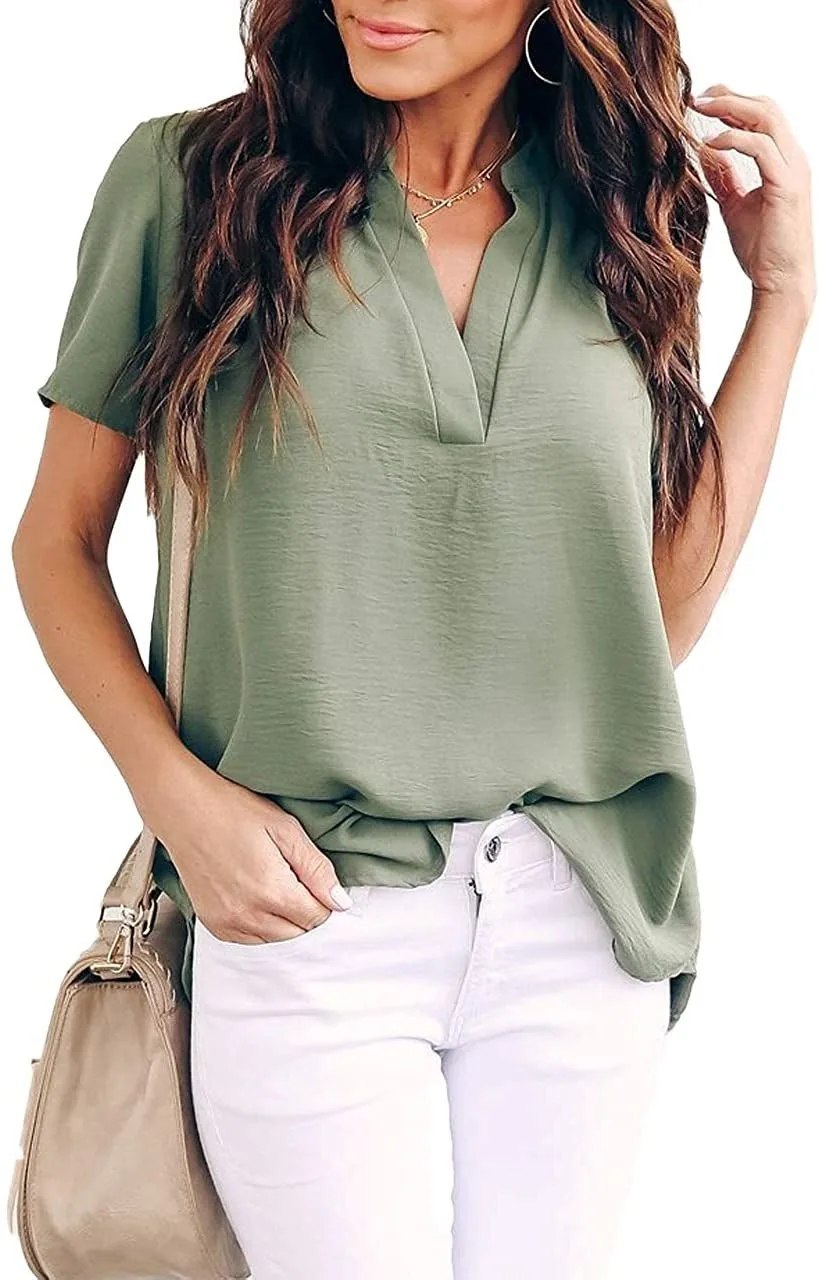
Be skeptical of the word “bamboo” on its own. Most soft bamboo fabric is actually rayon or viscose made from bamboo pulp, and in the US it has to be labeled that way. Crinkled and crepe-textured blouses, like the sage V-neck below, are often viscose too; the crinkle hides creases, but check whether the label asks for a hand wash.
Synthetics
Polyester, nylon, acrylic and elastane (also called spandex or Lycra) are made from petroleum-based polymers. They are strong, quick-drying, wrinkle-resistant and inexpensive, which is why so much clothing contains at least some.
Their trade-offs are breathability and pilling. A blouse that is entirely polyester can feel warm and clingy in summer, and acrylic sweaters often pill quickly because the strong fibers hold the little balls onto the surface instead of letting them fall away. Synthetics also release tiny fibers when washed.
None of that makes synthetics useless. Nylon adds durability to socks and coat shells. A few percent of elastane is what lets jeans and fitted tops recover their shape. A wool coat with a share of nylon may outlast pure wool. The question is whether each fiber is doing a useful job in that particular piece.
How to judge a blend
Blends are not a red flag in themselves. A few rules of thumb help decide whether a blend is working for you:
- Check what is listed first. “Cashmere sweater” in a product name means little if the label reads mostly acrylic with a small share of cashmere.
- A little stretch is normal. One to five percent elastane improves fit and movement; much more than that gives a leggings-like feel and can lose its snap faster.
- For warmth, aim for a high wool share. Mostly-synthetic “wool blend” knits and coats look the part but warm far less.
- For heat, favor plant fibers. Linen, cotton and lyocell feel cooler than polyester in humid weather.
- Be wary of invented fabric names. Words like “cashmere-feel” or a made-up brand name for a yarn often hide a mostly synthetic blend. If the actual fiber list is missing from a product page, ask or skip it.
- Don’t trust store softness alone. Some knits are brushed to feel plush on the hanger and pill within weeks. Fiber content and a dense knit are better predictors.
Check the care label before you fall in love
The symbols on the reverse of the tag are just as useful. A washtub means machine or hand washing, with dots for temperature; a square is drying, and a circle inside it means tumble drying is allowed; a triangle refers to bleach; an iron to pressing; and a plain circle to dry cleaning. An X through any symbol means don’t.
The details inside those symbols tell you more than most people realize:
- Dots in the washtub set the maximum water temperature. One dot is cool, about 86°F (30°C); two is warm, about 104°F (40°C); three is hot, about 122°F (50°C). Some labels print the number instead.
- Lines under the washtub ask for a gentler cycle: one line for a permanent-press or synthetics cycle, two for delicates or wool. A hand in the tub means hand wash only.
- A triangle with two slanted lines means non-chlorine (oxygen) bleach only.
- Dots in the dryer circle mean low, medium or high heat. A square with a single horizontal line means dry flat; a curved line at the top means hang to dry; three vertical lines mean drip dry.
- Dots on the iron mean low heat for silk and wool, medium for synthetics, high for cotton and linen.
- Letters in the dry-cleaning circle are instructions for the cleaner about which solvent to use, not for you.
One more US quirk: a label only has to give one safe cleaning method. “Dry clean” means dry cleaning is safe, not that washing is forbidden. “Dry clean only” is the stronger warning, and the maker is meant to have a reason for it.
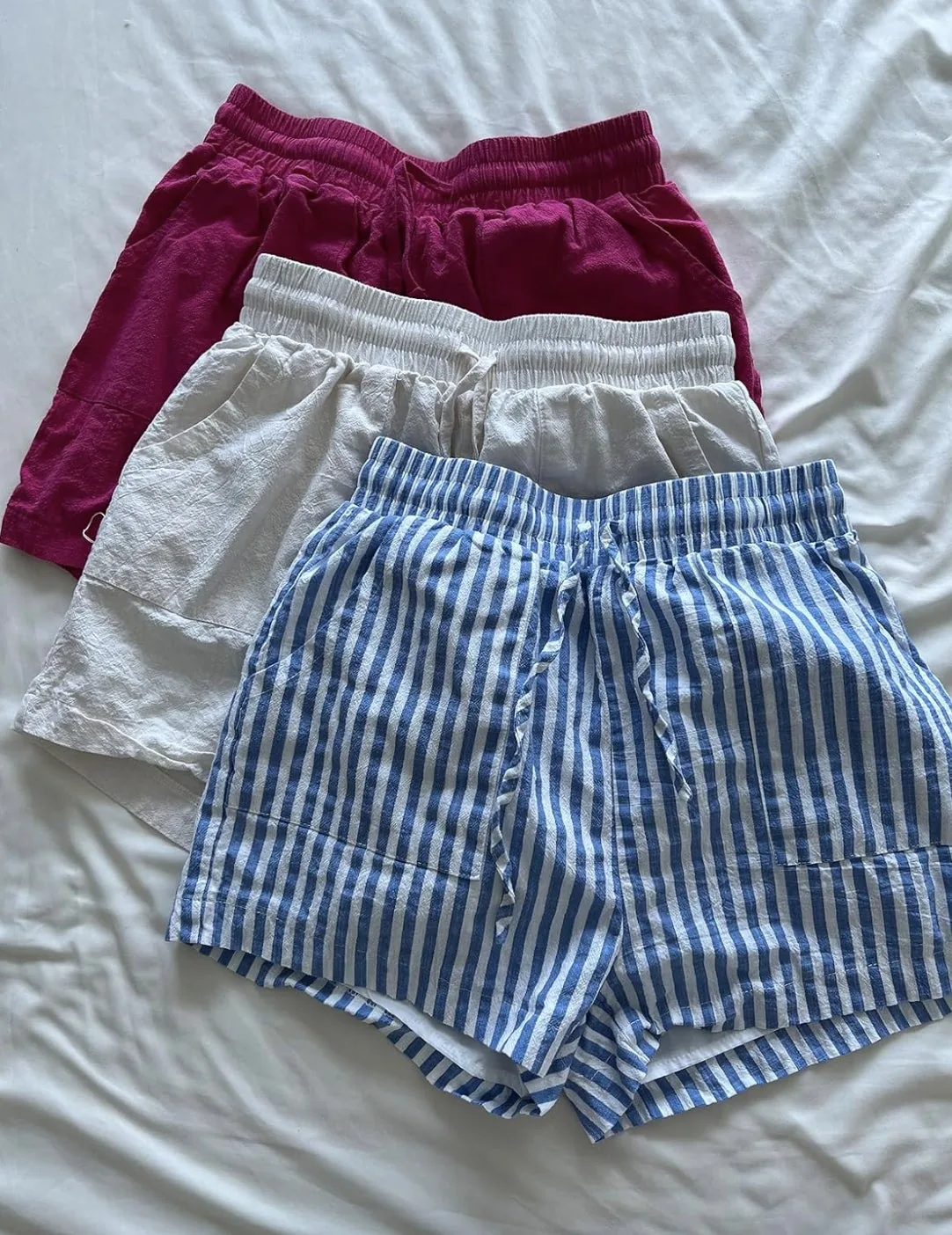
If a piece says dry clean only and you know you will never take it, weigh that before you buy. The same goes for light summer pieces such as drawstring shorts: cotton and linen versions breathe and wash easily but may shrink in a hot dryer, while polyester ones dry fast but feel warmer. A fabric you can care for properly is the one that keeps looking good.
When there is no label to read
Shopping secondhand, the label is sometimes cut out. Your hands can fill some of the gap: crumple a corner and linen keeps sharp creases while polyester springs back almost smooth; wool feels springy and slightly dry; silk is smooth on both sides; and many synthetics feel slick or plasticky. None of these tests is foolproof, so treat them as clues rather than proof.
Quick answers
Is polyester always a bad sign?
No. It is useful in coat shells, activewear, lining and anything that needs to dry fast or resist wrinkles. It is a poorer choice for warm-weather blouses and for sweaters, where it tends to trap heat and pill.
Does “100% cotton” mean good quality?
Not on its own. The fiber is only part of the story; fabric weight, how tightly it is knitted or woven and how it is finished matter just as much. A thin, loose cotton tee will still twist and wear out quickly.
Is it safe to wash something labeled “dry clean”?
Often, if it is a simple, unlined piece in a washable fiber like polyester or cotton. Structured jackets, tailored pieces and anything labeled “dry clean only” are safer left to a cleaner.
Make it a habit: next time you shop, find the fiber label before you look at the price, and you will bring home far fewer pieces that pill, cling or shrink. Knitwear is the best place to start, and our guide to caring for sweaters and stopping pilling picks up where this leaves off. Buying outerwear? Our winter coat guide applies the same label check, and Our Finds collects pieces worth a closer look.