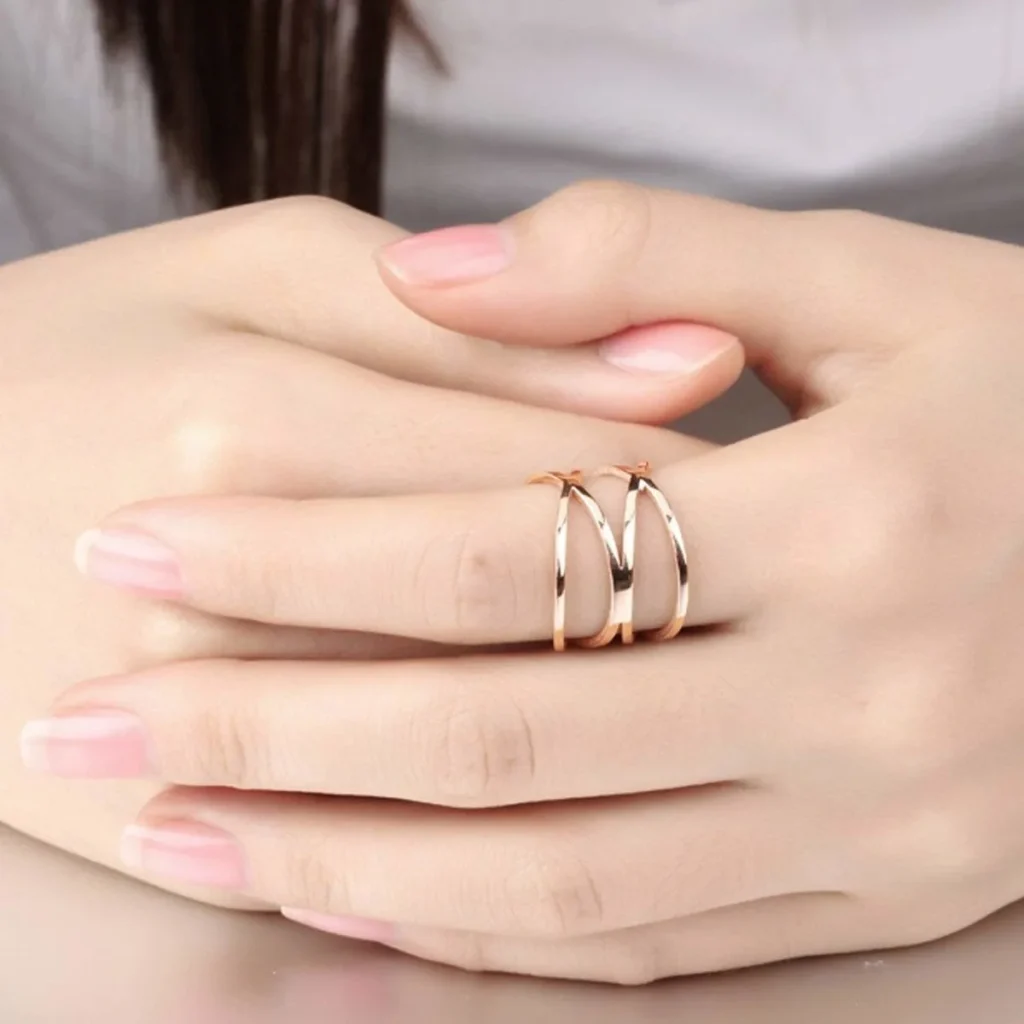
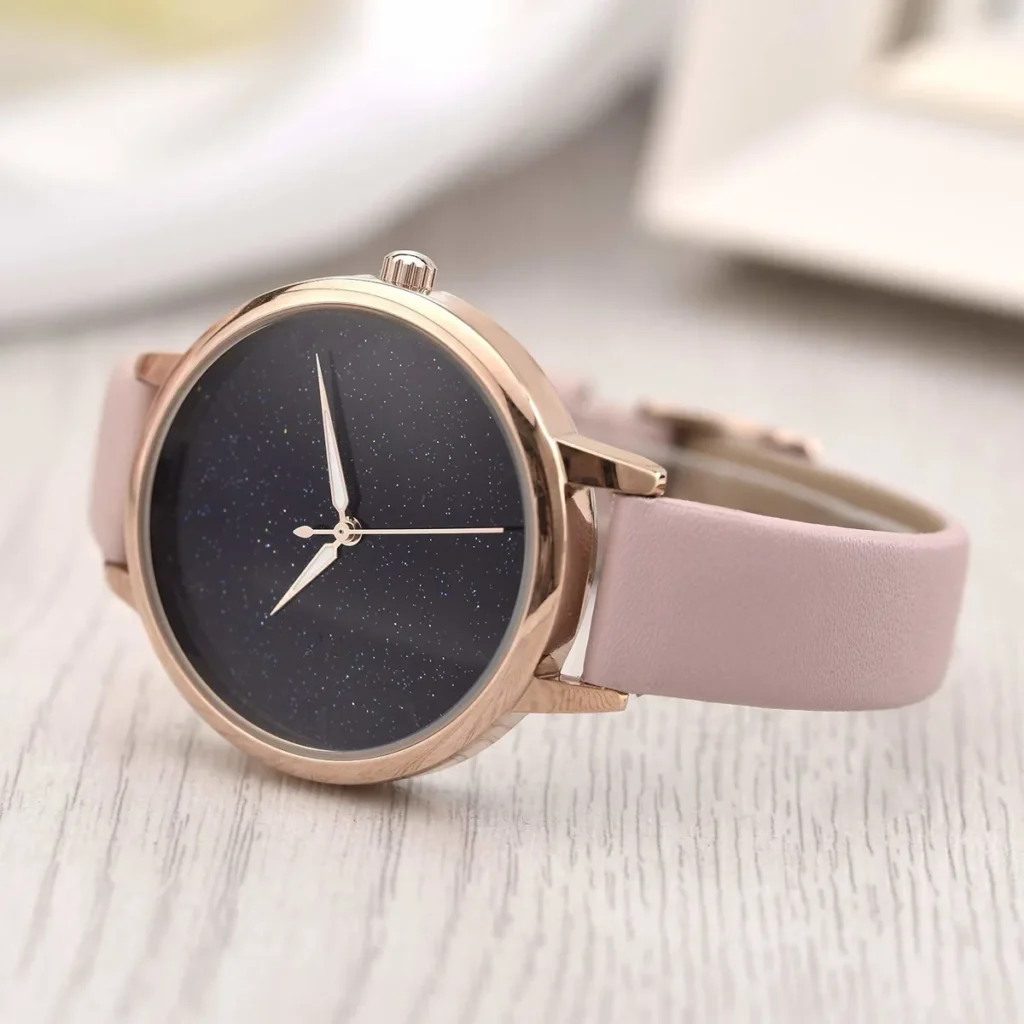
Hair accessories have quietly moved from the bathroom drawer to the jewelry tray. A good clip or headband can finish an outfit the way earrings do, and it solves the practical problem of what to do with your hair on a busy day. The difference between polished and playground comes down to scale, material and placement, and none of it takes more than a minute in front of the mirror.
Choose materials that read as grown-up
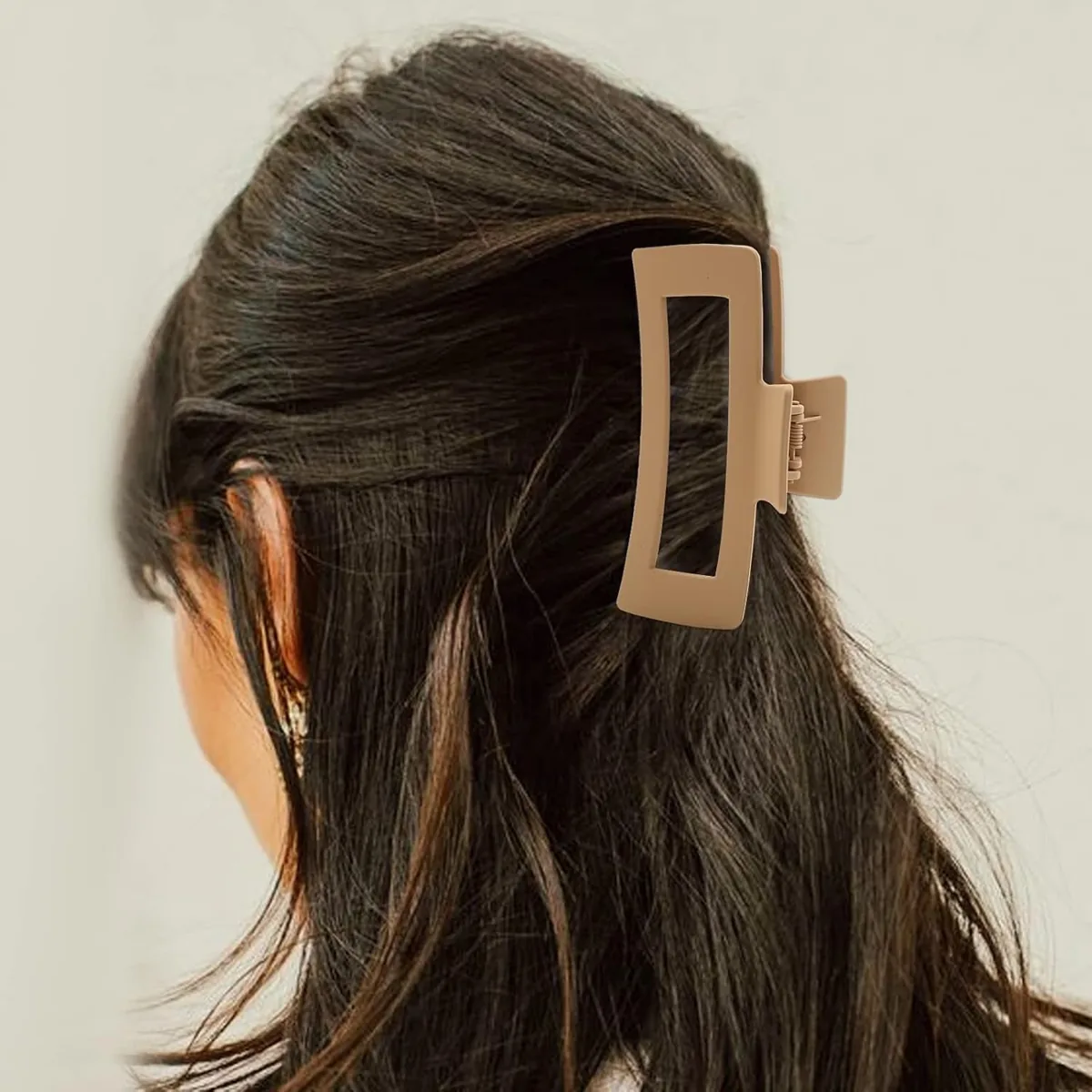
The quickest way to make any hair accessory look grown-up is to pick finishes that would look at home next to your jewelry. Matte acetate, tortoiseshell, horn-look resin, brushed metal, satin, velvet and faux pearls all read as considered. Glossy neon plastic, oversized logos and novelty shapes are fun on the weekend but look out of place with tailoring.
If you wear mostly gold or silver jewelry, let a metal clip or pin follow suit, and if your outfit is neutral, a clip in a similar shade to your hair or your coat looks quietly expensive. One accessory at a time is usually enough; the exception is a deliberate pair or row of matching pieces.
Claw clips: size them to your hair
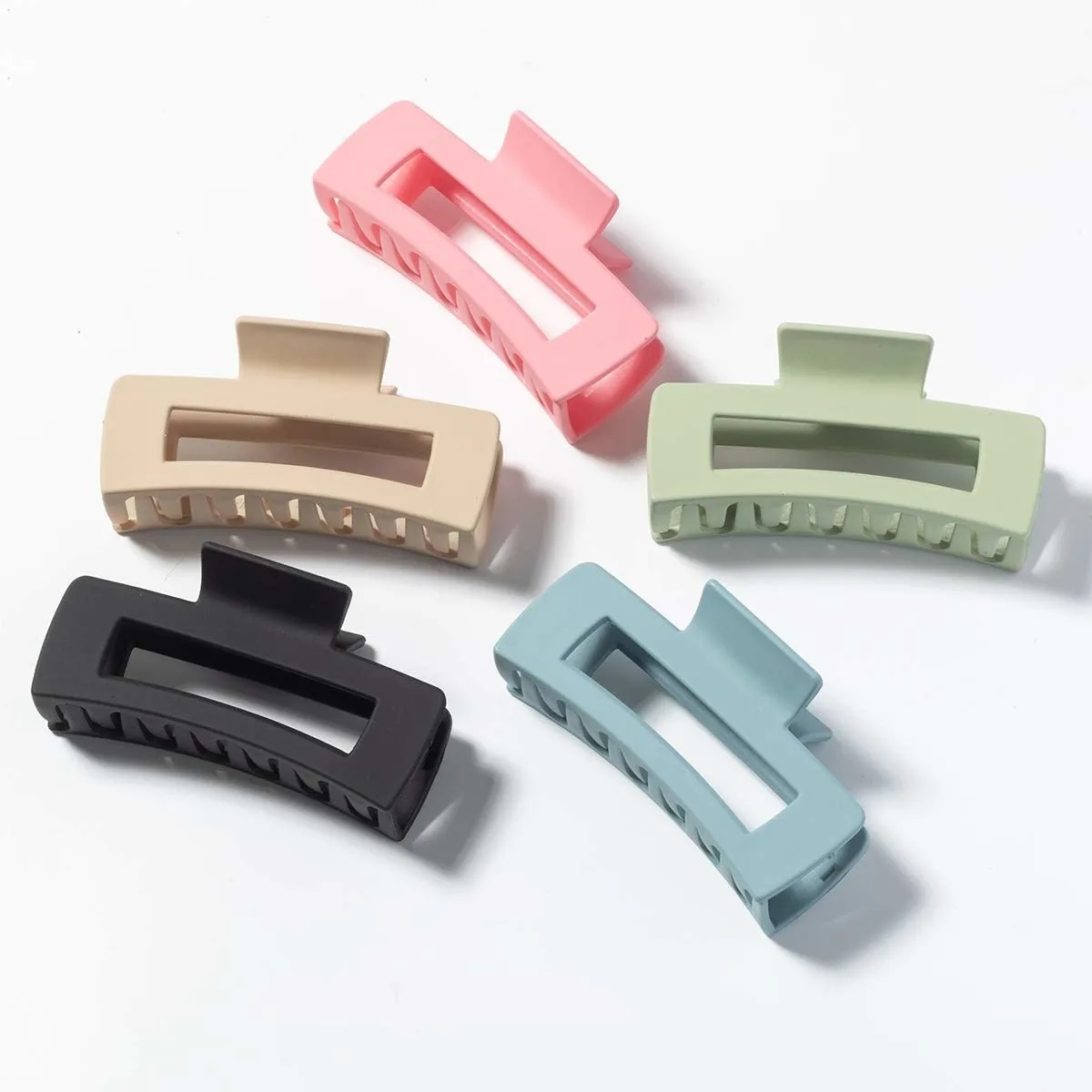
A claw clip only looks neat if it can hold everything without straining. Fine or shoulder-length hair is best with a small or medium clip, while thick, long or curly hair needs a large one with sturdy teeth, otherwise the twist slips and sections fall out by lunchtime. A longer clip, roughly four inches or more, makes a classic French twist possible.
- Small, about 1.5 to 2 inches (4 to 5 cm): short or fine hair, half-up styles and pinning back a fringe.
- Medium, about 3 inches (7.5 cm): shoulder-length to long hair of average thickness, and the most versatile size.
- Large, 3.5 to 4 inches (9 to 10 cm) and up: thick, long or curly hair. With curls, size for the stretched length, not the shrunken length, since that is how much hair the clip has to hold.
Material matters as much as size. Cellulose acetate clips have a little flex, so they grip and resist cracking, while thin, shiny plastic often snaps at the hinge on heavy hair. A strong metal spring is worth looking for if your hair is thick. Buyers with curly hair often say the same thing: the clip that survives is the one with deep teeth and a sturdy spring, not the prettiest one.
The everyday twist is simple: gather your hair as if for a low ponytail, twist it in one direction, lift it up against the back of the head and clip across the twist with the teeth pointing down. Tuck the ends into the clip for a sleek finish, or let them fan over the top for something softer. For a half-up version, take the top section from temple to temple, twist it lightly and clip it at the crown. A flat or low-profile clip is worth having if you spend a lot of time leaning back in a car seat or office chair.
A light mist of hairspray or a little smoothing cream on the twist before you clip keeps flyaways down without making the style stiff. Keep a spare clip in your bag or desk drawer; it turns a hot afternoon or a gym session into a tidy updo in seconds.
Barrettes and pins: small pieces, big finish
Barrettes are the easiest way to make a plain blow-dry or a sleek ponytail look finished. Slide one above the ear to hold a side part in place, use one to pin back a growing-out fringe, or place two smaller ones side by side instead of one large one. Pearl, enamel and metal designs act like jewelry for the hair, which makes them a good substitute for statement earrings on days you want something simpler.
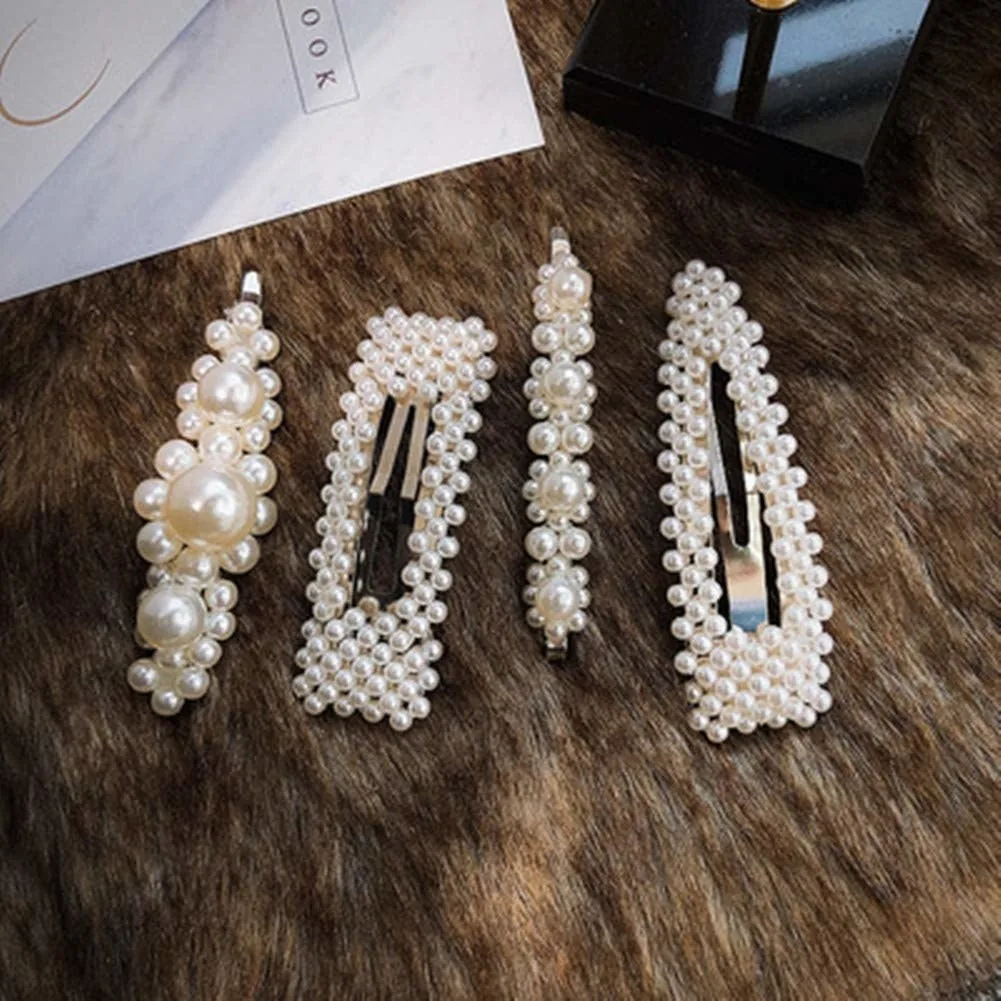
Placement is where barrettes look intentional or accidental. Keep them level or at a deliberate diagonal, and line them up with the arch of your eyebrow or just behind the hairline rather than at random. At the back of the head, a single barrette can hold face-framing pieces in a subtle half-up style, which is pretty from behind and simple from the front.
Headbands: two ways to place them
For the classic look, set the headband at the hairline and push it back a little until it sits comfortably behind the ears, which lifts the roots slightly at the crown. For a softer, more modern take, part your hair first, place the band over the crown and then comb some hair forward over it so it sits partly hidden.
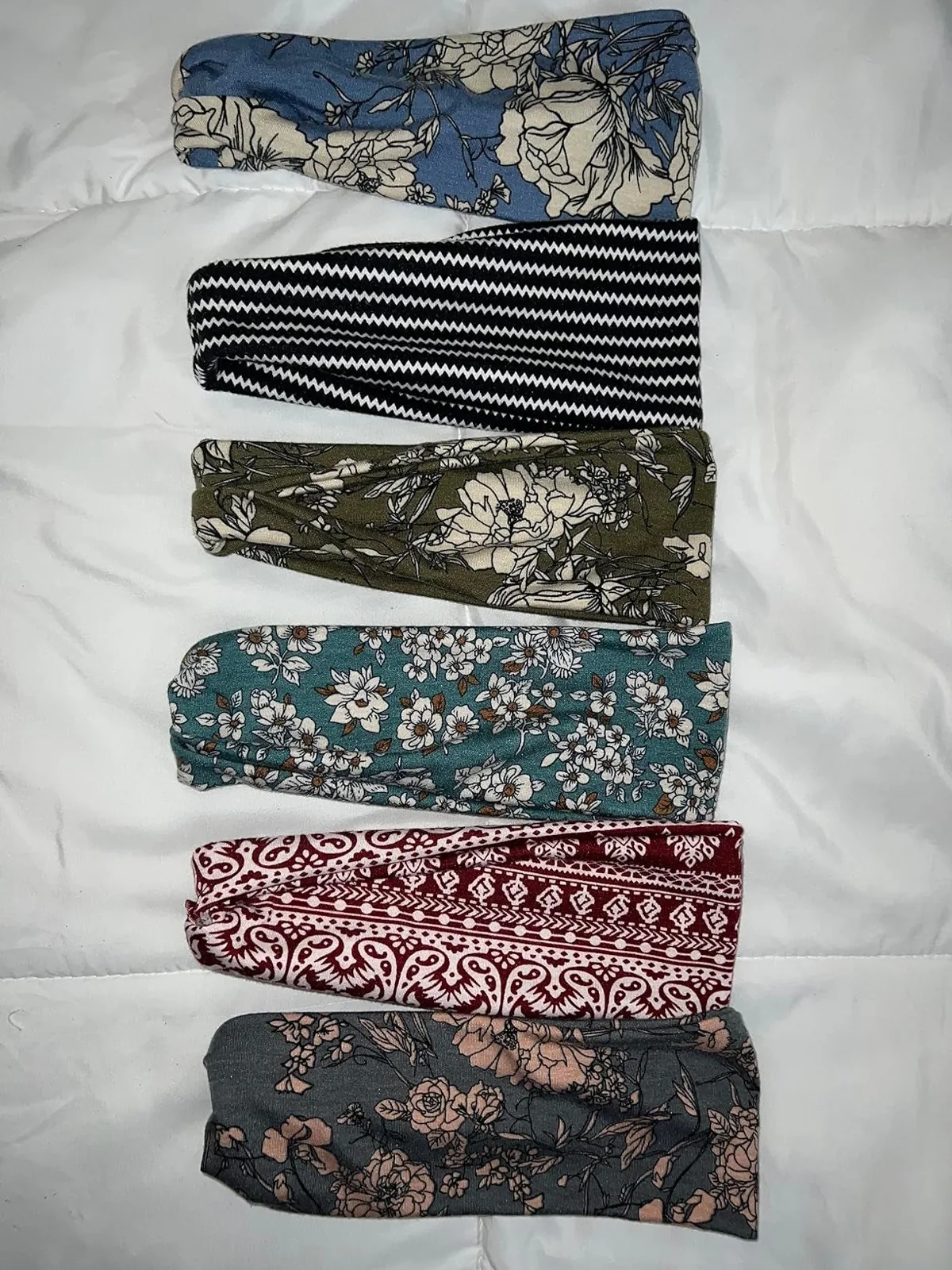
Padded and knotted headbands are statement pieces, best with simple clothes and small earrings. Thin metal or pearl bands are delicate enough for evening and work well with short cuts and slicked-back styles. Wide fabric bands are practical on days with second-day hair or after a workout, and a printed one can tie in a color from your outfit. If a headband pinches behind the ears or gives you a headache within the hour, it is too tight for everyday wear; a fabric-covered or flexible design spreads the pressure.
Bows and scarves, without the costume
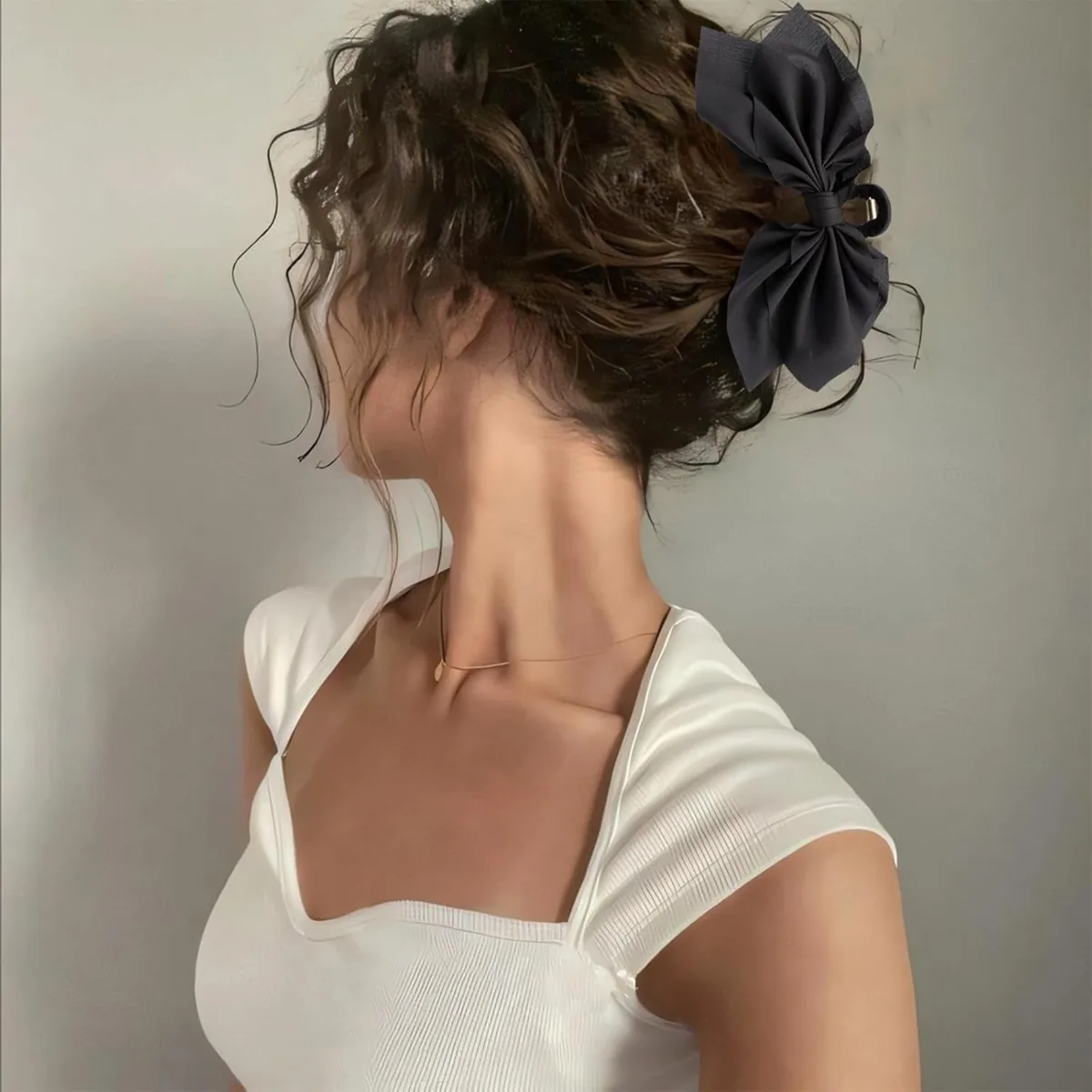
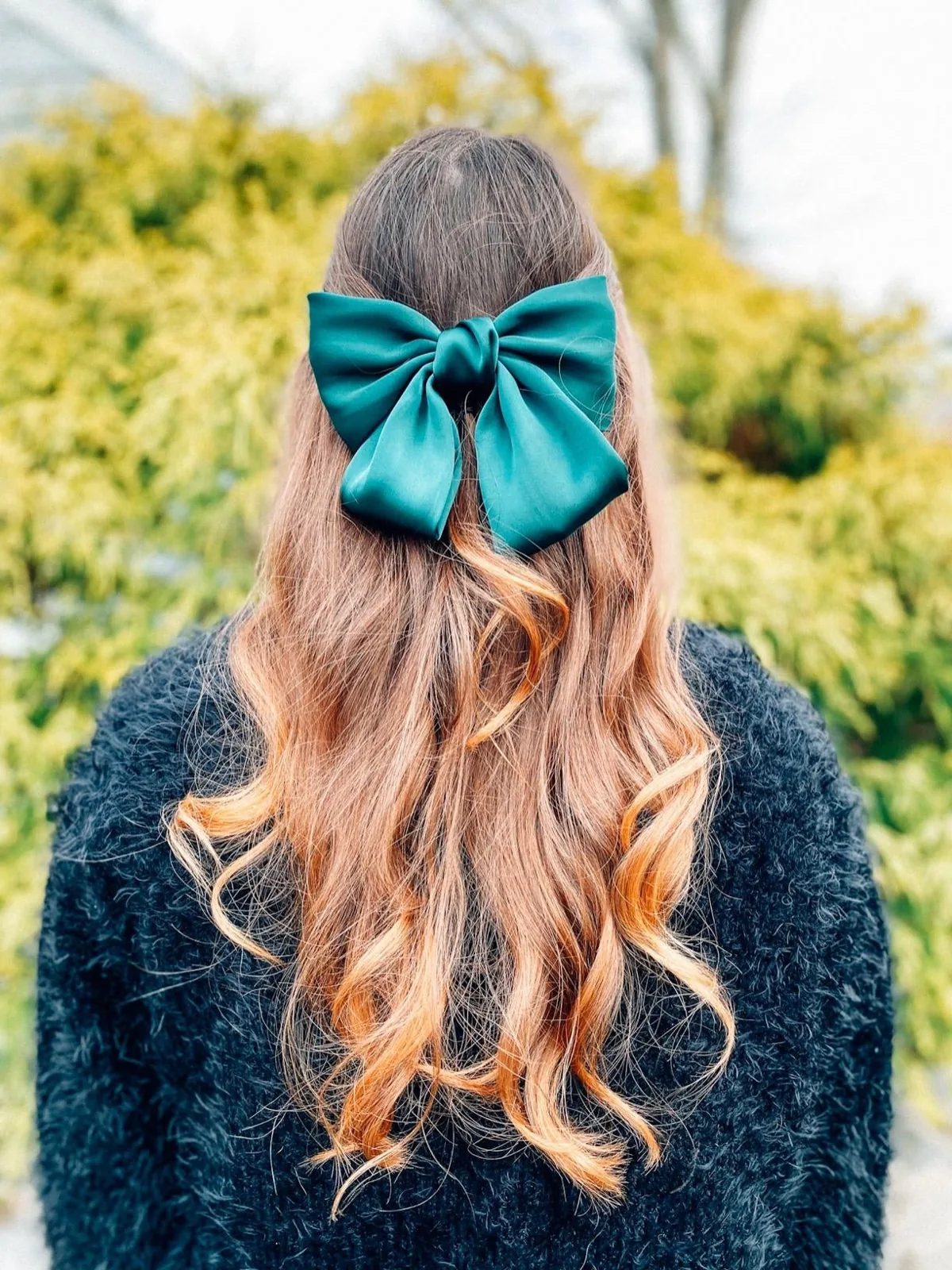
Bows are everywhere at the moment, and they look most polished when the bow is in a substantial fabric, such as satin, velvet or grosgrain, and the color is muted: black, navy, cream, burgundy or deep green. Pin one at the back of a half-up style or at the base of a low ponytail, and let the rest of the outfit stay simple. A bow clip on a loose updo is an easy evening idea.
A skinny scarf or a scrunchie with scarf tails does the same job in a softer way: tie it around a low ponytail or bun and let the ends hang. The neater the hair underneath, the more deliberate it looks. Our guide to tying and wearing a silk scarf covers the folds and the headband and headscarf versions step by step.
Give your hair something to hold on to
Freshly washed, silky hair makes everything slide. A little dry texture spray or dry shampoo at the roots gives clips and pins more grip, and second-day hair often holds best of all. Bobby pins in your own hair color, crossed in an X under the accessory, add security that nobody sees.
Be kind to your hairline
Dermatologists warn that styles which pull constantly, such as tight buns, ponytails and updos worn day after day, can cause a type of hair loss called traction alopecia, and the hairline is usually where it shows first. The easy safeguards are to keep styles loose, to change where you place your clip or ponytail from day to day, and to take out anything that hurts straight away. Fabric-covered elastics and smooth claw clips are gentler than thin rubber bands, and giving your hair a down day now and then makes a real difference.
- Skip metal joins. Elastics with a metal clasp catch and snap strands; seamless covered elastics, scrunchies and spiral ties are gentler.
- Watch for warning signs. Soreness, small bumps along the hairline or a ponytail that leaves your scalp tender all signal too much tension. Loosen the style before you see thinning.
- Take it all out at night. Sleeping on clips, pins and tight elastics adds friction and pressure for hours. A loose scrunchie or braid is the kindest way to sleep with hair tied back.
Quick Answers
Why does my claw clip give me a headache? Usually it is too heavy, gripping hair that is pulled too tight, or sitting right on the bump at the back of the skull. Loosen the twist, move the clip slightly higher and try a lighter or flat-backed design.
Is it safe to drive with a claw clip? A bulky clip sits between your head and the headrest, which is uncomfortable and pushes your head forward, and safety advocates have warned it could cause injury in a crash. For long drives, a flat clip, a low bun or a scrunchie is the better choice.
What works on short hair? Small claw clips, slim barrettes and snap clips used to pin back the sides or a fringe. Thin headbands also suit short cuts well.
Can hair accessories hide thinning or a growing-out fringe? Yes. A headband worn slightly forward or a pair of barrettes at the part draws the eye to the accessory and holds shorter pieces in place without pulling.
Matching the accessory to the occasion
For the office, stick to one neutral piece: a matte claw clip with a knit and trousers, a tortoiseshell barrette with a blazer, or a slim headband with a shirt dress. For dinners and parties, bring in pearls, satin, velvet or a bit of sparkle, and wear your earrings smaller so the two do not compete. On weekends, anything goes, from bright clips to printed scarves.
If you are starting from nothing, buy two pieces: a matte claw clip sized for your hair in a shade close to your hair color, and one barrette or bow in black or tortoiseshell. Between them they cover the desk, the gym bag and dinner. For more ways to finish an outfit, browse our jewelry and accessories guides.