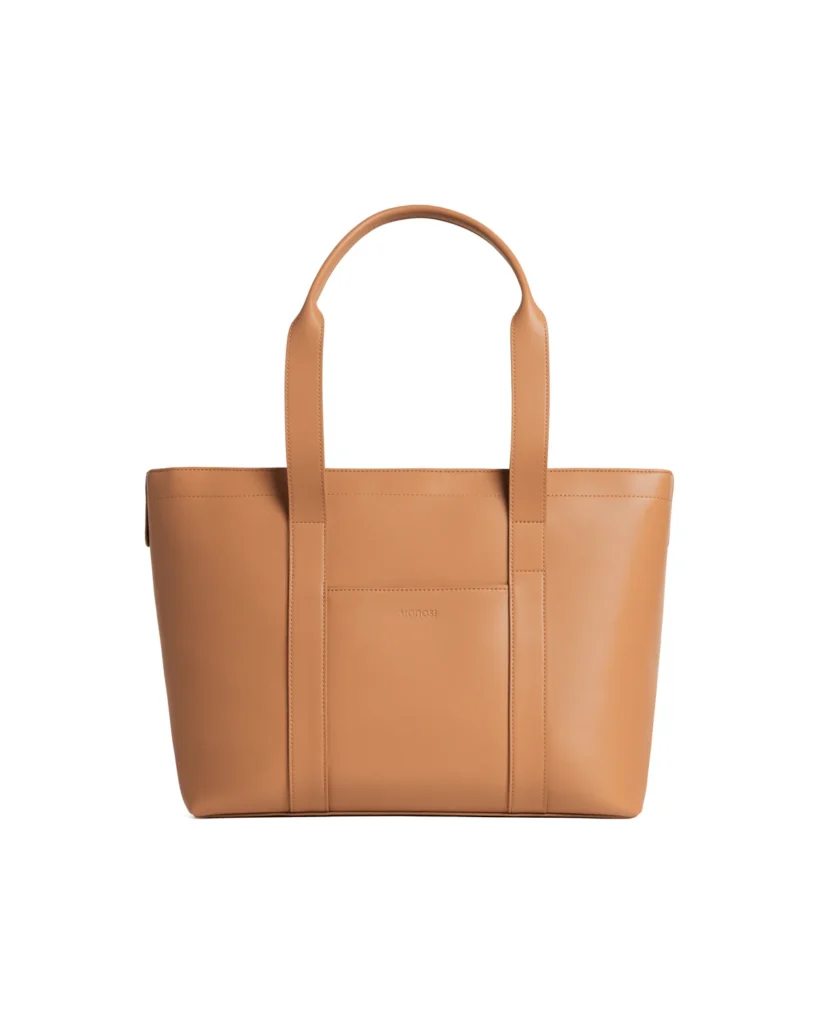
A Chelsea boot is supposed to be the easy shoe: pull it on, walk out the door, wear it with jeans on Saturday and trousers on Monday. The trouble is that plenty of good-looking pairs are built like dress shoes, with thin leather soles and a hard heel that make a long walk feel longer. The boots below are the ones we would actually wear from the train platform to the office to dinner and back, without counting the blocks.
What we looked for
We read boot editors’ long-term tests and comparison pieces, then went through owner reviews on each brand’s own site and on Amazon, paying most attention to people who wear their pair several days a week. Every boot here has a rubber outsole with real grip, some kind of cushioning under the foot and an elastic gusset that holds the heel without pinching. We also noted sizing quirks, because a Chelsea that slips at the heel will never be comfortable, however soft the footbed is. If you are still deciding between a Chelsea, a lace-up or a lug-soled boot, our guide to choosing comfortable boots walks through what to check in the store.
Blundstone Original #500
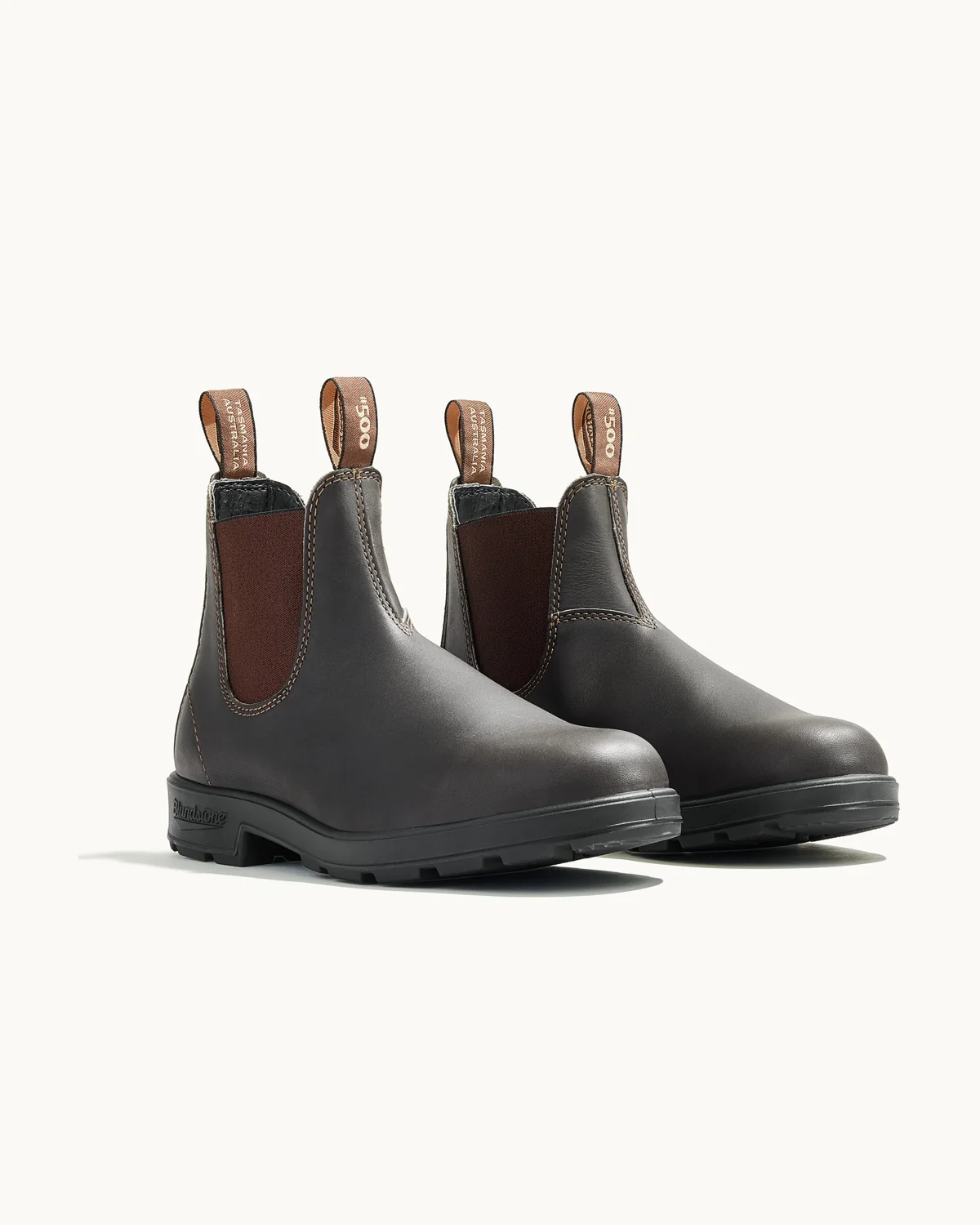
If you have ever stood in a coffee line in a cold city, you have seen this boot. The #500 has barely changed since the late sixties, and the reason is simple: it is about as close to a sneaker as a leather boot gets. The upper is a single piece of thick, water-resistant, unlined leather, so there are few seams to rub, and underneath sits a cushioned midsole, a removable footbed and a shock-absorbing insert in the heel. The TPU outsole is hard-wearing, and a steel shank adds a little stability underfoot.
Owners regularly describe full days of sightseeing in them, and some report pairs still going after ten years. The thicker leather starts out firm across the top of the foot and takes a few wears to soften. One honest knock from testers: the sole is fairly thin, so you will feel sharp stones on a trail.
Fit note: Blundstone uses Australian/UK sizing. Use the brand’s conversion chart rather than your sneaker size, and if your heel lifts, go down rather than up; size up only for a wider fit.
Thursday Duke in Chocolate Suede
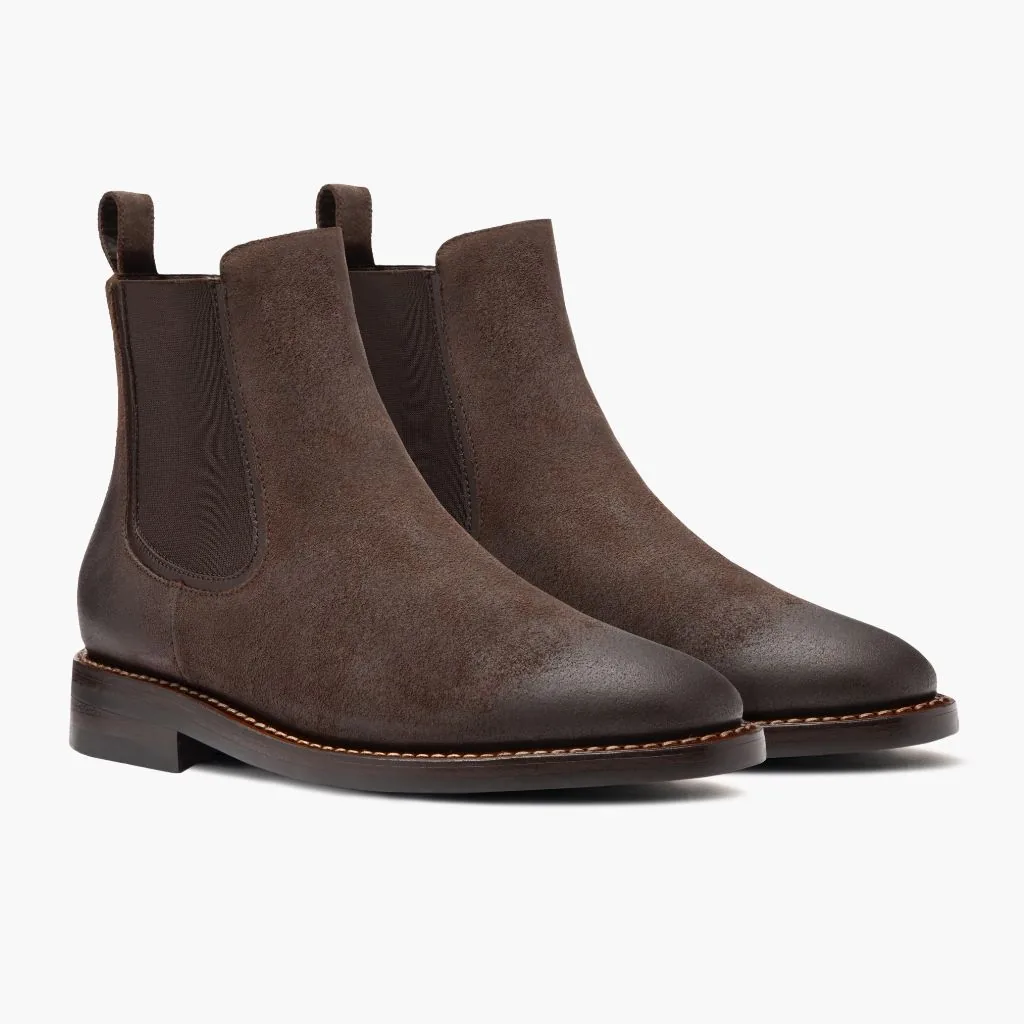
The Duke is the pick for someone who wants a sharper, slimmer boot that still behaves on a long day. It is Goodyear welted, which means it can be resoled when the studded rubber outsole wears down, and the inside is lined with soft glove leather. Comfort comes from a cork midsole that slowly molds to your foot and a shock-absorbing foam insole, a combination that reviewers say needs very little breaking in, particularly in suede.
The suede is treated to shrug off rain, and people who have worn theirs for several winters say puddles are not a crisis, though light suede will still mark more easily than smooth leather. The Duke has thousands of reviews on Thursday’s site with a near-perfect average. The criticism, from more critical style reviewers, is that some materials are simpler than you would find on boots at twice the price.
Fit note: Thursday advises ordering half a size down from your sneakers, or your usual leather-boot size. Owners are split on whether it runs big, so measure your foot if you can.
Nisolo Go-To Chelsea Boot 2.0
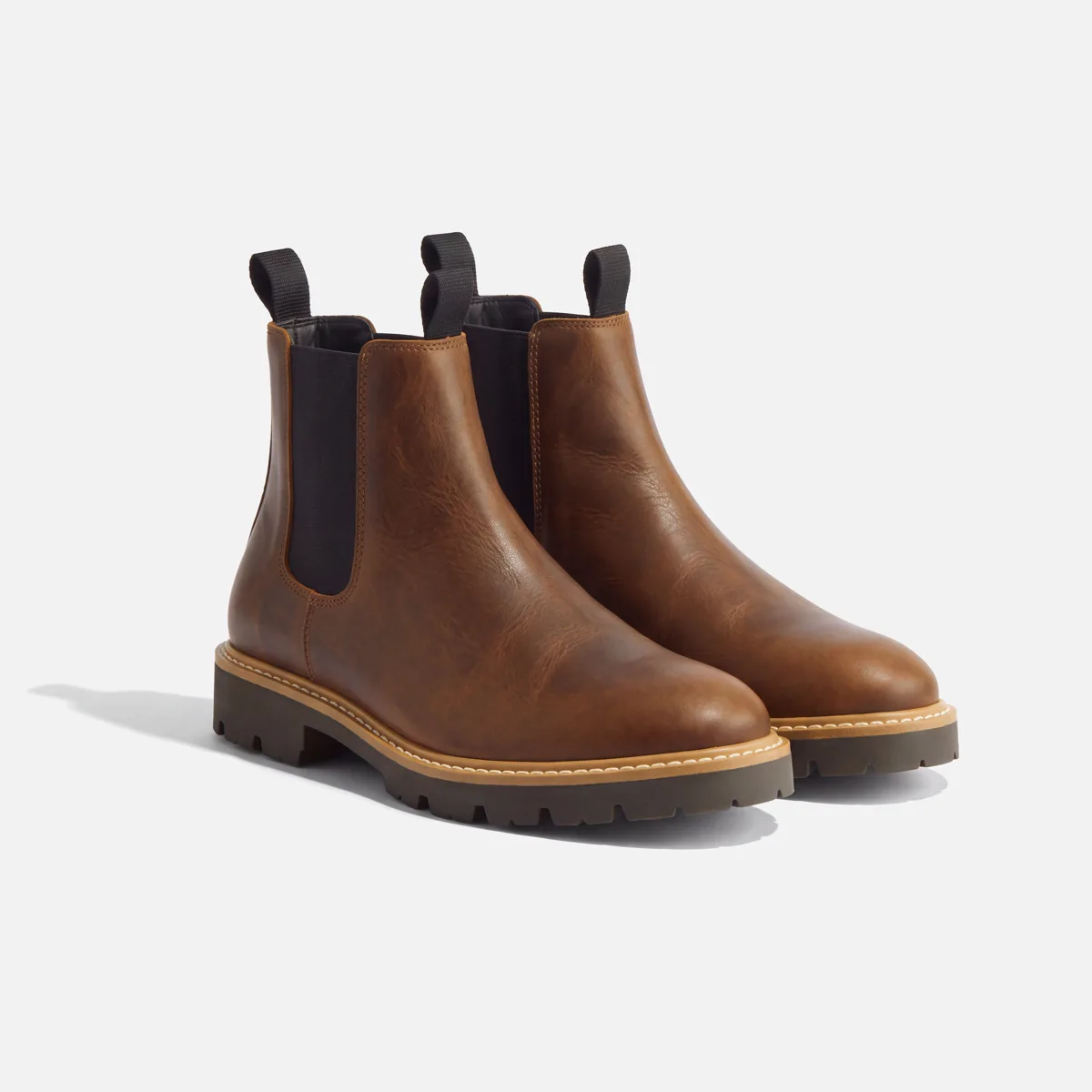
This is the boot to choose if your days involve more walking than sitting. Nisolo pairs a sturdy leather upper with a chunky, high-cushioning EVA lug sole, which the brand says makes the boot about half the weight of a typical leather boot. Inside there is a leather-lined memory foam footbed, and two pull tabs make it easy to get on with one hand. The heel is a modest 35 millimeters, so it reads rugged rather than tall.
Owners mostly talk about two things: how light the boots feel despite the thick sole, and how comfortable they are within the first week. The whiskey leather has a slightly worn, oiled look that suits jeans and chinos more than a suit. A couple of buyers found their usual size snug at first and expected the leather to stretch, while one suggested going up half a size if you wear thick wool socks.
Good to know: The leather comes from a Leather Working Group certified tannery, and the boots are handmade.
ECCO Grainer Chelsea Boot
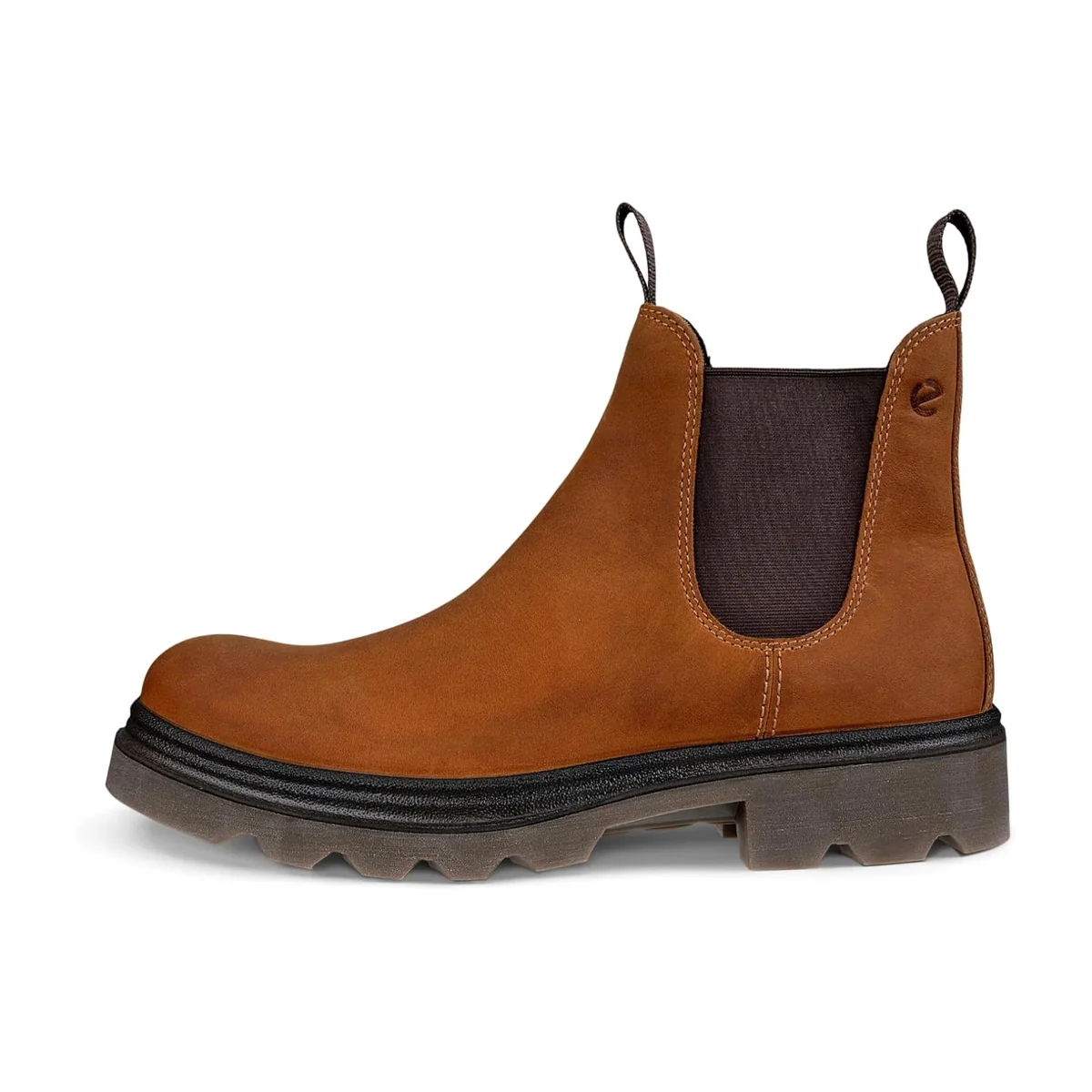
ECCO built its name on comfortable walking shoes, and the Grainer brings that thinking to a Chelsea. The sole is bonded directly to the upper rather than stitched, which keeps the boot flexible, and the deep rubber lugs are made for slick sidewalks and muddy paths. The upper comes in a water-repellent oiled nubuck or smooth leather, with a leather collar and a removable textile insole you can swap for your own orthotic.
Buyers describe it as very comfortable to walk in, with noticeable give in the sole and less weight than the chunky profile suggests. Some needed about a week of wear before it felt fully broken in.
Fit note: ECCO sizes in European sizes, and the Amazon listing pairs them with US half-size ranges. Reviewers disagree on whether it runs large, and there is no wide option, so check the size chart and keep the box until you have worn them around the house.
Clarks Jaxen Easy
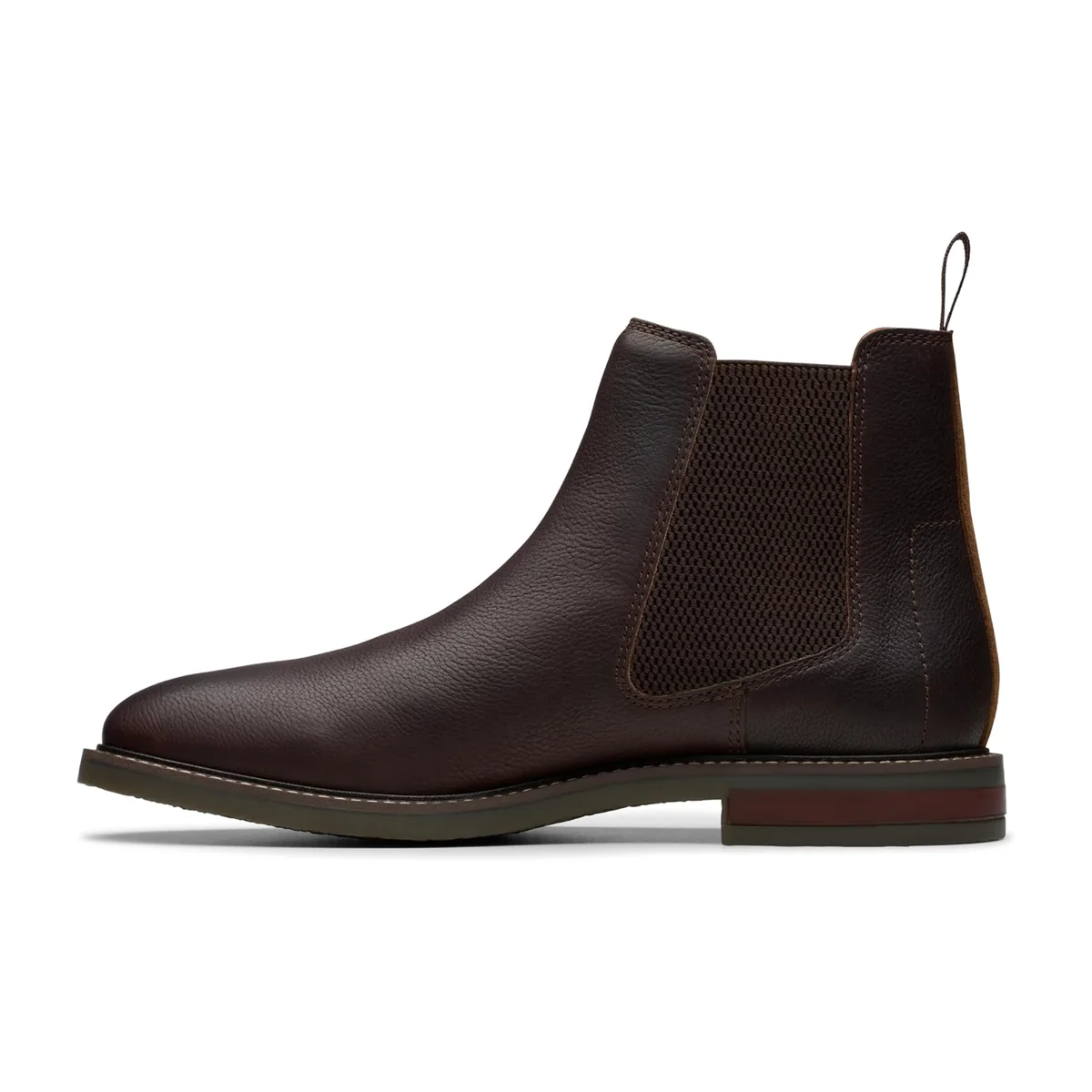
Not everyone wants a lug sole or a workwear look. The Jaxen Easy is a cleaner, dressier Chelsea in tumbled brown leather that works with chinos, wool trousers and a navy blazer, but it is built with Clarks’ cushioned comfort footbed and a lightweight, flexible rubber outsole instead of hard leather. The stacked-look heel adds a little height without tipping you forward, and the elastic panels and heel loop make it a true pull-on.
Amazon buyers rate it highly for comfort, often mentioning how soft the leather feels around the foot and how well the insole is padded. It is also the easiest boot here to wear straight out of the box, since the leather is soft rather than thick and stiff.
Best for: an office with a smart-casual dress code, or anyone who wants one boot that can go to a wedding as easily as to the pub.
How to choose
Pick the sole first. For lots of walking, a rubber or lug sole beats leather every time: it grips, it absorbs more impact and it does not mind rain. Save leather-soled Chelseas for days when you are mostly sitting.
Check the heel. The elastic gussets do the job laces do on other boots. Walk around and watch for your heel lifting more than a little; a sliding heel is the most common reason a Chelsea gives blisters.
Leather or suede? Smooth and oiled leather is the easier choice for wet winters and needs only wiping and the occasional conditioner. Suede looks softer and pairs well with denim and knitwear, and treated suede handles a shower better than you might think, but it needs a brush and a protector spray. Our suede and leather care routine covers both.
Think about resoling. Goodyear-welted boots like the Duke can be resoled by a cobbler, which stretches the life of a pair you love. Cemented and directly bonded soles are lighter and flexible from day one, but when the sole is gone the boot usually is too.
Quick answers
Should Chelsea boots be tight? Snug, not tight. The instep should feel held and the heel should move only a little. Expect leather to give slightly with wear, but it will not get any longer.
Can you wear Chelsea boots with a suit? A slim, dark, smooth-leather pair works with most suits; chunky lug soles and casual suede are better with jeans, chinos and odd trousers.
How long does break-in take? Soft or suede uppers often feel right within a few days. Thick leather like the Blundstone can take a couple of weeks of regular wear, so start with shorter outings.