Straps that slide off all day, a band that creeps up your back, a wire that pokes by mid-afternoon: if that sounds familiar, you are probably wearing a size you were measured for years ago, or one you picked off the rack. A bra that fits should be close to forgettable, supportive and comfortable, not something you count the minutes to take off.
You can diagnose most fit problems in front of a mirror in five minutes. Here is how to read the signs part by part, and what to change for each.
First, put it on the right way
Fit checks only work if the bra is on properly. Fasten a new bra on the loosest set of hooks; the band will stretch with wear, and the tighter hooks are there to take up the slack later. Then lean forward slightly and, one side at a time, use the opposite hand to gently scoop breast tissue from under the arm and below into the cup. Stand up, adjust the straps, and only then judge the fit. This “scoop and swoop” often changes how the cups look entirely.
The band does most of the work
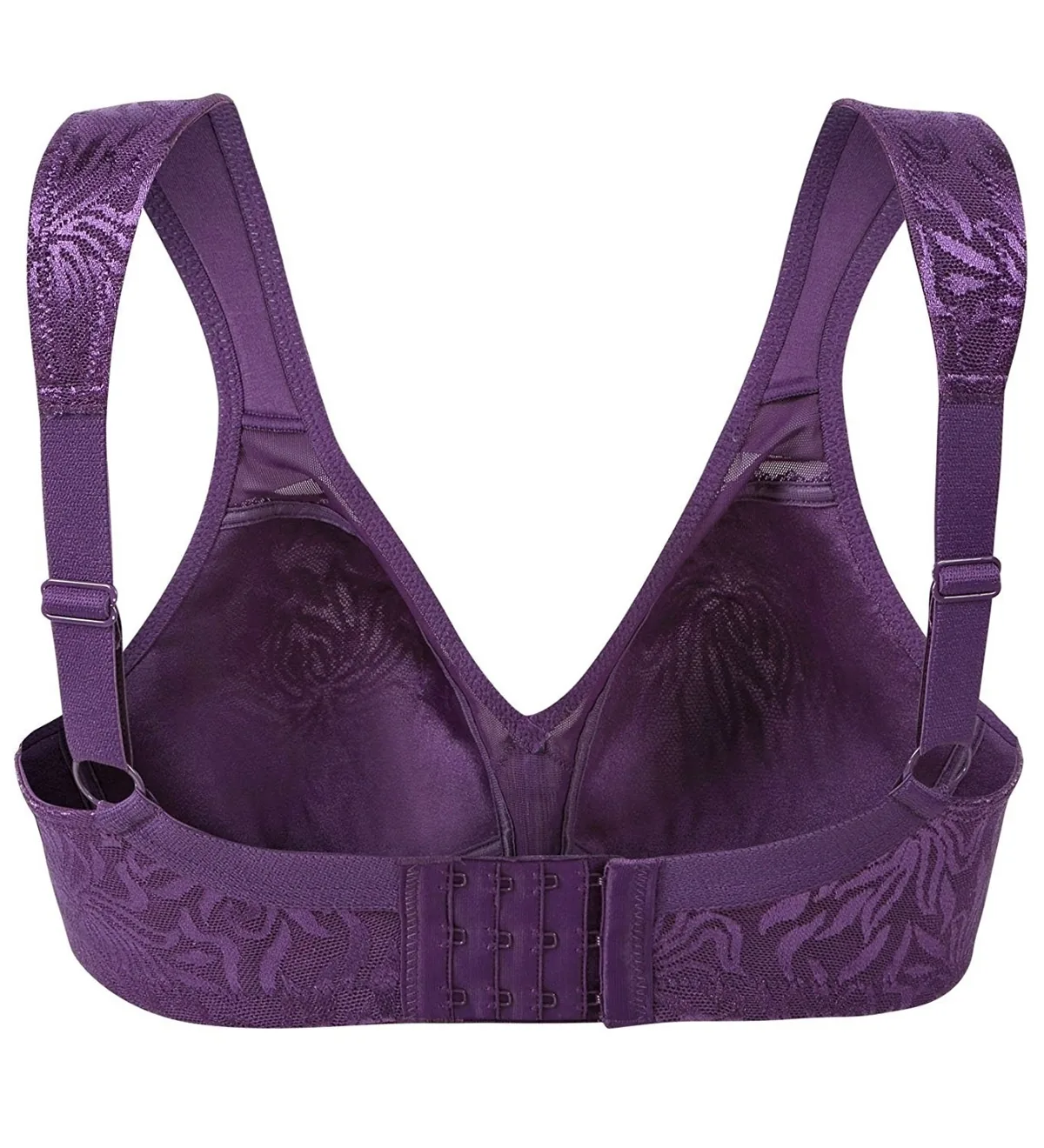
The band, not the straps, carries most of the support; fitters often put it at the large majority. That is why so many problems that look like strap or cup issues are really band issues.
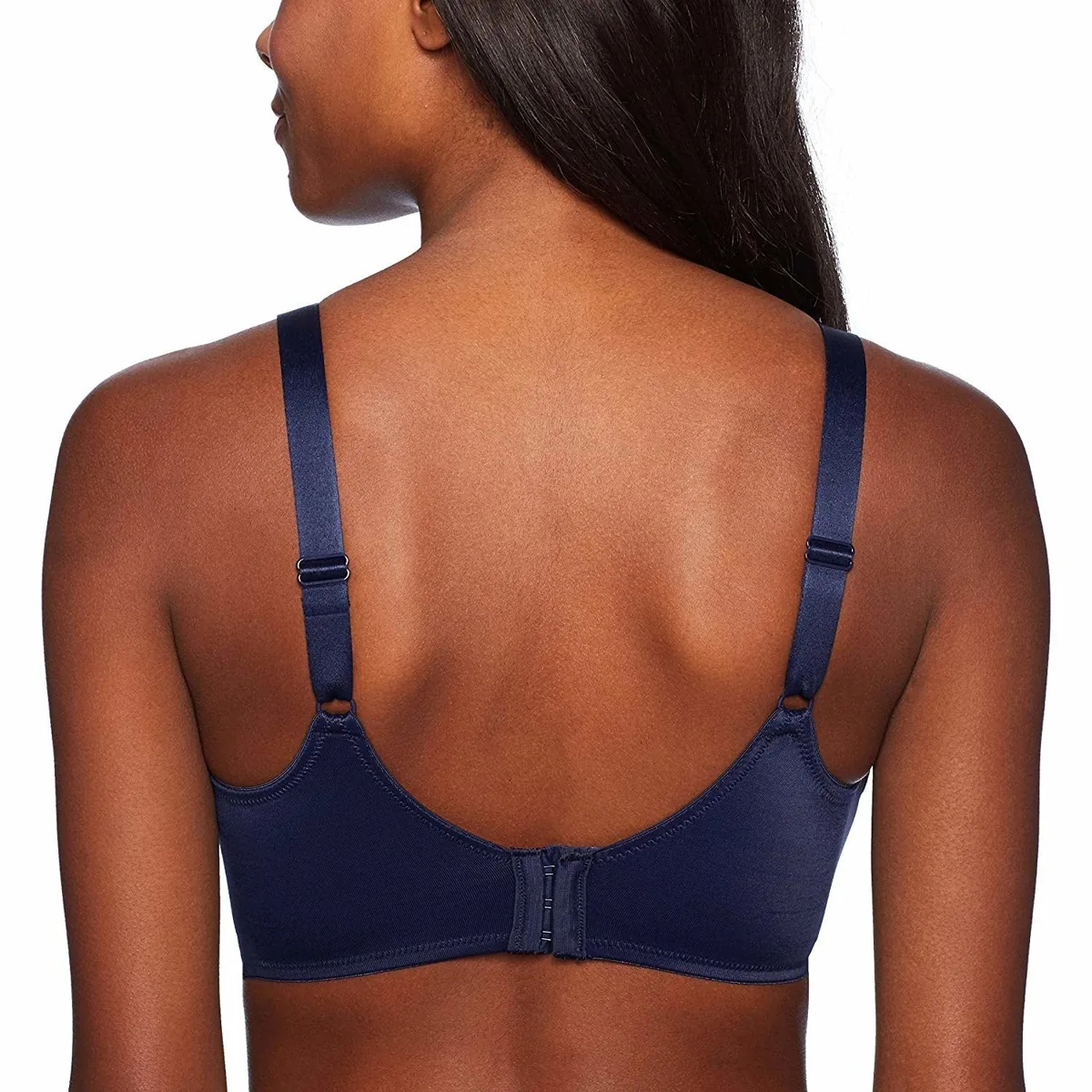
- It should sit level. Look at your back in a mirror. The band should run straight around the body, at the same height front and back. If it arches up between your shoulder blades, it is too loose.
- It should be snug on the loosest hook. You should be able to slide two fingers under the back of the band, but not much more. If you can pull it several inches away from your back, it is too big.
- It shouldn’t need the tightest hook from day one. If a new bra only feels secure on the last row of hooks, the band size is too large.
- It shouldn’t dig or leave deep marks. A band that is painfully tight may be too small, or the elastic may simply be worn out and need replacing.
Reading the cups
Once the band is right, look at the cups. Breast tissue should be fully contained, with the edge of the cup lying smoothly against you.
- Spilling over the top or sides, sometimes called “quad boob,” means the cups are too small. Try one cup size up in the same band.
- Wrinkling or empty space at the top of the cup can mean the cups are too large, but it can also mean the shape is wrong for you. A plunge or balconette may gape where a full-coverage style fills out, and vice versa.
- Uneven fit is normal; most people have one side slightly larger. Fit the larger side and, if needed, add a removable pad to the smaller cup.
Shape matters as much as size
Two people in the same size can need very different bras, because breasts differ in how wide they are at the base, how far they project and where the fullness sits. If the size seems right but the cups keep misbehaving, try a different style before a different size:
- Fuller on top: balconette or demi cups, or a cup with a stretch lace edge, avoid the cut-in “double bubble” that a stiff, full-coverage edge can cause.
- Fuller at the bottom, shallower on top: molded T-shirt bras with a stretchy top edge, or plunge styles, fill the top without gaping.
- Projected (tissue sits forward on a narrower base): seamed, unlined cups and full-coverage styles give more depth; molded cups can feel too shallow.
- Wide-set or wide at the base: look for wider wires and side support panels, so the wire does not sit on tissue under the arm.
- Close-set: plunge styles with a low, narrow center gore usually lie flatter on the breastbone.
A quick at-home check: put a thin, fitted tee on over the bra. A ridge across the top of the cup means the edge is cutting in; a dent or wrinkle means the cup is too big or the wrong shape; a smooth line means it works under clothes.
The center gore and the wires
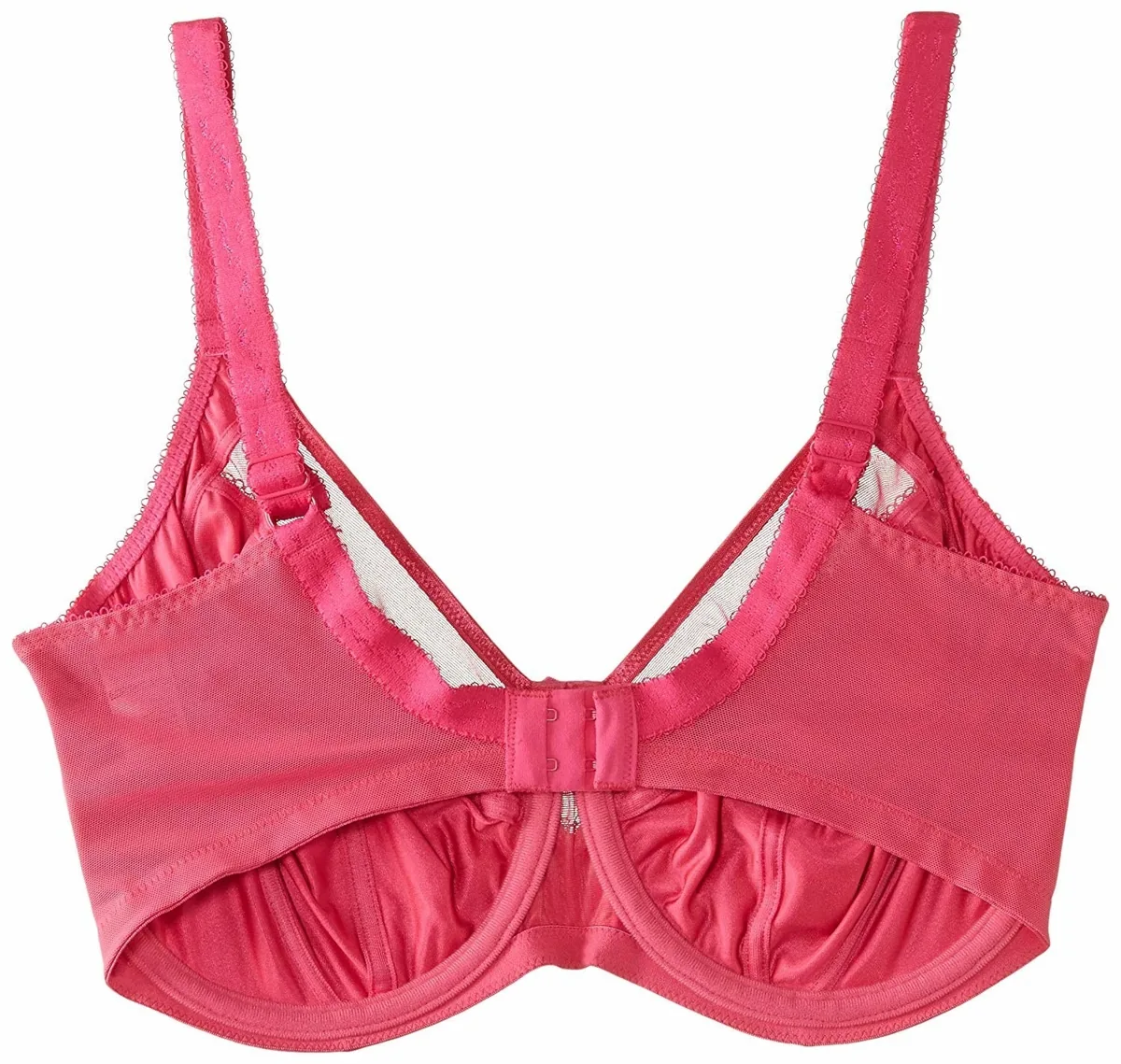
On an underwire bra, the small panel between the cups, called the center gore, should lie flat against your breastbone. If it floats away from your chest, the cups are usually too small, or the shape of the bra does not suit you.
The wires should follow the crease beneath each breast and sit on your ribcage all the way around, ending behind the breast tissue toward your underarm rather than on top of it. A wire that sits on breast tissue at the side, or that tilts outward away from your body, points to a cup that is too small. A wire that digs into your ribs can mean the band is too tight or that the wire shape isn’t right for you.
Straps are the last thing to fix
Straps should stay put without leaving red grooves in your shoulders. If you have to keep tightening them, or they dig in by the end of the day, the band is usually too loose and the straps are doing work they weren’t designed for. Go down in the band before blaming the straps.
If straps still slip off with a well-fitting band, you may have narrow or sloping shoulders. Styles with straps set closer together, a racerback, or a convertible strap that can be hooked into a J shape at the back usually solve it.
Measuring yourself at home
A tape measure gives you a starting point, not a final answer. Wear an unpadded bra, keep the tape level, and take two measurements:
- Underbust: snugly around your ribcage, directly under the bust, breathing out. Bands come in even numbers, so round to the nearest even inch; if you land on an odd number, try both bands.
- Bust: loosely around the fullest part of your chest, without compressing anything.
The difference between the two suggests the cup: roughly one inch for an A, two for a B, three for a C, four for a D, and so on. Be wary of older formulas that add several inches to the underbust; they tend to produce a band that is too big and cups that are too small, which is exactly the combination behind riding bands and spilling cups.
Sizing also varies between brands and between styles from the same brand, so treat the result as the size to try first. A professional fitting, which looks at your body instead of a formula, is the most reliable check if problems persist.
Cup letters also stop matching between countries after D. US and UK sizing agree up to DD; beyond that, UK brands go E, F, FF, G, while many US brands go DDD (sometimes labeled F), then G. A US DDD is roughly a UK E, and some US brands use “E” simply as another name for DD. Check which country a brand sizes by, and use that brand’s own chart.
Sister sizes, and when to use them
Cup letters are not fixed volumes; they are relative to the band. That means you can move between related sizes, known as sister sizes, that hold roughly the same cup volume on a different band. Go down one band size and up one cup letter, or up one band size and down one cup letter. A 34C, for example, sits alongside 32D and 36B.
Sister sizing is handy when the cups fit but the band is too loose or tight, or when your size is out of stock. Stay within a step or two, though. Larger jumps change the width of the wires, the placement of the straps and the shape of the cup, so the bra stops fitting in other ways.
Bralettes, sports bras and life changes
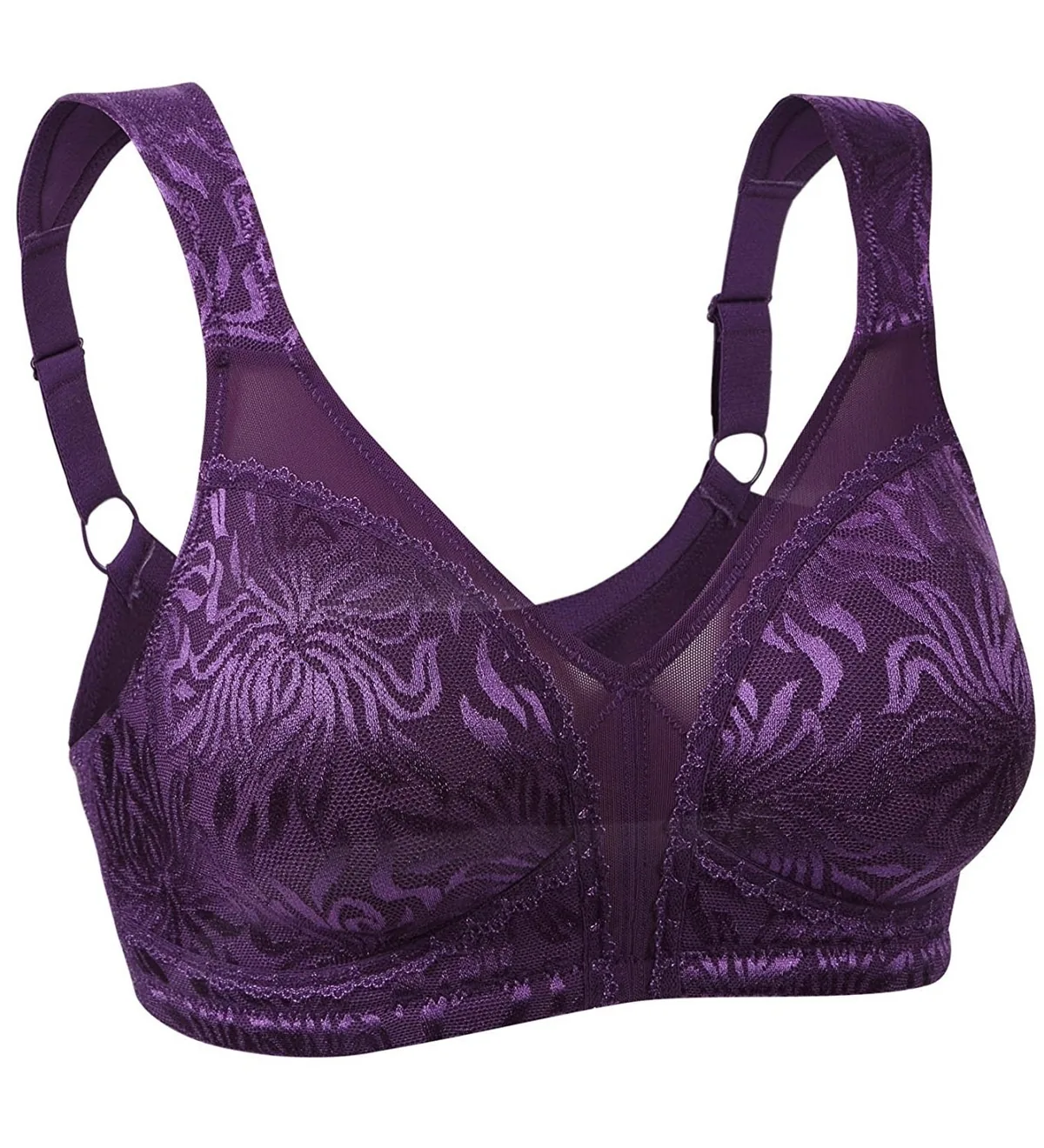
Soft bralettes and many wire-free styles are sized small, medium and large. That is comfortable for lighter support but less precise for fuller busts, so if you fall between sizes or need more lift, look for wire-free styles sold in band and cup sizes, like the full-coverage bra at the top of this page.
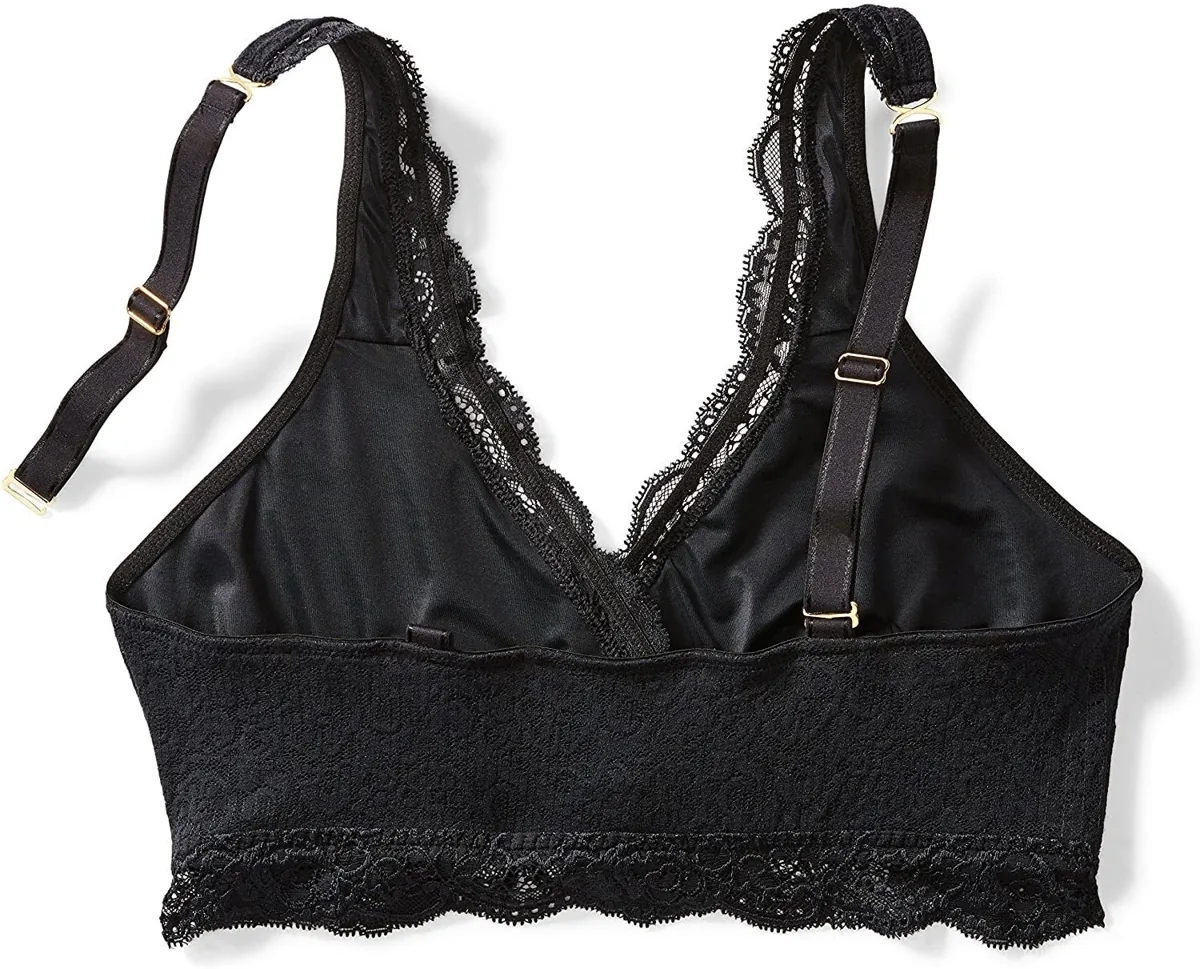
Sports bras should fit firmer than everyday bras. For running or other high-impact workouts, choose encapsulating cups (each breast supported separately) and adjustable straps rather than a single pull-on compression layer, which suits yoga and walking better.

Bras last longer when you rotate at least three everyday ones, wash each after two or three wears (sooner after a sweaty day), hand wash or use a mesh bag on a gentle cycle, and skip the dryer, since heat breaks down the elastic in the band first.
When a bra is worn out
A well-loved everyday bra typically lasts somewhere around six to twelve months of regular wear; a bigger rotation, gentler washing and fewer wears per week stretch that. Watch for these signs rather than counting months:
- The band rides up or feels loose even on the tightest hook.
- Straps keep slipping however much you shorten them.
- Molded cups stay creased or dented.
- A wire pokes through the fabric or has bent out of shape.
- Fabric is pilled, thinned or stretched at the edges.
Sports bras usually wear out sooner, since they work harder and get washed more often.
Quick answers
Should a new bra feel tight?
The band should feel firm on the loosest hook, like a snug hug, but you should be able to breathe deeply and slide two fingers under it. Tight enough to hurt or leave deep grooves is too small.
Why does the wire hurt under my arm?
Usually the cup is too small, so the wire sits on breast tissue instead of behind it, or the wire is too wide or too tall for your shape. Try a cup size up first, then a style with shorter side wires.
How many bras do I actually need?
Three everyday bras is a sensible minimum so each gets a rest day, plus specialty styles such as a sports bra or strapless if your life calls for them.
Bodies change with weight shifts, hormones, pregnancy, nursing and age, so recheck your fit every six months to a year, and whenever a once-comfortable bra starts to feel wrong. Start with the band, every time; fix that and the cups and straps often fall into place. A good fit underneath also changes how everything on top hangs, from a fitted tee to a work blouse. Find more practical style guides in our Women section.