If your face feels tight an hour after washing, your shins look a little ashy and your lips never quite recover, your skin is telling you the season has changed. The fix is rarely a whole new routine. It is a handful of smart swaps, made a bit earlier than you think you need them.

Why winter is so hard on skin
Cold air holds less moisture than warm air, and indoor heating dries the air even further. Your skin loses water to that dry air all day long. Add hot showers, wind, scarves rubbing at your chin and more frequent hand washing, and the outer layer of your skin, the barrier that keeps water in and irritants out, starts to struggle.
The result is that familiar mix of tightness, flaking, dullness and sometimes stinging when you apply products that felt fine in summer. The goal for winter, then, is simple: lose less water and put more back.
Cleanse more gently
Start with the step that takes moisture away. If your cleanser foams up generously or leaves your skin squeaky, switch to a cream, milk or gel cleanser that rinses clean without that stripped feeling. Many people find that a splash of lukewarm water is enough in the morning, saving a proper cleanse for the evening.
Water temperature matters as much as the formula. Very hot water feels wonderful on a cold day but dissolves the natural oils your skin needs. Keep showers and face washing warm rather than hot, and on the shorter side: dermatologists suggest five to ten minutes, with the bathroom door closed so the steam keeps the air humid. Pat dry instead of rubbing, and on the body, use cleanser only where you need it rather than lathering every inch.
Add a hydrating layer
A watery hydrating toner or essence right after cleansing gives your skin a drink before you seal it in. Look for humectants such as glycerin, hyaluronic acid or panthenol, which pull water into the outer layer of skin. Milky toners, which sit somewhere between a toner and a light lotion, are especially comfortable in winter because they add a little cushioning as well as water.

Upgrade your moisturizer
This is where most of the difference happens. A good winter moisturizer usually combines three kinds of ingredients:
- Humectants like glycerin and hyaluronic acid to draw in water.
- Emollients like squalane, plant oils and shea butter to soften and smooth.
- Occlusives like petrolatum, dimethicone or beeswax to form a light seal that slows water loss.
If your summer gel cream suddenly disappears in minutes, move to a richer cream, at least at night. Apply it while your skin is still slightly damp from cleansing or toner; that traps extra water underneath. Very dry areas, such as the sides of the nose, around the mouth or across the cheekbones, can take a second thin layer or a dab of balm on top.
Texture is a quick shortcut when you read labels: ointments hold in the most water, creams come next and lotions, which are mostly water, the least. Fragrance-free formulas are the safer bet while your skin is irritated, since fragrance is a common trigger for stinging on a weakened barrier.
What about slugging?
Slugging means smoothing a thin film of petroleum jelly over your night cream to seal everything in. On very dry, flaky skin it can make a real difference by morning, and spot-slugging just the driest patches is a gentle way to try it. Skip it on the face if you are prone to breakouts, and avoid sealing it over a retinoid or exfoliating acid, which can turn a mild active into an irritating one.
Keep a balm in your bag
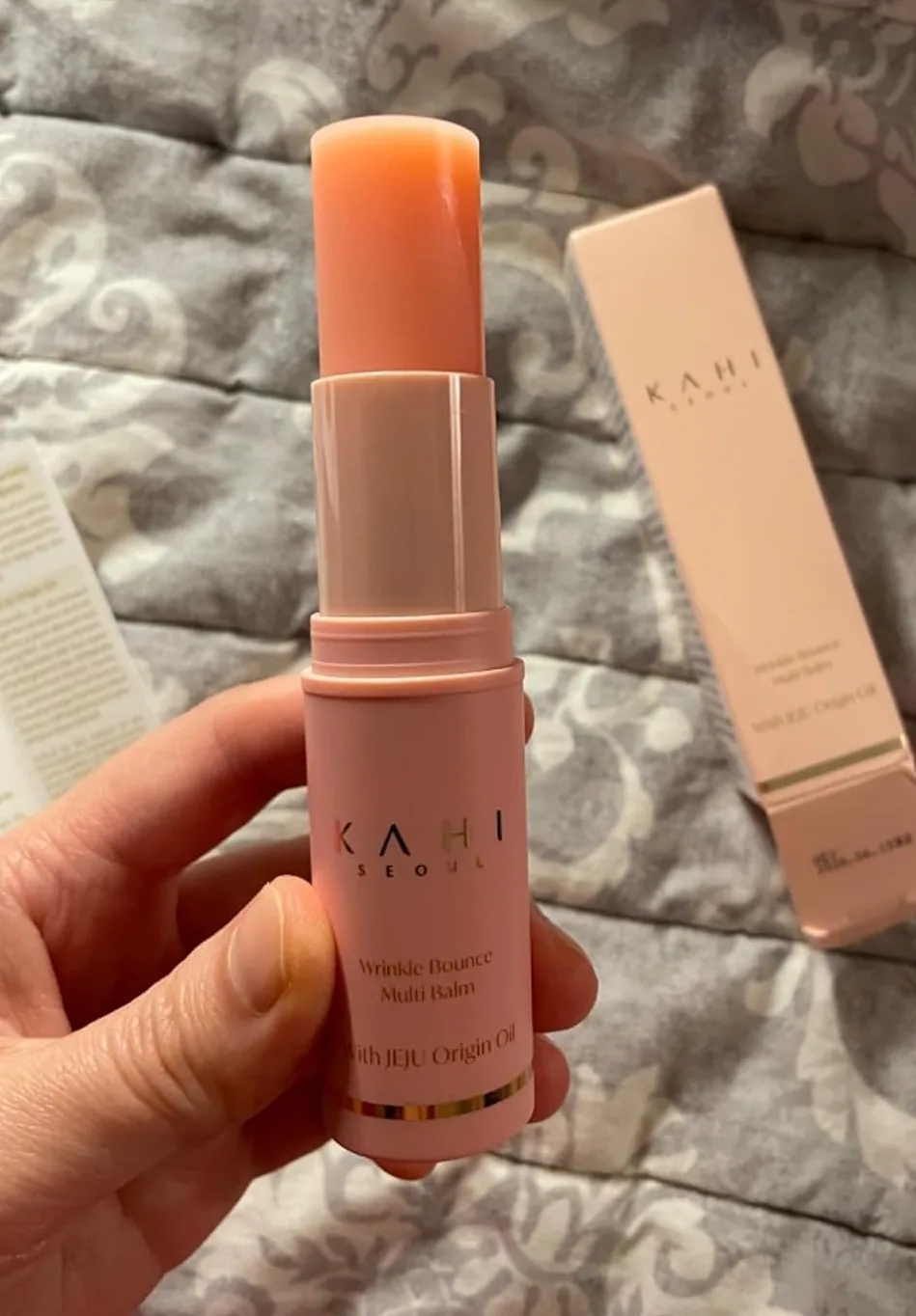
Wind and cold can leave cheeks and the area around the nose raw by midafternoon. A solid balm stick is an easy fix: it glides over makeup without disturbing it and adds a protective layer before you head outside. The same stick works on dry cuticles and the backs of hands.
Do not skip sunscreen
Winter sun is weaker, but UV rays still reach your skin on gray days, and snow can reflect up to around 80 percent of UV back up at your face. Keep sunscreen in your morning routine all season, and reapply if you ski, hike or spend long stretches outside. Our everyday sunscreen guide covers how much to use. In winter, a moisturizing sunscreen can sometimes double as your day cream; if it feels too light, layer it over your regular moisturizer instead.
Exfoliate less often
Dry, flaky patches tempt you to scrub them away, but harsh scrubs and strong acids can make an already stressed barrier worse. Cut back to once or twice a week, choose gentler options such as lactic acid or PHA, and skip exfoliation entirely on nights your skin stings. Often, more moisture is what clears the flakes, not more exfoliation.
The same goes for retinoids. If yours suddenly stings or peels in the cold months, drop to every second or third night and put a layer of moisturizer on first. A short break from an over-the-counter retinol while your skin settles is better than pushing through raw, cracked skin; if yours is a prescription, ask the prescriber how to adjust it.
Take care of the body, too
Body skin, especially the shins, forearms and hips, tends to get even drier than the face because it has fewer oil glands. A few easy changes help, and our guide to body care for rough, bumpy skin goes further on exfoliating and rough patches:

- Use a creamy, moisturizing body wash instead of a harsh soap bar.
- Pat yourself almost dry after showering and apply body lotion or oil within a few minutes, while skin is still damp.
- Body oil can be pressed over lotion on extra-dry areas like knees and elbows.
- Choose soft layers against the skin; rough wool directly on dry skin can feel itchy, so put a thin cotton or silk layer underneath your favorite sweater.

Lips, hands and feet
Lips have no oil glands of their own, so they dry out first. Avoid licking them, since saliva evaporates and leaves them drier, and reapply a balm with occlusive ingredients through the day and before bed. If your lips are cracked, steer clear of balms that tingle with menthol or strong flavoring until they heal.
- Look for: petrolatum, shea butter, castor seed oil, ceramides, dimethicone or mineral oil. For cracked lips at night, plain white petroleum jelly is hard to beat.
- Go easy on: camphor, eucalyptus, menthol, peppermint, cinnamon or citrus flavoring, and salicylic acid, all of which can sting chapped skin. Some people also react to lanolin.
- Outdoors: a lip balm with SPF 30 or higher, reapplied about every two hours. Zinc oxide or titanium dioxide formulas tend to be gentlest.
- Stop if it tingles or burns. That sensation means irritation, not “working.”
With steady care, chapped lips usually improve within two to three weeks. If they do not, see a dermatologist, since an allergy, infection or sun damage can look like ordinary chapping.
Hands take a beating from washing and sanitizer. Keep hand cream by the sink and next to your bed, and apply it after every wash if you can. Gloves outdoors make a bigger difference than most people expect, and so do rubber gloves for washing dishes, since hot water and detergent strip hands faster than cold air does.
Feet are easy to forget under socks, but cracked heels are common in winter. A rich foot cream, especially one with urea, applied at night under cotton socks softens them over time. Hydrating sock masks are a pleasant once-a-week treat if you want a little extra.

Fix the air around you
A humidifier in the bedroom helps your skin hold on to moisture overnight, and it is one of the few changes that helps your whole body at once. Aim for indoor humidity of roughly 30 to 50 percent (an inexpensive hygrometer tells you where you are), stay toward the lower end if your windows fog up, and empty and clean the tank often so it does not grow mold. Drinking enough water supports your overall health, but on its own it will not fix dry skin; what you put on the surface and the air you sit in matter more.
A simple winter routine to copy
- Morning: lukewarm rinse or gentle cleanser, hydrating toner, richer moisturizer, sunscreen, balm on exposed spots.
- Evening: creamy cleanser, hydrating toner, any treatment serum, rich cream, a thin layer of balm on very dry areas.
- Body: shorter warm showers, moisturizing wash, lotion or oil on damp skin, foot cream before bed.
If dryness comes with intense itching, cracking that bleeds or patches that do not improve with gentle care, it is worth seeing a dermatologist rather than adding more products.
Make the switch when the heating comes on, not when your skin is already cracking: a gentler cleanser and a richer night cream in the first cold week will save you a month of repair. For more routines, browse more Beauty guides or explore Reviews & Picks.