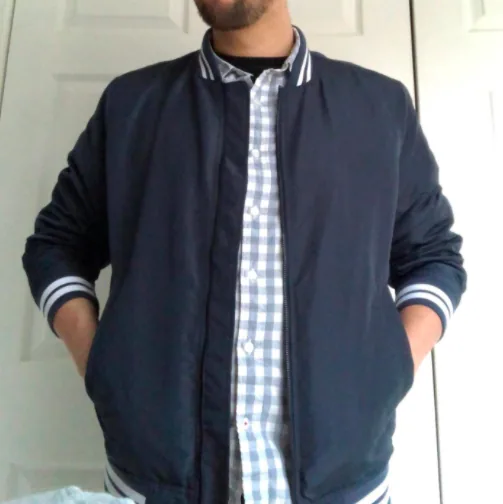
Heat has a way of wrecking good intentions. You leave the house looking crisp, and by lunchtime your shirt is stuck to your back and your jeans feel like a wetsuit. It is tempting to give up and live in gym shorts and a faded tee until September.
You don’t have to choose between comfortable and put together, though. Dressing well in hot weather comes down to a few physical facts: some fabrics let air and moisture through and others trap them, dark colors soak up more sunlight than light ones, and clothes that cling hold heat against your skin. Work with those facts and you can stay cooler and look better at the same time.
Fabric matters more than anything else
If you change one thing about your summer wardrobe, make it the fibers. Natural materials breathe and handle sweat far better than most synthetics, which tend to trap heat and hold onto odor.
Linen is the classic choice for a reason. It is airy, dries quickly and feels cool against the skin. It also wrinkles, and that is part of its relaxed charm; if the creases bother you, a cotton-linen blend keeps most of the breathability with fewer folds.
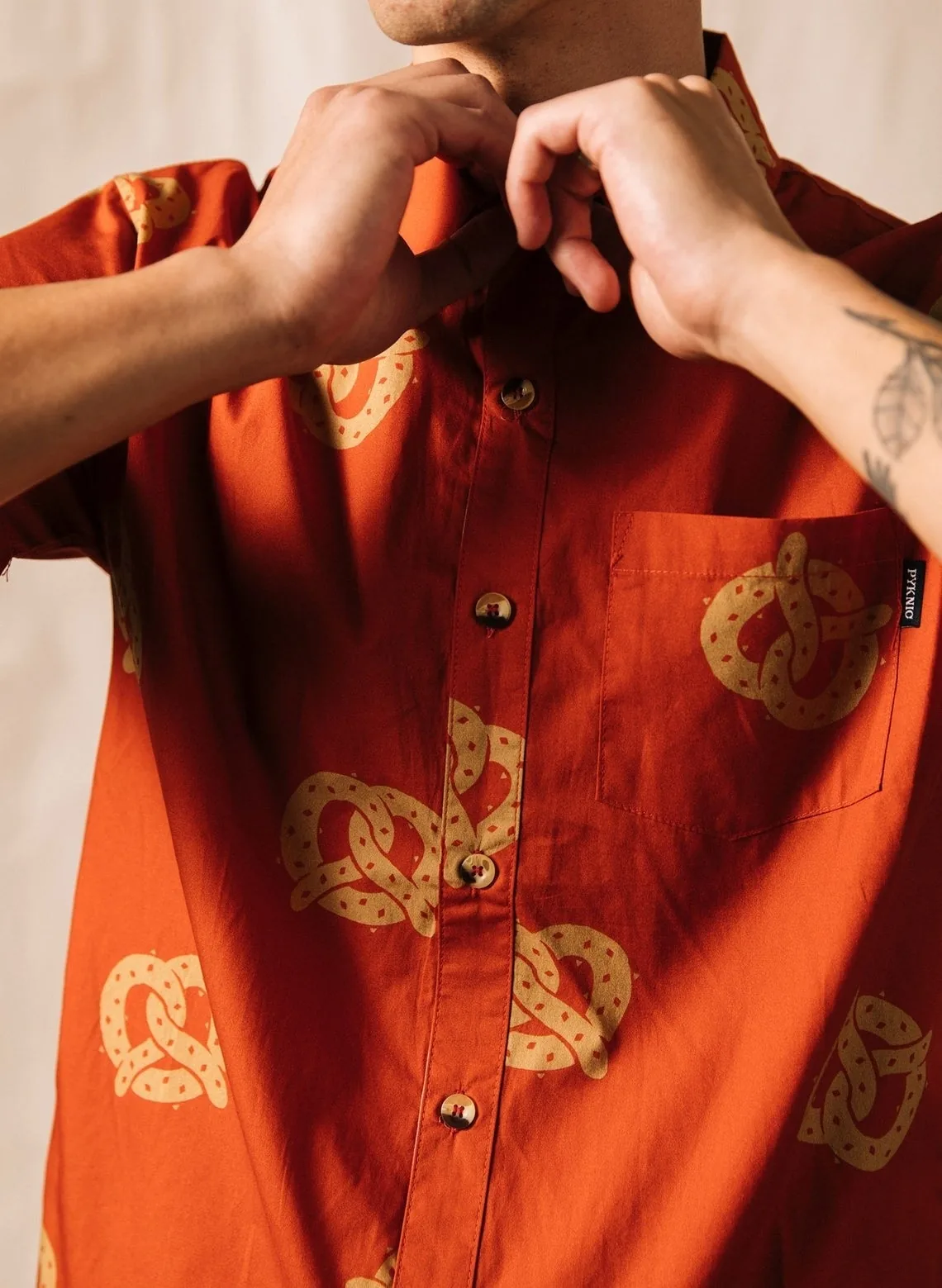
Cotton is the everyday workhorse, but the weave matters. Light, open weaves such as poplin, voile, seersucker and madras feel noticeably cooler than heavy twill, thick oxford cloth or rigid denim. Seersucker is worth a special mention: its puckered surface holds the fabric slightly away from your skin, so air can move underneath.
Wool may sound like the last thing to wear in summer, but lightweight, open-weave tropical wool is made precisely for warm weather and handles moisture well. It is mostly relevant for trousers and suits if you need to dress up. A simple test for any garment: hold it up to a window. If you can see a little light through the cloth, it will probably breathe.
Go lighter, but not necessarily all white
Dark colors such as black, navy and charcoal absorb more of the sun’s heat than pale ones. Swapping them for white, cream, light grey, stone, pale blue, sage or soft pastels makes a difference you can feel when you’re outside for long stretches. Lighter shades also look right for the season.
You don’t need to abandon dark colors entirely. If you love a navy shirt, pair it with stone chinos and light shoes so the whole outfit doesn’t read heavy. Sweat shows more on mid-tones such as grey marl and bright blue, so pick white, very light or patterned shirts for the hottest days.
There is one trade-off worth knowing. Light colors keep you cooler, but they block less of the sun’s UV. A thin white cotton T-shirt has an ultraviolet protection factor (UPF) of only around 5, and less when it’s wet, while darker, denser fabrics stop far more. If you’ll be outdoors for hours, at a game, on a boat or doing yard work, a lightweight long-sleeve shirt with a UPF 30 or 50 label gives you real protection without the heat of a heavy fabric. Loose fits help here too, since stretched fabric lets more light through.

Fit: a little looser, never sloppy
Clothes that cling block air and stick as soon as you start to sweat. In hot weather, choose cuts with a bit more room through the chest, waist and seat than you might wear in winter, so there is space for air to circulate. Relaxed doesn’t mean oversized, though: shoulders should still sit where your shoulders end, and trousers shouldn’t pool around your ankles.
Short-sleeve shirts with a straight hem, designed to be worn untucked, are a smart solution. Camp-collar shirts, with their open, flat collar, look polished and let heat escape at the neck. If you prefer long sleeves for sun protection or work, choose a lightweight one and roll the sleeves to just below the elbow.
Collars and tops that keep you sharp
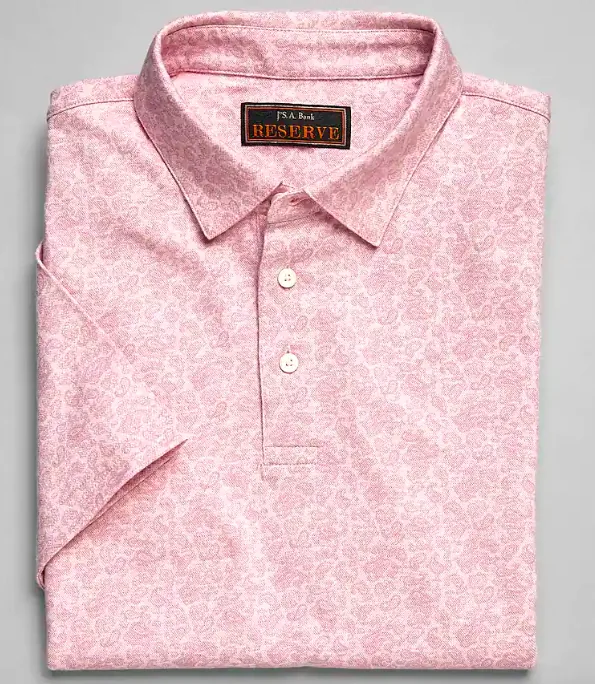
A collar makes a simple outfit look more deliberate, and it shades the back of your neck. Polos, light button-downs, camp-collar shirts and knitted short-sleeve shirts all give you that structure without bulk. A good plain T-shirt still has its place; choose a slightly heavier, quality cotton that holds its shape rather than a thin one that sticks to you and goes see-through when damp.
Trousers and shorts
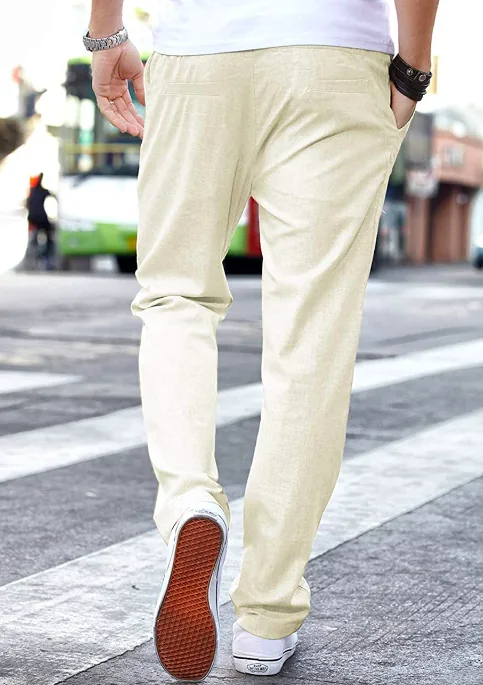
Lightweight chinos and linen or linen-blend trousers are far cooler than jeans. If you can’t give up denim, look for a lighter-weight pair, ideally in a pale wash. Slightly cropped or neatly cuffed hems that show a little ankle also help, and they look right with summer shoes.
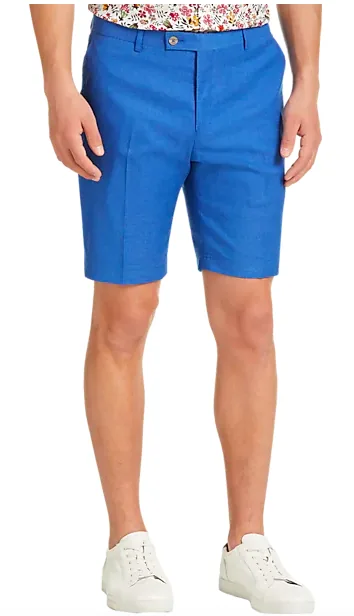
Shorts can look grown-up if you pick the right pair. Aim for a length that ends a few inches above the knee, with a flat front and a clean, tailored cut, in cotton, linen or seersucker. Very long, baggy shorts look sloppy, and very short ones can feel more like swimwear. Inseam is the number to check: a 7-inch inseam (about 18 cm) is the most versatile length for average heights, 5 to 6 inches suits shorter men or a sportier look, and men over six feet often prefer 8 or 9 inches so the hem still lands a little above the knee. Pair them with a collared shirt or a crisp tee, and keep the shoes simple.
Shoes and socks
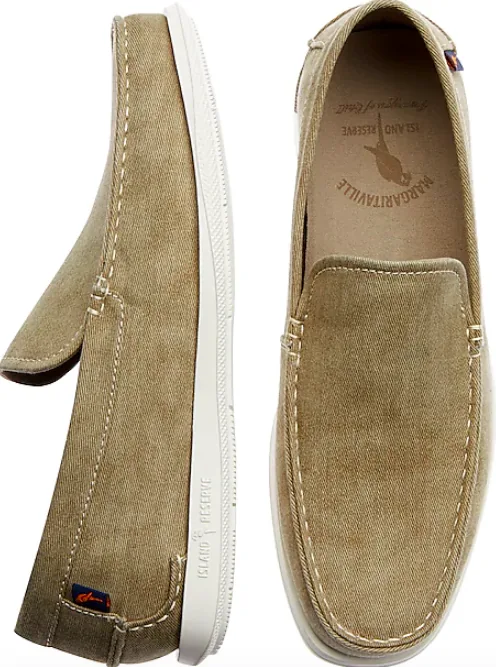
Heavy leather dress shoes and boots trap heat. Swap them for loafers, unlined suede slip-ons, boat shoes, canvas or leather sneakers, espadrilles, or good leather sandals for casual settings. Unlined shoes with softer construction breathe better and feel lighter on the foot.
If you like the sockless look, wear no-show socks anyway. They absorb sweat, prevent rubbing, and help your shoes last longer and smell fresher. Rotating pairs so each gets a day to dry out also makes a difference.
Dealing with sweat
A little planning goes a long way. Apply antiperspirant at night, when your sweat glands are less active, so it has time to work. Put it on completely dry skin, and a swipe or two is enough; it will still be working in the morning, even after a shower. If you wear an undershirt with dress shirts, pick a thin, close-fitting, moisture-wicking one in a color close to your skin tone rather than bright white, and skip it altogether with casual short-sleeve shirts. Carry a handkerchief, and keep a spare shirt at work for the worst days of the year.
The finishing touches
A brimmed straw or Panama hat shades your face, ears and neck better than a baseball cap and instantly makes an outfit look more considered. Sunglasses should carry a UV400 or 100% UV protection label; our sunglasses guide helps with the frame. Keep everything else light: a canvas, nylon or rubber watch strap that shrugs off sweat rather than leather or heavy metal, a slim belt, and minimal jewelry. Don’t forget sunscreen on the back of your neck and the tops of your ears.
Swap this for that
- Heavy raw denim → lightweight chinos or linen-blend trousers
- Thick oxford shirt → poplin, seersucker or linen shirt
- Tight polyester gym tee → a relaxed cotton or cotton-linen tee
- Lined leather dress shoes → unlined loafers or suede slip-ons
- Baseball cap → a straw hat with a full brim
- Bright white undershirt → thin, skin-tone undershirt, or none with casual shirts
Quick answers
Is linen too wrinkled for the office?
Some creasing is expected and most offices accept it. For a neater look, choose a cotton-linen blend, hang the shirt as soon as it’s dry, and steam it rather than ironing it flat.
Are performance fabrics better than cotton in the heat?
For workouts and long active days, technical fabrics dry faster than cotton. For everyday wear, many men find cotton and linen more comfortable and less prone to holding odor. A good middle ground is a cotton blend with a little stretch or a lightweight merino tee.
Can I wear shorts with a blazer?
It can work at a relaxed summer event if the blazer is unstructured and lightweight, the shorts are tailored and the shoes are smart. For anything with a dress code, wear light trousers instead.
Putting it together
A good default outfit for a hot day: a light camp-collar or linen-blend shirt, stone or cream chinos or tailored shorts, unlined loafers or clean sneakers with no-show socks, and sunglasses. For a smarter setting, swap in lightweight trousers and a long-sleeve linen shirt with the sleeves rolled. If you need help reading a dress code in summer, our smart casual guide translates easily to warm weather, and you’ll find more ideas in the Men section.