
“Smart casual” might be the most confusing phrase on an invitation. It shows up on office dress codes, restaurant websites, first-date plans and birthday dinners, and it rarely comes with an explanation. Show up too relaxed and you feel underdressed. Show up in a suit and you look like you came from somewhere else.
Here’s the short version: smart casual means relaxed clothes worn with care. No tie, usually no full suit, but nothing that looks like you rolled out of bed or came straight from the gym. Below, we’ve answered the questions guys ask most, then put together the handful of pieces that make the whole thing easy.
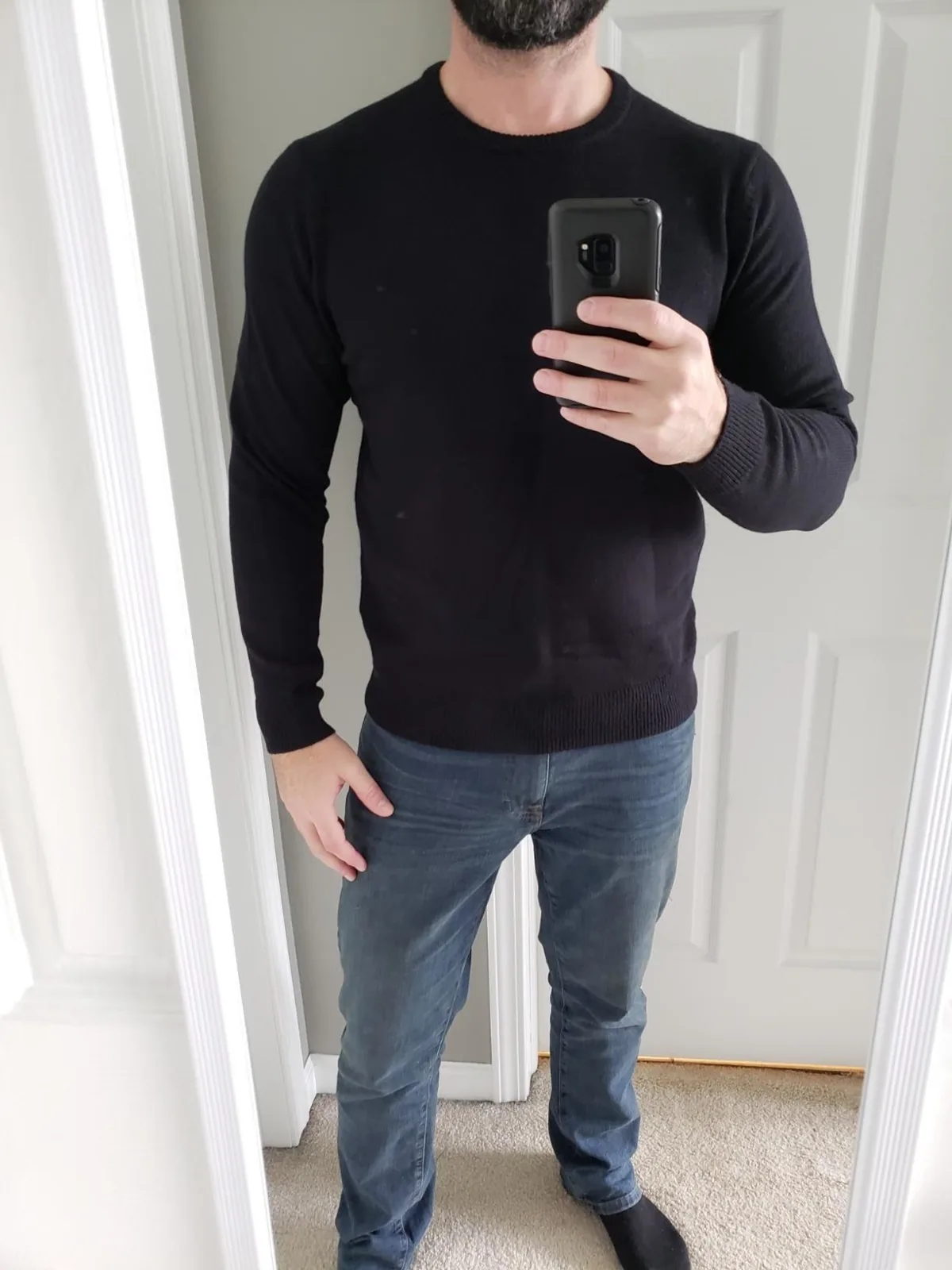
So what does smart casual actually mean?
Think of a scale. At one end sits business formal: suit, tie, dress shoes. At the other end sits weekend casual: graphic tee, shorts, running shoes. Smart casual sits right in the middle. It takes the comfort of casual clothes and adds a few details that show effort, like a collar, a structured layer, clean shoes or pants that fit properly.
A helpful test is to ask whether the outfit would look right at a nice restaurant for a weekday dinner. If yes, you’re probably there.
Then read the room, because the middle of the scale shifts. In a conservative office, a hotel bar or an upscale restaurant, lean dressier: wool trousers or chinos, a collared shirt, a blazer and loafers. At a creative office, a casual brewery or a backyard birthday, lean relaxed: dark jeans, an overshirt or knit, clean leather sneakers.
How is it different from business casual?
The two get used interchangeably, and some offices genuinely mean the same thing by both. But in most places business casual is the dressier, work-focused one: collared shirts, chinos or wool trousers, leather shoes, often a jacket, and jeans only if the office allows them. Smart casual is broader and more social. Knitwear can stand in for a jacket, dark jeans are normal, and clean leather sneakers are usually fine.
If an invitation or job offer says either one and you can’t tell, ask, or look at photos from past events. Failing that, aim one notch dressier than you think you need. Taking off a blazer is easy; conjuring one is not.
Can I wear jeans?
Yes, with conditions. Dark, clean denim with no rips or heavy fading is a smart casual regular. Slim or straight cuts work best. Light, distressed or very baggy jeans tip things too far toward casual. If you’re unsure about a workplace or event, chinos are the safer bet, but well-fitted dark jeans paired with a sharper top half are welcome almost everywhere.
Do I need a blazer?
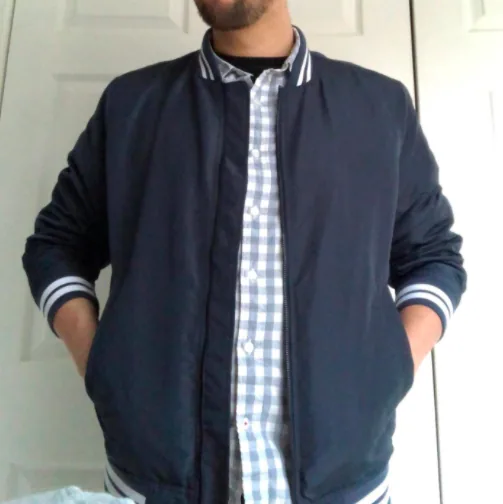
Not always. A blazer is the fastest way to make an outfit look polished, and an unstructured one in navy, grey or tan earns its place quickly. But plenty of smart casual outfits skip it entirely. A neat jacket like a bomber, a chore coat or a sweater with some structure can fill the same role, especially in more creative or relaxed settings.
What about T-shirts?
A plain, well-fitting tee in a solid color can work, as long as something else in the outfit does the dressing up. Under a cardigan, an overshirt or a bomber, a crisp white or grey tee looks deliberate. On its own with chinos, it can read more weekend than smart. Logos and slogans almost always push it too casual.
Are polos and shorts allowed?
Polos, yes. A plain, well-fitting polo with a collar that holds its shape is firmly smart casual, especially in knitted cotton or a linen blend. Avoid big logos and stiff sporty versions, and tuck it into chinos or trousers if the setting is on the dressier side.
Shorts are the gray zone. At a summer barbecue, a daytime party or a relaxed beach restaurant, tailored chino shorts that end above the knee, with a collared shirt and loafers or clean sneakers, are smart casual. At an office, an evening dinner or anything with “smart” emphasized on the invitation, wear light trousers instead.
Tuck or untuck?
Look at the hem. Shirts with long, curved tails are made to be tucked. Shirts with a straight or lightly curved hem, usually a little shorter, are made to be worn out. An untucked shirt should cover your belt but stop around the middle of your fly; if it reaches your seat, tuck it or skip it. When the setting leans formal, tuck.
The core pieces
You don’t need a big wardrobe for this. A few pieces, rotated and recombined, will cover most smart casual situations, and our minimalist wardrobe guide shows how to build the rest of a closet around them.
An Oxford or casual button-down shirt. White, light blue or a small check. It works tucked into chinos, untucked over dark jeans, or under a sweater with just the collar showing.
A denim or chambray shirt. More relaxed than an Oxford but still collared and sharp. Wear it on its own with chinos, or open over a tee as a light layer.

A fine-knit sweater. A crewneck or V-neck in navy, grey, charcoal or camel. Merino and cotton knits are thin enough to layer over a shirt without bulk. Pull it on over a button-down and you have one of the most reliable smart casual looks there is.
A cardigan. Often overlooked, but a button cardigan does the job of a blazer with more comfort. Over a tee it’s relaxed; over a collared shirt it’s polished. Stick to darker solids for the most mileage.

Chinos in neutral shades, plus dark jeans. Navy, khaki, olive and grey chinos cover nearly everything; the jeans should be clean, dark and undamaged. Both need to fit well through the seat and finish with little or no break at the shoe (our pants fit guide explains the break).
A light jacket. A bomber, a field jacket or an unstructured blazer adds instant shape to a simple outfit.
Shoes make or break it
Footwear is where many smart casual outfits fall apart. Running shoes and flip-flops are out. What works: leather or suede sneakers in clean, minimal designs, loafers, desert or chukka boots, and moccasin-style shoes with a crepe or leather sole. Keep them clean. Scuffed shoes undo a lot of good work above them.
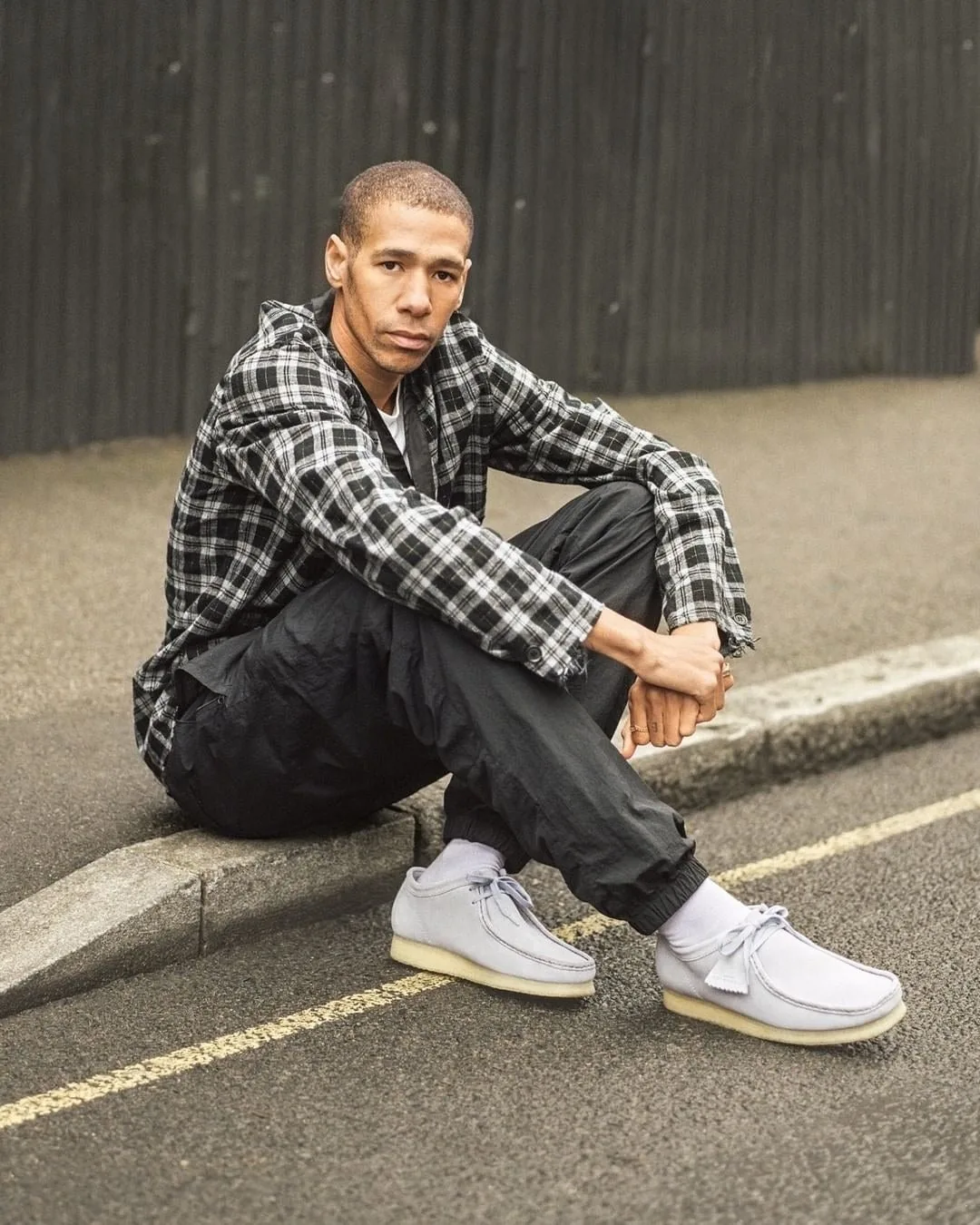
Match the formality of your shoes to the rest of the outfit. Chukka boots and suede shoes pair naturally with jeans and chinos. Loafers lean a little dressier and suit tailored trousers or a blazer. White leather sneakers are the most flexible option of all, as long as they’re actually white.
Adjust it for the season
Summer: swap heavier fabrics for linen and cotton. A linen or camp-collar shirt, a knitted polo, lightweight chinos in stone or navy, and unlined loafers or white sneakers cover almost every warm-weather invitation. An unstructured cotton or linen blazer dresses it up without the heat.
Winter: texture does the work. A fine turtleneck or a merino crewneck can replace the collared shirt entirely, especially under a tweed or wool jacket. Mid-grey flannel trousers sit neatly between smart and casual, and suede chukkas or leather boots handle the weather. Our guide to winter layering shows how to stack these without bulk.
Common mistakes to avoid
Wearing a suit jacket as a blazer. The fabric and cut of a suit jacket are designed to match its trousers, and on its own it can look like you’ve lost half your suit. A separate blazer or casual jacket looks more intentional.
Overdoing it on details. A patterned shirt, a printed sweater and bright sneakers all at once can be a lot. Let one piece be the statement and keep the rest quiet.
Ignoring fit. Smart casual relies on clothes looking cared for, and nothing undermines that like a shirt with sleeves past your knuckles or pants pooling at the ankle. A quick hem or tweak from a tailor is worth it.
The easy formula
When in doubt, combine one collared or structured piece, one pair of clean neutral pants and one pair of proper shoes. A sweater over a button-down with chinos and suede boots. A light-wash denim shirt with dark jeans and white leather sneakers. A cardigan over a tee with grey chinos and loafers. Each one works for a relaxed office, a dinner out and almost everything in between; add a blazer when the setting leans formal.
If you’re filling gaps, the menswear basics buyers wear on repeat is a good shortlist, and first-date outfits for men shows smart casual matched to specific places.


