Open most closets and you’ll find the same pattern: a few pieces worn every week, and a crowd of shirts, jackets and sneakers that rarely leave the hanger. A minimalist wardrobe flips that ratio. Instead of owning more, you own a tighter set of clothes that all work with each other, so getting dressed takes seconds and almost any combination looks deliberate.
It isn’t about owning a set number of items or wearing the same gray tee forever. It’s about choosing pieces that earn their spot. Here’s how to get there without throwing out everything you own.
Start with what you already wear
Before buying anything, empty the closet and sort it honestly. Keep the things you actually reach for, that fit well and are in good shape. Set aside anything you haven’t worn in a year, anything faded, stretched or stained, and anything you bought for a single event and never touched again. Donate or sell what’s left in that pile.
If you’re not sure what you really wear, measure it. Hang everything with the hook facing the “wrong” way, and turn each hanger around after you wear that piece. After three months, the hangers still facing backward tell you exactly what’s just taking up space. The results usually surprise people: one large international household survey found that most people had gone a year without wearing far more of their wardrobe than they’d guessed.
What remains shows you your real style better than any list could. If you live in jeans and knitwear, that’s your foundation. If your job calls for trousers and button-ups four days a week, plan around that. A wardrobe that suits someone else’s life is just clutter in a different form.
Pick a palette and stick to it
The secret behind a small wardrobe that still feels varied is color. Build most of it from neutrals that get along with each other: navy, gray, white, black, olive, khaki and brown. When almost everything shares the same family of colors, nearly any top works with any pair of pants and you can stop doing math every morning.
A useful split is to keep the large majority of your clothes in those core neutrals, add a smaller share of softer seasonal shades like sage, rust or slate blue, and save bold colors and loud patterns for a few pieces at most. Those accents keep things from feeling like a uniform, but they shouldn’t be the backbone. Our guide to color and pattern covers which accents pair best with which neutrals.
The core pieces
Exact lists vary with climate and job, but most minimalist wardrobes are built on the same categories. Think of these as slots to fill with the best version you can find, not a shopping checklist.
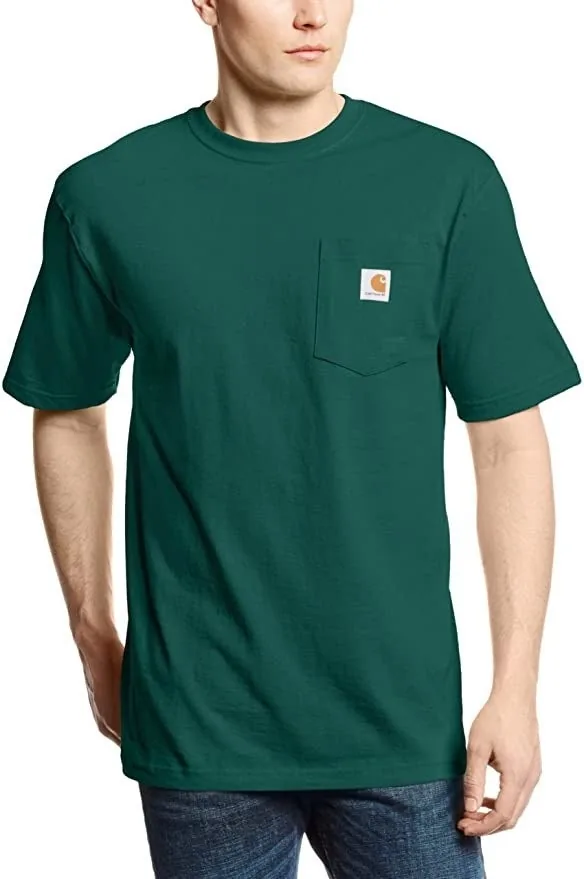
Tops: a handful of plain T-shirts in white, gray, navy or black; a couple of button-up shirts, with a white or light blue oxford doing the heaviest lifting; and one or two polos or henleys for the days in between. Since these sit closest to your skin and get washed most, it makes sense to own enough to last a full week plus a spare.
Knitwear: one or two crewneck sweaters in merino or cotton, in a neutral like navy, gray or oatmeal. A cardigan or quarter-zip adds variety once the basics are covered.
Pants: dark-wash jeans with no distressing, a pair of chinos in khaki, olive or navy, and, if your life calls for it, one pair of wool trousers. That small rotation covers everything from weekends to most offices.
Outerwear: one versatile casual jacket, such as a denim trucker, bomber, field jacket or simple leather jacket, plus a navy blazer that dresses up jeans or chinos instantly. In cold climates, add a proper coat or insulated jacket in a dark neutral.

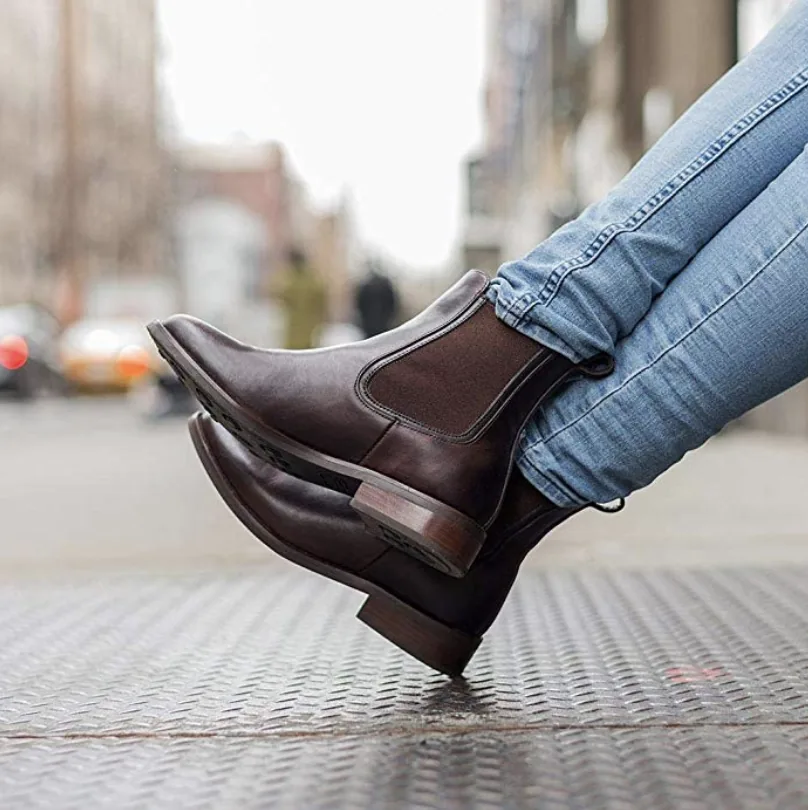
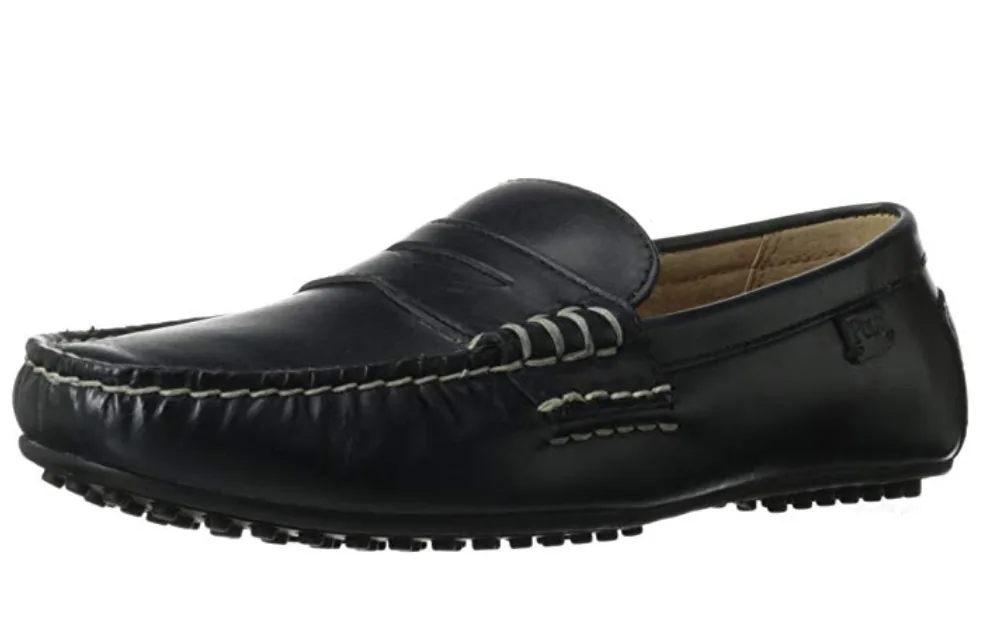
Shoes: clean white leather sneakers, one pair of boots like Chelsea or lace-up leather boots, and one dressier shoe such as loafers or derbies. Three pairs handle a surprising range of situations.
Choose one leather color
This is the shortcut many people miss. If your shoes, belt and watch strap come in both black and brown, you need two of everything. Pick one main leather color and build around it. Brown works especially well in a casual, warm-toned wardrobe and pairs easily with denim, khaki and olive. Black suits a sharper, more urban look built on gray, black and navy.
Once that decision is made, one good belt and a couple of pairs of shoes cover nearly every outfit. You can add the other color later if your life genuinely needs it, but most guys get by happily with one. For the finer points of shade and texture, see how to coordinate your belt, shoes and watch strap.
How the pieces combine
Here’s the payoff. With the slots above filled, one closet covers very different days, and none of these outfits needs a single extra purchase:
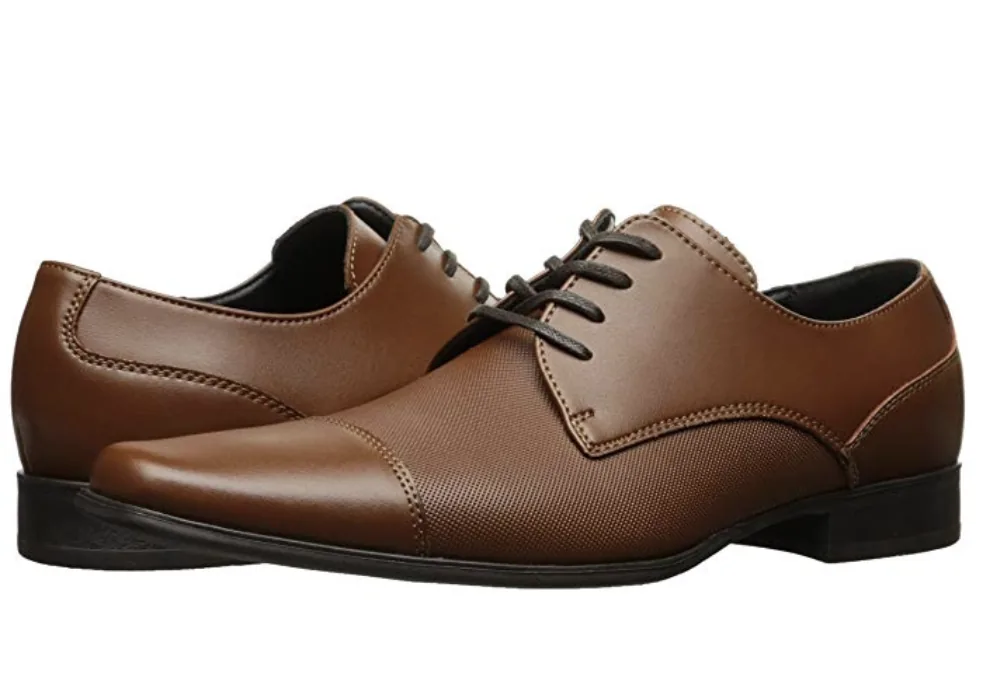
- Office: light blue oxford, navy crewneck, grey wool trousers, brown derbies, brown belt.
- Dinner out: white oxford untucked, navy blazer, dark jeans, loafers.
- Saturday: grey tee, denim or field jacket, olive chinos, white sneakers.
- Cold errand run: henley, oatmeal sweater, dark jeans, Chelsea boots, dark coat.
Notice how often the same navy, grey and brown pieces reappear. That repetition is the point: each item gets worn a lot, so each one is worth choosing carefully.
Every new piece needs two jobs
Before buying anything, ask whether it works in at least two different settings and with at least three things you already own. A navy crewneck that goes over a button-up for the office and over a tee on Saturday passes easily. A statement shirt that only works with one pair of pants does not.
This rule also slows down impulse buys. Keep a short running list of real gaps, like a worn-out pair of chinos or a jacket for spring rain, and shop from that list rather than from whatever happens to be on sale.
How small is small enough?
There’s no correct number, but if you want a structured trial, a popular minimalist challenge sets a limit of 33 items for three months. Clothes, shoes, outerwear and accessories count; underwear, sleepwear, gym clothes and a wedding ring don’t. Everything else goes in a box, out of sight. At the end, you open the box and see what you actually missed, which is usually very little. Plenty of people loosen the rules, for example by not counting shoes, and that’s fine; the point is to learn what you reach for.
For everyday pieces, a practical guide is to count laundry cycles rather than outfits. If you wash once a week, own enough T-shirts, underwear and socks for seven days plus one or two spares. Jeans, chinos and sweaters can be worn several times between washes, so three or four pairs of pants is plenty for most men.
Think in cost per wear
Divide what you paid by the number of times you wear something, and the logic of a small wardrobe becomes obvious. A sturdy pair of boots worn twice a week for several winters ends up far cheaper per wear than a trendy pair that comes out three times. Be honest when you estimate, though: the calculation only works if you’ll really wear the thing that often, which is another reason to stick to colors and cuts you already live in.
Fit and fabric matter more when you own less
With fewer clothes, each piece gets worn often, so quality and fit show more. A tee that twists after three washes or chinos that sag at the seat will bother you weekly. Look for sturdy cotton, wool and leather, and prioritize fit over brand names. A modest piece that fits well, sometimes with a quick visit to a tailor, will always look better than an expensive one that doesn’t.
Avoid going too slim or too baggy. Clean, moderate cuts age better than trends, which is the whole point of a wardrobe built to last.
Care counts double, too. Most clothes don’t need washing after every wear; sweaters and trousers can go several wears, aired out on a hanger in between. When you do wash, a cooler, shorter cycle is gentler on fibers, and line or flat drying avoids the heat and tumbling that wear out cotton, stretch fabrics and knits fastest. Fewer pieces, looked after a little, last noticeably longer.
Quick answers
Will I get bored wearing the same things?
Some people do at first. Rotating a few accent pieces each season, a rust overshirt in autumn or a striped tee in summer, keeps it fresh without breaking the system. Texture, like corduroy, flannel and knitwear, adds variety even in the same colors.
Should I throw everything out and start over?
No. Keep what fits your palette and your life, and replace pieces as they wear out. Rebuilding all at once is expensive and usually leads to buying things you haven’t tested.
Can a minimalist wardrobe include patterns?
Yes, as long as the patterns share your core colors. A navy-and-white stripe or a grey-and-brown check fits right in with the solids around it.
Let it grow slowly
A minimalist wardrobe is never really finished. Replace pieces as they wear out, adjust for the seasons, and let your palette shift a little over time. The goal is a closet where you like everything in it and every morning starts with an easy choice.
If your pants are the weak link, our guide on how men’s pants should fit is a good next step, and the Men section has more style guides to build on.