You have a day of walking ahead, maybe a city trip, a long commute or a shift on your feet, and the shoe wall offers running shoes, walking shoes and lifestyle sneakers that all look comfortable. The labels matter less than a few features you can see and feel in the store. Here is what actually separates the categories, which one suits your kind of day, and the quick tests that tell you whether a pair will still feel good at the end of it.
This is general shopping advice, not medical advice. If walking regularly hurts, a podiatrist is the right person to ask.
What actually differs between the two
The difference starts with how the foot hits the ground. Walking puts roughly one to one and a quarter times your body weight through each step, while running pushes that to around two and a half to three times. Walkers also land heel first and roll smoothly through to the toes, while many runners land further forward. Shoes are built around those patterns.
- Running shoes carry more cushioning in the heel and forefoot, are usually lighter for their bulk, and often have a higher heel-to-toe drop, commonly somewhere between four and twelve millimeters. Many have a flared heel for stability at speed.
- Walking shoes tend to be firmer and a little heavier, with a lower drop, a less flared or slightly rounded heel for a smooth heel strike, and a sole that bends easily at the forefoot so you can roll forward and push off.
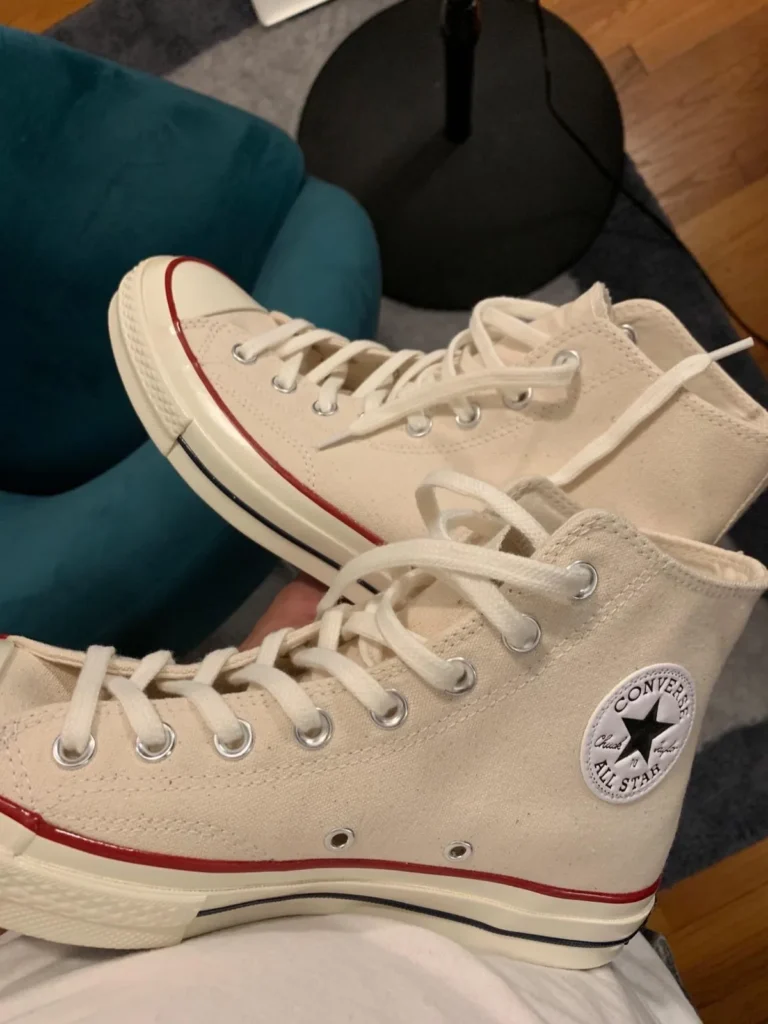
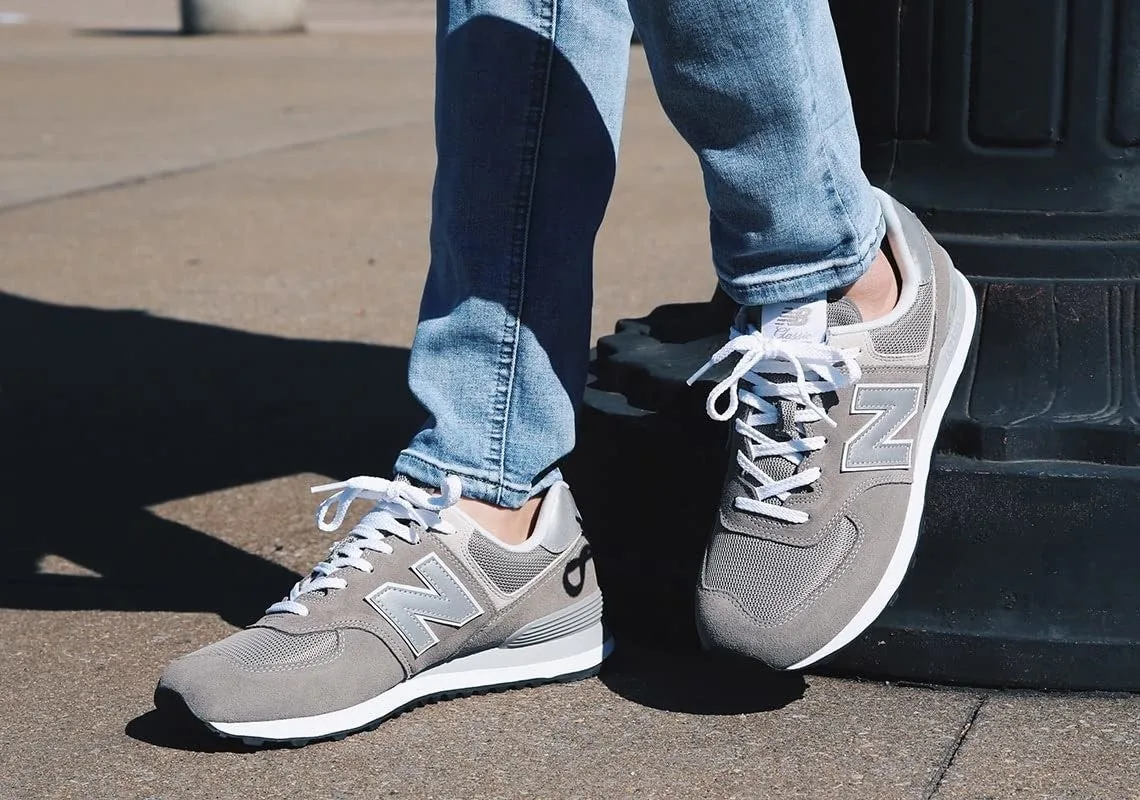
- Lifestyle sneakers, including retro styles that started out as running shoes decades ago, are built mainly for looks. Many are perfectly comfortable for an ordinary day, but their cushioning is thinner and firmer than a current running shoe.
Can you walk in running shoes?
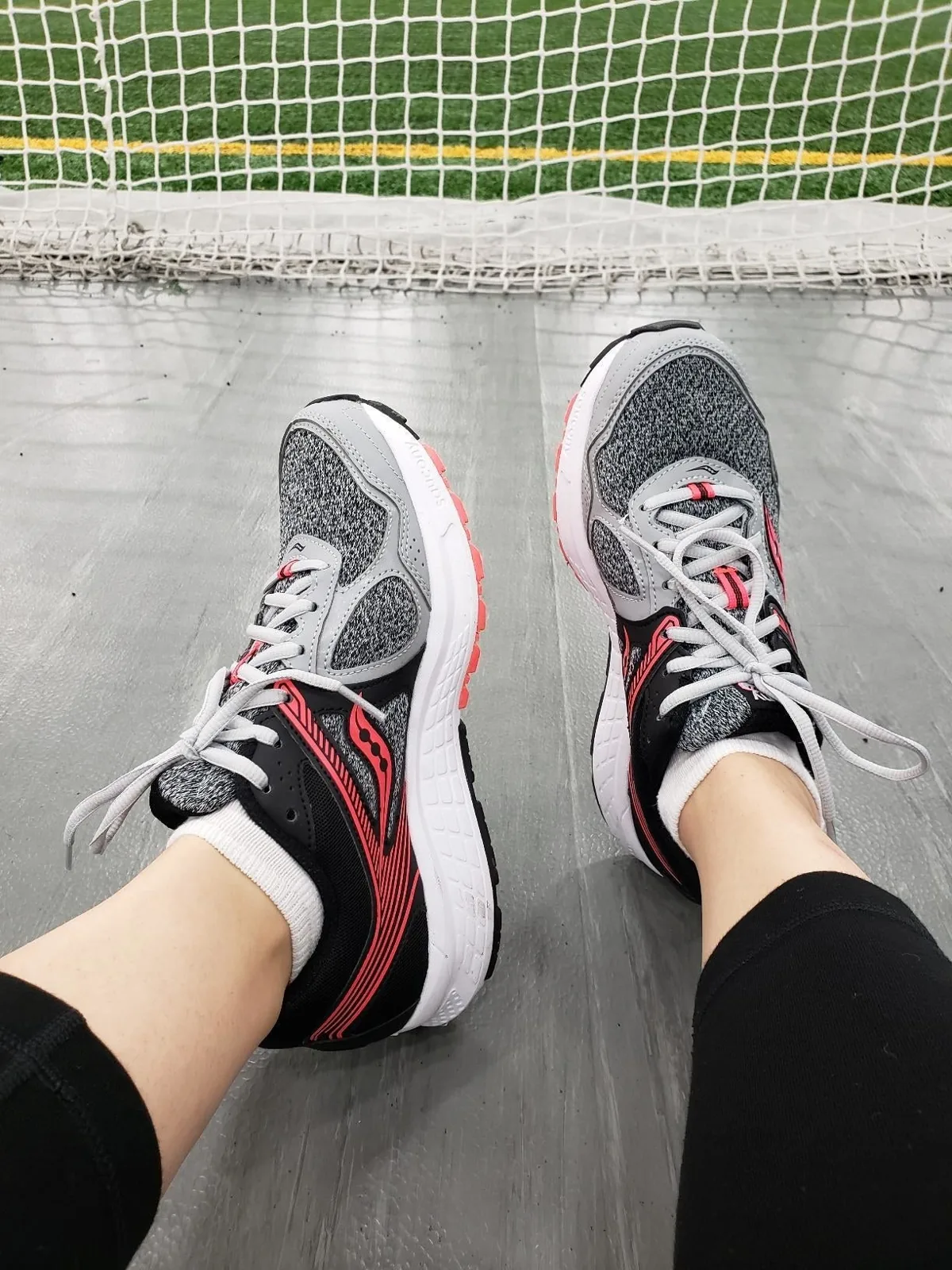
Yes, and plenty of people who walk or stand all day prefer them, because of that extra cushioning. Podiatrists generally see running shoes as fine for walking, while the reverse is not true: a walking shoe does not have the shock absorption to run in.
There are a few catches. A very high, flared heel can feel clunky at a walking pace and catch on curbs. Ultra-soft foam can feel wonderful in the store and wobbly by hour six, and some wearers find that very plush shoes start to ache after a few weeks. And some running shoes are cut narrow, which matters more when your feet swell over a long day. Choose a running shoe with a stable, broad base and a moderate drop rather than the most extreme model on the wall.
Match the shoe to the day you actually have
- Sightseeing and long city walks: a cushioned running or walking shoe with a moderate drop and a slightly curved, rocker-shaped sole that helps you roll forward with less effort.
- Standing at work: a broad base, a roomy toe box and generous cushioning. Standing still loads the feet differently from walking, so stability matters as much as softness.
- Commute plus office: a leather or clean-looking sneaker with a removable insole, so you can add more support if you need it without looking like you are dressed for the gym.
- Errands plus a workout: a cross-trainer is a reasonable middle ground if you mix walking, light jogging and gym work.
- A short, dressy day: a slim lifestyle sneaker is fine, but do not ask it to carry you through twenty thousand steps.
Four quick tests in the store
You can learn a lot from a shoe before you even put it on.
- The bend test: hold the heel and push the toe up. A good walking shoe bends at the ball of the foot, where your toes bend, not in the middle of the arch. A shoe that folds in half at the midfoot gives little support.
- The twist test: hold both ends and twist gently. A little give is fine; a shoe that wrings out like a towel will not keep your foot steady over a long day.
- The heel squeeze: press the back of the heel from both sides. A firm heel counter holds the foot in place and helps prevent the rubbing that leads to blisters.
- The drop check: look up the heel-to-toe drop. For walking, podiatrists often suggest staying at or under about eight millimeters; a lower drop puts less strain on the Achilles tendon.
If you are thinking about a zero-drop shoe, switch over gradually. Going straight from a typical sneaker to a completely flat one asks your calves and Achilles to do noticeably more work.
Get the fit right
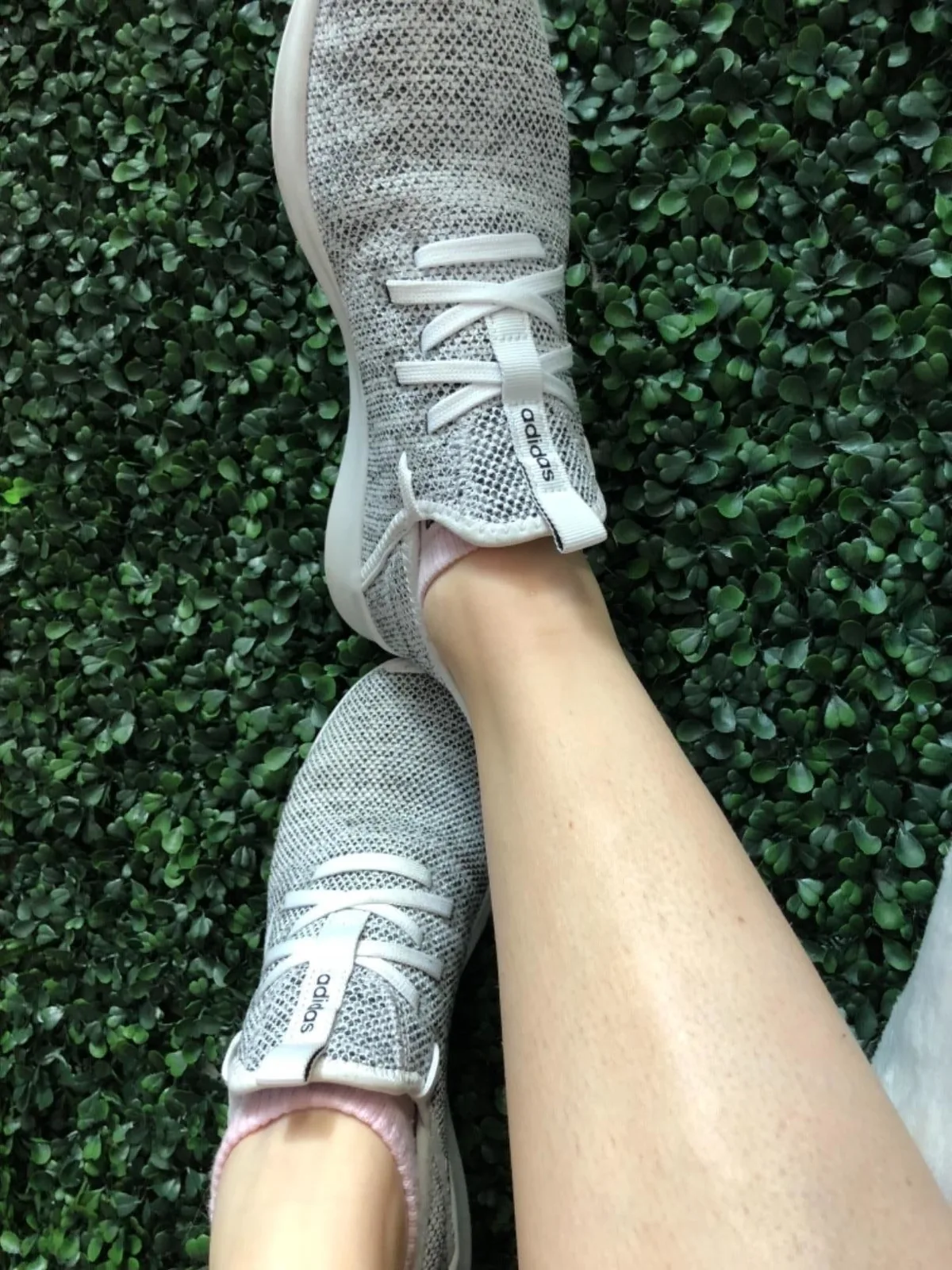
A great walking shoe in the wrong size is still the wrong shoe. Shop in the late afternoon or after a walk, when feet are at their largest, and bring the socks you will actually wear with the shoes.
- Toe room: about a thumb’s width, roughly half an inch or a little over a centimeter, between your longest toe and the end of the shoe.
- Width: your toes should spread and lie flat. If you have bunions or wide forefeet, look for a wide size or a rounded toe box rather than going up in length.
- Heel: snug, with no more than a slight lift as you walk.
- Insole: a removable one lets you swap in your own insert or orthotic later.
- Walk on a hard floor, not just carpet, for a few minutes before deciding.
Comfort should be there from the first try. A sneaker may soften slightly, but it will not stretch into a better fit. Once you buy, wear new pairs for a couple of hours a day for about a week before a big walking day. If your measurements need a refresh, our guide to measuring your shoe size and width at home walks through it.
Foot shape makes a difference
A simple way to get a sense of your arch is the wet footprint test: wet the sole of your foot, step onto a piece of paper or a paper bag, and look at the print. A nearly full imprint suggests a flatter foot, a narrow strip between heel and ball suggests a high arch, and something in between is typical.
- Flatter feet often feel better in firmer, more stable shoes with a deeper heel cup.
- High arches often prefer softer cushioning with some arch support.
- In-between arches usually do well in a neutral shoe with balanced cushioning.
Treat the result as a starting point, not a rule; comfort in the store is the better guide. Many running stores offer a free gait check on a treadmill, which is helpful if you have struggled to find a comfortable pair.
Weight and materials
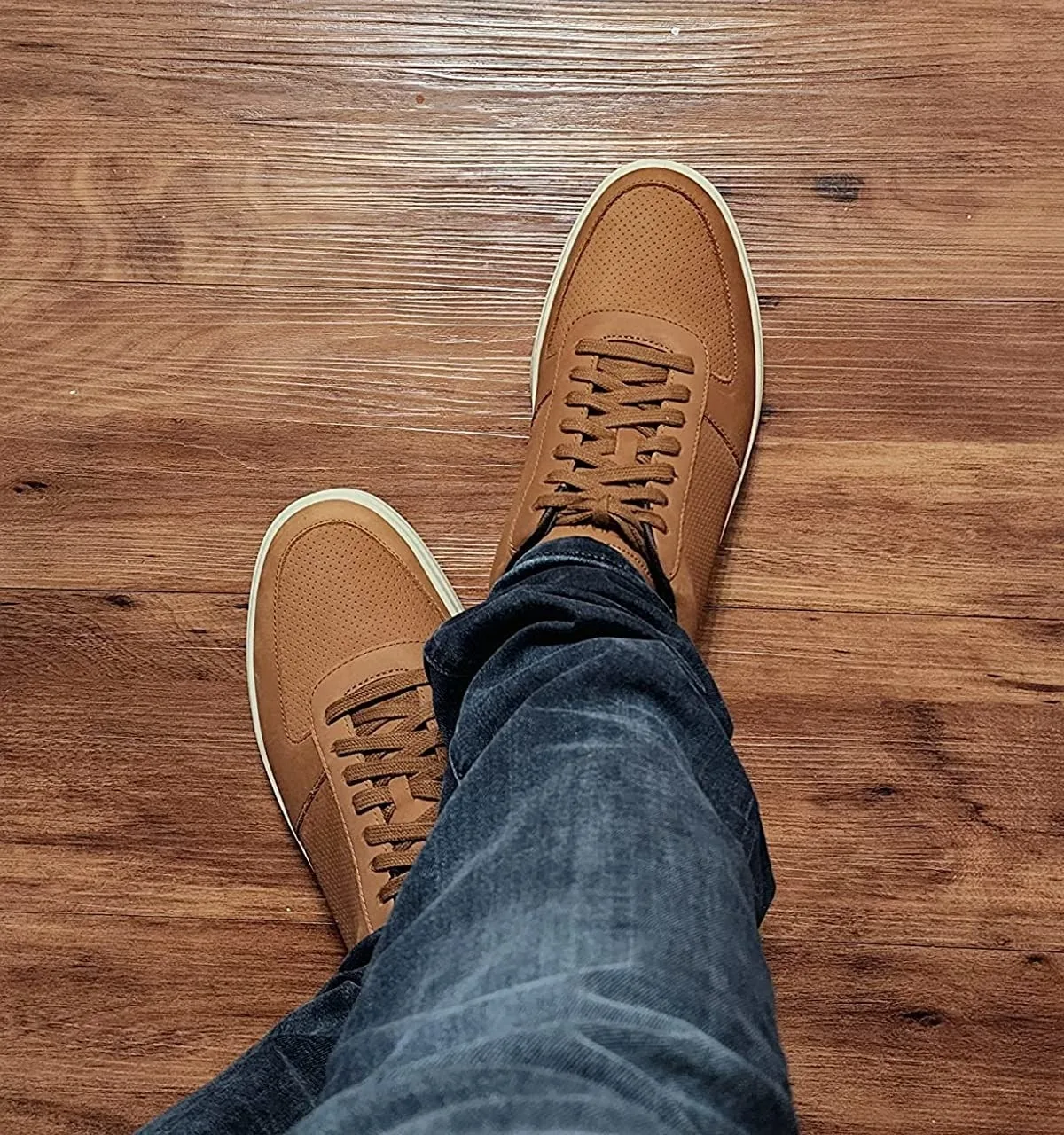
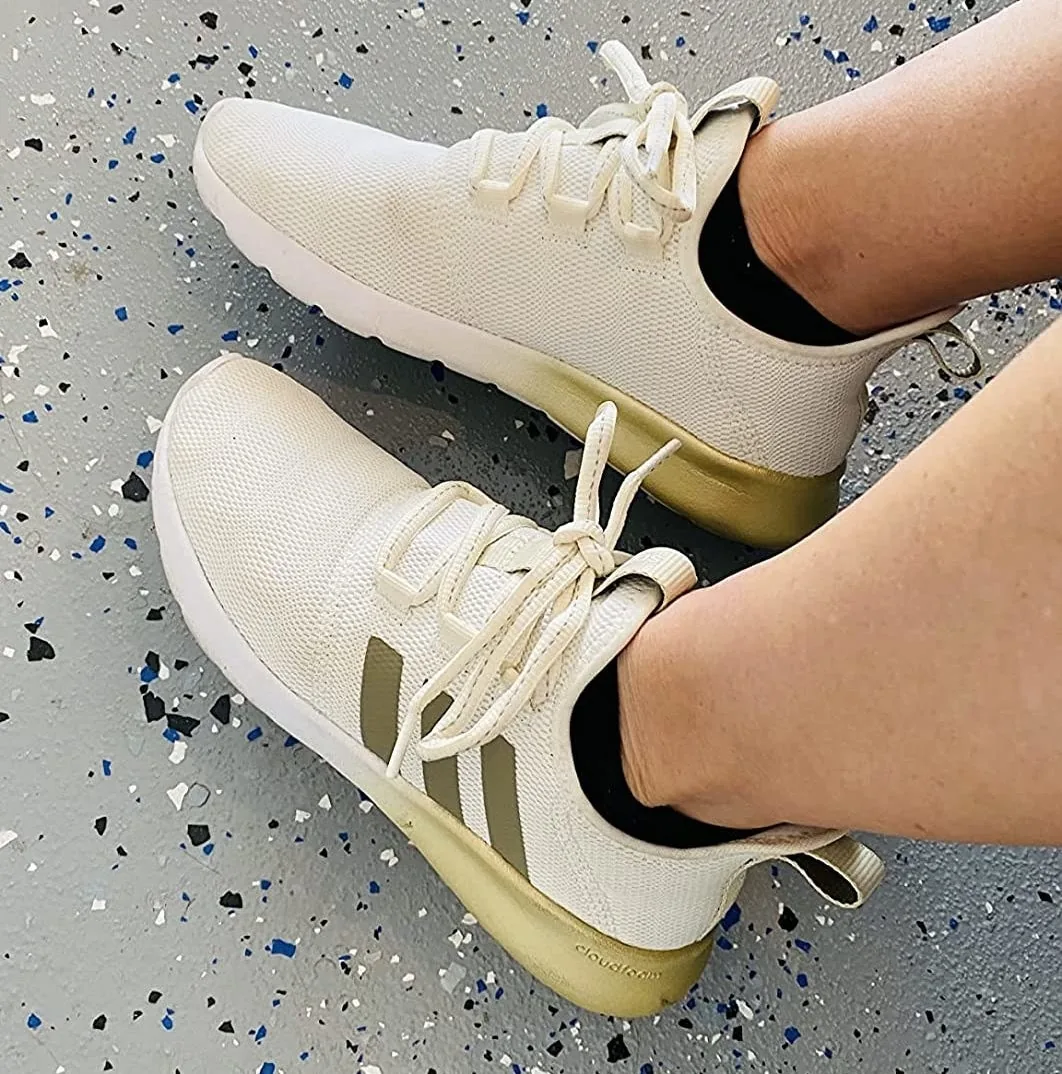
Most walking shoes weigh somewhere between about six and a half and thirteen ounces each, and anything under eight ounces counts as light, which helps on long or brisk walks. Mesh uppers breathe well in warm weather but let in rain. Knit uppers flex with the foot and feel sock-like, yet give less side support. Leather sneakers look sharper with office clothes and resist light showers, but they are warmer and need a little more break-in.
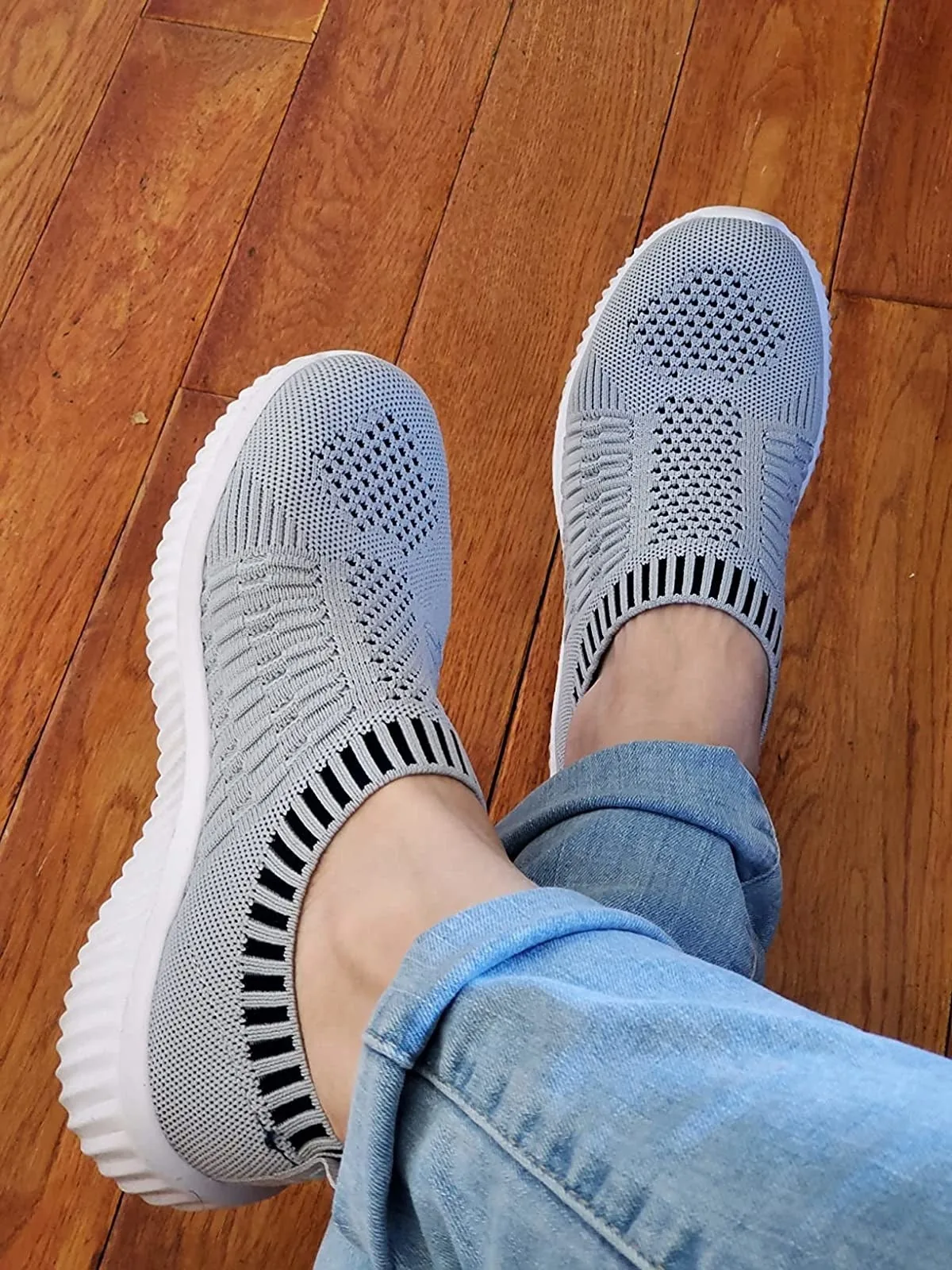
Slip-on sneakers are easy for travel days and airport security, but without laces you cannot tighten the fit as your foot moves, so check that the heel stays put when you walk briskly. If convenience matters most, our roundup of slip-on sneakers gathers pairs buyers walk in every day.
Mistakes that cost comfort
- Buying for color. The pair you love the look of may have the wrong drop or a narrow toe box. Run the store tests first and pick the color second.
- Fitting a morning foot. Shoes that feel just right at ten in the morning can pinch by evening. Shop later in the day.
- Wearing shoes past their life. Cushioning wears out long before the upper looks tired. Common guidance is to replace walking shoes every three hundred to five hundred miles, which for a brisk daily walk is roughly every six to twelve months. Signs include deep creases in the midsole foam, worn tread at the heel and new aches after walks.
- Wearing one pair every day. Rotating two pairs gives foam time to recover between wears and helps both last longer.
- Choosing the softest shoe on the wall. Soft is not the same as supportive. If a shoe feels unstable when you stand on one foot, keep looking.
Check the pair you already own
Turn your current everyday sneakers over and look at the heel tread, then press your thumb into the midsole near the heel and look along its side for deep wrinkles. If the tread is smooth on one corner or the foam is creased and flat, they have likely given you all the comfort they have left, and your next pair will feel like a real upgrade.
Quick answers
Are running shoes good for walking?
Generally yes. Their cushioning works well for long walks and standing. Choose a pair with a stable, not overly flared heel and a moderate drop.
Should walking shoes be a half size bigger?
Not automatically. Aim for about a thumb’s width of toe room in the size that fits the length of your foot, and fix width problems with a wider fit rather than a longer shoe.
How often should I replace walking shoes?
Roughly every three hundred to five hundred miles, or every six to twelve months of regular walking, sooner if the midsole creases or new aches appear.
Are zero-drop shoes good for walking?
Some people love them, but they change how your calves and Achilles work. If you want to try them, build up gradually with short walks.