The best sunscreen is not the one with the biggest number on the tube. It is the one you like enough to put on every morning, in the right amount, without arguing with yourself about it. Below: how to read the label, pick a formula for your skin, measure a proper dose and reapply over makeup.
What the label is really telling you
SPF is about sunburn
SPF stands for sun protection factor, and it mainly measures how well a product shields you from UVB, the rays behind sunburn. Dermatology groups generally recommend SPF 30 or higher for daily use. Going from SPF 30 to SPF 50 adds a little more protection, but neither number holds up if you apply a thin smear, so think of a higher SPF as a buffer for real life rather than permission to use less.
For scale: SPF 30 filters out roughly 97 percent of UVB rays when applied properly, and no sunscreen blocks all of them. A higher number also does not last longer on your skin, so SPF 50 still needs reapplying on the same schedule as SPF 30.
A simple way to choose: SPF 30 for ordinary days of commuting, errands and sitting near windows, and SPF 50 or higher in a water-resistant formula for long days outside, such as hiking, a beach day, outdoor sports or working outdoors.
Broad spectrum covers the other half
UVA rays are linked to tanning, dark spots and the slow loss of firmness that shows up as lines over the years. They are also the ones that pass through window glass, which is why a sunny desk or a long drive still counts as sun exposure. On sunscreens sold in the US, the words “broad spectrum” mean the product has passed a test for UVA as well as UVB. If those words are missing, keep looking.
PA ratings, if your sunscreen has one
Many Korean and Japanese sunscreens carry a PA rating instead of, or alongside, the broad spectrum claim. PA is a grading system for UVA protection that runs from PA+ to PA++++, and more plus signs mean stronger UVA defense. For everyday wear, PA+++ or PA++++ paired with SPF 30 or above is a solid target. A US formula without a PA rating is not weaker by default; it is simply tested and labeled under a different system.
Water resistant is not waterproof
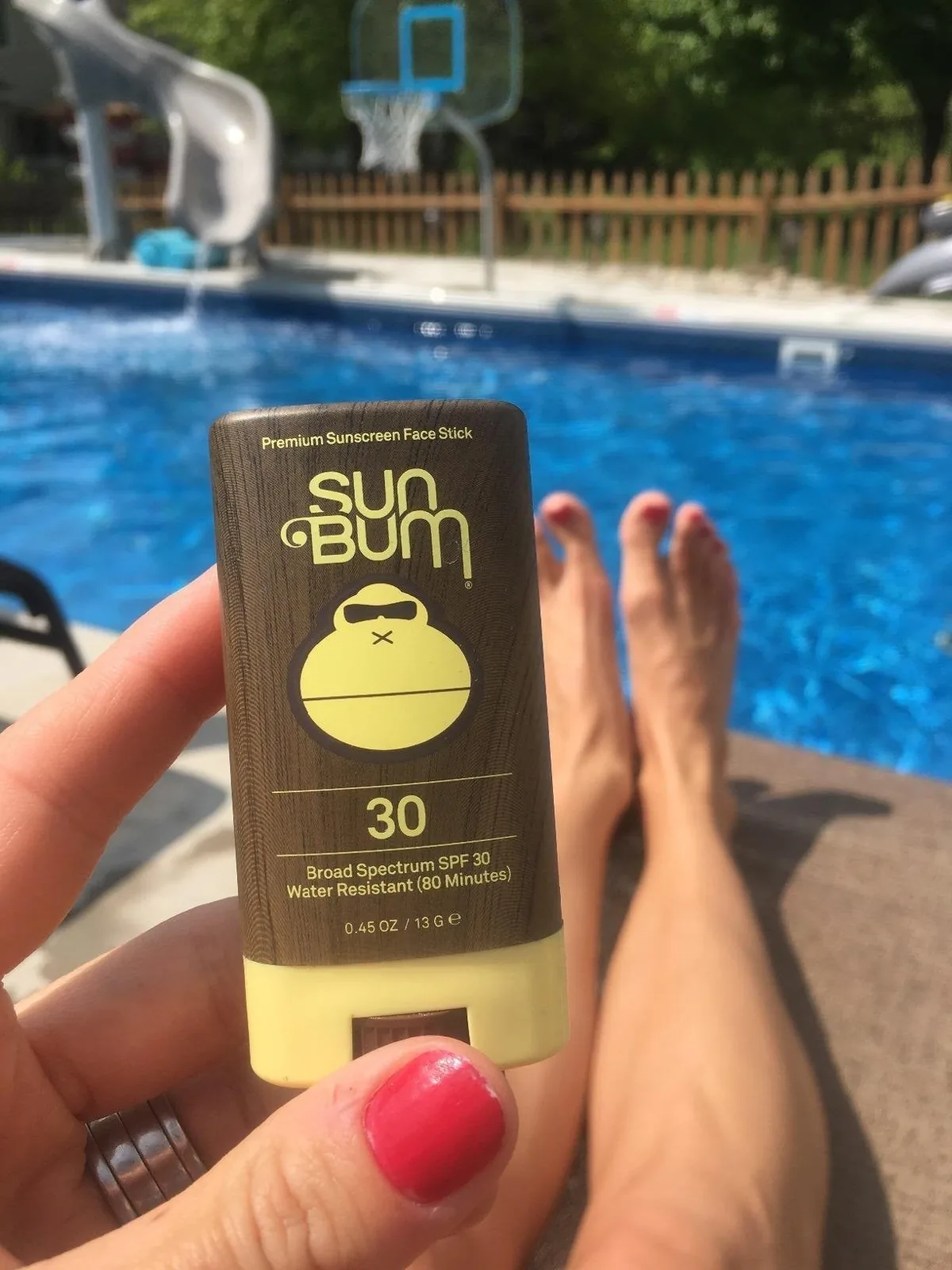
A water-resistant label means the sunscreen kept its protection for either 40 or 80 minutes in testing, and the bottle should say which. No sunscreen is truly waterproof or sweatproof, so after a swim, a workout or a long towel-off, it is time for another layer.
Mineral, chemical or a bit of both
Mineral sunscreens use zinc oxide, titanium dioxide or both. They tend to be the gentler pick for sensitive or easily irritated skin, though older formulas could leave a white cast and newer tinted ones have largely fixed that. Chemical sunscreens use organic filters such as avobenzone or octisilate; they are usually thinner and disappear more easily on deeper skin tones. Plenty of products blend the two.
Dermatologists consider both types safe to wear, and the risk of skipping sunscreen is far greater than any concern about the filters. The FDA has asked manufacturers for more safety data on many chemical filters, so if you would rather avoid them, a mineral formula is an easy swap. Otherwise, let texture, finish and how your skin reacts make the decision.

If you deal with dark spots, a tinted sunscreen with iron oxides is worth a look. Iron oxides help block visible light, which can worsen discoloration, and the tint itself can double as a sheer base on days when you skip makeup.
Matching the formula to your skin
- Oily or breakout-prone skin usually gets along with gels, fluids and lightweight lotions labeled non-comedogenic.
- Dry skin often prefers a creamier sunscreen that can stand in for a light moisturizer in the morning.
- Sensitive skin tends to do best with mineral filters and fragrance-free formulas.
- Deeper skin tones may find chemical or tinted mineral formulas blend in without a gray cast.
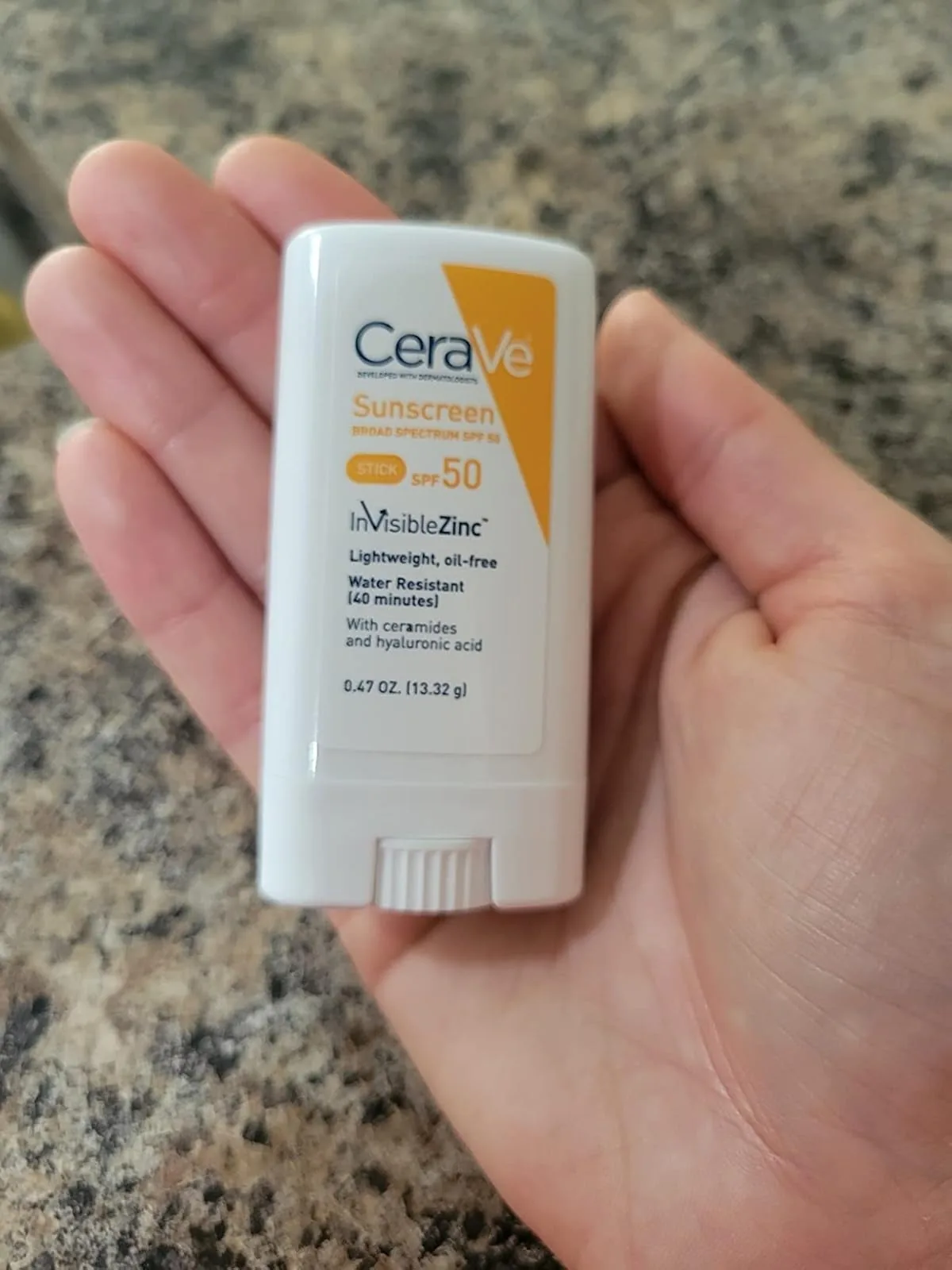
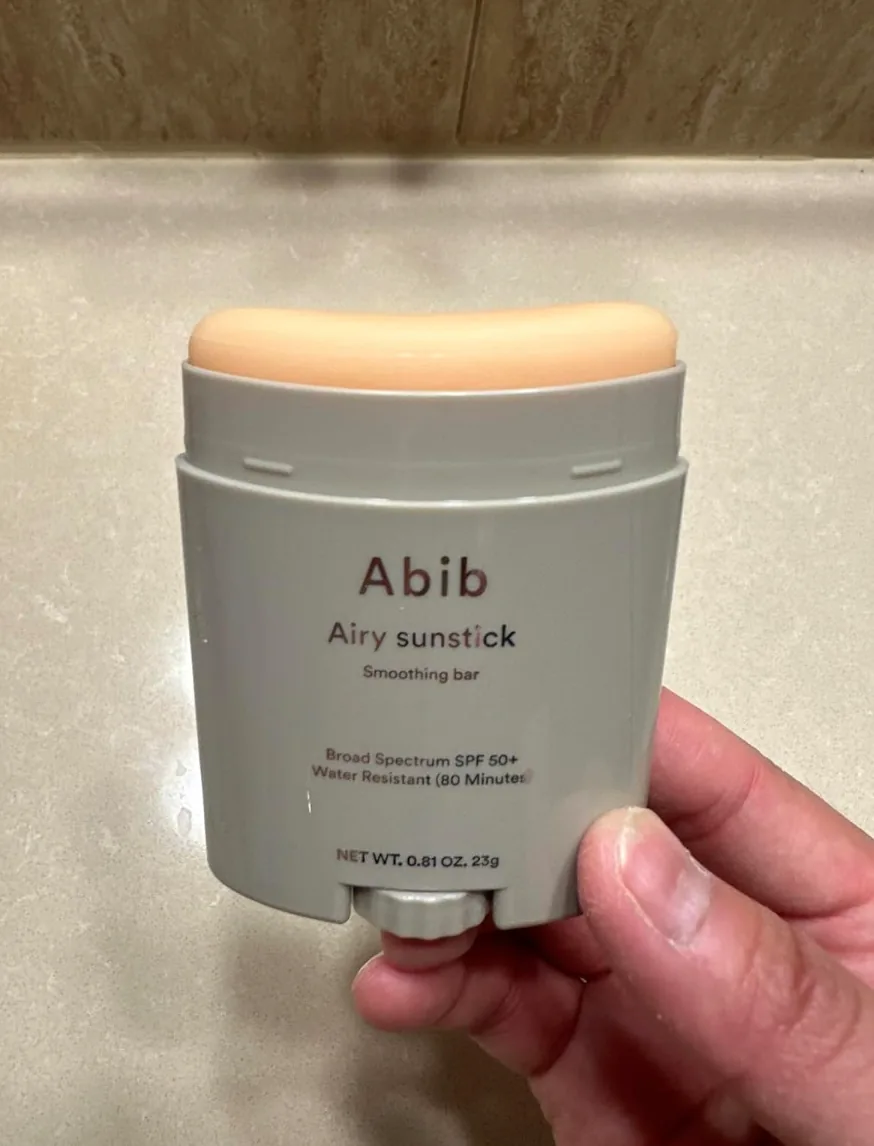
- Sticks are handy for reapplying over makeup and for small areas like ears and the backs of hands, but swipe several times to get a meaningful layer.
How much is enough
This is where most routines quietly fall apart. Studies and dermatologists keep finding that people apply far less than the amount used in SPF testing, so the protection they actually get is well below what the label promises. Most people use somewhere between a fifth and a half of the tested amount, and protection drops roughly in step with the dose.
For exposed skin on the body, the usual guide is about one ounce, enough to fill a shot glass. For the face, dermatologists suggest at least a teaspoon (about 5 ml); a common rule of thumb for the face and neck together is two lines of sunscreen squeezed along the length of your index and middle fingers. It looks like a lot at first, so spread it in two thinner passes if one heavy layer feels greasy.
Do not forget the spots that tend to burn first: ears, the back of the neck, the hairline and part line, the tops of your feet and the backs of your hands. Lips need protection too, so keep a lip balm with SPF 30 or higher in your bag.
When it goes on in your routine
In the morning, sunscreen is the last skincare step and the first step before makeup. Apply it after moisturizer, give it a few minutes to settle, then continue with foundation or concealer. Aim to have it on at least fifteen minutes before you head outside; some skin cancer groups suggest a full thirty, so applying it at the start of your routine rather than at the door covers both. On beach or pool days, put body sunscreen on before you dress so a shifting strap or hem does not leave a bare stripe.
Moisturizers and foundations with SPF are a nice bonus, but you would need to use far more of them than anyone does to get the protection on the label, so treat them as a top-up rather than your main layer. If you want to see where every other step fits, our guide to skincare routine order walks through it.
Reapplying without ruining your face
The standard advice is to reapply every two hours when you are outdoors, and right away after swimming or heavy sweating. On a day spent mostly indoors and away from windows, the morning layer does most of the work; top up before you head out at lunch or for the commute home.
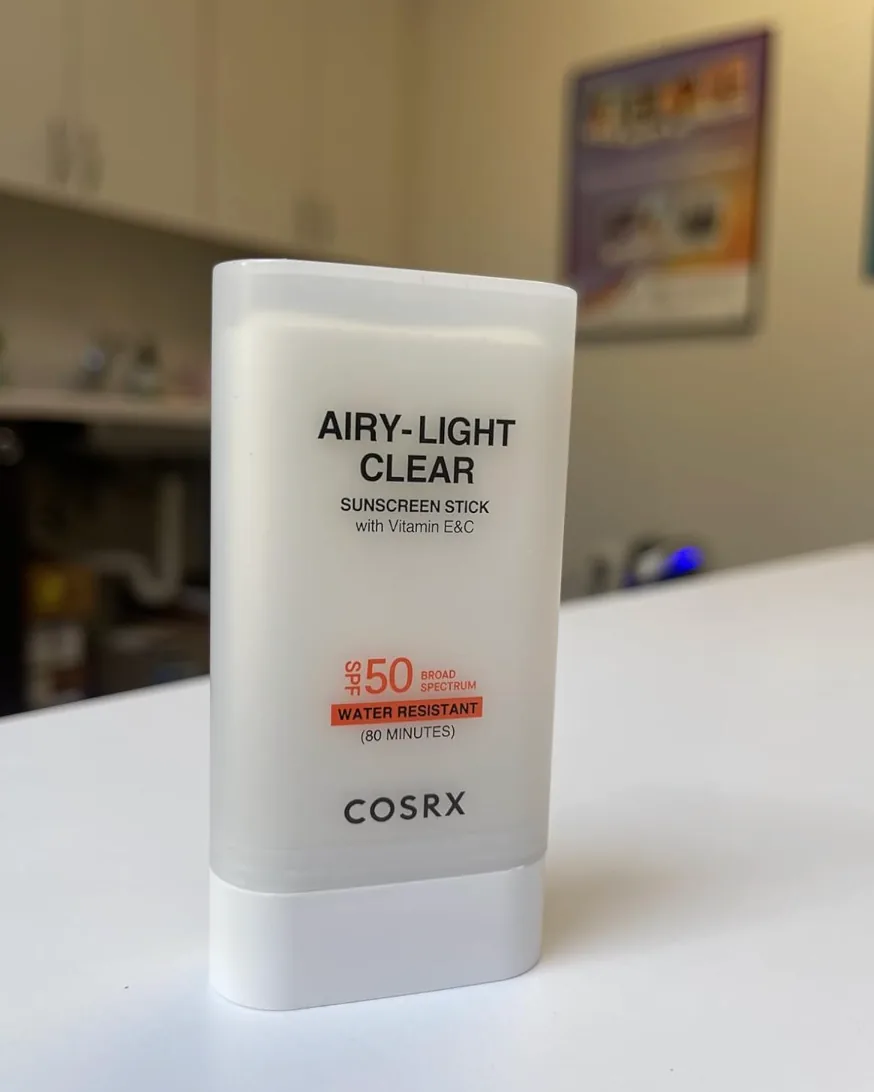
Reapplying over makeup is easier than it sounds. A clear stick swiped over the face in several passes, an SPF powder brushed on generously, or a little lotion sunscreen pressed on with a damp sponge will all add protection without wiping off your base. If you use a spray, mist it into your palms and pat it over your face rather than spraying it straight at your eyes and mouth. Powders and sprays are easy to under-apply, so treat them as top-ups, not your morning layer.
When sunscreen pills or leaves a cast
Little rolls of product under your foundation, or a gray film on deeper skin, are the two most common reasons people give up on a sunscreen. Both are usually fixable before you switch products.
- Pilling: use fewer layers underneath. A serum, a thick cream and a silicone primer under sunscreen give it plenty to ball up with.
- Pilling: give each layer a minute or two to settle, then press makeup on with a sponge or fingertips instead of rubbing back and forth.
- Pilling: if your sunscreen and foundation still fight, try pairing a water-based base with a water-based sunscreen, or a silicone-heavy one with another silicone-heavy one.
- White cast: rub mineral formulas in section by section instead of all at once, or move to a tinted mineral or a chemical formula. Do not fix a cast by using less, which only cuts your protection.
- Stinging around the eyes: a mineral stick or a fragrance-free mineral lotion on the eye area tends to run less than a thin chemical fluid.
A few habits that make it stick
- Keep one sunscreen by the sink and another in your bag, so you never have to remember to pack it.
- Check the expiration date. Sunscreen is made to stay stable for about three years; if a bottle has no date, write the purchase month on it, and toss anything that has changed color or texture.
- Do not leave it baking in a hot car, which breaks it down faster.
- Wear it on cloudy and winter days. Clouds let most UV through, and snow reflects it back up at you.
- Pair it with shade, sunglasses and a wide-brimmed hat on long days outside. Sunscreen works best as one part of the plan.
Quick answers
Do I need sunscreen if I work indoors?
If you sit near a window or drive to work, yes. Window glass blocks most UVB but lets UVA through, so a morning layer is worth it even when you will not feel any sun on your skin.
Is the SPF in my foundation enough?
On its own, rarely. To reach the number on the label you would need several times your usual amount of foundation, so use a real sunscreen underneath and count the makeup as extra.
Does darker skin need sunscreen?
Yes. Deeper skin burns less easily, and a burn may show up as darker or tender skin rather than redness, but UV damage and skin cancer can still happen. Visible light can also deepen dark spots, which is where tinted formulas with iron oxides help.
Can I use my sunscreen on a baby?
Not under six months, as a rule. Babies that young are best kept in shade with clothing and a hat; ask a pediatrician before using any sunscreen on them. From six months on, follow the label of a broad-spectrum, water-resistant SPF 30 or higher.
Once you find a texture you enjoy, the daily part takes care of itself. If cold weather is drying your skin out at the same time, our winter skincare guide covers how to keep sunscreen in the mix without the tight, flaky feeling.