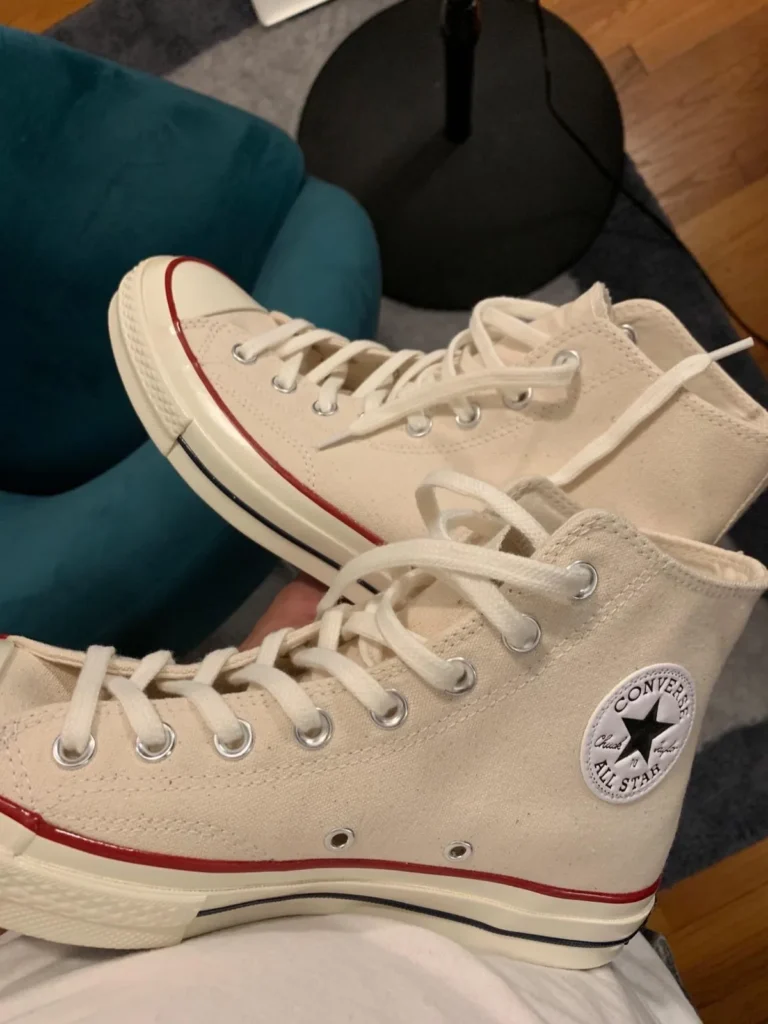
Handbags rarely wear out from use. More often they lose their shape on a closet shelf: a corner crushed under another bag, a strap stretched from months on a hook, a crease that set because the bag sat empty and folded over. Ten minutes of care when you put a bag away prevents nearly all of it, and most of what you need is already in your home: tissue paper, a pillowcase and some shelf space.
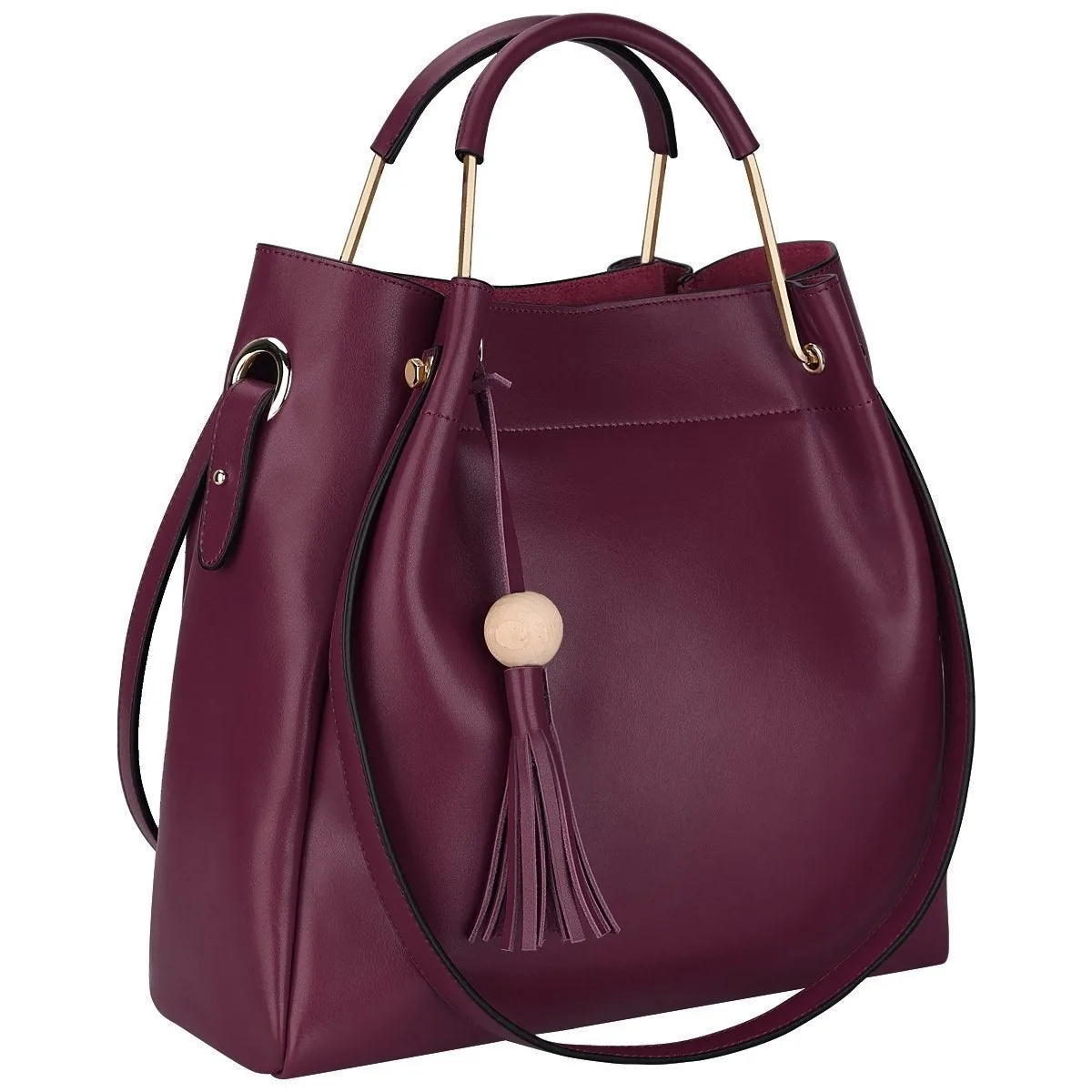
Clean it out before it goes away
Start by emptying every pocket. Receipts, lip balm, coins and pens all leave marks on a lining, and anything sticky or leaky will find its way out eventually. Shake out crumbs, run a lint roller over fabric linings and turn soft bags inside out if you can.
Then wipe the outside. A soft, dry microfiber cloth handles most leather. For marks, put a little leather cleaner on the cloth rather than spraying the bag, and test on a hidden spot first.
If the leather looks dry, a thin coat of conditioner before storage keeps it supple while it rests. Dirt, sunscreen and hand oils left on the surface keep working on the material in the dark, so this step matters more than it seems.
Go easy on the conditioner, though. Museum conservators who care for old leather avoid oils and dressings where they can, because too much product stiffens, darkens and leaves a tacky film that grabs dust. For everyday bags, once or twice a year, or whenever the leather looks dull and dry, is plenty.
Stuff it, but gently
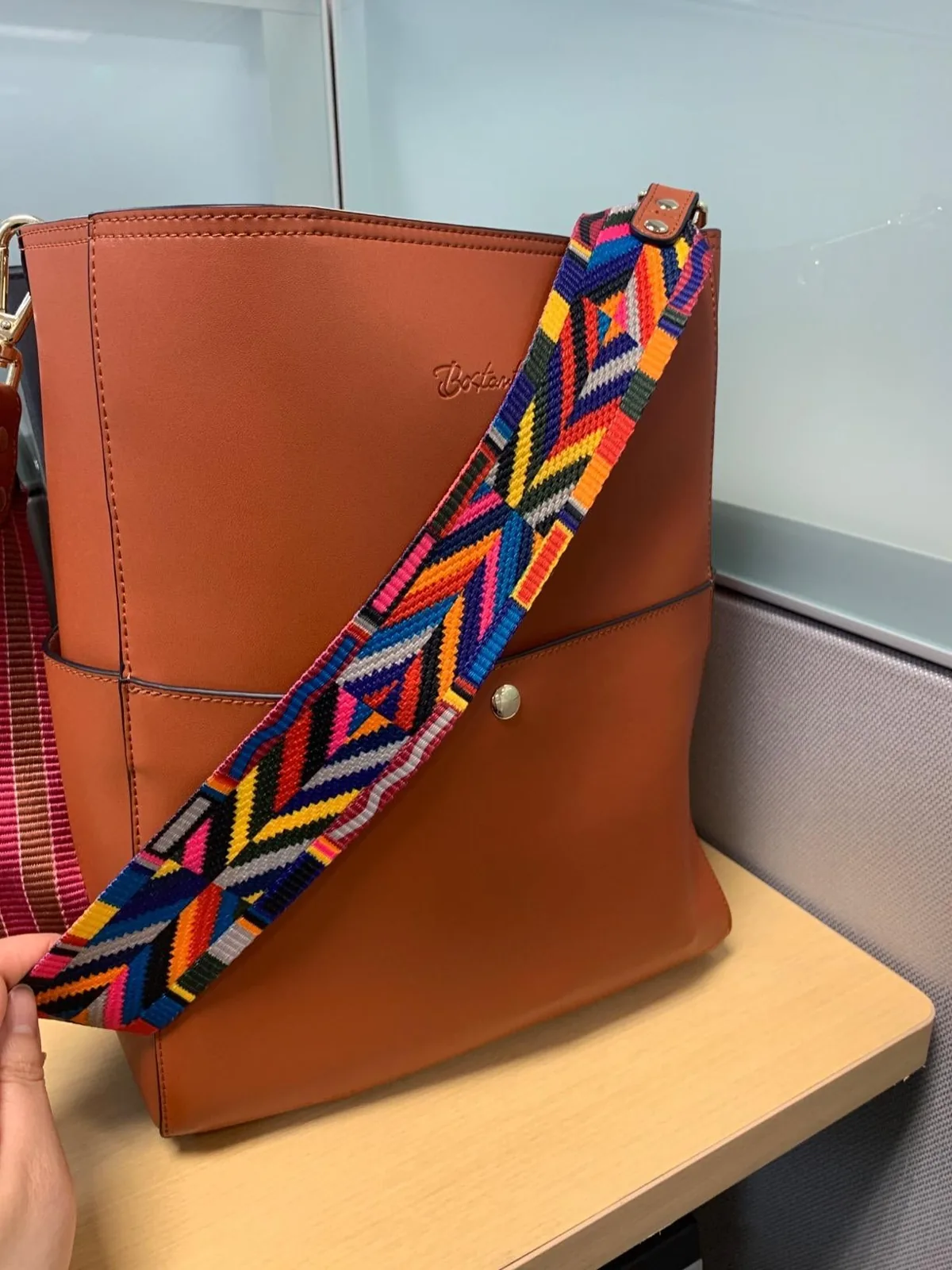
An empty bag slumps, and the folds it settles into can become permanent creases, especially in soft leather. Filling it gives the sides something to rest against.
Use acid-free tissue paper, bubble wrap, a small pillow, a rolled scarf or a clean pillowcase filled with soft fabric. Avoid newspaper and colored tissue, since ink and dye can transfer onto pale linings. Aim for the bag’s natural shape: underfill and the sides still collapse; overfill and the seams and leather stretch. Purpose-made bag shapers do the same job neatly if you have a lot of bags.
Suede and nubuck bags need a lighter hand, with just enough padding to hold the outline and nothing pressing hard against the nap.
Take care of straps, chains and charms
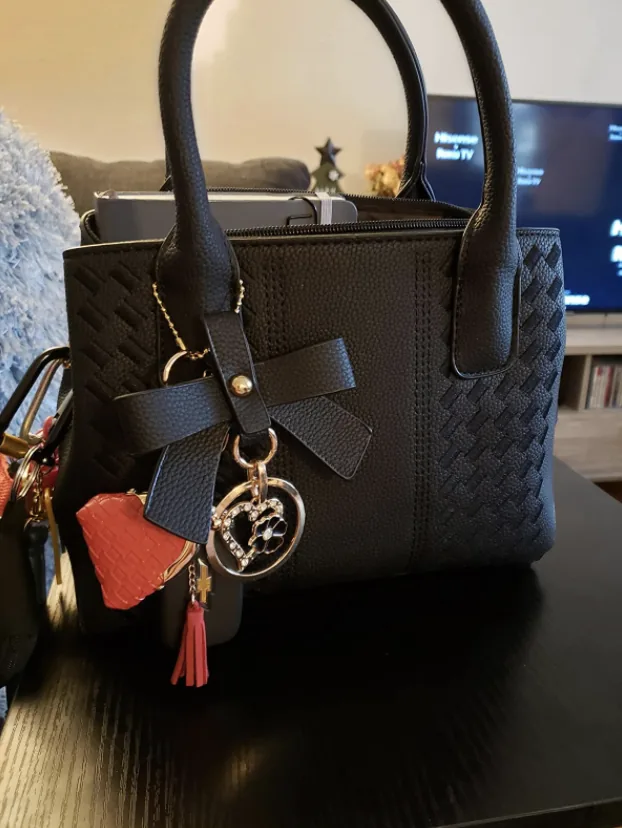
Detach anything that comes off: long straps, chain straps, charms and key fobs. Wrap metal pieces in tissue or a soft cloth and tuck them inside the bag, cushioned by the stuffing, so they cannot scratch or press into the leather. If a chain cannot be removed, wrap it and lay it inside rather than draped over the outside.
The wrapping matters for more than scratches. Metal resting against leather for months can leave dark marks or green corrosion, especially in a humid closet, so keep a layer of cloth or tissue between hardware and hide.
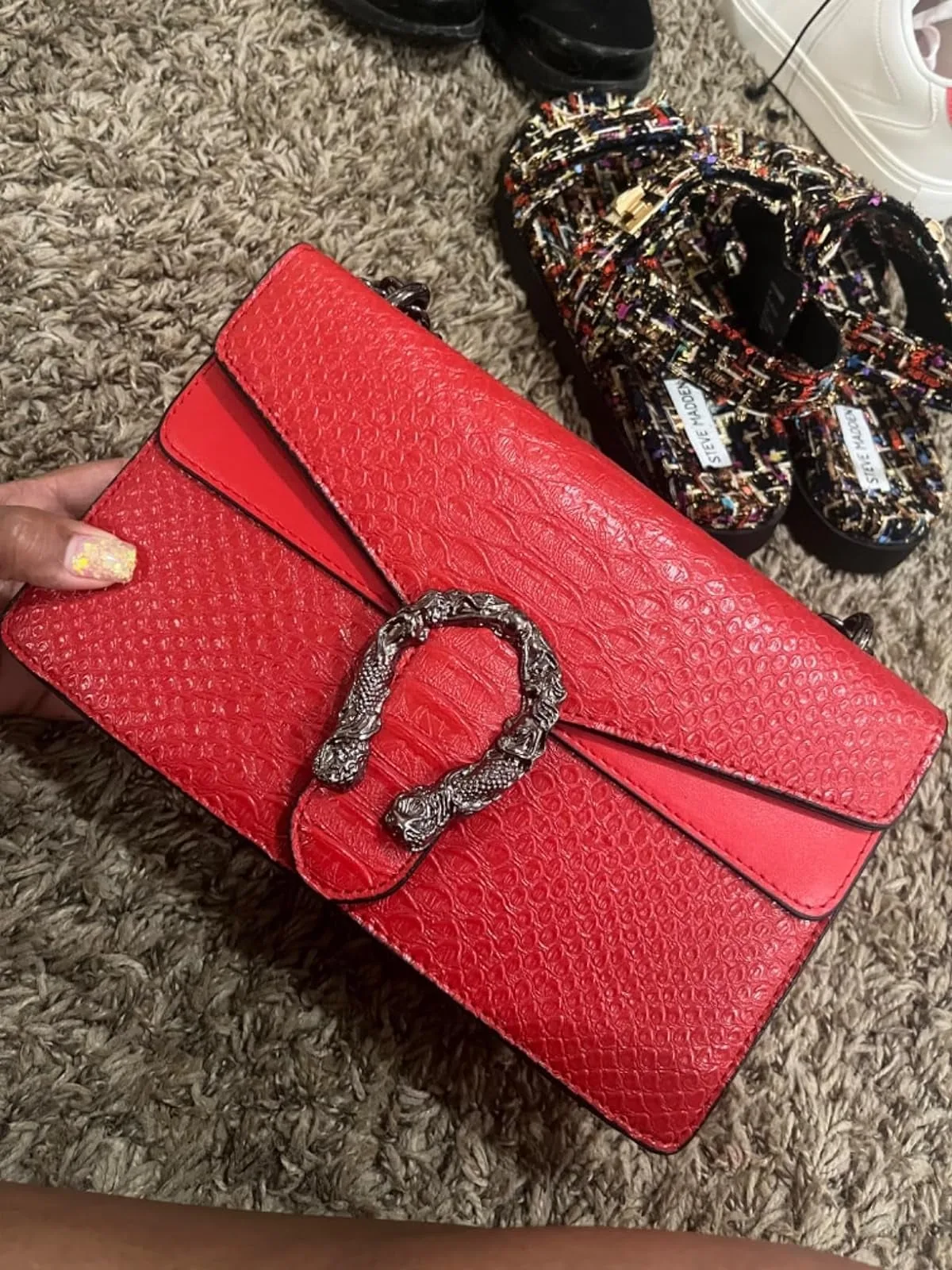
Hardware on the bag itself, like the horseshoe clasp on this red clutch, can scratch neighboring bags, which is one more reason to give each bag its own cover. Clutches and small evening bags can lie flat in a drawer, each in its own pouch.
Give every bag a dust bag
The fabric bag a handbag came with is there for a reason. It keeps dust off, shields color from light and stops bags from rubbing against each other. If you never had one or lost it, a plain cotton pillowcase does the same job; choose white or undyed fabric.
Skip plastic. Plastic bins with lids and garment bags trap humidity, and leather that cannot breathe can develop mildew and odor. Patent leather in particular can stick to plastic and lift its coating. A quick label or photo on the outside of each dust bag saves opening every one to find the bag you want.
Stand them up, side by side
The best position for most bags is upright on a shelf, like books, with a little space between them. Stacking puts weight on the bags underneath and crushes structured shapes and soft leather alike. Shelf dividers or a few open boxes keep tall bags from leaning and slouchy bags from slumping into each other.
Hanging is fine for a day or two, but not as long-term storage. Gravity pulls on the straps and handles and slowly stretches them, and heavy leather bags suffer most. If you hang bags for display, use a wide, rounded hook and keep them empty and light.
Watch the light, heat and humidity
A closet that is cool, dark and dry is ideal. Sunlight fades dyed and brightly colored leather surprisingly quickly, even through a window, and heat from radiators or a sunny wall dries leather out. Damp is the other enemy: basements, attics and bathrooms with steam encourage mold.
In a humid home, a few silica gel packets inside the dust bag help, as long as they do not touch the leather directly. A cedar sachet keeps the closet smelling fresh and may help deter moths, which can damage fabric linings, but it is no substitute for regular airing.
For numbers, conservators aim for steady humidity of roughly 45 to 55 percent and a room temperature of about 64 to 68°F (18 to 20°C). Below about 30 percent, leather turns dry and brittle; above about 65 percent, mold becomes likely. A small hygrometer from a hardware store tells you which side of that your closet falls on. Steady matters as much as the exact figure, which is why an outside wall, an attic or a spot next to a heating vent is a poor place for a bag collection.
If a bag has already lost its shape
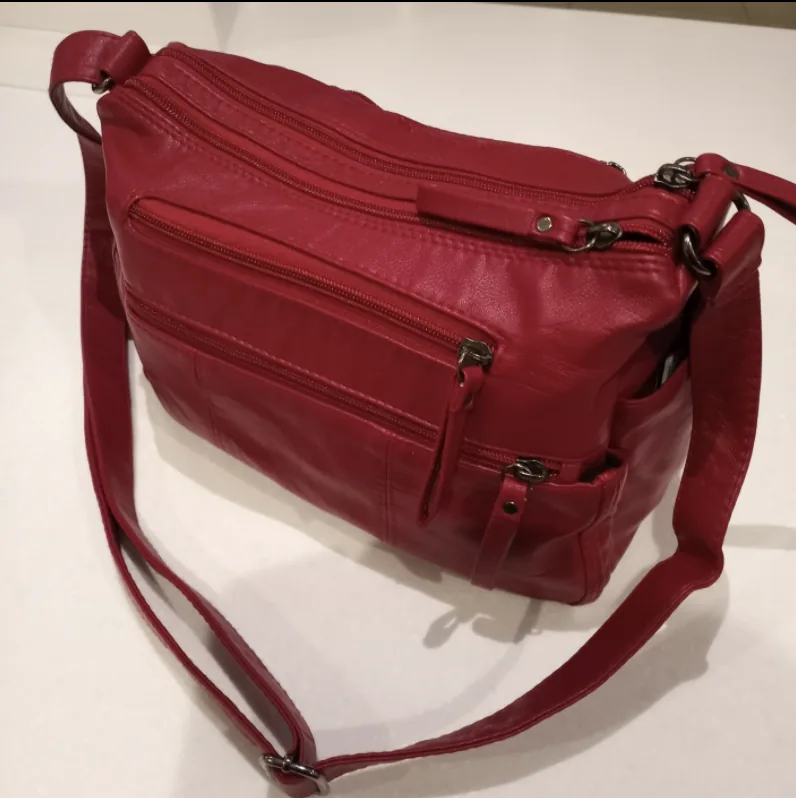
Mild slumping often recovers, especially in soft leather like the red crossbody above. Stuff the bag firmly to its intended outline and leave it upright for a week or two. Light creases usually soften after a round of conditioner and a few days of support from the inside.
Deep creases, cracked edges, broken stitching or a stretched strap are a job for a leather repair specialist. Ask before trying heat or water at home, which can make things worse.
Not every bag is leather
- Straw and raffia: sunlight and heat make natural fibers brittle and prone to splitting. Brush off dust along the weave, stuff with tissue and keep in a breathable bag with nothing heavy on top. If a straw bag gets wet, pat it dry, stuff it loosely and let it air-dry in the shade for a day or two, never with a hair dryer.
- Nylon and canvas: spot clean with mild soap and water, let them dry completely before they go away, then stuff lightly. Soft nylon can be folded flat for travel, but avoid crushing it under heavier bags for months.
- Faux and vegan leather: heat causes peeling and cracking, and pressure leaves dents that do not recover the way real leather does. Wipe the surface clean, keep it away from radiators and never at the bottom of a stack.
- Leather trim on fabric bags: handles and corners still need occasional conditioning, even if the body of the bag does not.
Check in now and then
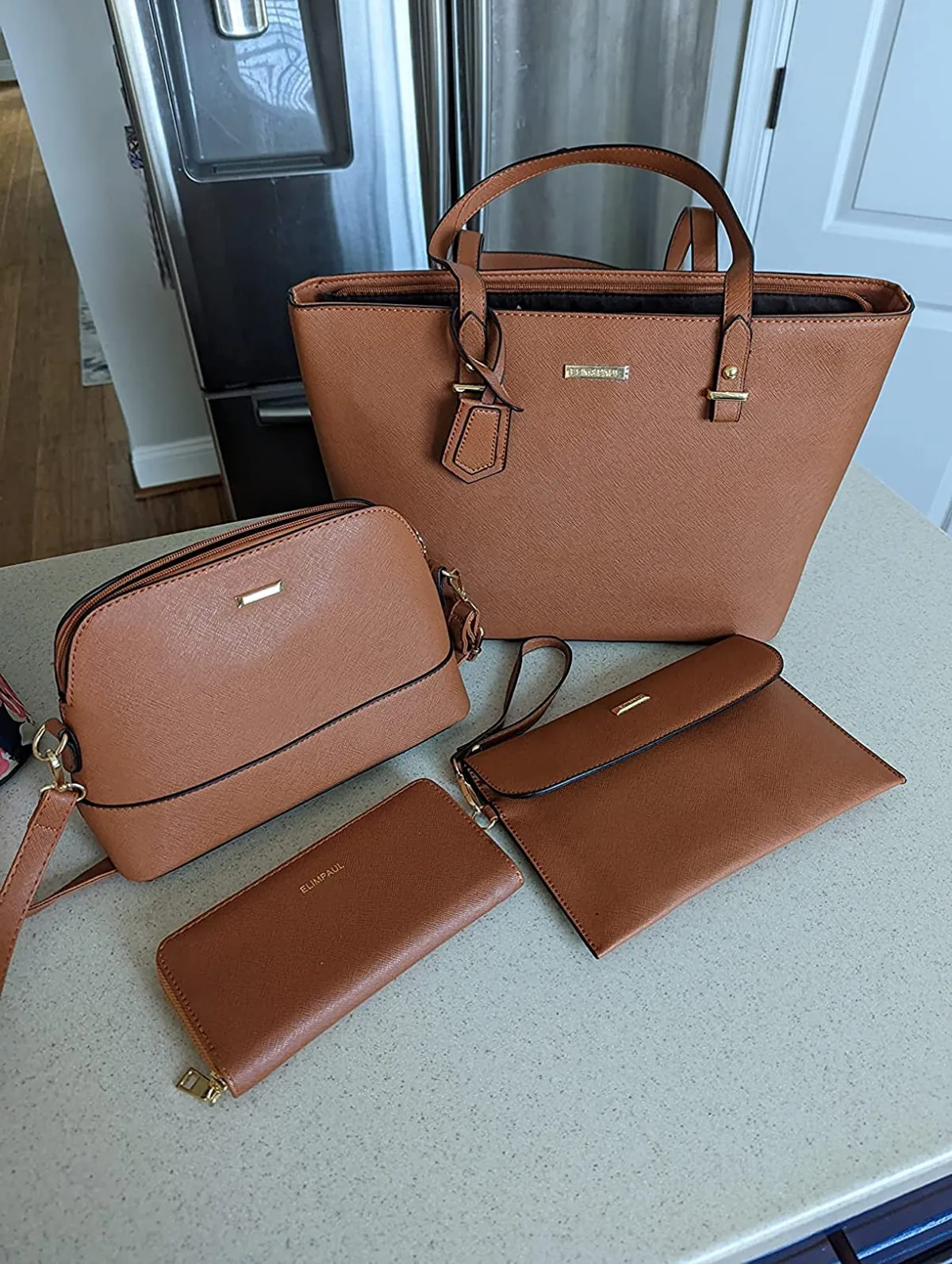
Bags stored for a whole season benefit from a quick look every couple of months. Take each one out, let it air for a moment, check for any spots, smells or creases, and condition leather if it feels dry. Rotating the bags you carry also gives each one regular attention and keeps a favorite from being overworked.
Small habits in daily use help storage, too. Carry makeup and pens in a pouch so the lining stays clean, avoid overloading a bag until its base sags, and do not set it down on wet or dirty floors.
Quick answers
Is it ever fine to hang a bag?
Light fabric and nylon bags can hang on a wide hook without much harm. Heavy or structured leather bags should not hang for long, because the weight stretches the handles and the points where they join the bag.
Are clear acrylic display boxes a good idea?
They keep out dust and let you see your collection, but they need a dry room away from windows. Add a silica gel pack, open them every few weeks to let air in, and keep each bag in its dust bag if the box sits in daylight.
How often should I check stored bags?
Every couple of months. Look for spots, smells, sticky patent and slumped sides, and refresh the stuffing if it has compressed.
Can I use newspaper to stuff a bag?
Not for storage. Ink can transfer onto linings and pale leather. Plain acid-free tissue, bubble wrap or a clean cotton T-shirt are safer.
If you only change one habit, make it this: stuff it, cover it and stand it upright every time a bag goes back on the shelf. The same thinking applies to shoes, which our suede and leather shoe care guide covers. Shopping for a bag worth looking after? Browse Our Finds, and find more care and style guides in Shoes & Bags.