Your winter coat is the piece of clothing people see most from November to March. It goes on over everything, every day, so it shapes how every outfit reads from the street. That is also why buying one by look alone so often goes wrong: a handsome wool coat is miserable at a snowy bus stop, and a technical parka looks out of place over a suit.
A better approach is to start with two questions. How cold and wet does your winter actually get? And what do you usually wear underneath? Answer those honestly, and the field narrows to one or two styles very quickly.
First, be honest about your winter
Think about the worst week of a typical year, not the worst day of the decade. If your coldest days hover a little below freezing and it is mostly dry, a good wool coat over a sweater will handle nearly everything. If you deal with regular snow, sleet, freezing wind or long waits outdoors, you need insulation and a weatherproof shell, and that points toward a parka or a down jacket.
How you get around matters as much as the thermometer. Someone who drives door to door can wear a lighter, dressier coat than someone who walks twenty minutes to the train. Wet climates add another layer: wool shrugs off light drizzle and snow, but in steady rain it soaks through and gets heavy.
The overcoat: for suits and sharp outfits
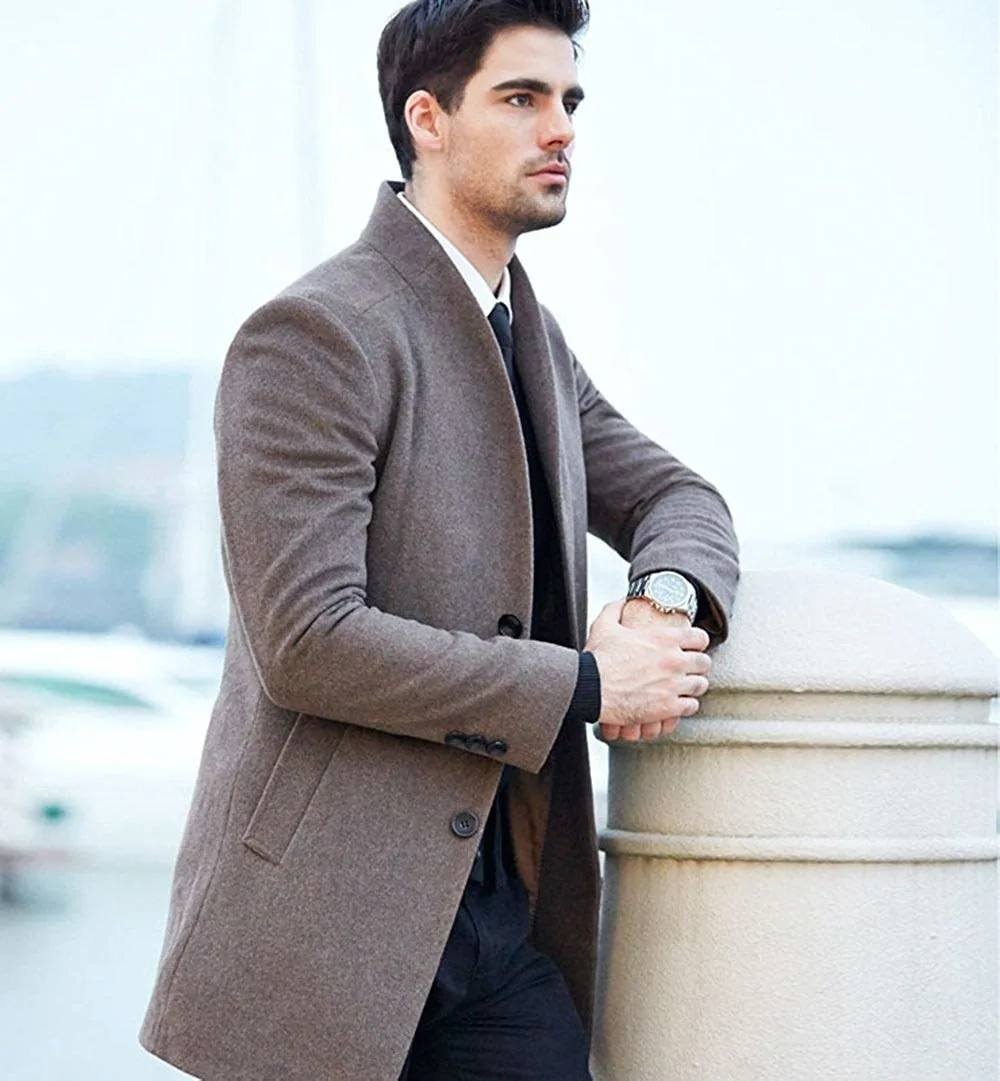
An overcoat is the tailored option, usually in wool or a wool blend, cut long enough to reach around the knee. Because it covers your jacket and much of your trousers, it is the natural choice if you wear suits or sport coats, and it also looks smart thrown over a roll-neck and dark jeans. Single-breasted versions with notch lapels are the easiest to wear; double-breasted styles look more formal and suit taller or leaner builds.
Length is mostly about proportion. Taller men can wear a coat at or below the knee easily; shorter men often look better in a coat that stops just above the knee. Either way, it must be long enough to cover the hem of any jacket you wear underneath. Navy, charcoal and camel are the classic starting colors because they work with almost anything.
The peacoat: the all-rounder
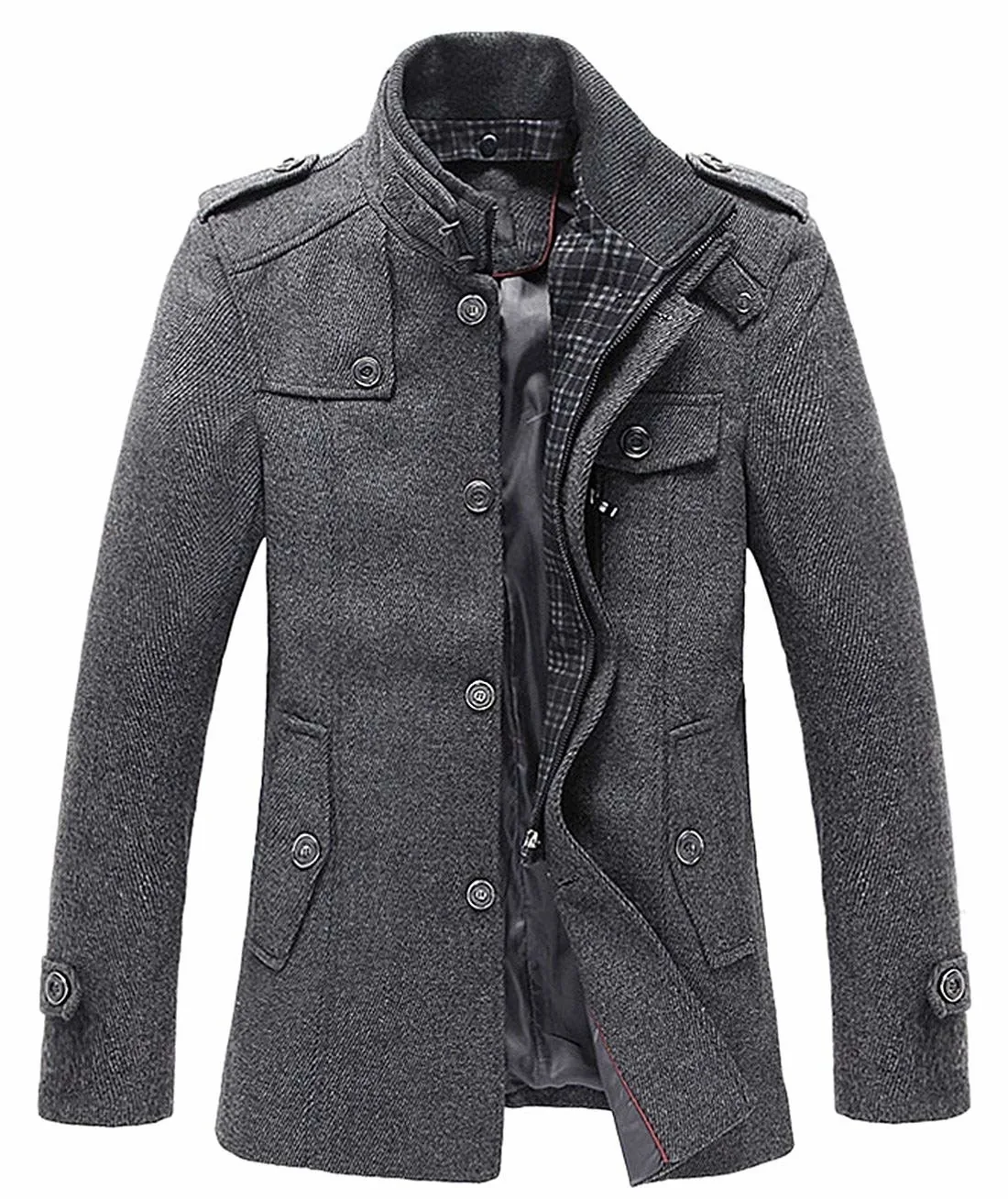
A peacoat is shorter, usually ending between the hip and mid-thigh, with a double-breasted front, broad lapels and a collar you can turn up against the wind. The traditional cloth is dense, heavy wool, which is what makes it warm. It sits neatly in smart-casual territory: over a sweater and oxford shirt, with chinos or denim, boots or clean sneakers.
If you only want one coat and your winters are moderate, this is often the best bet. Its main weakness is that it leaves your legs exposed and isn’t long enough to cover a blazer. Wool-blend versions in a similar cut, including stand-collar styles with a zip under the buttons, offer the same look with a little extra wind protection at the neck.
The parka: for real cold
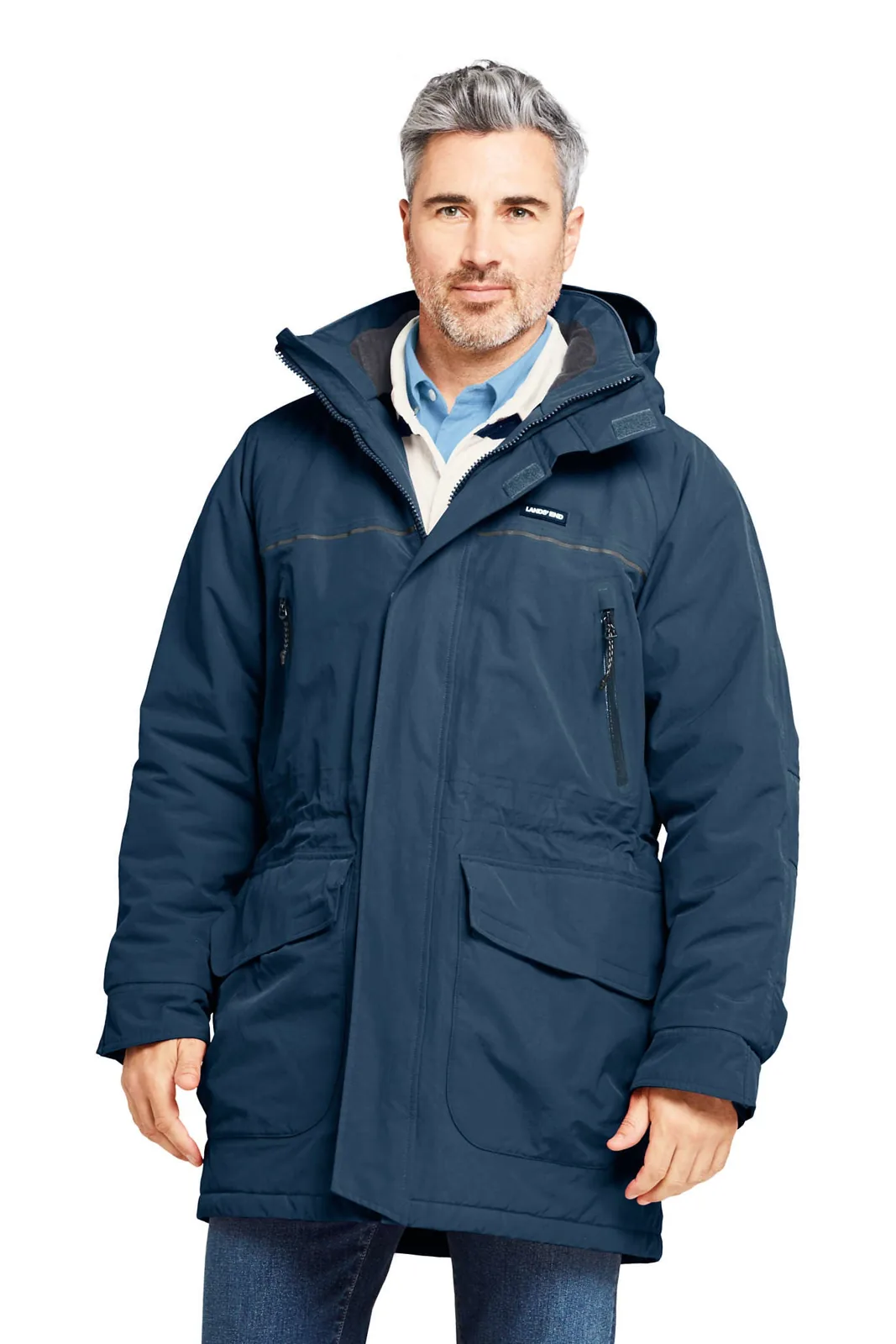
A parka is built for function: a weather-resistant shell over down or synthetic insulation, usually with a hood, often falling to mid-thigh or longer. It is the warmest of the main styles by a wide margin, and the only one that comfortably handles wet snow, slush and biting wind. Look for a hood that fits over a beanie, cuffs that close around your wrists, and a drawcord or adjustable waist to stop heat escaping.

The trade-off is formality. A parka looks right with jeans, flannel, boots and knitwear, but less so over tailoring. Many people in cold cities simply own two coats: a parka for the hard days and something wool for the milder ones.
Chore coats and work jackets: casual and tough
Heavy cotton canvas coats with big patch pockets and a corduroy collar come from workwear, and that heritage shows in how hard-wearing they are. A blanket or fleece lining makes them viable for cool and cold days, especially layered over a hoodie or thick flannel. They are boxier by design, which is a feature: there is room for layers underneath.
They won’t keep you warm in serious cold without help, and they don’t pair with suits. For weekends, outdoor errands and a rugged casual style, though, they get better the more you wear them, softening and fading over time.

Down and puffer jackets: warmth without weight
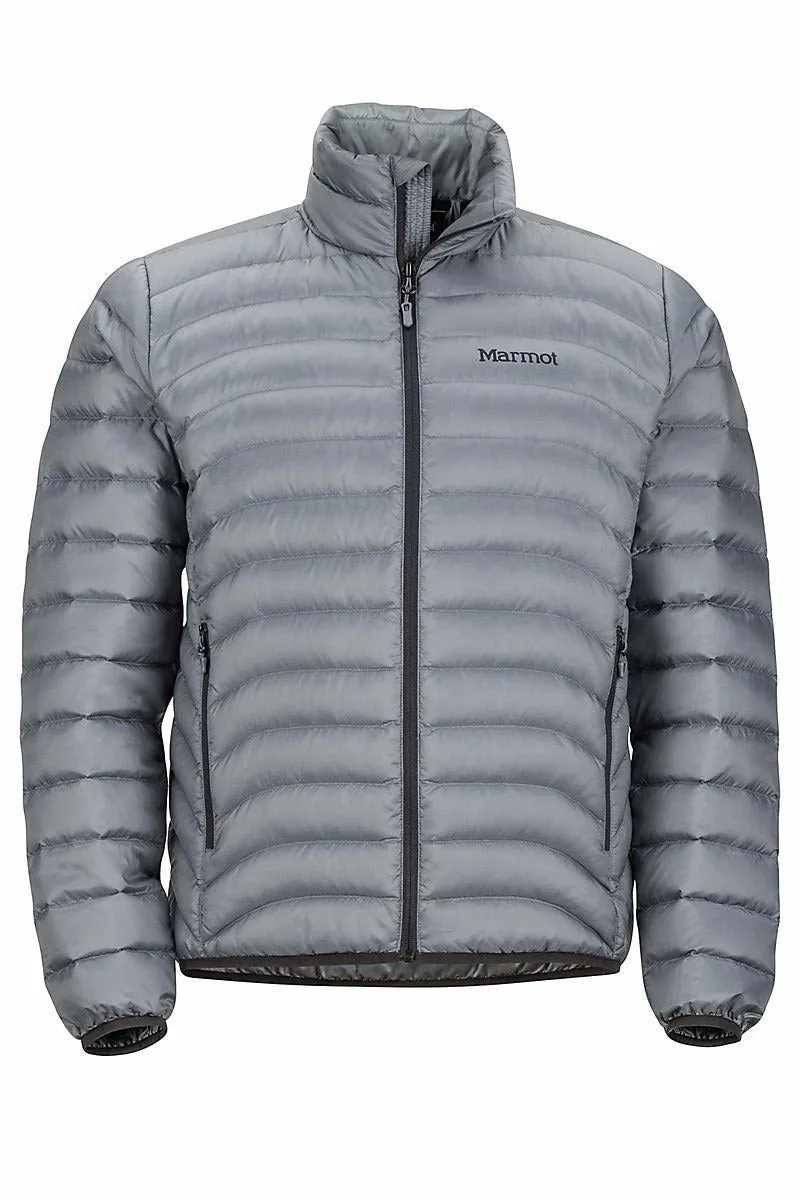
A down jacket gives you a lot of warmth for very little weight, and most of them pack down small. Waist-length versions are easy to move in and work well for active days, driving and travel. The puff is part of the look, so keep the rest of the outfit simple: dark jeans or chinos, a plain knit, sturdy shoes. If you want a down jacket that looks a little cleaner, choose a slimmer quilt with narrower baffles and a matte rather than shiny finish.
How a winter coat should fit
Always try a coat on over the thickest layer you’ll realistically wear with it: a suit jacket for an overcoat, a chunky sweater for a peacoat, a fleece or heavy hoodie for a parka. Then run through a few checks.
The shoulders should sit at or just beyond the edge of your own, giving room for layers without drooping. Button or zip it all the way and reach both arms forward; the coat shouldn’t pull hard across your back.
Sleeves should cover your shirt and jacket cuffs completely and reach the base of your thumb, so your wrists stay covered when you reach for something. The front should close without the buttons straining, and the coat should still have some shape rather than hanging like a sack.
If you are between sizes, think about what you’ll layer underneath most often. Size for the heaviest everyday combination, not the occasional one.
What the numbers on the tag mean
Coat listings are full of figures. A few of them genuinely help you compare warmth.
- Down fill power measures how much space an ounce of down fills, and so how efficiently it traps warm air. Around 550 is entry level, 600 to 700 is good everyday quality, and 800 and up is premium, warmer for its weight and more packable.
- Fill weight is how much down is actually inside, and it matters just as much. A coat stuffed with plenty of 650-fill down can be as warm as one with a little 800-fill; it will just be bulkier. If a brand lists only fill power, look at how thick the coat is.
- Synthetic insulation is less warm for its weight, but it keeps insulating when damp and dries faster. In wet, near-freezing climates, that can make it the better buy.
- Waterproof ratings in millimeters describe how much water pressure the shell resists. Roughly 5,000 mm handles showers, 10,000 mm suits most city winters, and 20,000 mm is for long hours in heavy rain or wet snow. A breathable shell matters too: if sweat can’t escape, it dampens the insulation from the inside.
- Wool cloth weight, when listed, tells you more than the wool percentage. As a rough guide, cloth over about 400 grams per square meter is heavy and properly warm, while under 300 is a mid-season coat. Some brands quote weight per running meter instead, which reads higher, so 600 g and above is probably that measure.
On wool blends, thickness beats purity. A dense coat that is 80 percent wool and 20 percent nylon can be warmer than a thin coat in 100 percent wool. What to avoid is a thin coat with a high share of polyester, which is neither warm nor durable.
Small details that make a big difference
Check the fabric label on wool coats: a higher wool content generally means more warmth and better wear over time, while a lot of polyester can look flat and pill sooner. Look for a collar that stands up properly, pockets placed where your hands naturally fall, and a lining that slides easily over sweater sleeves. On parkas, sealed or covered zips, a storm flap and insulated pockets all add real comfort on the worst days.
Color is the last decision and the easiest. Navy, charcoal, black, olive and camel all age well and work with most wardrobes. Save bright colors and bold checks for a second coat.
Make it last more than one winter
Wool coats need very little cleaning. Brush them down after wear with a clothes brush to lift dust and lint, hang them on a wide, shaped hanger so the shoulders keep their form, and let a damp coat dry at room temperature before it goes back in the closet. Wool resists odors and stains well, so dry cleaning once a season, or when there’s a real stain, is plenty. Before summer, clean it and store it in a breathable garment bag to keep moths away.
Down jackets can usually be washed at home on a gentle cycle with a detergent made for down, then tumble dried on low with a couple of clean tennis or dryer balls to break up clumps. It takes a while, and the jacket needs to be completely dry before storing it, or the down can mildew. Store down loosely hung rather than squashed in its stuff sack.
Quick answers
Is a wool coat warm enough below freezing?
A heavy wool coat over a sweater is fine a few degrees below freezing on a dry day, especially with a scarf. For long waits outside in wind, wet snow or deep cold, an insulated parka is the more comfortable choice.
Should I size up in a winter coat?
Usually not. Most outerwear is already cut to go over layers. Try your normal size over your thickest regular layer, and only size up if you can’t reach forward without the back pulling tight.
Down or synthetic?
Down for cold, dry winters and when you want warmth without bulk. Synthetic for damp climates, sweaty commutes or if you’d rather not baby the coat.
Matching coat to life
If your week is mostly office days and you wear tailoring, start with an overcoat. If you want one coat that goes almost everywhere in a moderate winter, choose a peacoat. If your winters are harsh or you spend long stretches outside, buy the parka first and add wool later. And if you’re building warmth around the coat, our guide to winter layering covers what goes underneath, while our winter coat picks for cold commutes narrow down specific options.