
If your foundation has started going on streaky and your blush looks muddy, the problem may be the brush, not the product. Every sweep picks up makeup, oil and dead skin cells, and after a few weeks that buildup goes back on your face, where it can also add to clogged pores or irritation. Here is how often to wash each tool, the gentle way to clean and dry it, and how to tell when makeup itself has had its day.
How often to wash what
Dermatologists generally suggest washing makeup brushes about every week to ten days. If you want to fine-tune that, sort your tools by what they touch:
- Brushes used with liquids and creams, like foundation, concealer and cream blush: about once a week. Wet products cling to the bristles and build up fastest.
- Eye brushes for shadow and liner: at least every two weeks, and weekly if you use them with cream shadow or gel liner, since they work right at the lash line.
- Brushes for powder, bronzer and powder blush: at least once a month.
- Makeup sponges: ideally after every use, or every few uses at most. A damp sponge soaks up product and stays moist inside, which is exactly what bacteria and yeast like.
Sponges are not singled out for nothing. When university researchers in the UK tested several hundred used makeup products donated by their owners, most carried potentially harmful bacteria, and blending sponges were among the worst. More than nine in ten of the sponges had never been cleaned, and roughly two-thirds of owners admitted to dropping theirs on the floor and carrying on. Rinse a dropped sponge and wash it before it touches your face again.
If that sounds like a lot, tie it to something you already do weekly, such as changing your sheets. Ten minutes on a Sunday night covers the whole set.
The gentle way to wash a brush
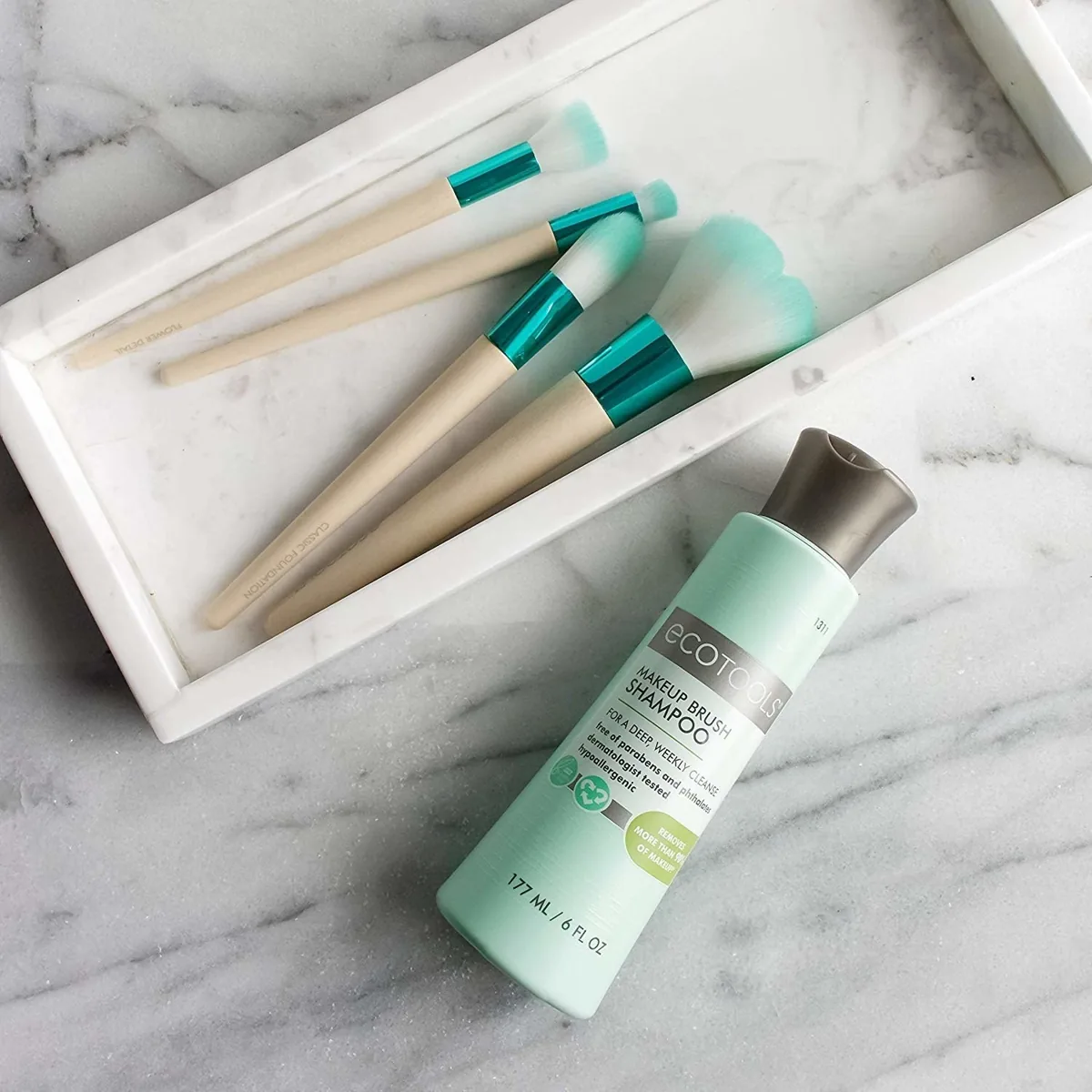
You do not need special equipment. A mild shampoo, such as a gentle or baby shampoo, a brush-cleaning product, or a small drop of dish soap all work. Harsh bar soap can leave bristles dry and stiff.
- Rinse only the tips. Hold the brush bristles-down under lukewarm running water. Keep water away from the ferrule, the metal band where the bristles meet the handle; soaking it can loosen the glue and make the brush shed.
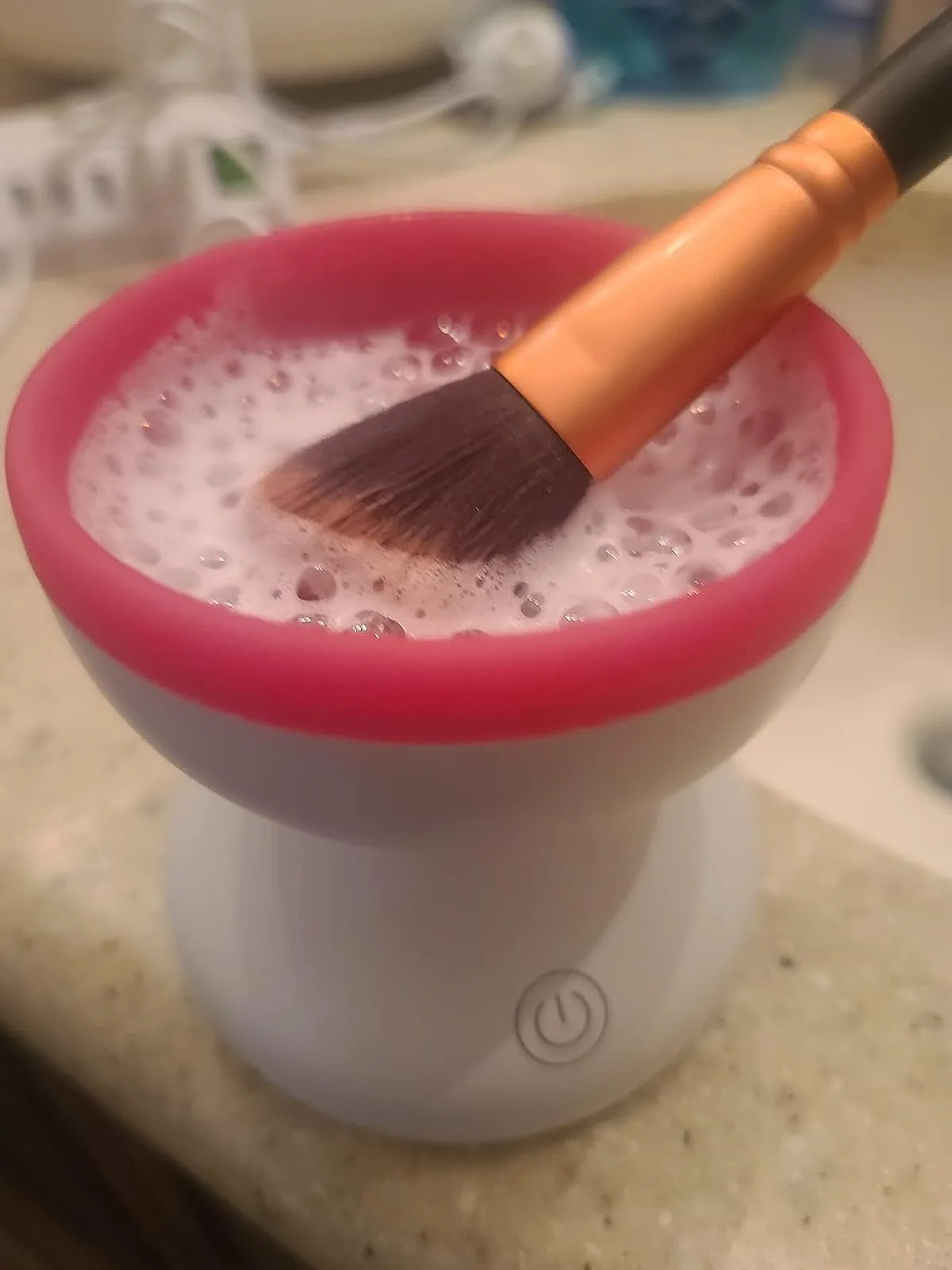
- Lather. Swirl the tip in a bowl of lukewarm water with a little shampoo, or work a drop of cleanser into the bristles in your palm.
- Rinse and repeat. Rinse with the tips still pointed down, then lather again until the water runs clear. Foundation and long-wear formulas may need two or three rounds.
- Squeeze, do not wring. Press the bristles gently in a clean towel or paper towel to push out water, then reshape the head with your fingers.
A textured silicone mat or glove helps with dense foundation brushes, since the ridges loosen product from deep in the bristles. For quick color changes in the middle of a makeup session, a dry brush-cleaning sponge or a spritz of brush spray wiped on a tissue is fine, but it is not a substitute for a real wash.

Dry them flat, never upright
How you dry a brush matters as much as how you wash it. Lay brushes flat on a towel with the bristles hanging over the edge of the counter so air can reach them from all sides. Leaving them standing upright in a cup lets water run down into the ferrule and handle, which weakens the glue over time and can lead to mildew. Give them overnight to dry fully before you put them away, and avoid blasting them with a hair dryer, which can frizz natural bristles.
Sponges need the same care: squeeze them out thoroughly after washing and let them dry in open air, not zipped into a makeup bag while still damp.
When a brush or sponge is done
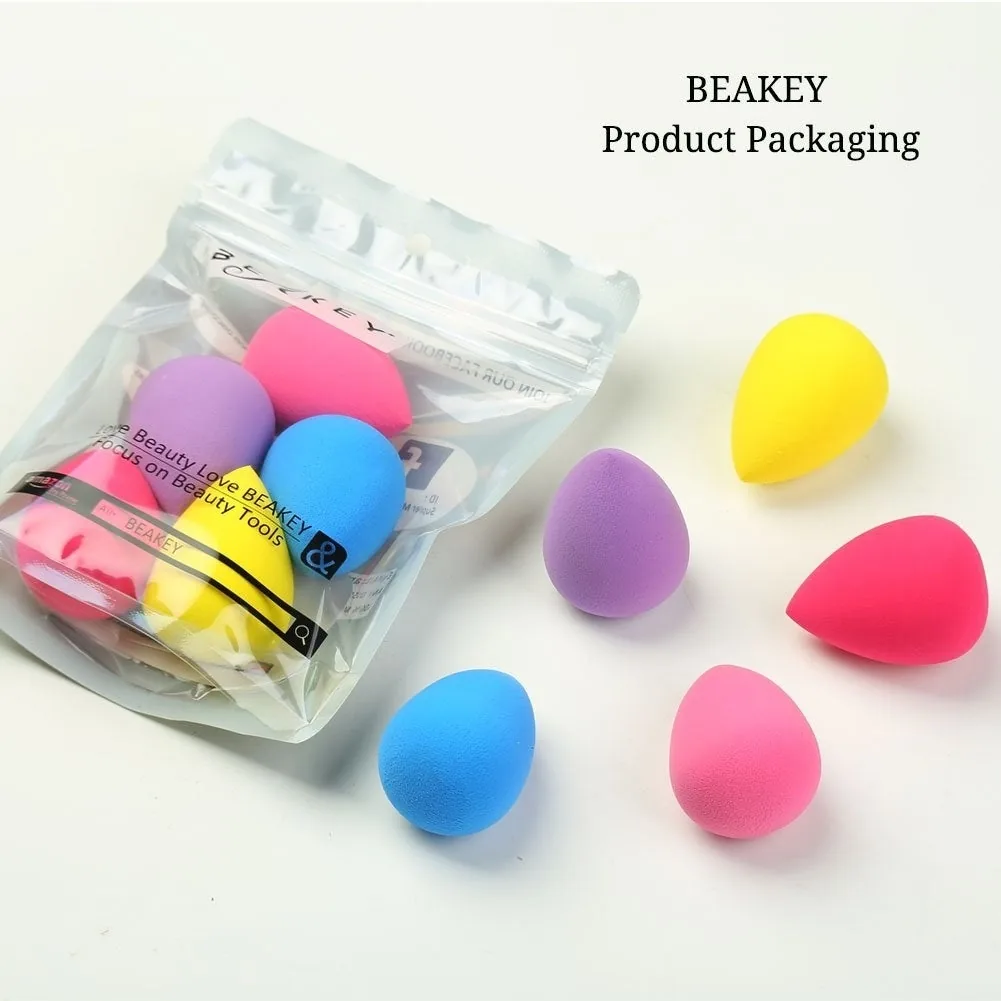
A good brush can last for years if you wash it gently. Replace it when the bristles fray, splay out of shape or keep shedding, or when it feels scratchy instead of soft. Sponges have a much shorter life. Swap them every few months, or sooner if they tear, stay stained after washing, or start to smell.
When to let go of the makeup itself
Most makeup does not come with a firm expiration date, and in the United States brands are not required to print one. What you will often see instead is a small open-jar symbol with a number and the letter M, such as 6M or 12M. That is the period after opening: roughly how many months the product is meant to be used once you have opened it. Writing the date you opened something on the package with a marker makes the symbol far more useful.
Eye products deserve the strictest rules. Every time a mascara wand goes back into the tube, it carries a little bacteria with it, and infections around the eye can be serious. The usual advice is to replace mascara about three months after you open it. If it dries out before then, throw it away instead of reviving it with water or saliva, which only adds more germs.

Signs that any product has turned:
- The smell has changed, or it smells sour or rancid.
- The color or texture is different: liquids have separated and will not mix back, creams have gone grainy, or powders have hardened into a shiny crust that will not pick up.
- It stings, itches or causes redness where it never did before.
Generally speaking, liquids and creams spoil faster than dry powders, since water-based formulas are a friendlier home for microbes. Lipsticks and pencils fall somewhere in between; sharpening pencils before use exposes a clean surface each time.
A rough timeline, once opened
Brands and beauty retailers give slightly different numbers, so treat these as a starting point and let the open-jar symbol on your own product win when it says something else.
- Mascara and liquid or gel eyeliner: about three months. Regulators put mascara at two to four months from purchase.
- Cream eyeshadow and cream blush: around six months.
- Liquid foundation and concealer: about six months to a year.
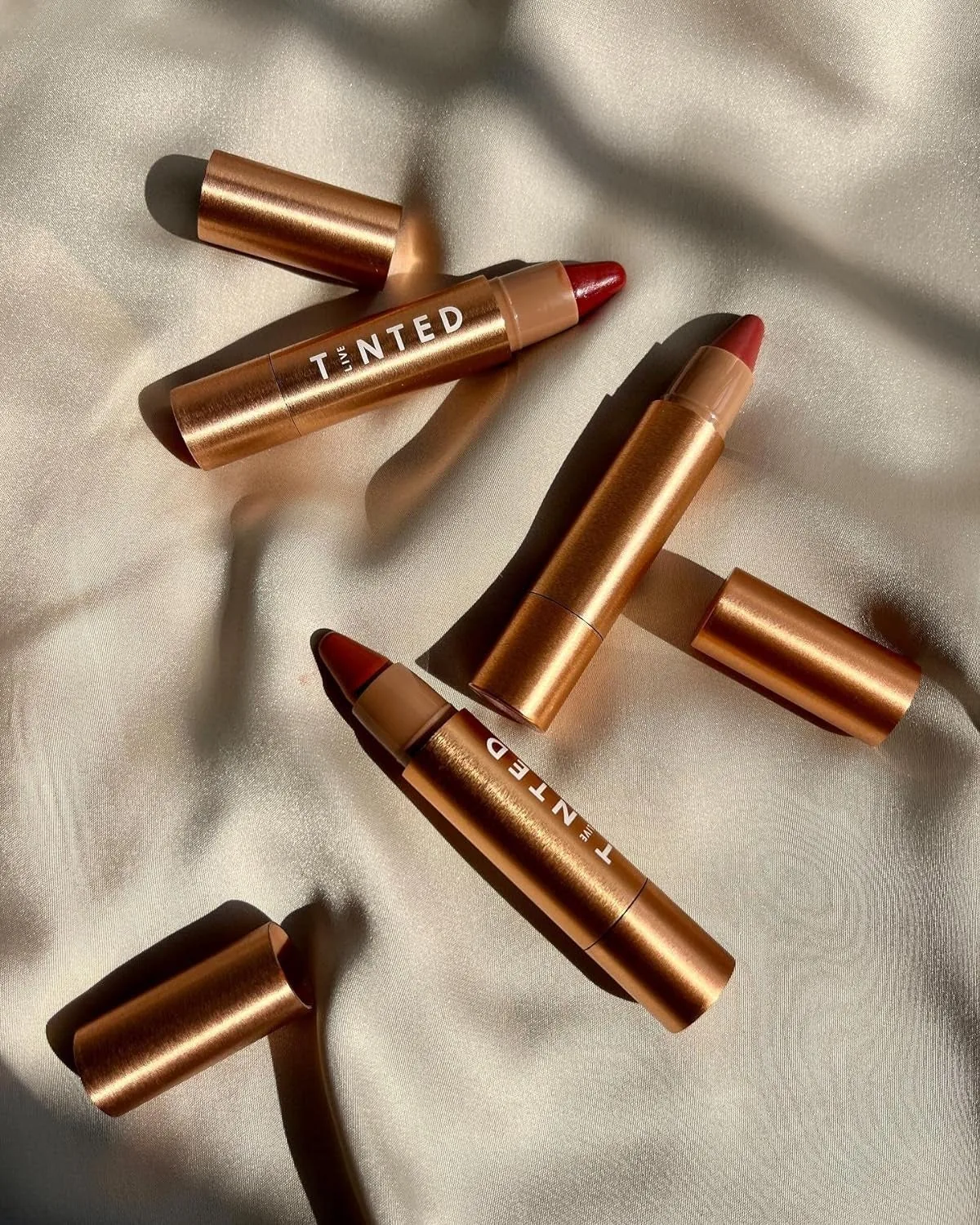
- Lipstick, lip and eye pencils: roughly one to two years.
- Pressed and loose powders: up to about two years, as long as they stay dry and clean.
One exception has a real date. Foundations, tinted moisturizers and lip balms with SPF are regulated as sunscreens in the US, so they must carry an expiration date. Once it passes, the sun protection is no longer guaranteed, even if the color still looks fine.
Habits that keep everything fresher
- Store makeup somewhere cool and dry, ideally below about 85°F (29°C). A steamy bathroom and a hot car both speed up the breakdown of preservatives.
- Wash your hands before you start, especially before eye makeup, and never apply mascara or liner in a moving car, even as a passenger. One bump can scratch the eye.
- Close lids tightly and wipe off the rims of jars and tubes.
- Use a clean spatula or the back of a clean spoon for products in open pots, instead of fingers.
- Do not share eye makeup, lip products or brushes, even with close friends.
- At a store counter, use a fresh disposable applicator, and skip testing eye products directly on your eyes.
- If you get an eye infection, stop using eye makeup and replace the products you were using when it started.
A twice-a-year reset
Twice a year, empty your makeup bag onto a towel. Wash every brush and sponge, toss anything that has changed smell or texture, and replace mascara and liquid liner as a matter of course. It is a small chore that makes everything you put on your face apply better and feel cleaner. Wipe out the bag itself, or toss it in the wash if the fabric allows, so clean tools do not go straight back into old powder and spills.
Quick answers
Is a brush-cleaning spray enough on its own?
For switching shades mid-routine, yes. As your only cleaning, no: sprays lift surface color but leave oil and skin cells deep in the bristles, and alcohol-heavy ones can dry out natural hair. Keep the weekly wash.
Can I scrape the top layer off old powder or lipstick?
Scraping a hard, shiny film off a powder can help it pick up again, and wiping a lipstick with a tissue removes surface buildup. Neither resets the clock: if the product smells off, has changed texture or bothers your skin, let it go.
Do synthetic and natural-hair brushes need different care?
The method is the same, but natural hair is more delicate. Use a gentle shampoo rather than dish soap on it, skip the hair dryer, and reshape the head while damp. Synthetic bristles shrug off cream and liquid products better and dry faster, which is why they suit foundation and concealer.
If your routine needs a streamline while you are at it, try our busy-morning makeup routine, or browse more guides in Beauty.


