Most jewelry boxes hold two collections: a tangle of pieces bought for one outfit or one trend, and the small handful you actually wear. A capsule collection makes that second group deliberate. It is a short list of pieces that suit your life, work with each other and go on in the morning without a second thought, and building one is mostly editing, not shopping.
Begin with what you already reach for
Empty the box and sort it honestly. Make one pile of pieces you have worn in the last month, one of pieces you love but rarely wear, and one of pieces you keep out of guilt. The first pile is the start of your capsule. The second deserves a question: what stops you wearing it? Often it is a practical problem such as a broken clasp, an earring back that pinches or a chain that tangles, and fixing it brings the piece back into rotation.
Look at how you actually live, too. If you work with your hands, type all day or have small children, delicate dangling pieces and sharp-edged rings will spend most of their time in a drawer. If you have only one piercing in each ear, a capsule built around ear stacks is not for you. A capsule is personal; the right list is the one that fits your days.
Pick a home metal
One main metal is what lets every piece go with every other piece without thinking. Count what survived your first pile: if most of it is gold, that is your answer, whatever you assumed before. If you are starting from scratch, our guide to choosing gold, silver or mixed metals walks through skin tone and wardrobe. Love both? Fine; just make sure the capsule includes one bridge piece, such as a two-tone ring or a watch with mixed details.
Think in zones: ears, neck, wrist and hands
Plan so that each zone has at least one go-anywhere piece: ears, neck, wrist and hands, plus room for a statement or two. That might be as few as six or eight pieces, or closer to fifteen if you like to rotate. There is no magic number, only the test of whether each piece earns its place. A typical gold capsule might look like this:
- Ears: small studs and a pair of medium hoops.
- Neck: a fine chain at collarbone length, plus one pendant you can add or remove.
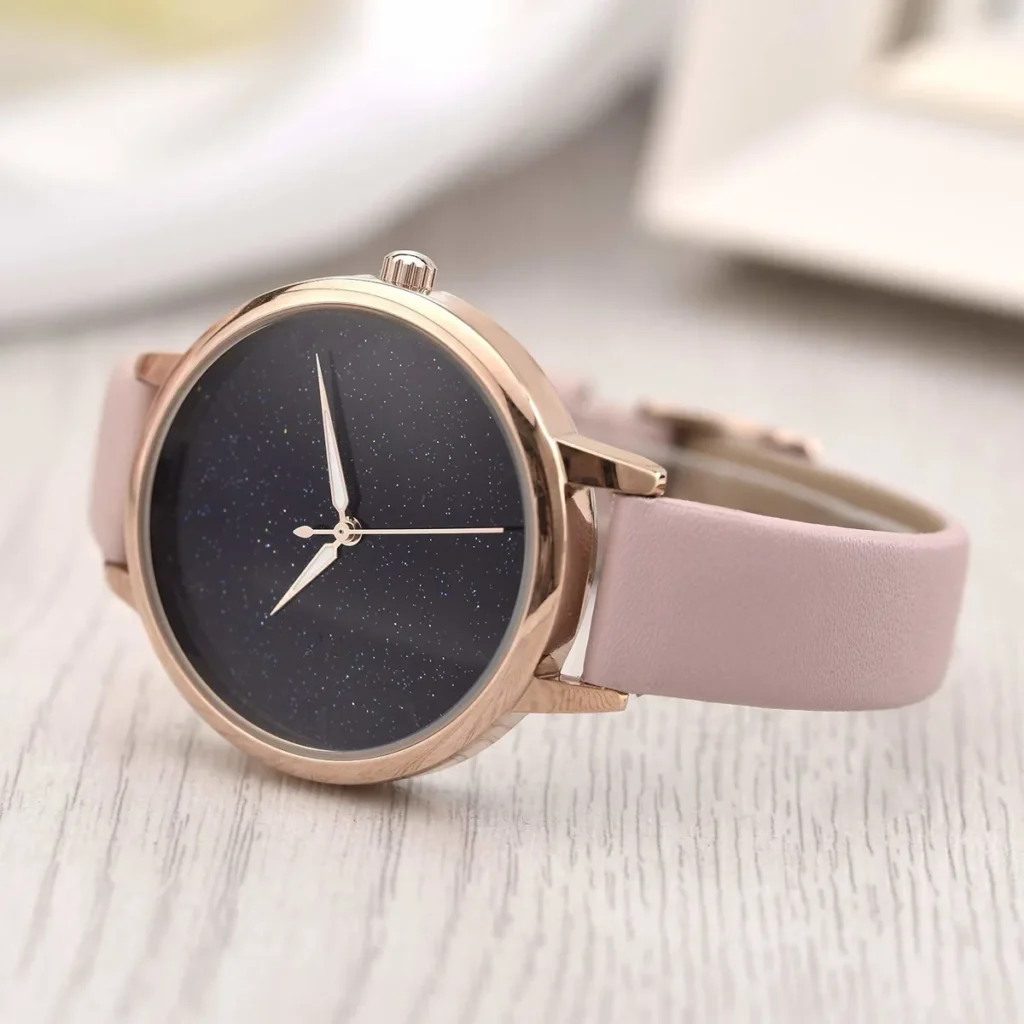
- Wrist: a watch or a slim bangle, and one thin chain bracelet.
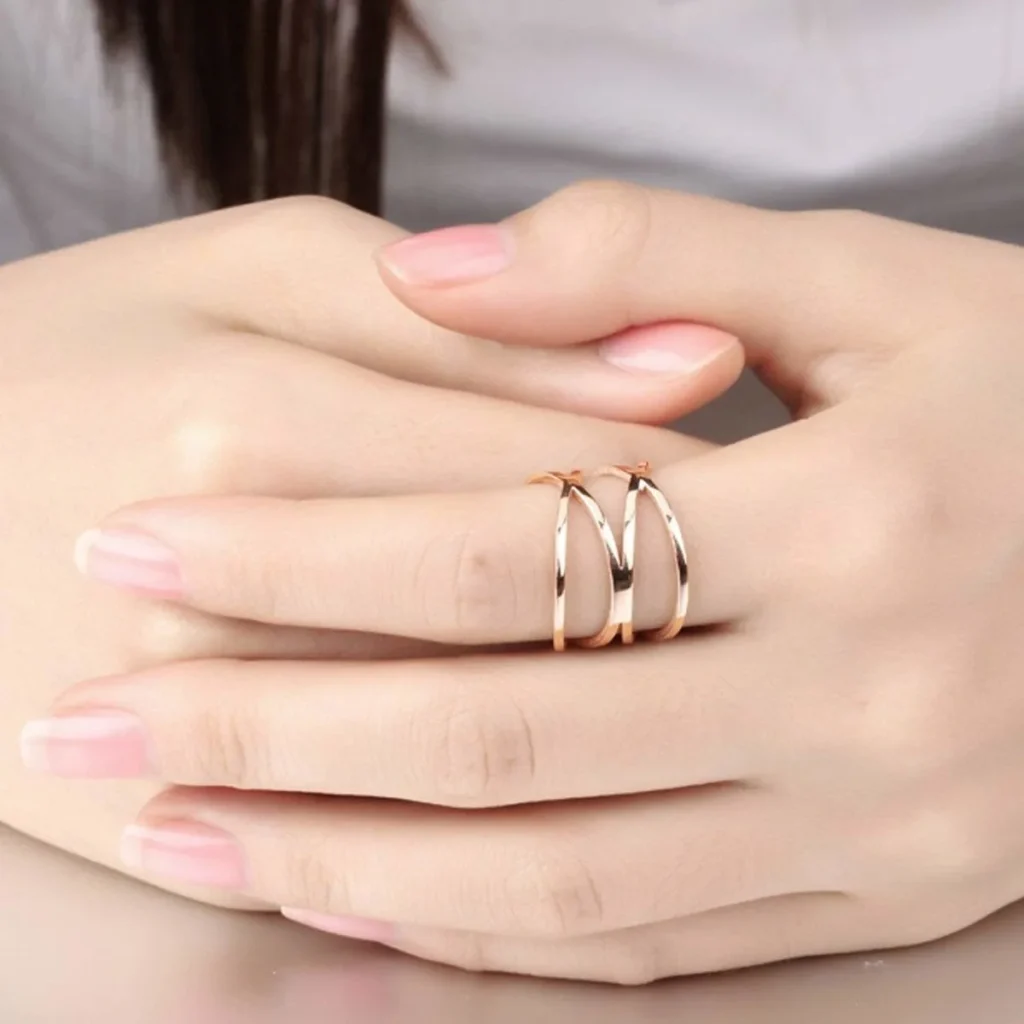
- Hands: one plain band or signet.
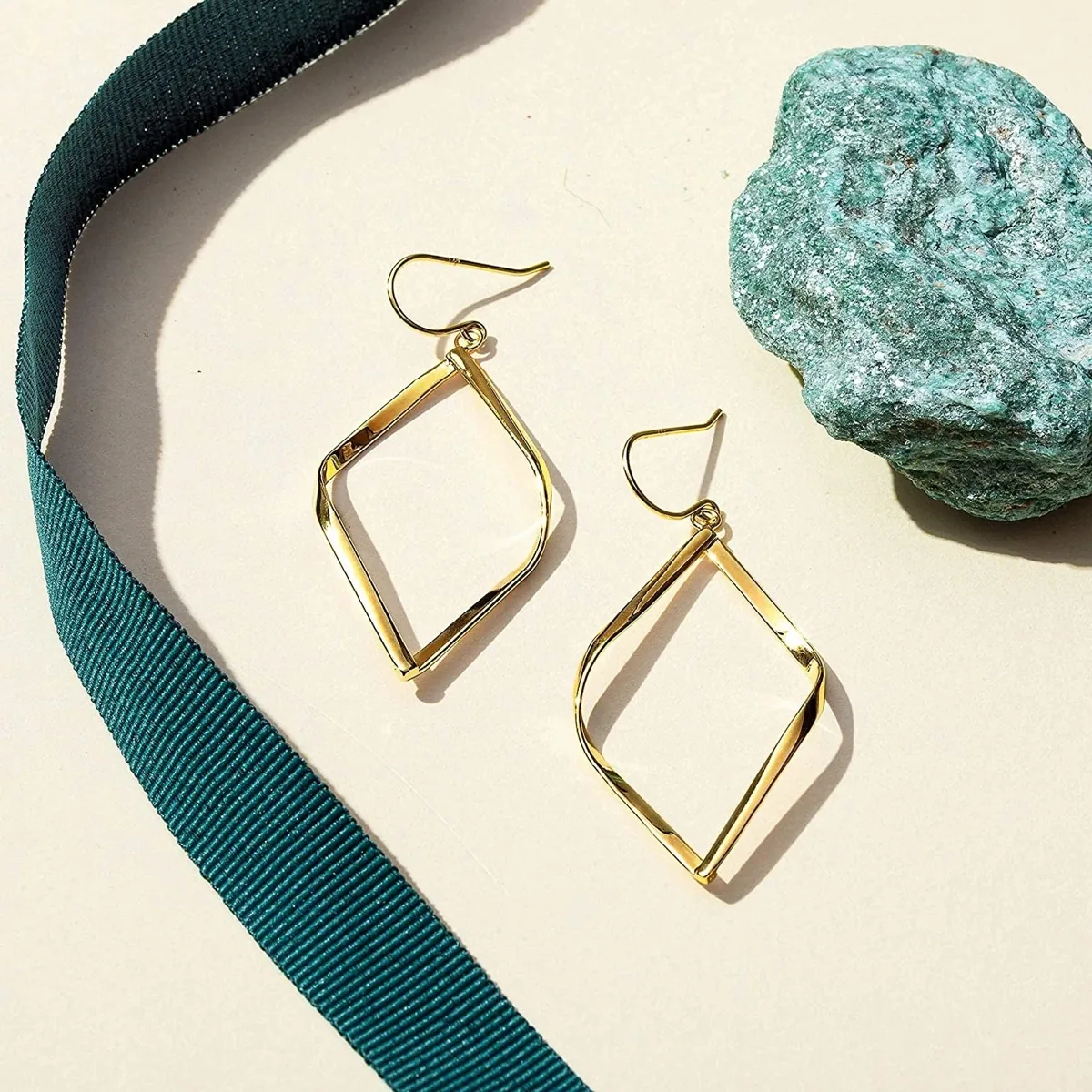
- Personality: one pair of statement earrings and one piece with a story.
Here is what to look for in each slot.
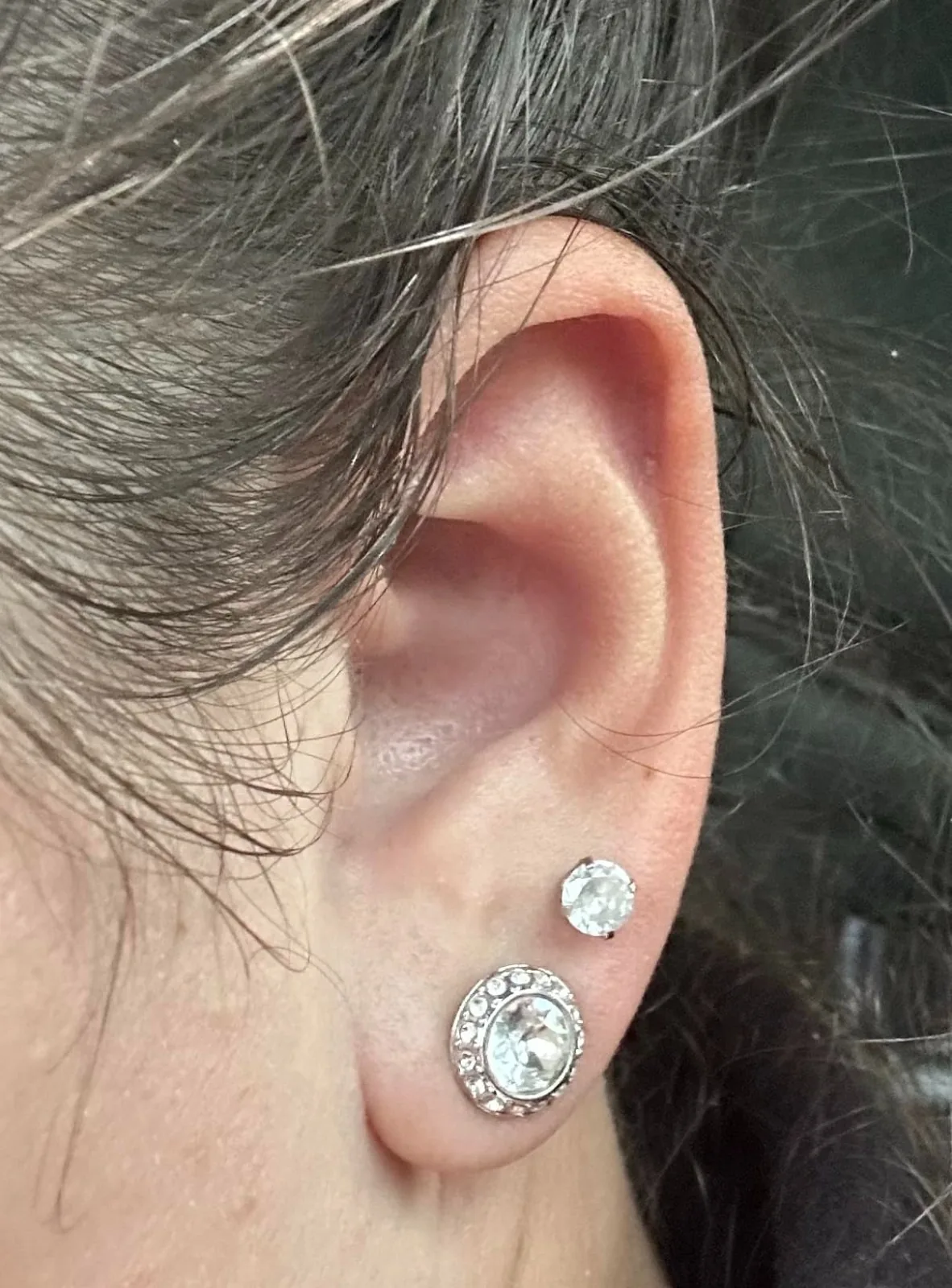
For the ears, a pair of small studs is the default you put in and forget. Simple metal balls, small stones or tiny pearls go with every neckline and every level of formality, and they are easy to sleep or exercise in if the metal is right.
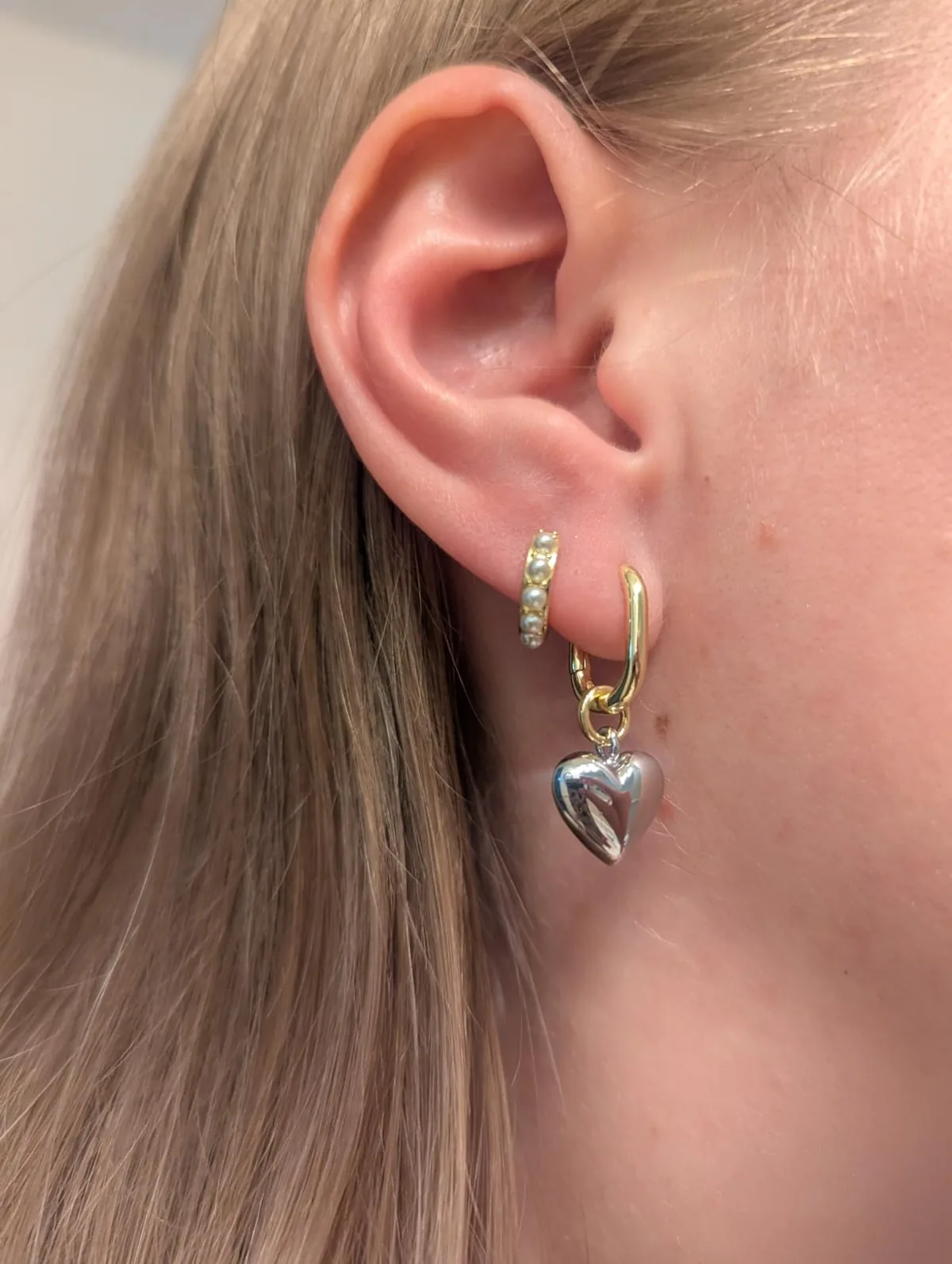
Next comes a pair of hoops, the piece that makes jeans and a sweater look finished. Small huggies sit close to the ear and are almost as quiet as studs; medium hoops are the most versatile; larger ones make more of a statement and look best with hair pulled back and a simple neckline. Hoops that accept small charms give you two looks in one.
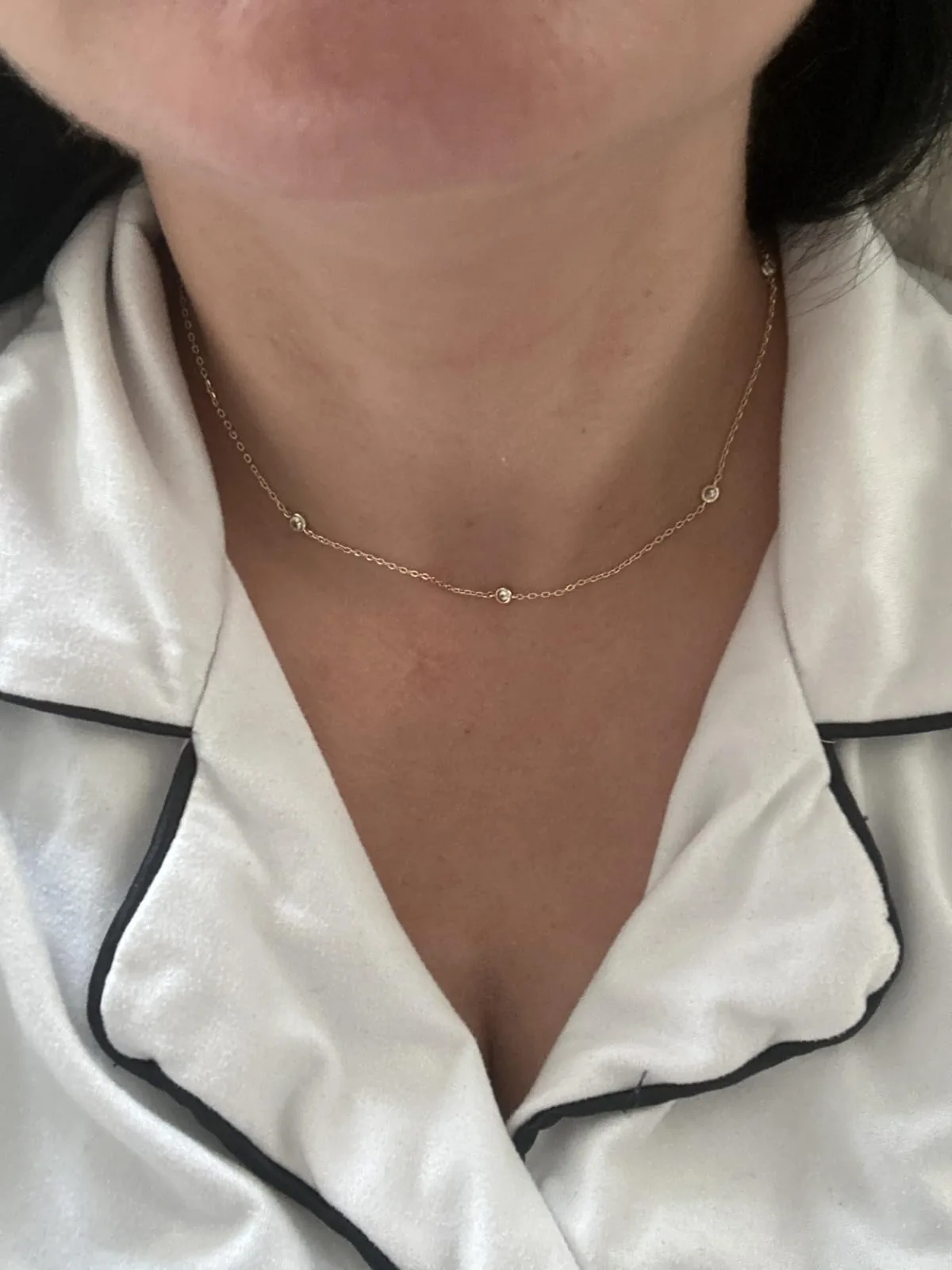
Around the neck, a fine chain at a length that sits around the collarbone works with crew necks, collars and open shirts alike, and it is the base for any layering you do later. A pendant adds a personal note: an initial, a birthstone, a small coin or an heirloom charm. If you choose only one necklace, a chain that can carry a removable pendant covers both jobs.
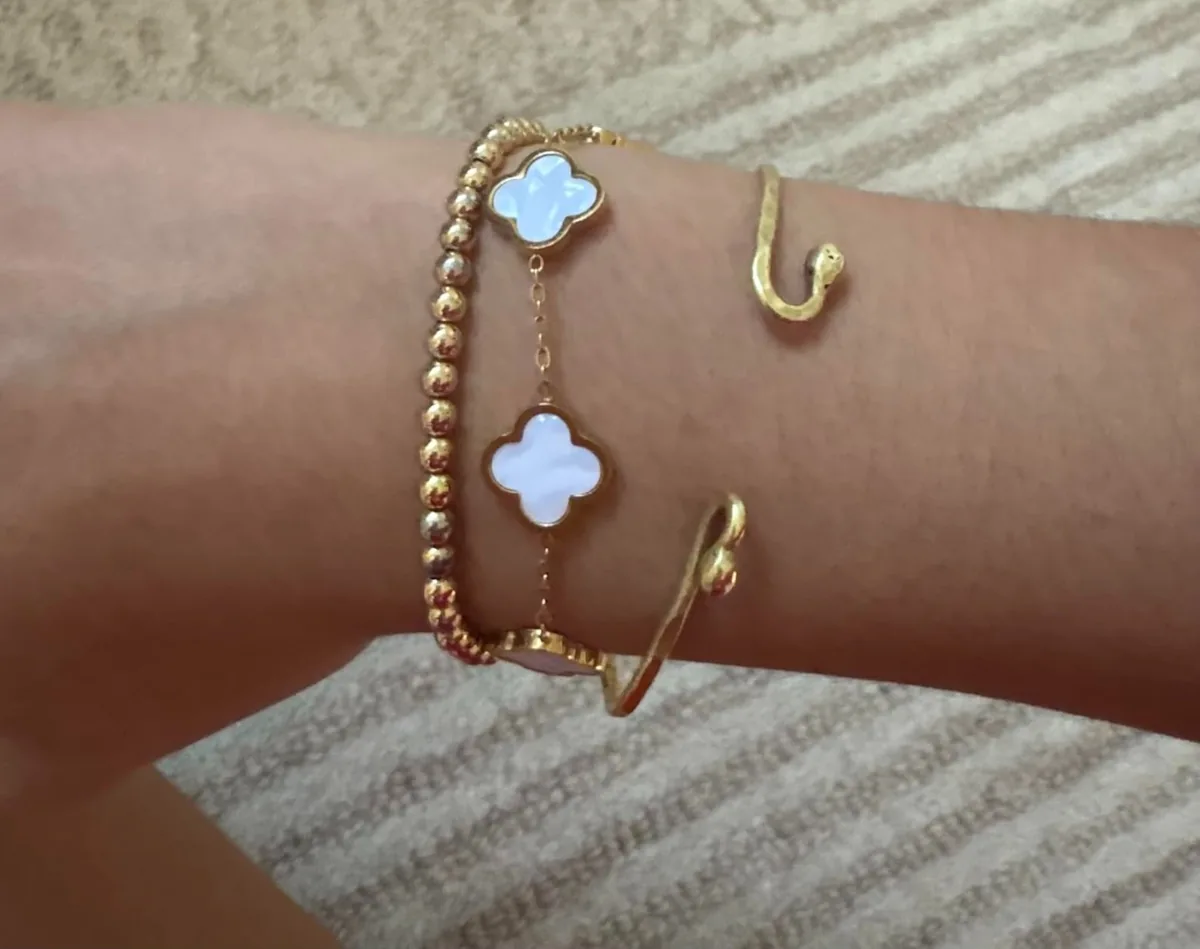
On the wrist, pick one bracelet you can wear every day without catching it on knitwear or keyboards: a slim bangle, a chain bracelet or a small cuff. If you wear a watch daily, it may be your wrist piece already, and a single thin bracelet beside it is plenty.
For the hands, one everyday band in your home metal is the quiet connector, whether that is a plain ring, a signet or a slim stacker you can add to later. Choose a comfortable width and make sure the size is right, since a ring that spins or pinches never becomes a habit.
Leave room for personality
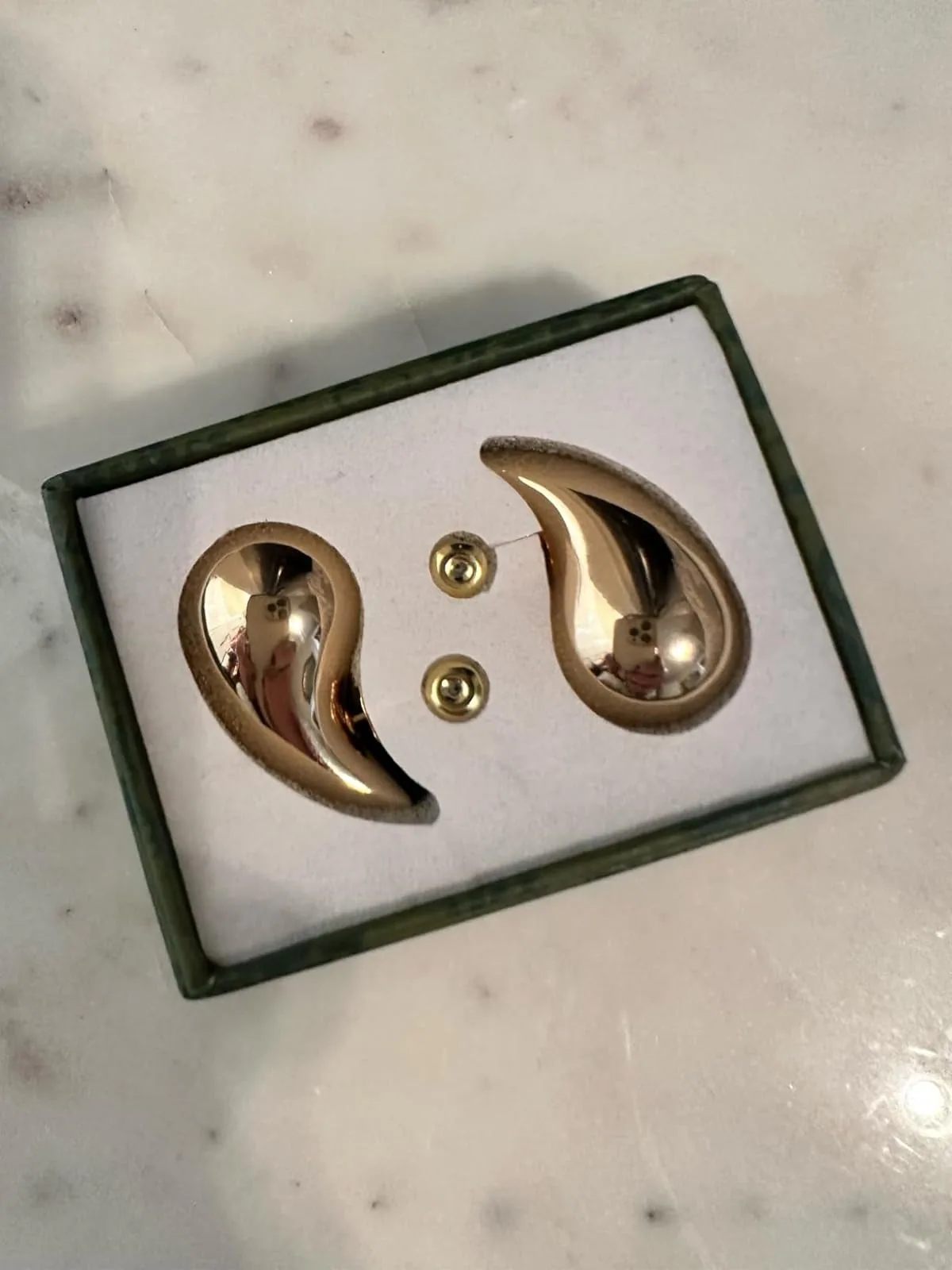
A capsule does not have to be plain. Add one or two statement pieces that make a simple outfit feel like yours: sculptural earrings, a bold cocktail ring, a chunky chain or a colorful pair that ties into your favorite clothes. The rule is only that they still work with your everyday pieces rather than needing a separate set of accessories. Include at least one piece with a story, too, whether it was inherited, given to you or marks something you are proud of. Those are the pieces that never feel dated.
Spend where it counts
Pieces that touch your skin every day, such as earrings, a ring you never take off and a chain you sleep in, are where quality pays off. Solid gold, sterling silver, platinum, stainless steel and titanium all hold up to daily wear; if nickel makes your skin itch, dermatologists generally point to titanium, platinum, surgical-grade stainless steel and gold of 18 karat or higher. Gold vermeil, a thick layer of gold over sterling silver, is a reasonable middle ground. Plated fashion jewelry is fine for statement and occasional pieces, where you want impact without a long commitment.
What the labels actually mean
- Gold plated: a very thin layer of gold over brass, copper or steel. It wears through first where it rubs, so rings and bracelets show it within months, while studs and pendants last much longer.
- Gold vermeil: under US guidelines, sterling silver coated with at least 10-karat gold that is at least 2.5 microns thick. That is many times thicker than typical plating, but it is still a coating.
- Gold filled: a layer of gold bonded to a base metal that makes up at least one twentieth of the total weight, often stamped 1/20 14K. It is far more durable than plating and can be worn daily for years.
- Solid 14K or 18K: gold all the way through. 14K is harder and resists scratches better, which makes it the usual pick for rings you never remove. 18K has a richer yellow and less alloy, but it is softer and shows wear sooner.
A practical way to split the budget: put solid gold, sterling or steel where friction is highest, on fingers and wrists, and save vermeil or plating for earrings and pendants, which barely rub against anything. Buyers who switch from plated to solid rings tend to say the same thing: they stop thinking about taking them off.
Small details that decide whether a piece gets worn
- Chain thickness. Hair-fine chains under about 1 mm (0.04 in) look delicate but knot and snap easily. Around 1.5 to 2 mm (about 1/16 in) still looks fine and survives daily wear far better.
- Clasps. A lobster clasp holds more securely than a small spring ring and is easier to open with one hand.
- Earring backs. For studs you wear daily or sleep in, flat or screw backs are more comfortable and much harder to lose than standard butterfly backs.
- Ring width. Bands of about 2 to 3 mm stack easily and stay comfortable. Wider bands feel tighter, so they often need a half size up.
Before adding anything new, ask three questions. Can I wear it with at least three outfits I already own? Does it work with my home metal? Would I put it on for an ordinary Tuesday? If any answer is no, wait a week. Buying one considered piece at a time keeps impulse buys out of the tangle.
Keep it in good shape
A small collection is easier to look after. Give each piece its own slot so chains do not knot, and every few months check clasps and earring backs, since a tired spring is the most common way a favorite piece goes missing. For cleaning and storage by metal, see our tips on keeping everyday jewelry from tarnishing.
Quick Answers
How many pieces should a capsule have? Enough that each zone has one everyday piece and one alternative. For most people that lands between eight and fifteen, but a smaller list you wear daily beats a longer one you do not.
Does a watch count? Yes. If you wear one every day, it is your main wrist piece, and its case color is a strong hint for your home metal.
Can I shower and sleep in my capsule pieces? Solid gold, platinum, titanium and stainless steel handle it best. Plated and vermeil pieces last longer if they come off for showers, workouts and swimming, and sterling tarnishes faster with soap and sweat.
Is it worth buying solid gold? For the two or three pieces you never take off, often yes, because they will not wear through. For trend pieces and statement earrings, plated is the sensible choice.
Your capsule will change as your life does, and that is the point. Once a season, lay everything out, retire what you have stopped wearing, and only then think about adding something. When you do, our guide to layering necklaces and stacking jewelry shows how a few pieces can make many different looks.