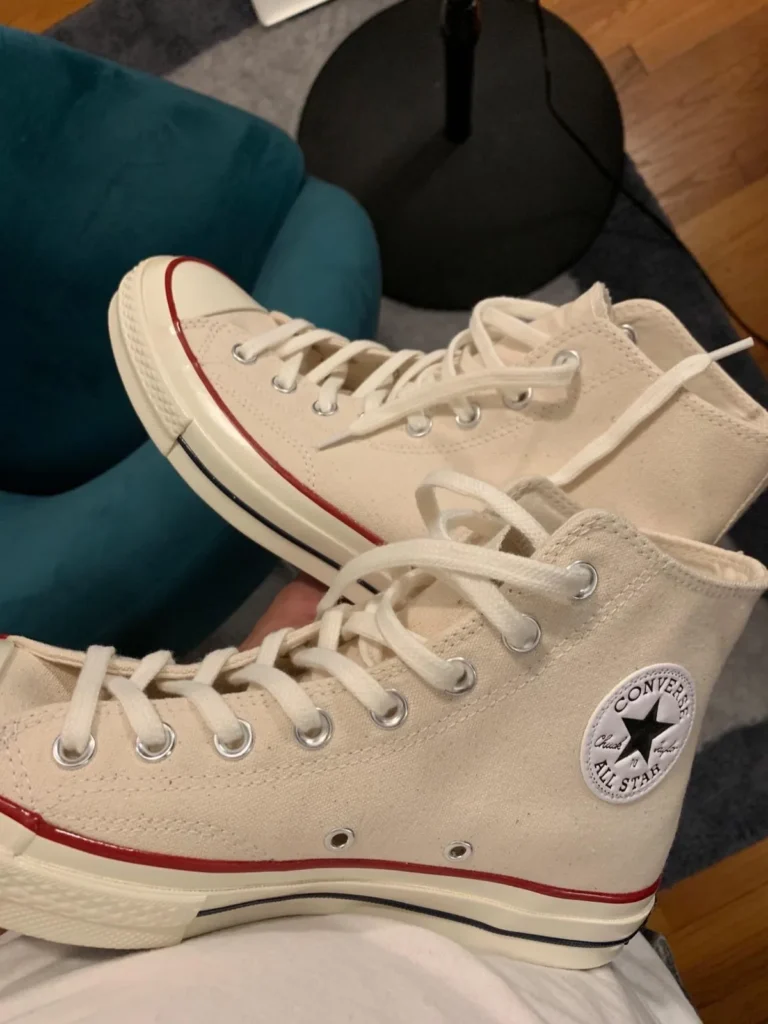
A work bag gets judged twice a day: once in the morning, when everything has to fit, and once at about five o’clock, when your shoulder decides whether it was worth it. The perfect one is different for everyone, but the questions that lead you to it are the same. Run through them before you buy and you are far less likely to end up with a pretty tote that lives in the closet.
What do you actually carry?
Write down everything that went to work with you yesterday. The laptop is the obvious anchor, but the real list usually includes a charger, a water bottle, a notebook, headphones, a wallet, keys, maybe lunch, a cardigan or a pair of flats. A tote that fits the laptop but not the rest will either bulge or get abandoned.
Be honest about extremes, too. If you go straight to the gym twice a week or carry documents home on Fridays, the bag has to handle the heaviest day, not the average one. And if your load is genuinely heavy every day, it is worth asking whether a backpack or a rolling option would serve your back better on most days.
Will your laptop really fit?
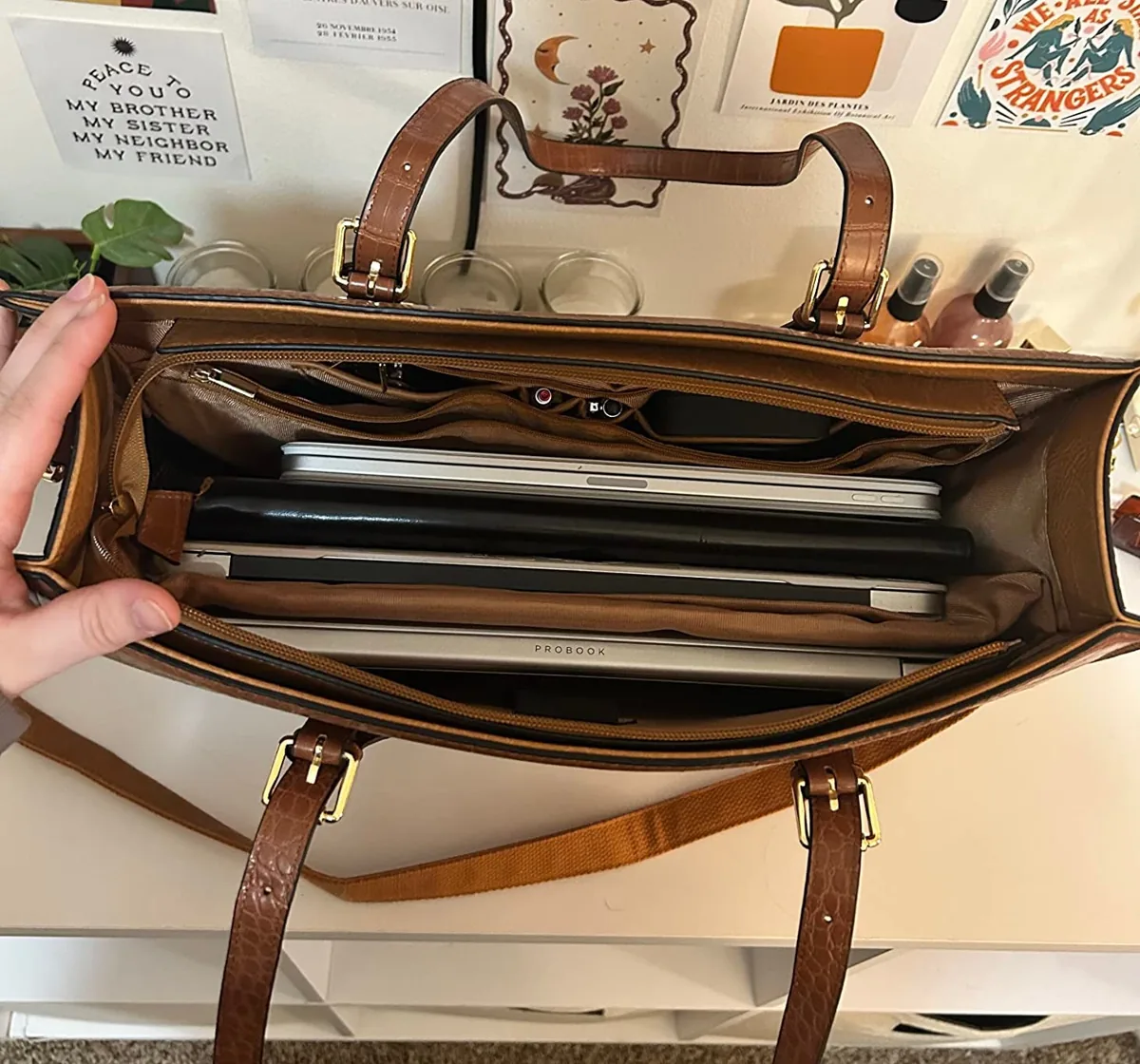
Screen size is a category, not a measurement. Two laptops with the same screen can differ by more than an inch in width once you add the frame, and a protective case or sleeve adds more. Measure the closed laptop, including any cover, and compare it with the bag’s internal dimensions, not the outside ones. Leave a little clearance so it slides in without forcing.
To measure, close the lid and take three numbers: width along the long edge, height front to back, and thickness with the laptop on a table. The advertised size is the screen diagonal without the bezel, so the machine itself is usually larger than the number suggests. A padded sleeve should fit closely, roughly half an inch to an inch bigger in each direction at most; too much room lets the laptop slide and knock its corners. In totes, the laptop usually sits horizontally, so check the bag’s internal width against your laptop’s long side.
Bonus points for a sleeve that is suspended or sits on a slightly raised base. When the bag is dropped on the floor, the base takes the hit instead of the laptop’s edge.
Check the opening as well. Some totes taper at the top, and a laptop that technically fits inside may not pass through the opening easily. A padded compartment or a separate laptop sleeve protects the corners and edges, which take the knocks when a bag is set down, and it keeps the screen away from keys and pens.
Structured or slouchy?
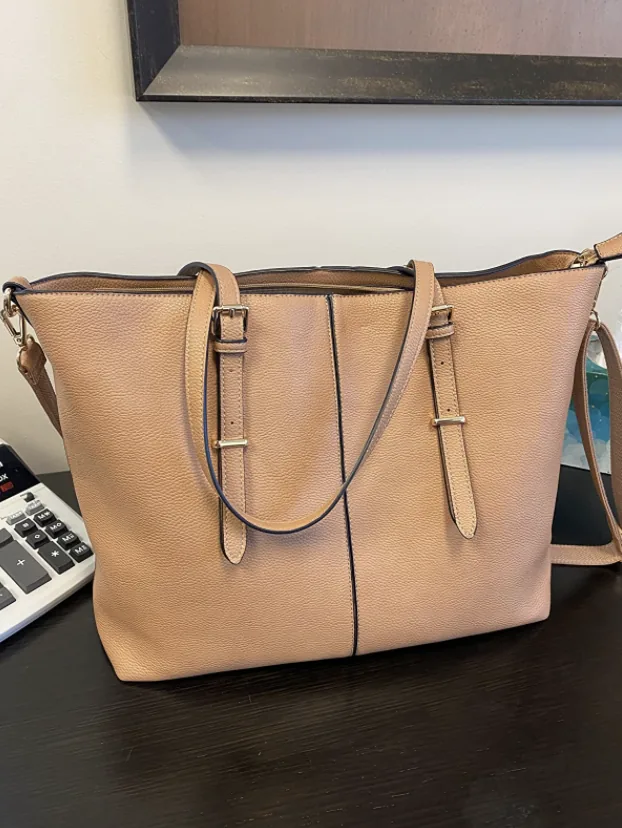
A structured tote holds its shape, stands up on its own under a desk, and keeps papers flat. It also looks more polished in a formal office. The trade-off is weight and less give when you need to squeeze in one more thing.
A soft, slouchy tote is lighter and more forgiving with odd-shaped items, but it sags under a laptop and things slide around inside. If you love the look, a padded sleeve plus a removable organizer insert gives a soft bag some backbone, as in the cognac tote below.
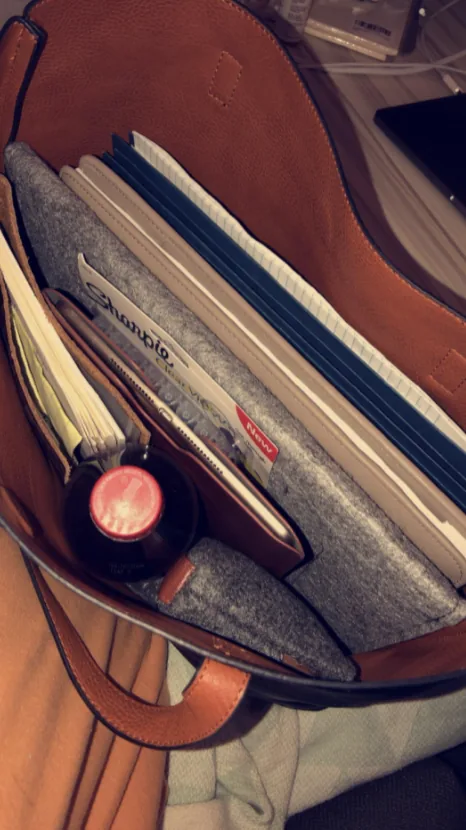
Either way, a reinforced base helps the bag stand up and stops the bottom from bowing.
How will it sit on your shoulder?
Strap drop, the distance from the top of the handle to the opening of the bag, decides whether the tote stays put. Around nine to ten inches is a sensible starting point for shoulder carry, but your build and what you wear on top change everything: a strap that is comfortable over a shirt can slip off or pinch over a winter coat. Wider, flatter straps spread weight better than thin round ones.
Weigh your real load
Chiropractic advice on bag weight ranges from about 5 to 10 percent of body weight, with the lower figure usually given for bags carried on one shoulder, which is exactly how most totes are worn. A laptop, charger, bottle and lunch can get there quickly, and a structured leather tote can weigh a couple of pounds before you put anything in it. Step on a bathroom scale holding your loaded bag, then without it, and see where you land.
- Straps around an inch and a half to two inches wide sit flatter and pinch less than narrow ones.
- A slightly textured or suede underside on the strap helps it stay on a smooth coat.
- Switch shoulders often, and avoid hooking a heavy bag over your forearm for long stretches, which strains the elbow and wrist.
- Carry the heavy laptop side against your body so the bag does not pull you forward.
Look closely at where the handles meet the body. Double stitching, rivets or reinforced patches there are a good sign, since that is the spot that fails first on an overloaded bag.
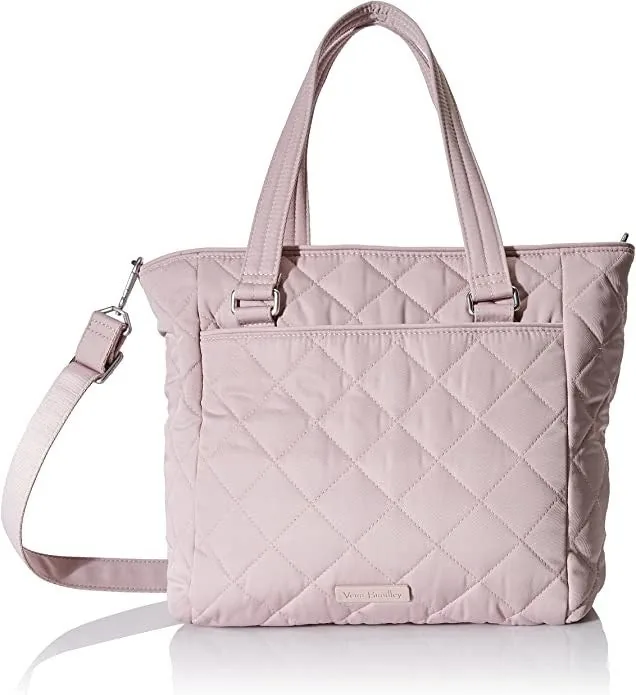
A detachable long strap is worth having if you walk a lot or switch between commuting and errands. Worn crossbody, a heavy bag spreads its weight across your torso instead of hanging off one shoulder, and the blush quilted tote above shows how neat that can look.
Tote, crossbody or backpack?
A structured tote is the most polished choice and the quickest to dip into at a desk, but it is also the hardest on one shoulder. A backpack spreads the load across both shoulders and is kindest on a long walking commute; a slim, plain leather or nylon one looks at home in most offices. Crossbodies are comfortable and secure but rarely fit a laptop. Many people settle on a tote for desk days and a backpack for days with a heavy load or a long walk, rather than forcing one bag to do everything.
Open top or zip?
Open totes are quick to dip into, which is handy if you drive and the bag rides in the passenger seat. On crowded trains, in rain or when you travel, a top zip or at least a magnetic closure keeps your laptop dry and your wallet out of sight. A zipped outer pocket for your phone and transit card saves digging through the whole bag at the turnstile.
Which material suits your routine?
Leather looks smart, softens with age and, in a full-grain version, develops a patina. It is also the heaviest option, so add the weight of the empty bag to your laptop before deciding. Textured finishes like saffiano resist scratches and hold their shape well.
Faux leather gives a similar look for less weight and less upkeep, though cheaper versions can peel at the edges over time.
Nylon and coated canvas are light, easy to wipe clean and shrug off drizzle. They are the practical choice for long commutes and work travel, especially in darker colors that hide marks.
Is the inside organized?
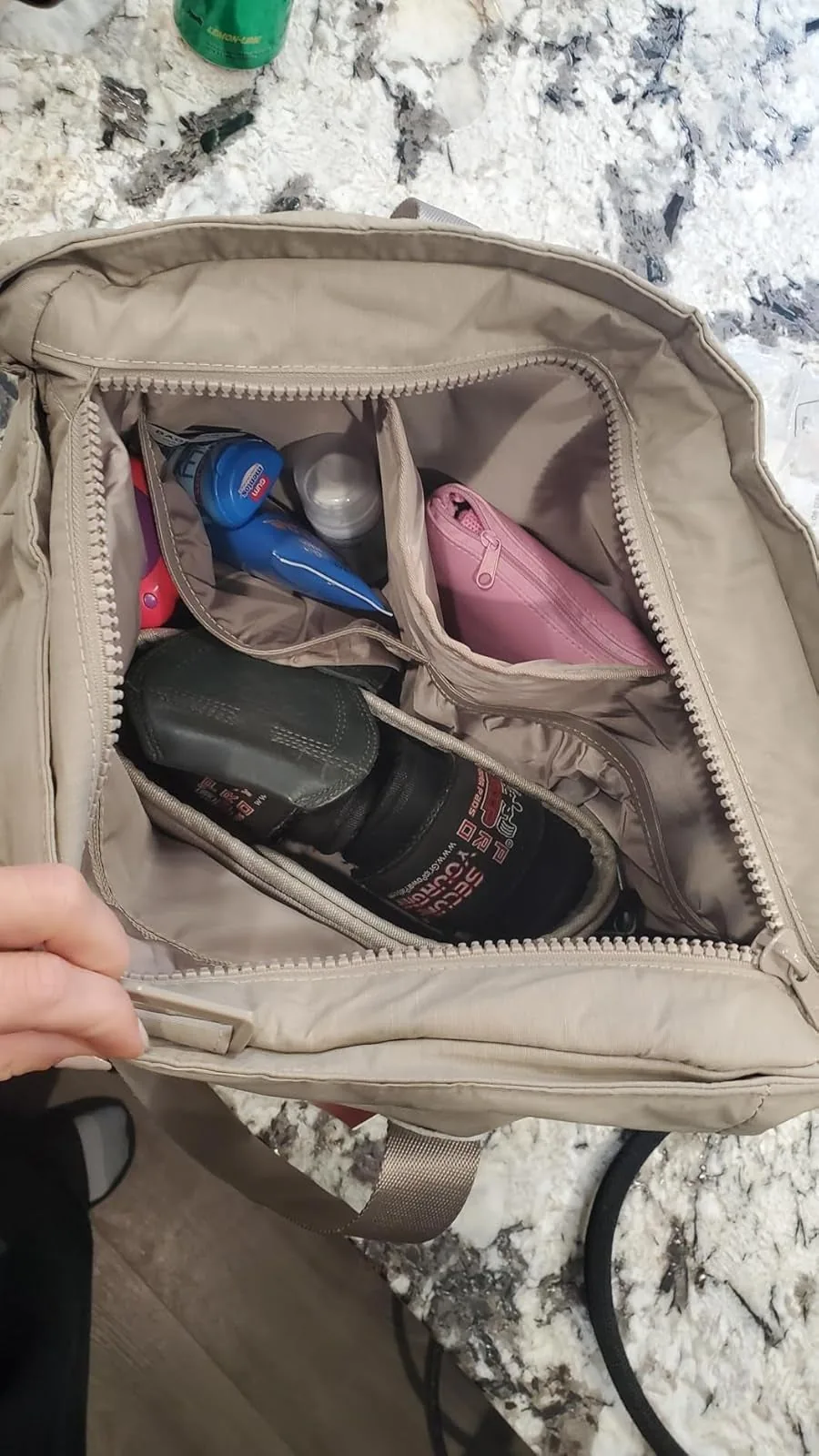
A few well-placed pockets beat a bag full of them. Look for a padded laptop slot, a zip pocket for valuables, a couple of slip pockets for your phone and pens, and ideally a side pocket or loop that holds a water bottle upright. A key clip saves a surprising amount of time. If you travel for work, a sleeve on the back that slides over a suitcase handle is a small feature you will use constantly.
Does it suit your workplace?
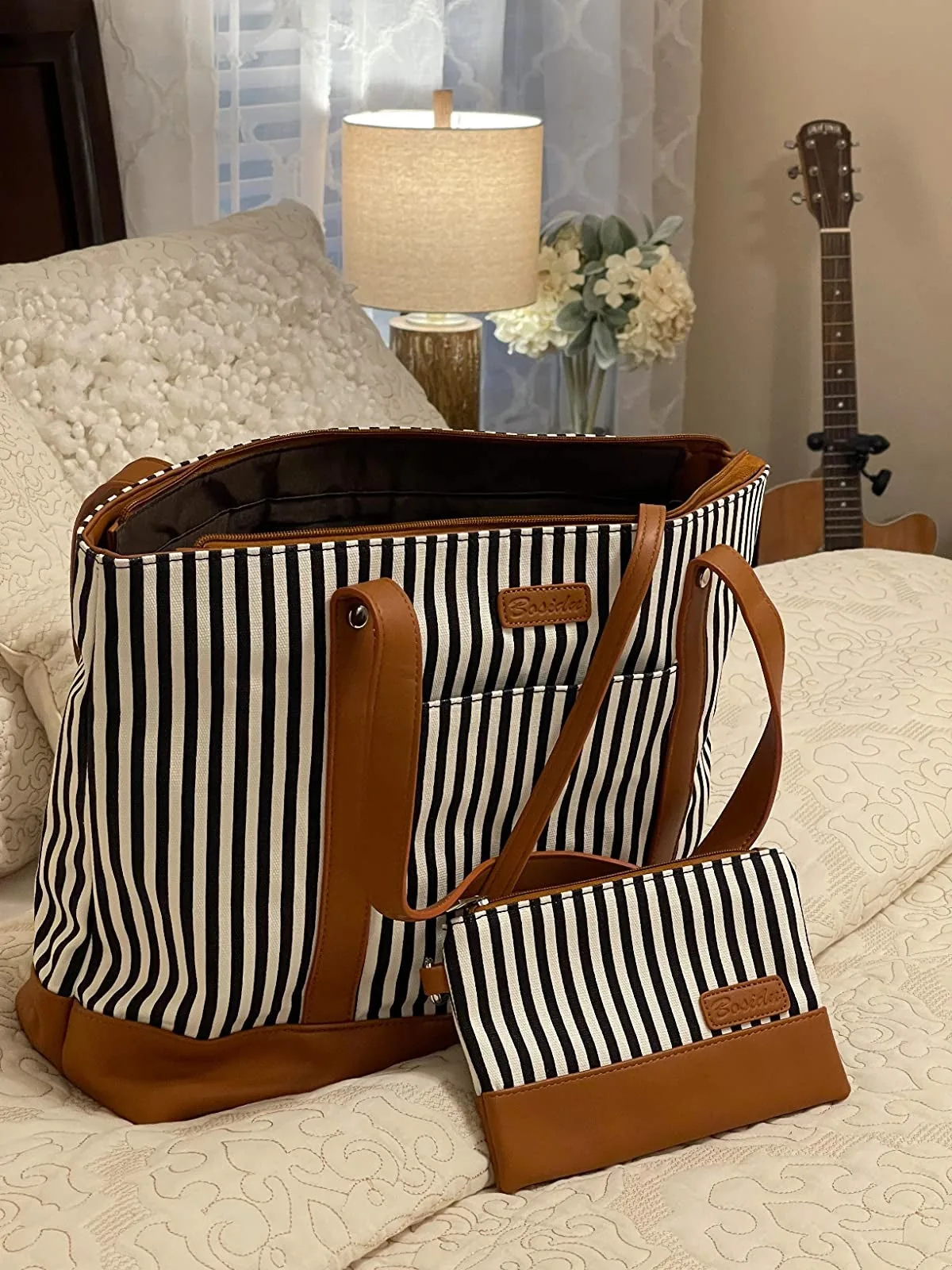
In a formal office, a structured tote in black, brown, navy, taupe or grey goes with everything and looks considered: think a black tote with a charcoal suit and loafers, or tan with navy trousers and a cream knit. Smart-casual workplaces leave room for color, texture or a softer shape, like the striped canvas tote at the top of this page. If you only buy one, a neutral is the easiest to wear with every outfit and season.
If you can, try the bag on with your laptop inside, or check that the return policy lets you test it at home. Five minutes walking around with your real load, coat on, tells you more than any product photo.
Quick answers
Will a 13- or 14-inch laptop fit in a bag made for 15 inches?
Usually, but it will slide around. Add a snug padded sleeve so it sits still and the corners stay protected.
What strap drop works over a coat?
Look for nine to ten inches as a minimum, and closer to eleven or twelve if you wear a thick winter coat. A detachable crossbody strap solves the problem on the coldest days.
Can a work tote count as a personal item on a plane?
If it fits under the seat in front of you and within your airline’s personal-item size, yes. A zip top makes it easier to pull out the laptop at security without spilling everything else.
How do I keep a leather tote from slumping?
Empty it at night, stuff it lightly with tissue or a small pillow when you are not using it, and avoid hanging it by the handles when full. Our guide to storing handbags so they keep their shape covers the rest.
Need something smaller for weekends and errands? Our guide to crossbody, belt and sling bags covers the hands-free side of the closet, and you can browse more of what we like in Our Finds.