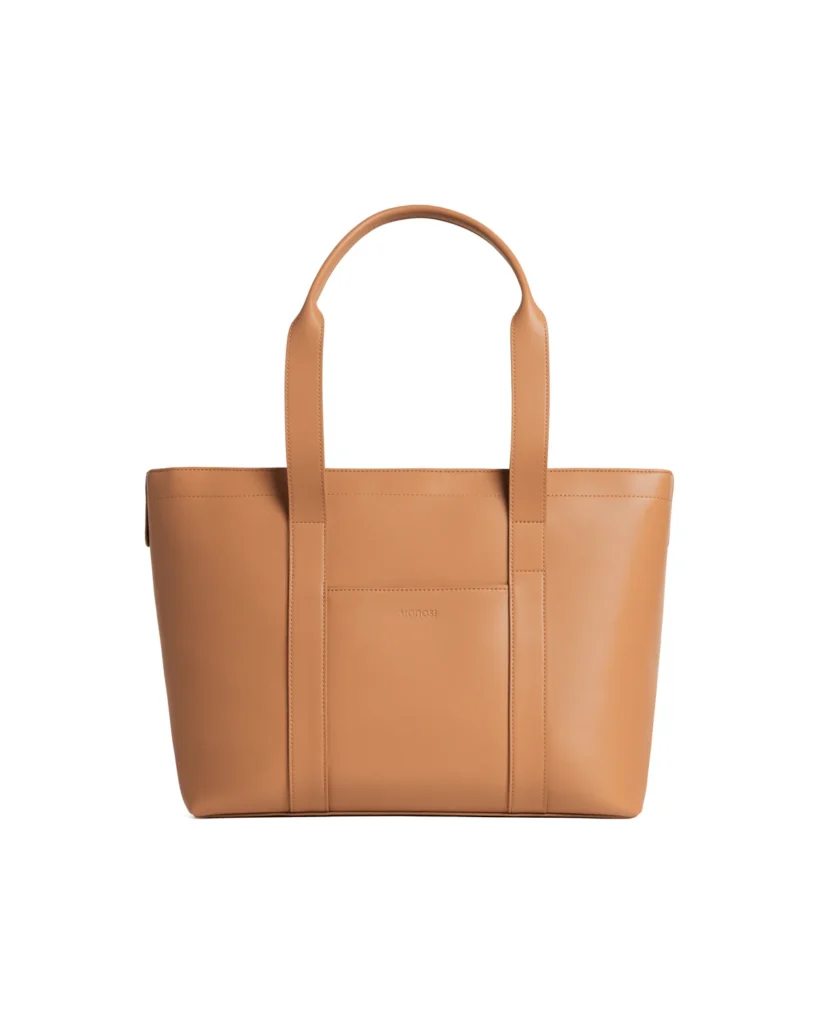
A ballet flat looks like the easiest shoe in the closet, and then you walk to the train in one. Thin soles, stiff backs and toe boxes that pinch by lunchtime are why so many pairs end up as “office only” shoes kept under a desk. The good news is that a flat can be pretty and still carry you through a full day, as long as you know what to look for. If you are still deciding between flats, loafers and mules, our guide to which flat goes with what is a good place to start.
What we looked for
We compared fashion editors’ tests, podiatrists’ advice and thousands of buyer reviews on the stores that sell each pair. A pair made the cut if it was repeatedly praised for long days of wear, offered real cushioning (foam, a padded insole or a supportive footbed rather than a bare sole), and came in a range of sizes, ideally with width options. We also noted where buyers disagree, because fit is the place ballet flats most often go wrong.
Margaux The Demi
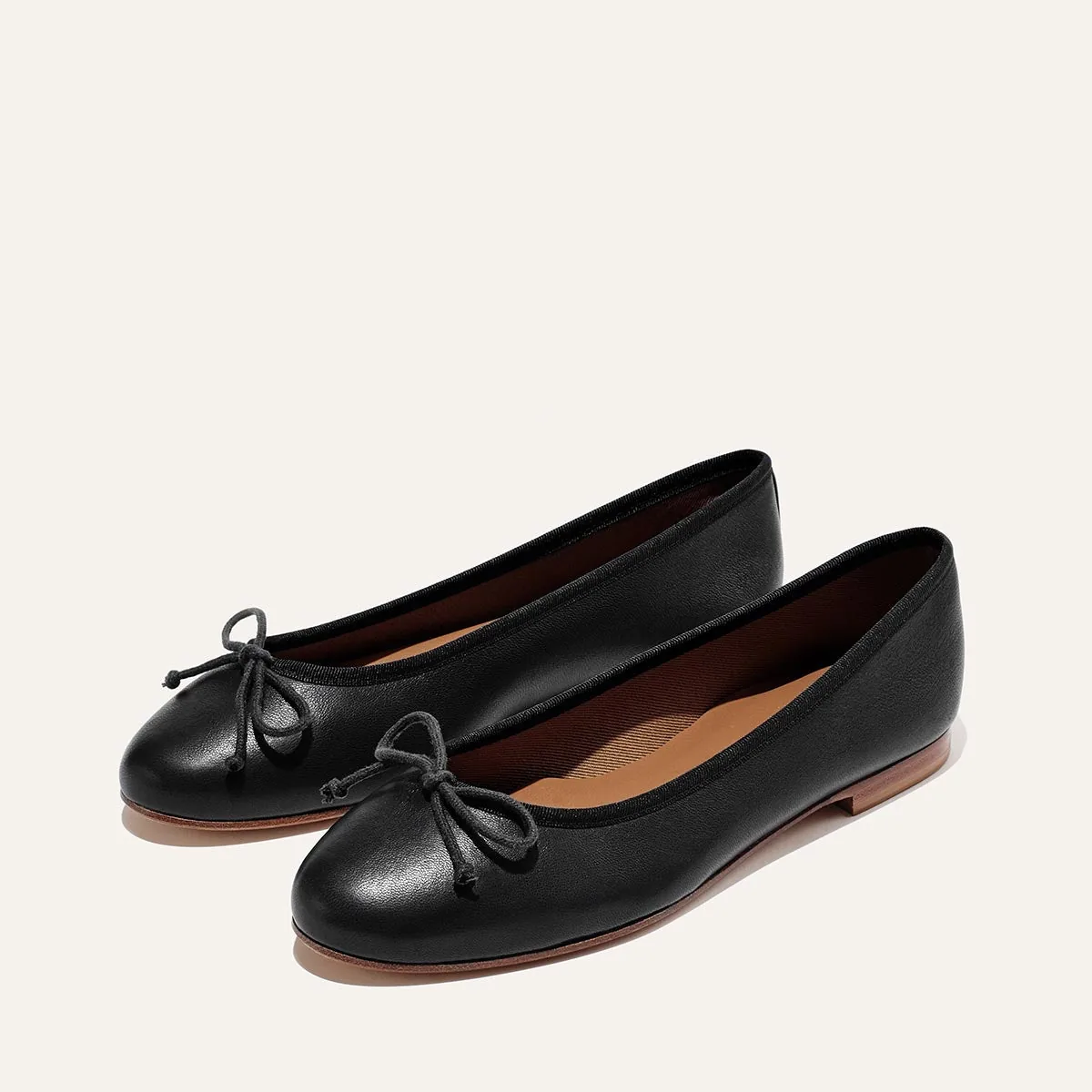
The Demi is the pair to buy if you want the classic French ballet flat look without the paper-thin sole that usually comes with it. It is handmade in Spain from soft nappa leather with grosgrain trim, and the little cord bow actually works, so you can snug the topline if your heel tends to slip. Inside, there are about 5 mm of foam padding, which a podiatrist singled out as one of the reasons it is easier to walk in than most dressy flats.
Fit is where the Demi stands apart. It comes in narrow, medium and wide, with the wide version adding room at the ball of the foot, and in half sizes across a long size range. The brand suggests ordering your usual US size and says the shoe should feel comfortably snug at first before the leather softens and molds to your foot. Buyers on the brand’s own page rate it close to five stars across more than a thousand reviews, and the words that come up again and again are “true to size” and “comfortable out of the box.” The trade-off is a flexible sole with little arch support, so add a slim insert if you need one.
Fit note: If your heels slip in every flat, look at the Demi Jane, the same shoe with an adjustable strap.
Rothy’s The Point II
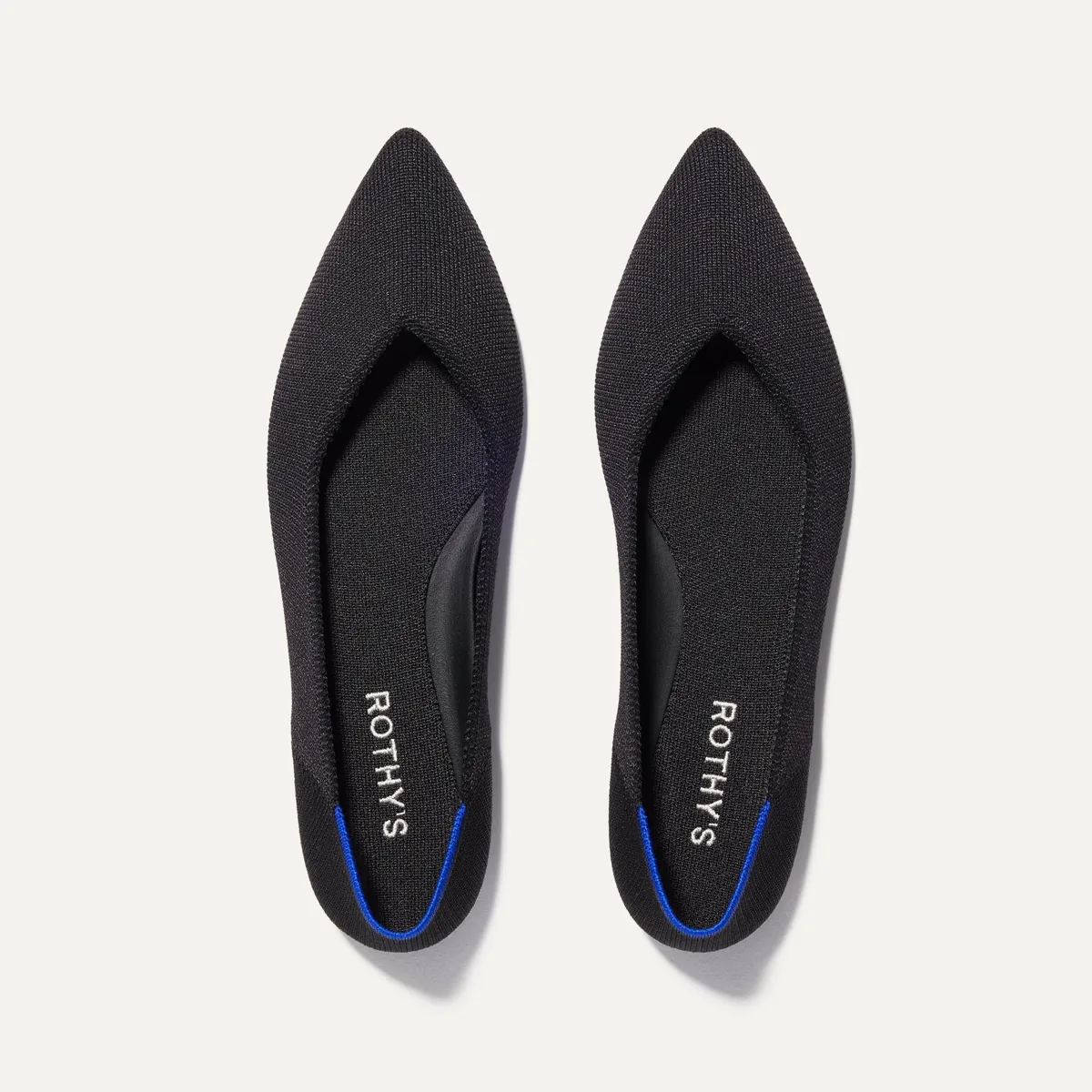
The Point II is the commuter’s flat: a pointed knit shoe you can throw in the washing machine after a rainy week. The upper is knit from thread spun from recycled plastic bottles, and this version has a roomier toe box than the original, plus a little added elastic so the shoe flexes with your foot instead of digging in. The brand’s cushioned insole runs heel to toe, and a sculpted outsole adds some stability.
One tester wore them for workdays of ten hours and more and found them breathable and comfortable from morning to evening, with the knit holding its shape after many trips through the wash. Light colors clean up surprisingly well. The most common complaints are that the insole could be thicker and that the pointed toe feels tight on some feet, which can mean blisters during the first week.
Sizing matters more than usual here. The brand itself says the Point II runs small and recommends going up half a size, and wide widths are available for anyone who needs more room. To clean, wash the shoes and insoles on cold and let them air-dry; skip the dryer.
Fit note: Go half a size up, and choose wide if pointed shoes usually squeeze your little toes.
Allbirds Tree Breezer
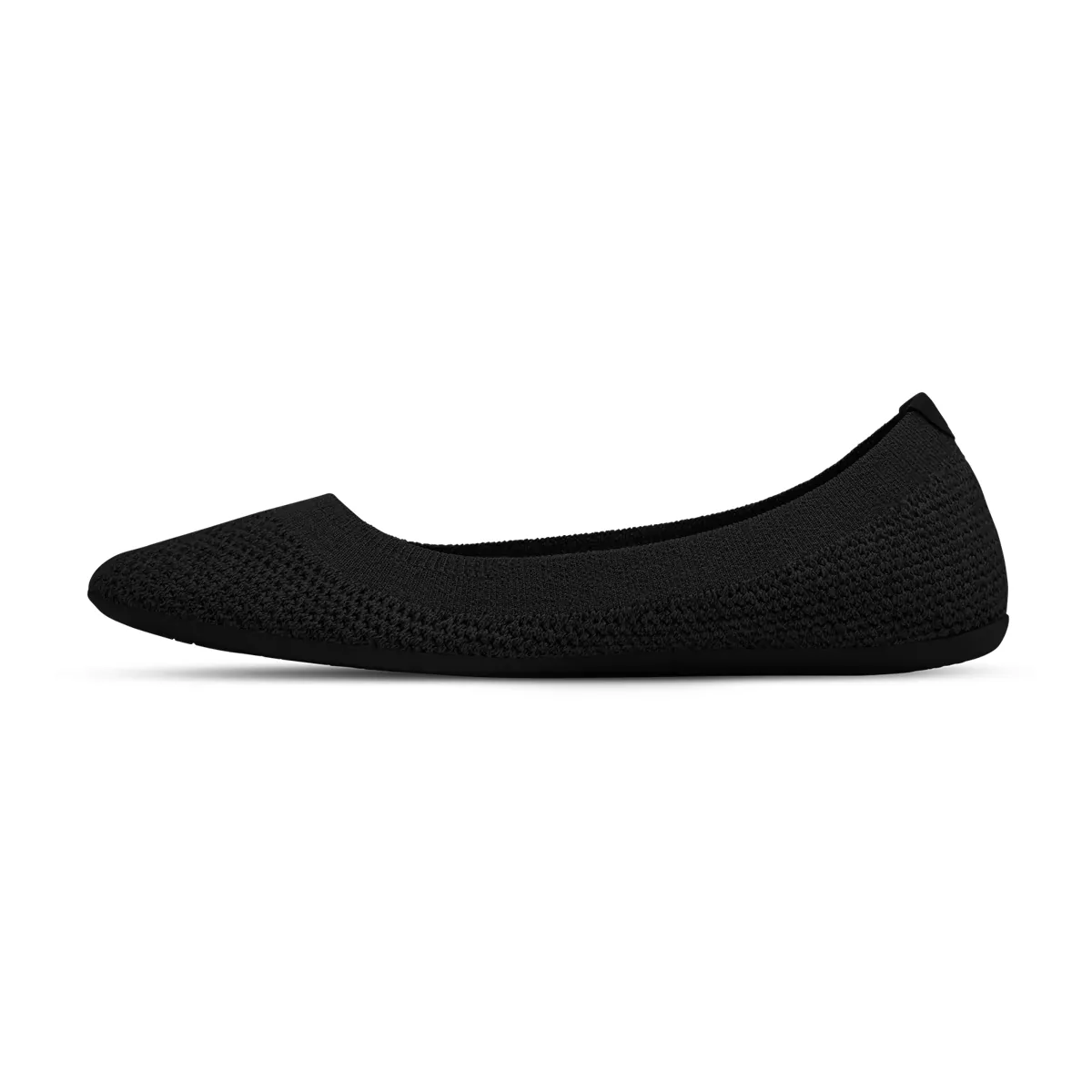
If your perfect flat feels more like a sneaker in disguise, the Tree Breezer is worth a look. The upper is a silky, breathable knit made from eucalyptus tree fiber, finished with a soft fitted collar that hugs the foot rather than cutting into it, and the brand promises no break-in period. A podiatrist recommended it for exactly that soft, stretchy upper, and buyers often mention a cushioned sole that takes the sting out of hard pavement. It is light and goes in the washing machine.
It is not a structured shoe, though. Some owners find it less comfortable after many hours, the sole is fairly thin, and anyone who needs firm arch support will want an insert. Fit reviews are mixed: most people stay with their usual size, some found the toe a little narrow, and a few report the heel slipping off when they went up a size.
Best for: travel days, warm weather and people who want a flat that feels soft from the first wear.
Fit note: Stay true to size if you have a narrow heel; consider half a size up only if you are between sizes or have wider feet.
Sam Edelman Felicia
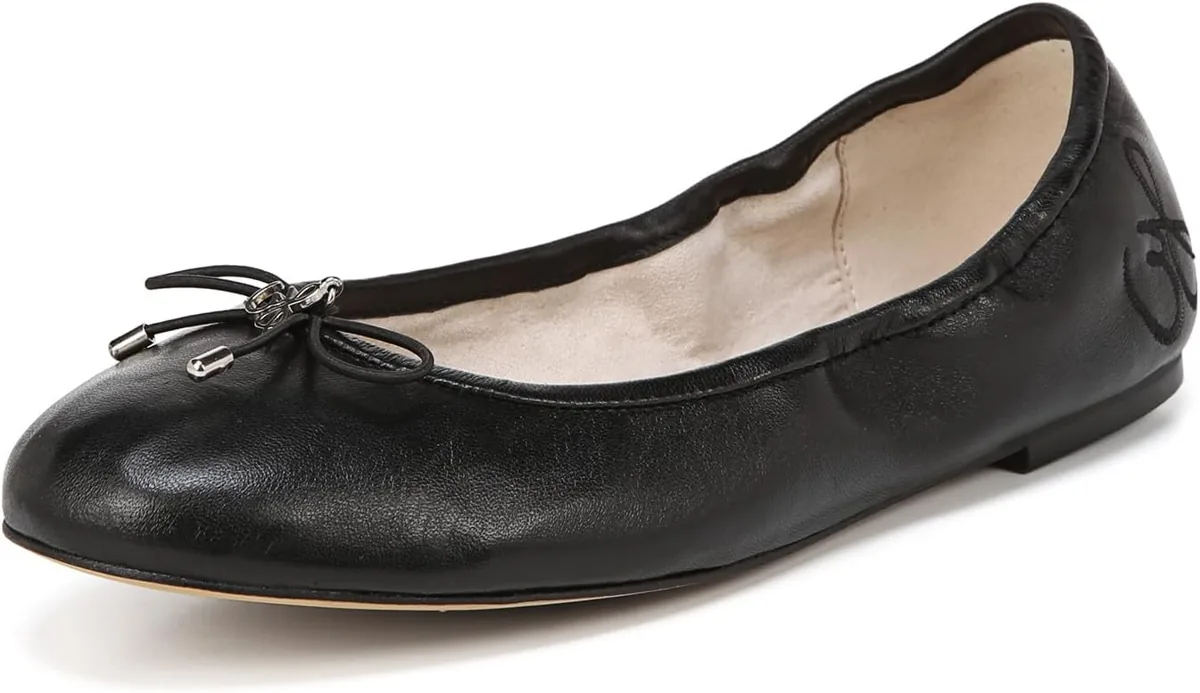
The Felicia has been a staple in work wardrobes for years, and the reason is simple: it looks polished, it comes in an enormous range of colors and materials, and it is comfortable enough that people keep buying it again. The round toe gives your toes more room than a pointed style, a flexible elastic collar adjusts to your foot so it stays on without pinching, and a padded insole sits under a sole with only a whisper of heel.
Buyers praise the soft, supple leather and say it feels like a slipper once it has been worn a few times; one buyer compared walking in them to walking on pillows. Others note that the sole is thin and does not offer much arch support, so it suits office days and errands better than a full day of sightseeing. Fit feedback is split, with a share of buyers saying the shoe runs small, and a few say their pair wore out sooner than they hoped.
Sizes run from small to large, with wide widths available in many colors, which makes the Felicia one of the easier flats to fit if you need extra room.
Fit note: If you are between sizes, take the larger one; the leather softens but does not stretch much in length.
Vionic Minna
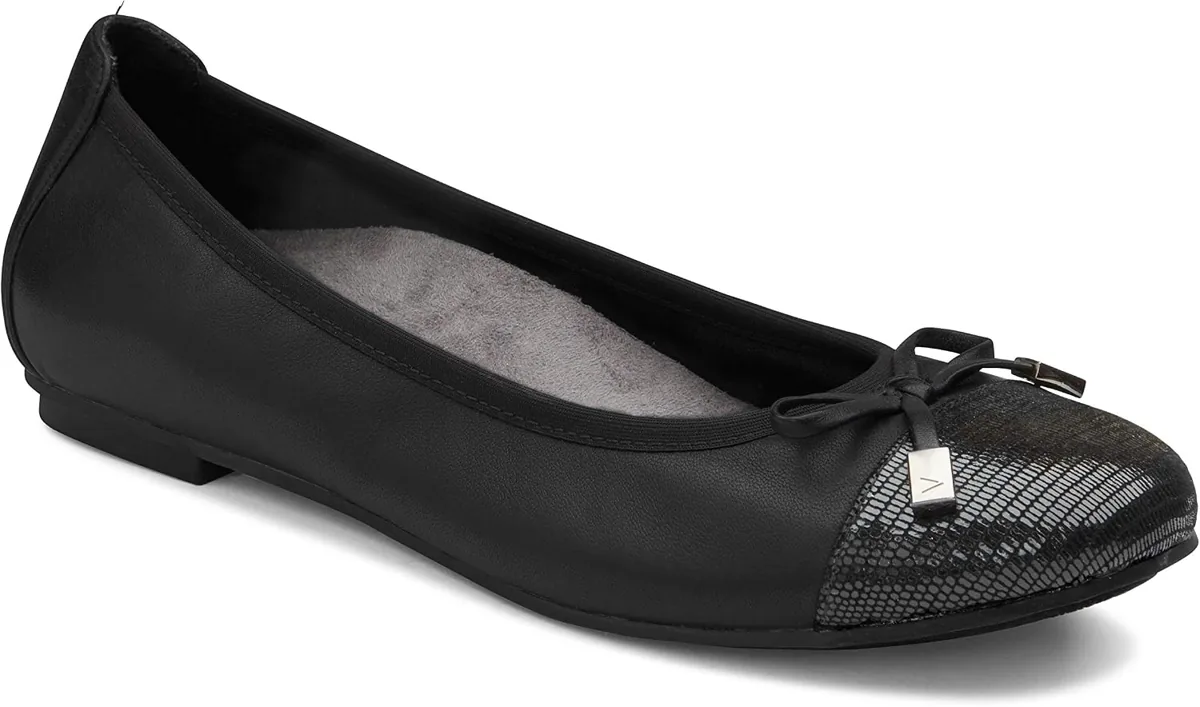
The Minna is the pick for anyone whose feet complain in almost every flat. It looks like a classic cap-toe ballet flat with a small bow, but inside there is a removable, microfiber-covered footbed shaped by podiatrists, with arch support, a deep heel cup and extra cushioning under the forefoot. The shoe carries the American Podiatric Medical Association’s Seal of Acceptance, and a podiatrist recommended it for people dealing with plantar fasciitis. A slight heel lift also takes some strain off the back of the leg.
Buyers like that it works with both jeans and dresses and say they can wear it all day without pain. Opinions on the arch support vary with foot shape: some love it, others feel it is not as pronounced as they expected. Several buyers with wide feet find it roomy enough, while others say it runs a little large. The less flattering notes are about durability of the outer material on some colors and a sole that can feel slick on wet, smooth floors.
To care for the leather, wipe it with a dry cotton cloth and keep the shoes away from direct heat.
Good to know: Because the footbed lifts out, you can swap in your own orthotic if you already have one.
How to choose comfortable ballet flats
Check the sole before the style. Podiatrists agree that most ballet flats fail on support. Look for some cushioning underfoot, such as foam, a padded insole or a contoured footbed, and a sole that does not fold neatly in half when you bend it. A flat that bends anywhere offers little protection on hard ground.
Give your toes room. Round and almond toes are kinder to feet than sharp points, especially if you have bunions. If you love a pointed flat, choose one with a roomier toe box or a wide width.
Size for the end of the day. Feet swell as the day goes on. Foot specialists advise against sizing down in flats, and if you are between sizes, go up and use a thin insert or heel grip to fine-tune the fit. Our guide to measuring your real shoe size and width takes about ten minutes.
Match the material to your week. Leather molds to your foot and looks sharper with tailoring; knit flats are lighter, more forgiving and often machine washable, which helps on rainy commutes.
Make the heel stay put. An elastic collar, a working bow or a Mary Jane strap all help a flat stay on without you gripping with your toes, which is one of the quiet causes of sore feet.
Quick answers
Are ballet flats bad for your feet? Not when they have cushioning and some support. A completely flat, unpadded sole worn all day can tire your arches, so choose a padded pair or add an insert, and mix in other shoes during the week.
Should you wear socks with ballet flats? A thin no-show sock helps if you sweat or blister easily, and it is a good idea while breaking in a new leather pair.
How do you stop flats from slipping off at the heel? Try a half-size smaller only if the length allows it; otherwise use a heel grip or choose a style with an adjustable bow or strap.