You own the tee, the trousers and the cardigan, yet the outfit still looks like you threw it on in the dark. Meanwhile someone else wears almost the same pieces and looks completely put together. The difference is rarely the clothes. It is a handful of decisions about fit, tucking, texture and finish that anyone can learn.
Take the striped tee above: tucked into cropped grey trousers with a black belt and loafers, it looks deliberate rather than default. Here is what to change first, and none of it needs a new wardrobe.

Fit beats everything else
A simple piece that fits well will always look better than a fancy one that doesn’t. Before worrying about trends or accessories, check the basics of fit:
Shoulder seams on tees, shirts and blazers should sit at or very close to your natural shoulder, unless the piece is designed to be oversized. Long sleeves should end at the wrist bone; short sleeves look neatest around mid-bicep. Trousers and jeans should skim the hips without pulling across the front or pooling at the ankle.
Hemming pants to the right length for the shoes you wear most is one of the cheapest upgrades there is. A tailor can also take in a waist gap or shorten straps in minutes, and those small adjustments change how the whole outfit hangs.
Learn the tuck
Tucking is the quickest way to give a simple top shape. A full tuck into high-waisted trousers or a skirt creates a clean line and shows off your waist. A front tuck (only the front of the hem tucked in) keeps a relaxed feel while still defining your shape, and it works especially well with jeans.
If a tuck creates bulk, choose thinner fabrics or a bodysuit for the base; bodysuits stay neat all day under high-waisted bottoms. A fitted ribbed tee is the next best thing. In teal, tucked into camel pleated trousers with a tan belt, it looks like a planned outfit rather than a T-shirt.
To do a front tuck that looks relaxed rather than stuffed, tuck just the center front, about two or three inches (5 to 8 cm) of hem, behind the button or fly, then pull a little fabric back out so it blouses slightly over the waistband. Drapey fabrics like jersey and viscose are the easiest; with a thick knit, tuck only the very edge, or leave it out and add a belt over the top at your waist.

Add a belt, even when you don’t need one
Once a top is tucked, a belt finishes the look. It draws a clear line between top and bottom, adds a deliberate detail, and gives you a place to bring in another color or texture. A slim leather belt in black, brown, or tan works with nearly everything; a belt with a simple gold or silver buckle can echo your jewelry.
Belts also rescue shapeless pieces. Cinch a long cardigan, an oversized shirt, or a loose knit dress at the waist, and suddenly it looks designed rather than borrowed.
Mix casual with something a little dressy
This is the styling trick behind most outfits that look easy but polished: pair one relaxed piece with one refined one. A plain tee with tailored trousers. A simple blouse with a satin skirt. A hoodie under a structured coat. The contrast makes both pieces look more interesting than they would with matching partners.

Satin and silky skirts are particularly useful here. They bring a hint of evening into a daytime outfit and make the most basic black or white top look intentional. Swap the strappy heels for clean sneakers or loafers and the same black blouse and champagne skirt work for a weekend lunch.
Pay attention to fabric and texture
Polished outfits tend to use fabrics that hold their shape. Ribbed knits, crisp cotton, structured denim, and smooth jersey look neater than thin, clingy materials that show every wrinkle. When choosing basics, look at the weight of the fabric: a tee you can’t see through is more versatile than one that needs a layer.
A few in-store checks separate basics that stay sharp from ones that look tired after a few washes:
- Hold it up to the light. If you can clearly see your fingers through a tee, it will look thin and cling to everything.
- Read the weight if it is listed. Tee fabric weights roughly run 120 to 160 gsm for light summer tees, 160 to 190 for everyday weight and 200 or more for heavy, structured tees that hold their shape best.
- Look for side seams. Cheaper tees are often knitted as a tube with no side seams; they can twist after washing so the seam drifts toward your front.
- Stretch the neckline gently. Good ribbing snaps straight back. If it stays wavy in the store, it will sag at home.
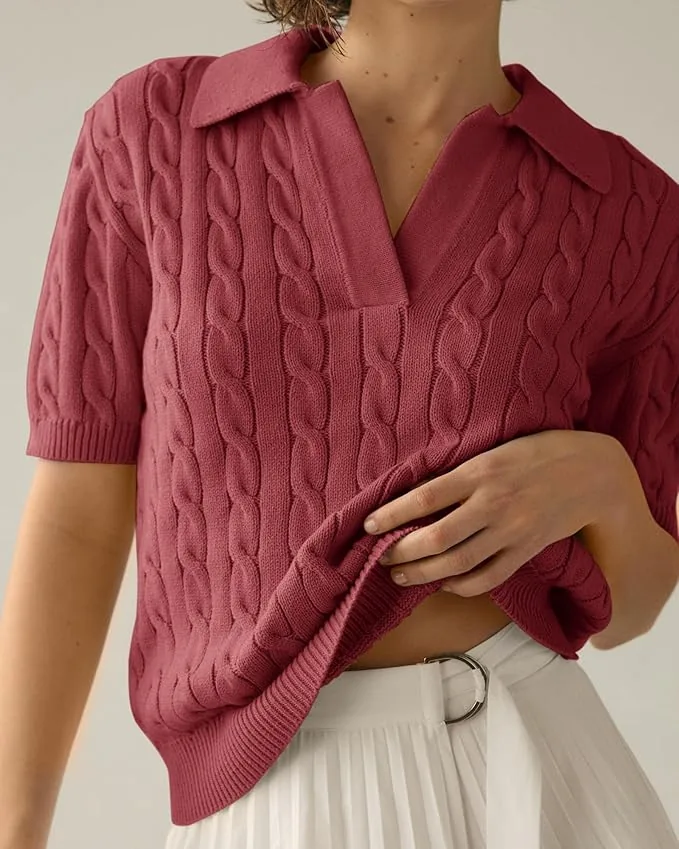
Texture adds interest without color. A cable knit, a ribbed tank, a bit of suede or a collar on a sweater turns a neutral outfit into something that looks considered. A short-sleeve cable knit with a polo collar, tucked into a pleated white skirt, shows how much one textured piece can do.
Care matters just as much. Pilled knits, faded blacks, and stretched-out necklines quietly undo even the best styling. A fabric shaver, cold-water washing and drying knits flat keep basics looking new for longer (our sweater care guide has the full routine).
Use a third piece
Stylists often talk about the “third piece,” and it is a simple idea. Top plus bottom is an outfit; top plus bottom plus a third layer is a look. That third piece can be a blazer, a cardigan, a vest, a denim jacket, or even a silk scarf.
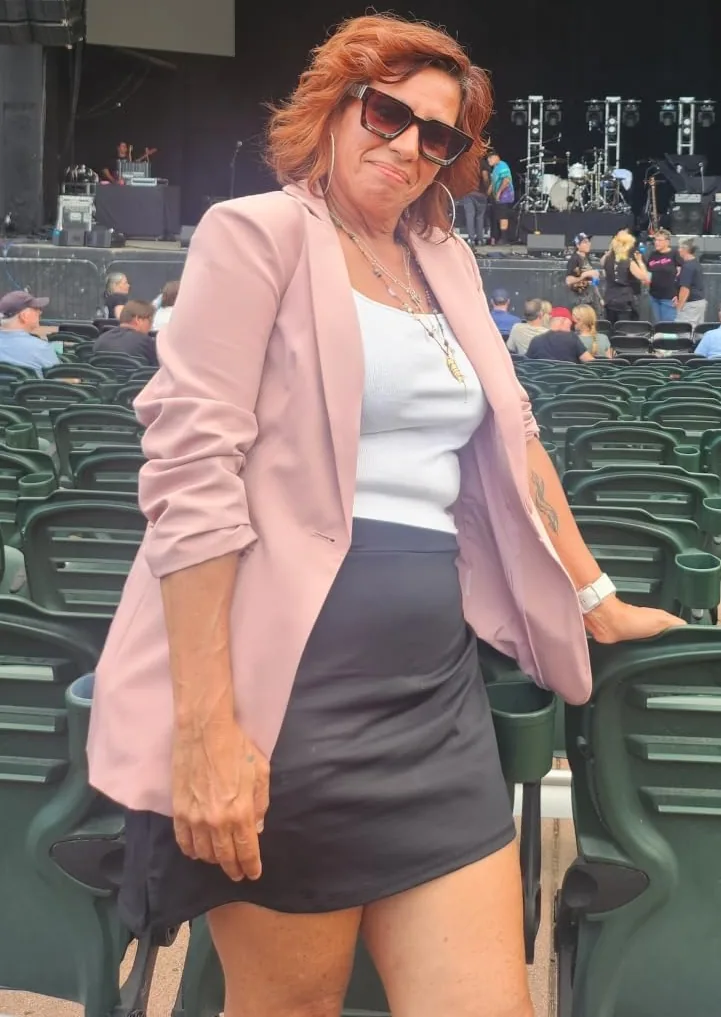
A blazer is the strongest option. A pink open-front blazer over a white tank and a black mini skirt adds shoulders and structure, and turns the simplest base into a dinner outfit. Push the sleeves up slightly for a more relaxed version, and see our blazer outfit ideas for more.
Outerwear counts too. A long, tailored coat in wool or a simple leather jacket thrown over jeans and a tee does what a sporty puffer cannot: it gives the outfit a clean vertical line and an obvious “finished” layer.
Keep the palette tight
Basics look most polished when the colors relate to one another. Try tonal dressing (shades of the same color, such as cream, oatmeal, and camel) or a simple pairing of one neutral with one accent. Black and white, navy and cream, grey and camel, and olive and tan are all easy wins.
Stripes are the exception: a classic navy or black Breton stripe behaves like a neutral and pairs with almost any solid in your closet, which is why the striped tee at the top of this page works with grey trousers as easily as with jeans. For building a palette of your own, see how to wear color.
Finish with shoes, bag, and jewelry
Accessories make or break a basic outfit. A structured bag looks sharper than a slouchy one. Clean, simple shoes such as loafers, pointed flats, ankle boots, or minimal white sneakers will lift a tee and jeans far more than worn-out trainers.
With jewelry, a few deliberate pieces work better than a scattering of small ones: small gold hoops, a watch, a delicate chain. Let one piece be the focus, and if you mix gold and silver, repeat each metal at least twice so it looks planned (more in our guide to gold, silver or mixed metals).
Small habits that add up
These take minutes, and they are the difference between “simple” and “plain”:
- Steam shirts and trousers before wearing; a handheld steamer is faster than an iron.
- Check for lint and loose threads on the way out.
- Roll or cuff sleeves neatly, two folds above the wrist, instead of shoving them up.
- Make sure bra straps and underwear lines don’t show unless that is the intent.
- Under white and pale tops, wear a bra close to your skin tone rather than white, which shows through more than you would expect.
- Keep shoes clean: polish leather, wipe white sneakers and replace grubby laces.
Simple swaps that change the whole look
If you only make a few changes, these give the biggest return:
- Skinny jeans with a tee → wide-leg or straight trousers with the same tee, tucked.
- A puffer over a casual outfit → a long wool coat or trench.
- A stack of small, mixed jewelry → one or two deliberate pieces.
- Several unrelated colors → one color head to toe, or darks with darks and lights with lights.
- Worn running shoes → clean leather sneakers, loafers or ballet flats.
- A logo-heavy or slouchy bag → a clean-lined, structured one, or tie a silk scarf to the handle of the bag you have.
Quick answers
What if tucking makes me feel self-conscious about my stomach?
Try a front tuck with a drapey top and a mid- or high-rise bottom, which smooths rather than cinches. A third piece worn open, like a long cardigan or blazer, also creates a long line down the front.
Do basics need to be expensive to look polished?
No. Fabric weight, fit and care matter far more than price. A thick, well-fitting budget tee that is steamed and lint-free will look better than a pricey one that is wrinkled and stretched.
Start tomorrow with the simplest version: a tucked top, a belt and one third piece. Once that becomes routine, you will find you need fewer clothes, not more, because a handful of well-fitting basics can carry most weeks. Wearing them to work? Our business casual guide shows where the office line falls.
Want more ideas for building a hard-working wardrobe? Explore our Women style guides, or see how we put pieces together in our cardigan outfits.