There is a moment every winter when a beanie feels like too much. You have just done your hair, you are only walking a few blocks, and the wind is going straight for your ears. That is exactly where earmuffs earn their place. They keep the part of you that gets cold fastest covered, leave your hair alone and, chosen well, look far more polished than their playground reputation suggests.
Why earmuffs are worth a second look
Ears have very little fat or muscle to keep them warm, so they chill quickly and can ache in a cold breeze long before the rest of you feels it. Earmuffs solve that one problem without flattening your hair, trapping heat on your whole head or leaving you with static. They also fold into a coat pocket or bag, which makes them handy for days that start freezing and warm up by lunch.
They do have limits. Because the crown of your head stays uncovered, earmuffs are best for brisk city days, commutes and walks rather than long stretches in deep cold. For a snowy hike or a windy ski lift, a hat or a hood over the top is still the warmer choice.
Ears are, along with fingers, toes and the nose, among the first places frostbite strikes. Once the wind chill drops to around -15°F (-26°C), frostbite can set in on exposed skin within about 30 minutes, and faster as it gets colder or windier. The early warning sign is frostnip: tingling, numbness and skin that turns red or pale. Rewarm gently with body heat or warm, not hot, water, and if feeling does not come back within a few minutes, get medical help. On days like that, cover your ears fully, ideally under a hood or hat as well.
Earmuffs or an ear-warmer headband?
A knit or fleece headband covers the ears and part of the forehead, sits flat under a hood and suits running and mild cold. Padded earmuffs trap more air around the ear and block wind better, so they win on bitter, blustery days. If you run cold, choose a lined band or thick cups over a single layer of knit.
Getting the fit right
Fit is the difference between earmuffs you love and earmuffs that live in a drawer. The cups should cover your whole ear, including the top edge, without pressing so hard that they leave you with a headache. An adjustable or telescoping band helps, especially if you plan to wear them over a thick bun or with different hairstyles.
Think about where the band sits, too. Over-the-head styles look like a headband and feel the most classic. Behind-the-head styles wrap around the back of the neck, so they stay put during brisk walks and work well with ponytails, hoods and high collars. If you have a small head, look for compact cups; oversized fluffy styles can creep onto your cheeks.
If you wear glasses, an over-the-head band squeezes the cups against the arms of your frames and presses them into your head, a common cause of headaches. A behind-the-head band with softer cups is kinder, and bandless styles, which clip or wrap around each ear separately, avoid the problem entirely. Put your glasses on first, then the earmuffs, so the cups sit over the arms rather than pinching them out of place.
If a new pair feels tight, a firm band often relaxes with wear. To speed it up, leave the earmuffs overnight on something a little wider than your head, such as a large box. Discomfort after more than an hour usually means the pair is simply too small.
Earmuffs and your hair
This is where earmuffs quietly beat hats. Sleek low ponytails, low buns and loose waves all survive them, and a smooth center part looks especially neat under an over-the-head band. Pulling your hair back fully, as in a clean ponytail, shows off the band and gives a sporty, put-together feel.
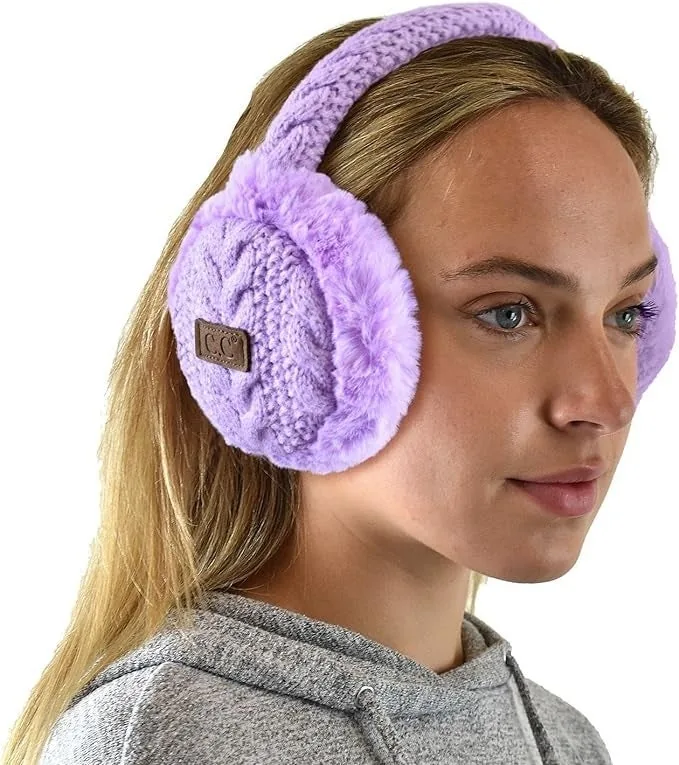
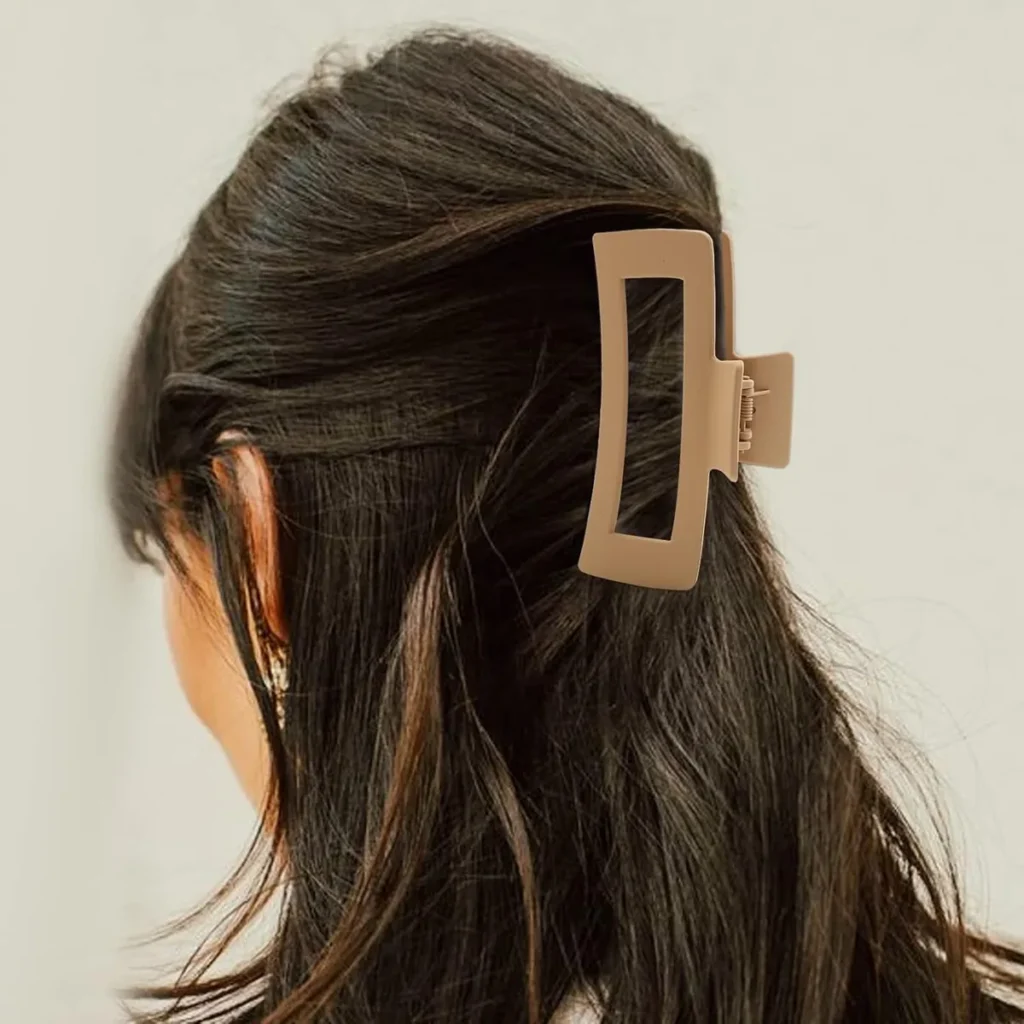
If you prefer your hair down, tuck it behind the cups rather than under them, so the cups sit right against your ears and the hair falls naturally below. Very high buns and claw clips are the one awkward combination, since they push the band forward; a behind-the-head style sidesteps the problem.
What about earrings?
Small studs, flat-back earrings and close-fitting huggies sit comfortably under most cups. Large hoops, long drops and anything with a sharp back can snag on faux fur or press uncomfortably against your head once the cups are on. If you have several piercings along the ear, softer and roomier cups are kinder than firm, tight ones.
Choosing a material
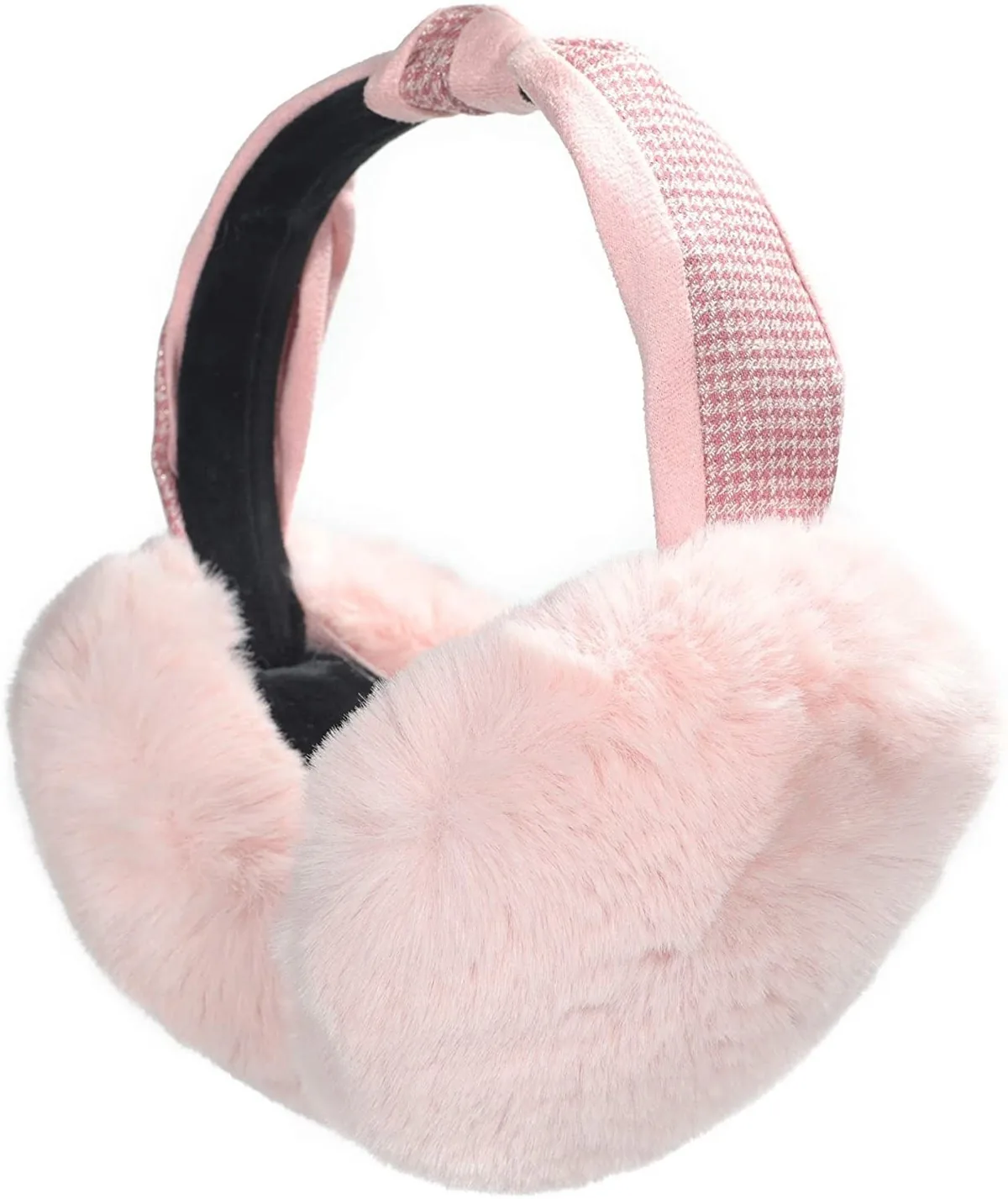
Faux fur is the warmest-looking and usually the softest option, and it comes in every color from cream to bright orange. Knit cups, often lined with fleece, feel more casual and pair naturally with sweaters and scarves. Shearling (real sheepskin) is very warm and soft, with a more luxurious look and a higher price. Velvet and fabric bands, such as a knotted or houndstooth band, turn earmuffs into something closer to a hair accessory.
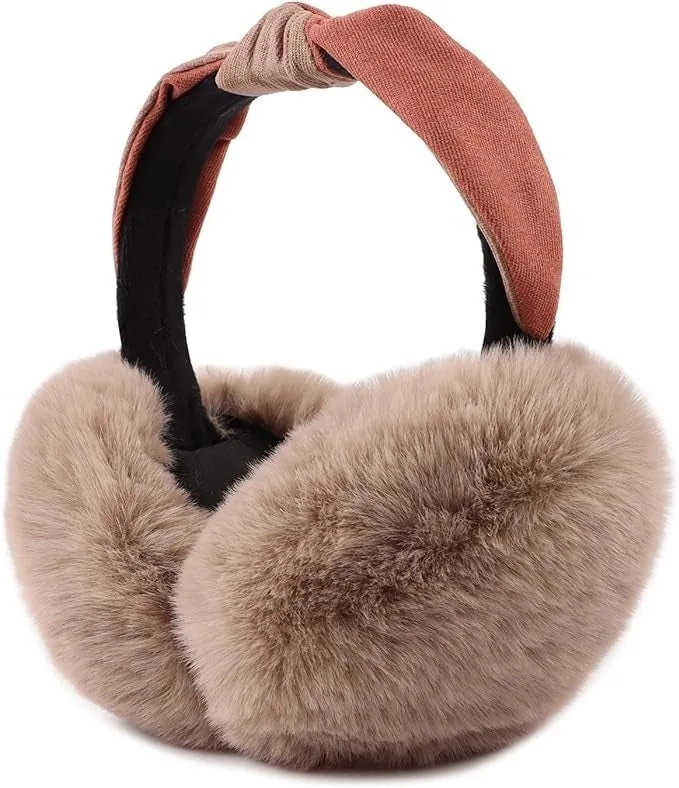
How to make them look intentional
The easiest approach is to treat earmuffs like part of your coat, not an afterthought. Neutral cups in cream, camel, taupe or black match almost any wool coat or puffer, and repeating the color elsewhere, in a scarf, gloves or boots, makes the whole outfit look planned. A cream pair with a camel coat and a cream knit is one of the most reliable winter combinations there is.
If your coat is plain, earmuffs are a low-risk place to add color or pattern. A bright cup or a playful print can be the one fun note in an otherwise quiet outfit, and it is much less commitment than a bold coat. Keep the rest of the accessories simple so the earmuffs do not compete with a busy scarf.
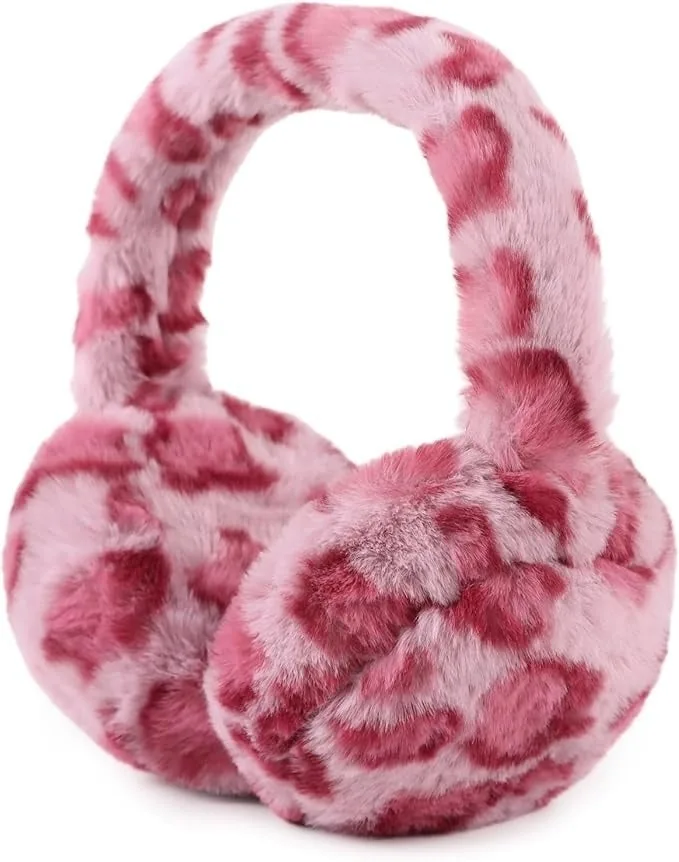
For evenings or holiday plans, embellished or sparkly cups pair well with a dark coat and loose hair. Treat them the way you would treat statement earrings: one standout piece, with everything else kept clean.
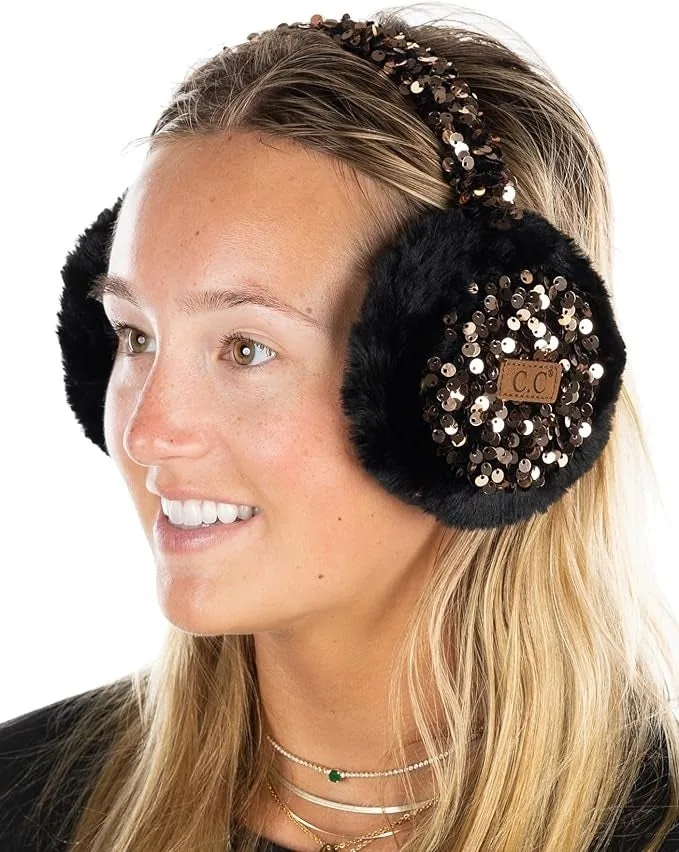
Outfits that work every time
- The commute: a long camel wool coat, cream fine-knit turtleneck, straight dark jeans, brown leather ankle boots and cream faux fur earmuffs, with small gold studs underneath.
- The weekend walk: a black puffer, gray chunky sweater, relaxed trousers or leggings, white sneakers, and knit earmuffs in the same shade as your scarf and gloves.
- The night out: a dark tailored coat over a slip dress or wide-leg trousers, heeled boots, loose waves and an embellished or velvet pair; skip the statement earrings.
- The active day: a fleece or running jacket, a low ponytail and a behind-the-head pair that will not bounce.
Quick Answers
Are earmuffs warmer than a hat? For your ears, often yes, because thick cups block wind well. For your overall comfort, no, since a hat also covers your head. Choose earmuffs for short trips and a hat for long stretches outdoors.
Can I wear earmuffs with a hat or hood? A slim behind-the-head pair fits under a hood. Wearing them over a beanie rarely looks good and adds little warmth.
Can I listen to music with them? Some earmuffs have built-in speakers, and thin wireless earbuds fit under roomy cups. Keep the volume low enough to hear traffic on your walk.
Caring for them
Faux fur stays fluffy longer if you spot clean it or hand wash it in cool water with a little gentle detergent, squeeze out the water without wringing, and let it air dry before brushing the fibers gently. Keep it away from the dryer and radiator, since heat can melt or mat synthetic fur. Shearling should be spot cleaned with a product made for it. Most styles fold flat, so store them in a drawer or pouch where they will not get crushed under heavier things.
If you are buying your first pair, choose a neutral faux fur pair with an adjustable band in the same color family as your everyday coat; it will go with almost everything you wear all winter. On days when the cold is serious, our guide to picking and wearing a winter hat has the warmer option, and there are more ideas in our jewelry and accessories guides.