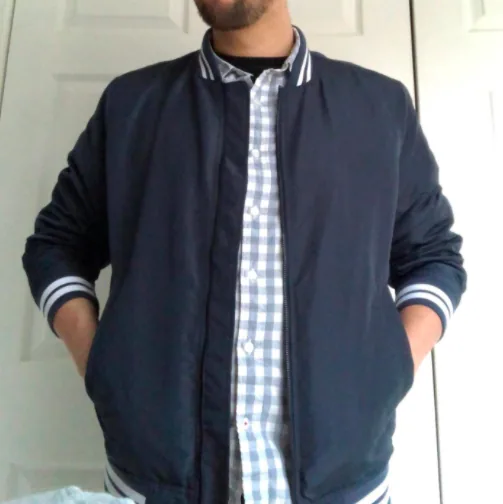
Most mornings the choice comes down to two pairs of pants, and most men grab whichever is on top of the pile. That works until you turn up to a client lunch in faded jeans, or to a backyard barbecue in pressed khakis. Both are cotton, both are casual-ish, and both go with a white tee, so the difference can feel academic. It isn’t. Below: what really separates them, a quick way to decide which to wear, and how to fit, style and care for each.
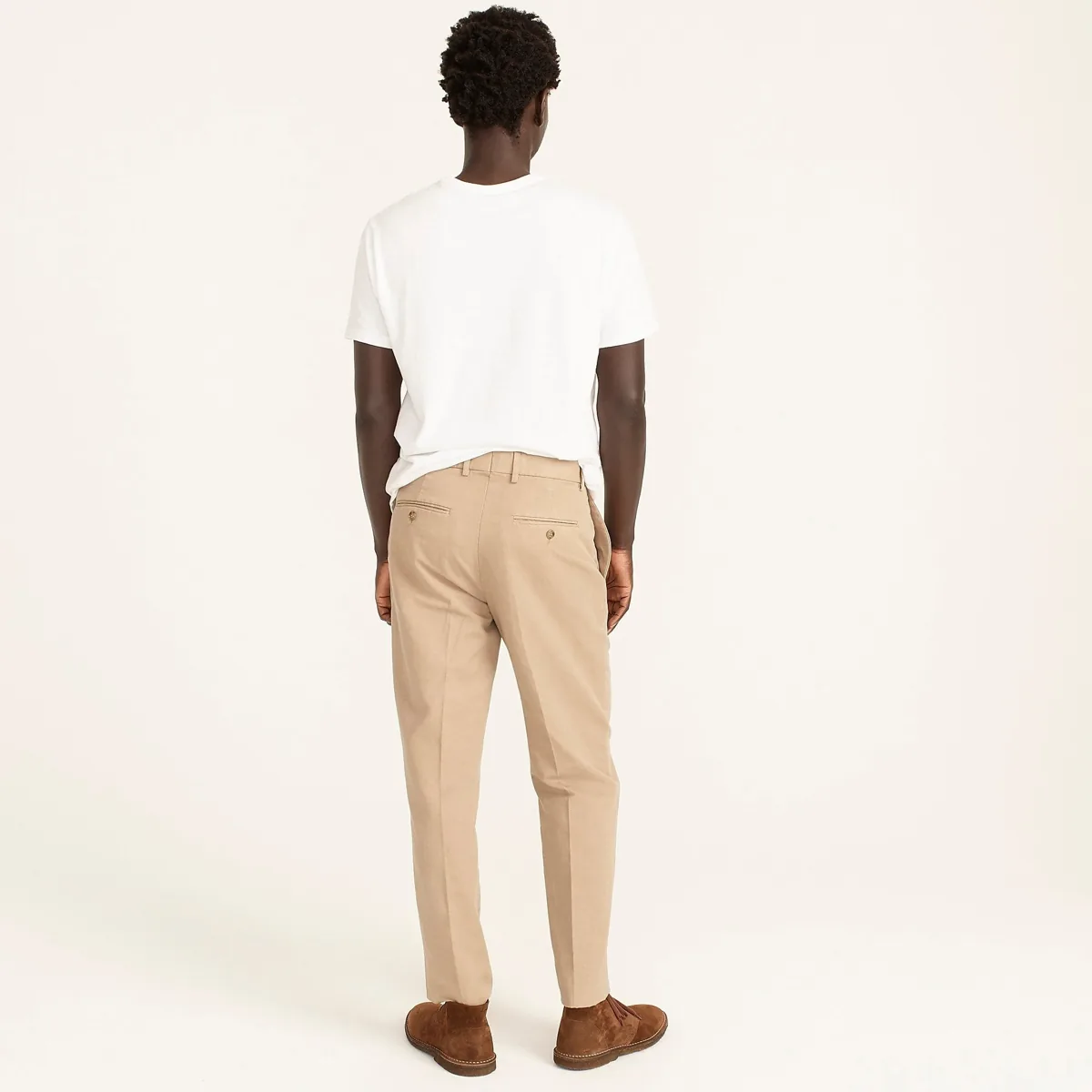
What actually separates them
Both fabrics are cotton twill, the weave that leaves fine diagonal lines on the surface. The differences are in the yarn, the weight and the way the pants are built.
- Denim is woven with a dyed (usually indigo) yarn running one way and an undyed white yarn the other, which is why jeans fade and show wear lines. Most jeans are cut from midweight denim of about 12 to 16 ounces per square yard, roughly 400 to 540 g/m². Under 12 oz counts as lightweight; over 16 oz is heavyweight.
- Chino cloth is a finer, smoother twill dyed one solid color. A typical pair sits around 200 to 300 g/m², with winter-weight versions reaching 300 to 400 g/m² and above. That is why chinos drape more softly and feel cooler, and also why they wear out sooner than denim.
- Construction tells you the formality at a glance. Jeans have five pockets, copper rivets and contrast stitching. Chinos have slanted front pockets, slim welted back pockets and tonal stitching, closer to a pair of trousers.
And khakis? Today the word mostly describes a color (that sandy tan). Traditionally, khakis were the heavier, roomier work version and chinos the lighter, trimmer one, but brands use the names interchangeably, so read the fabric and the cut rather than the label.
Which one should you wear? Try the jacket test
Picture the outfit with a sport coat on top. If a jacket would look right, chinos are probably the safer pick. If a jacket would look like you are trying too hard, jeans fit the setting. A rough ladder, from most casual to dressiest:
- Light-wash, faded or ripped jeans
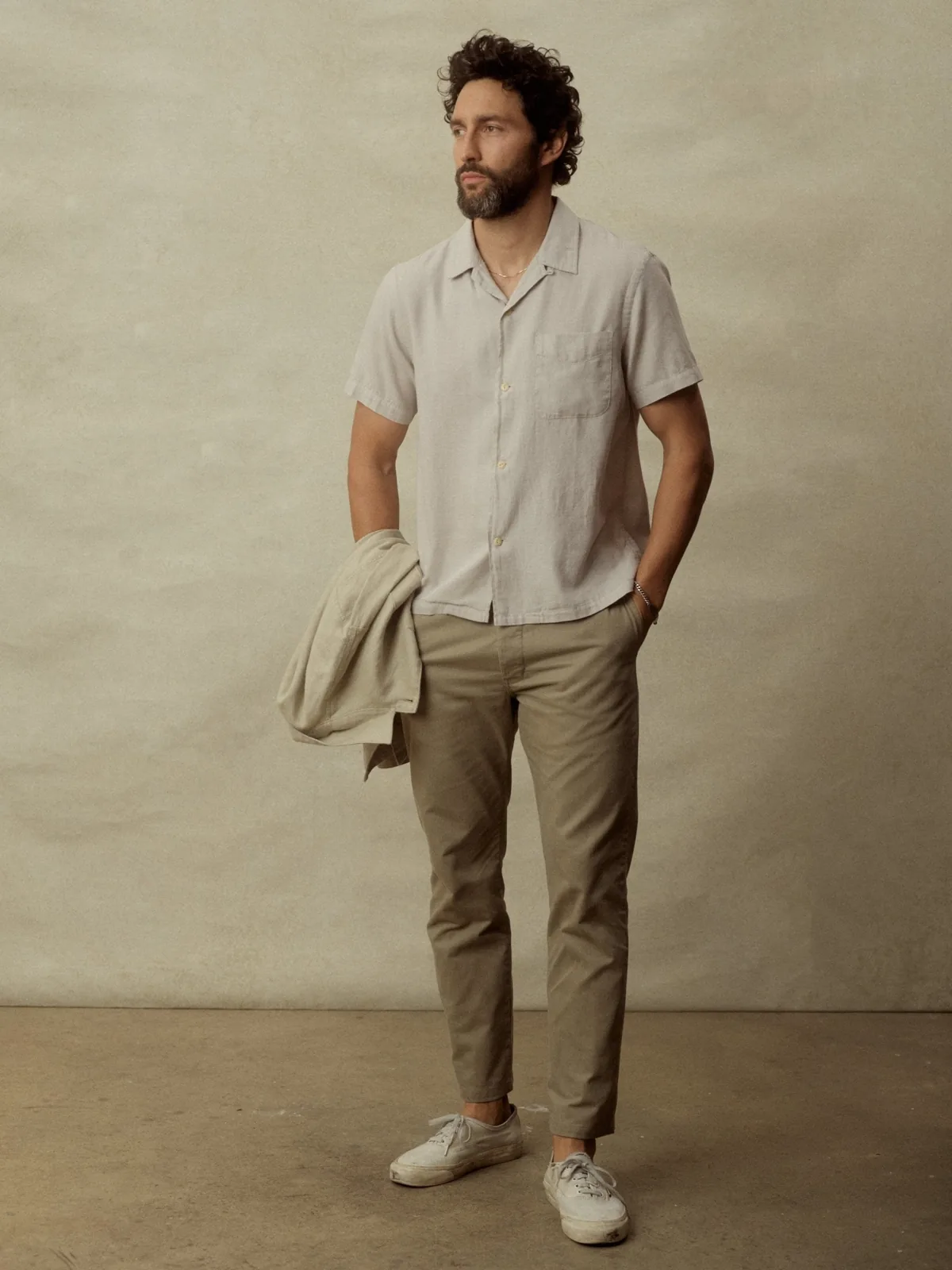
- Mid-wash jeans, washed-out or garment-dyed chinos
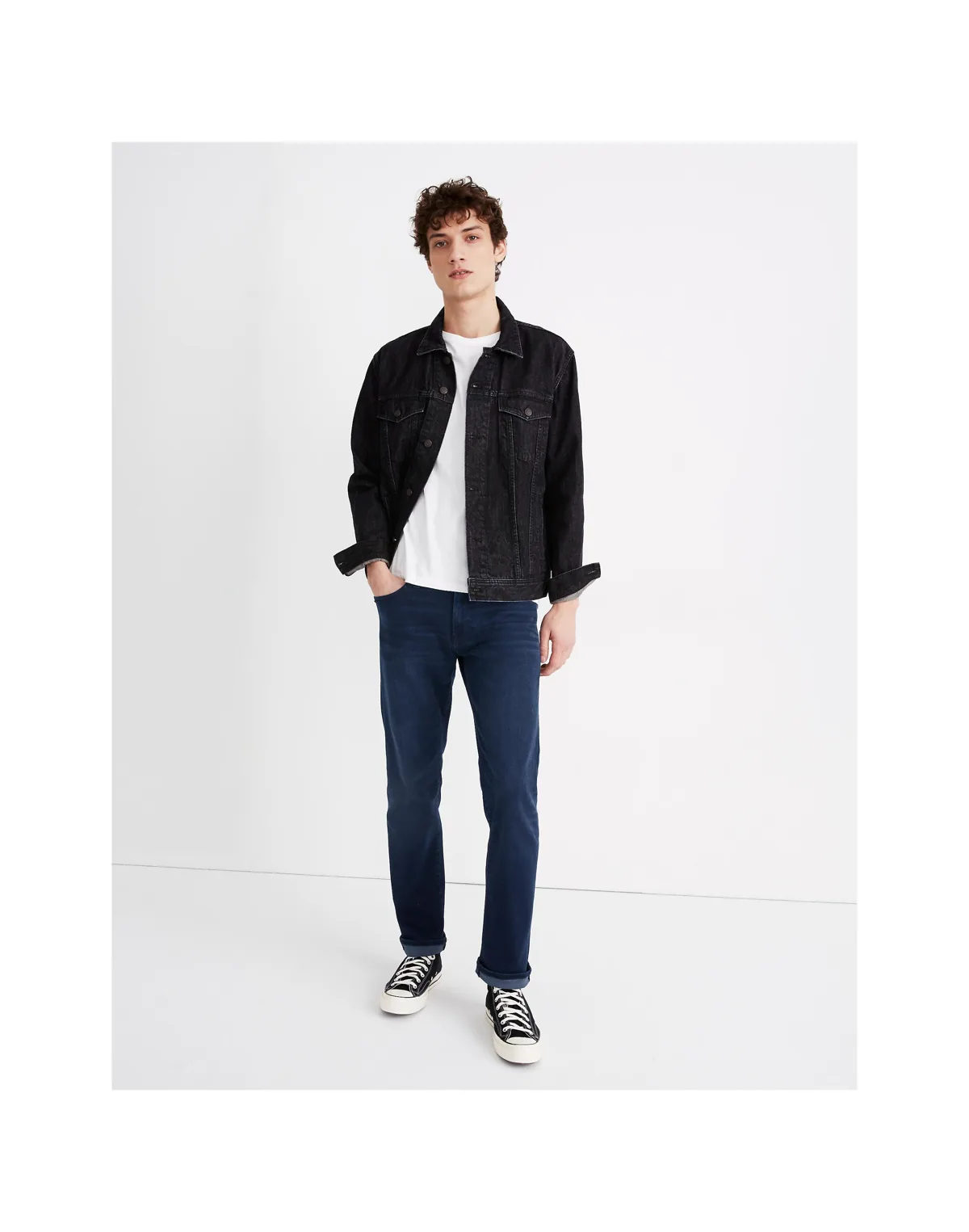
- Dark rinse or black jeans with no distressing
- Crisp, pressed chinos in khaki, navy or grey
- Wool or wool-blend trousers
Notice the overlap in the middle. Clean, dark, well-fitted jeans can look sharper than a creased pair of washed-out chinos, so condition and color matter as much as the fabric. Where an office allows jeans at all, it is usually the dark, plain kind. For dinners, first meetings or any invitation that says smart casual, chinos are the lower-risk choice; our smart casual dress code guide walks through the full outfit. Neither belongs at a formal event, an evening wedding or a funeral; that is trouser territory.
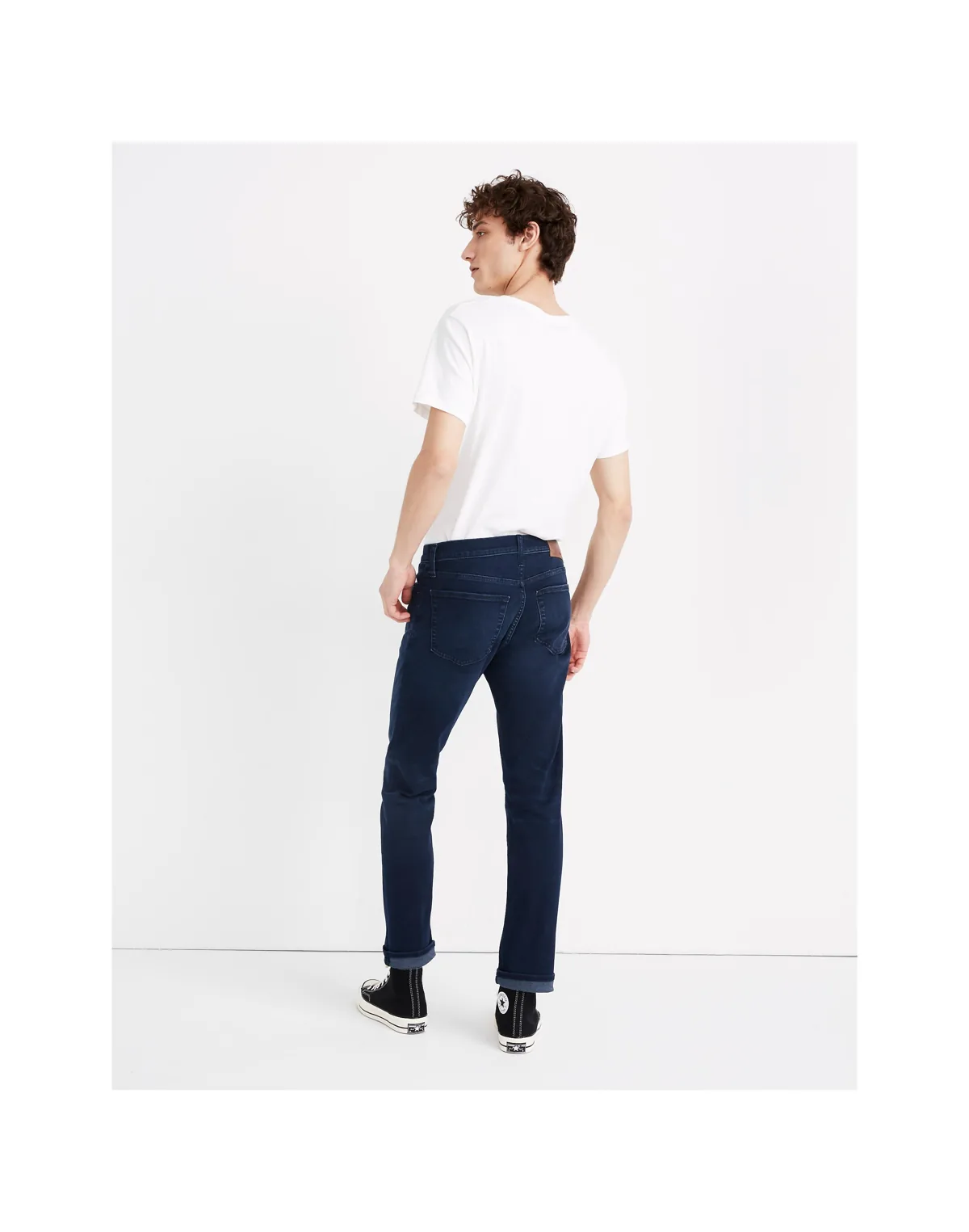
Fit checks that apply to both
A good fit does more for either pair than the label inside it. Try them on with the shoes you will actually wear and run through these checks in the fitting room:
- Waist: snug without a belt, with room to slide two fingers in. If the back of the waistband gaps when you sit, the cut doesn’t suit your shape.
- Seat: no loose fabric hanging below your backside, and no smile-shaped pull lines across the front of the hips.
- Thigh: you should be able to pinch about an inch to two inches (2.5 to 5 cm) of fabric at mid-thigh.
- The sock test: sit down and pull a sock up over your calf. If you can’t without rolling the leg, the pants are too tight below the knee.
- Squat: crouch as if tying a shoe. Nothing should dig in at the waist or strain at the seat seam.
For the detail on rise, taper and hem length, see how men’s pants should fit. A few points are specific to each fabric, though.
Jeans give a little; chinos mostly don’t
Rigid, 100 percent cotton denim relaxes with wear and can loosen by around half an inch at the waist, so it should feel slightly snug on day one. Stretch denim with a few percent elastane fits comfortably from the start but can bag at the knees by evening. Chinos, especially stretch ones, change far less, so buy the size that feels right in the store, not one you plan to grow into.
Hems: stack, cuff or crop
Jeans tolerate a bit of extra length: a little bunching above the shoe, or a single or double cuff about an inch to an inch and a half (2.5 to 4 cm) deep. Chinos look cleaner with a slight break or none at all, so the hem just kisses the top of the shoe. A pooled chino hem looks like a mistake rather than a style. A short roll is fine with sneakers and loafers in warm weather.
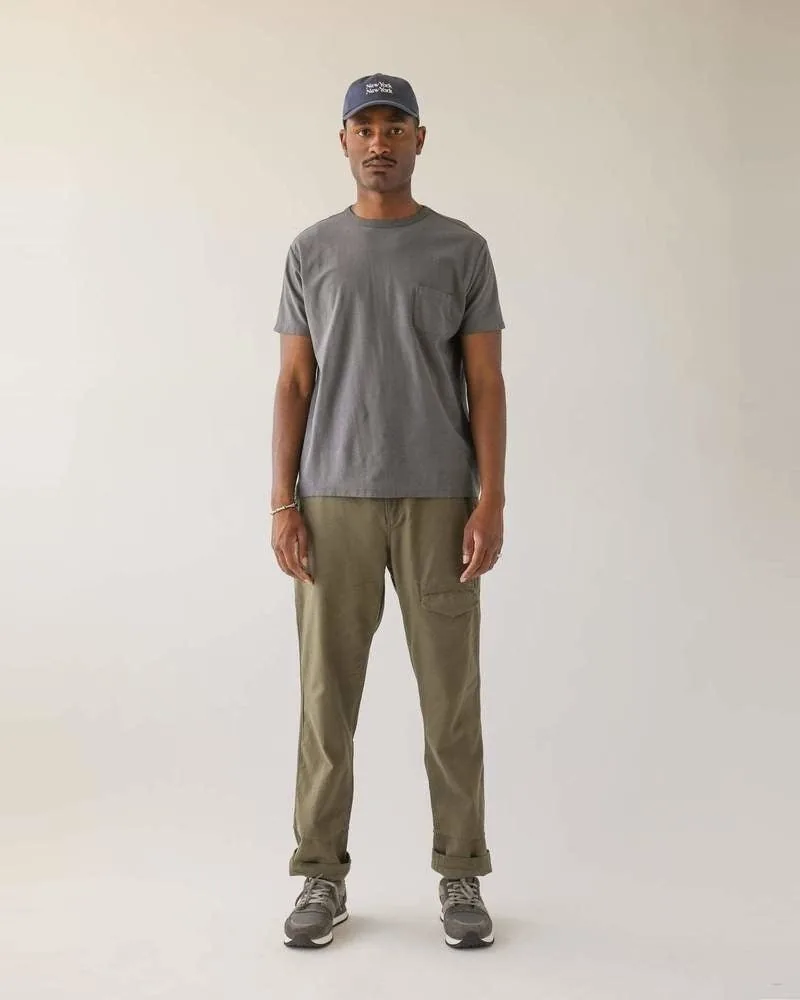
Colors to own first
If you are building from scratch, a small set covers almost everything:
- Jeans: start with a dark indigo rinse; it goes from weekends to casual Fridays. Add black or a mid-wash later. Our roundup of jeans reviewers keep buying again is a good place to compare cuts.
- Chinos: khaki or stone first, then navy, olive and grey. These sit with nearly every shirt color and both brown and black shoes.
One trap: navy chinos with a navy blazer. The two blues almost match, so it looks like the jacket lost its suit trousers. Pair a navy jacket with khaki, grey or olive instead. The same goes for double denim: if you wear a denim jacket or shirt with jeans, make the washes clearly different, dark jeans with a lighter jacket or the other way round.
Shoes and tops for each
The rule of thumb is to match the shoe to the pant’s formality. Jeans are happy with canvas or leather sneakers, boots of every kind, and loafers. Chinos take all of those plus suede chukkas and plain derbies. Running shoes and slides drag either pair toward the gym; sleek black oxfords look stiff with denim.
On top, both handle T-shirts, polos, oxford shirts, overshirts and sweaters. Chinos also handle a sport coat and a knit tie well, while jeans pair best with rugged layers: a chore coat, a denim or field jacket, a chunky cardigan.
Weather changes the answer
- Hot and humid: lightweight chinos, cotton-linen blends or denim under 12 oz. Heavy denim traps heat and takes a long time to dry if you sweat or get caught in a shower.
- Cold: jeans of 14 oz or more, or heavyweight brushed or flannel-backed chinos. A heavy chino with a touch of stretch is the more comfortable choice if you sit all day.
- Wet: cotton of any kind soaks through, but lighter chino cloth dries faster than thick denim. Neither replaces a technical pant for real rain.
Common mistakes, and how to fix them
- Light, distressed jeans in a business casual office. They read weekend no matter what you wear on top. Fix: keep a dark, plain pair for work and save the faded ones for days off.
- Chinos bought too long. The fabric collapses into folds over the shoe and the outfit looks borrowed. Fix: hemming is cheap and quick at any tailor; ask for a slight break.
- Tired chinos. Faded pocket edges, shiny seat and frayed hems happen faster than with denim. Fix: rotate between pairs and retire old ones to weekend duty.
- Skinny legs with big shoes. A narrow ankle over a chunky sneaker or boot looks top-heavy at the bottom. Fix: a straight or gently tapered leg, roughly 7 to 8 inches (18 to 20 cm) across the opening for most builds.
Adjusting for your build
- Shorter men: no break or a very slight one, and pants close in tone to your shoes, keep the leg line long. Skip deep cuffs, which visually cut height.
- Tall men: you can carry fuller cuffs and a little more stacking on jeans. Check inseam options before buying; many chinos come only in short lengths for tall sizes.
- Muscular or larger thighs: look for athletic or tapered cuts, roomier through the seat and thigh and narrowing below the knee. A small amount of stretch helps here.
- Slim build: slim-straight beats skinny. Mid-weight fabrics add a bit of presence where thin stretch fabric clings.
Care that keeps each one looking right
Jeans need less washing than you think. Wash them inside out in cold water on a gentle cycle when they are dirty or start to smell, not after every wear, and hang them to dry. That slows fading and shrinking. Chinos show stains and creases more, so they get washed more often: cold or cool water, hang dry, and a warm iron while slightly damp to restore the crisp front. Skip the hot dryer for both; it shrinks cotton and breaks down any stretch fibers.
Before you shop, check what you have
Pull every pair of jeans and chinos out of the drawer tonight. Run the sock test and the squat test on each, and look at the hems. Keep the pairs that pass, send the long chinos to a tailor, and you will know exactly which gap to fill: often it is one dark pair of jeans and one pair of stone or khaki chinos. Which one do you reach for more often, and why?
Quick answers
Are chinos more formal than jeans?
Usually, yes. Chinos sit one step up because of their finer fabric and cleaner pockets. A dark, plain pair of jeans can match a casual, washed-out chino, though, so condition matters.
Are chinos and khakis the same thing?
Close enough today. Khaki now mostly means the tan color; chino means the cotton twill trouser. Historically khakis were heavier and roomier.
Can I wear jeans to a business casual office?
Only where the dress code allows it, and then only dark, plain, well-fitted jeans with a collared shirt or a smart knit. If you are unsure, wear chinos for the first few weeks and watch what others wear.
Which is better in hot weather?
Lightweight chinos or cotton-linen blends. Even lightweight denim is denser and slower to dry.
Can I wear a blazer with chinos?
Yes, it is one of the easiest smart casual combinations. Choose a jacket in a different color and texture from the chinos so it doesn’t look like an odd suit.