Skin type sounds like something you should simply know, yet plenty of people shop for the skin they think they have. A cleanser for oily skin used on skin that is actually dehydrated can leave it tight and, oddly, shinier. A rich cream bought for “dry” skin can clog a combination T-zone. Two simple tests, an hour of honest observation and a few clues below will tell you which type you really have, and what to change because of it.
The bare-face test
This is the simplest way to see what your skin does when nothing is helping or hiding it.
- Wash your face with a mild, gentle cleanser and lukewarm water, then pat dry with a soft towel.
- Apply nothing at all: no toner, serum, moisturizer or sunscreen.
- Wait about thirty minutes, ideally indoors and away from heat or a fan.
- Look in the mirror and notice how your face feels when you smile and move your eyebrows. Check again after another half hour.
Pay attention to two things: shine and comfort. Where does your face look glossy, especially on the forehead, nose and chin? Where does it feel tight, rough or itchy? Does any area look pink or blotchy?
The blotting paper test
If the mirror leaves you unsure, blotting papers give you something to look at. Some time after cleansing, or in the middle of a normal day if you are not wearing makeup, press a clean sheet gently onto your forehead, nose, cheeks and chin. Hold it up to the light. Translucent spots show where oil is coming from and how much. Makeup and oil-control products can throw off the result, so test on a bare face.
Timing matters for both tests. Skip them right after a workout, a hot shower or a long day outdoors, and if you use strong actives such as retinoids or exfoliating acids, know that they can make skin look drier or more sensitive than it naturally is. Pick an ordinary day, and if the result surprises you, repeat the test later in the week before changing your whole routine.
Reading the results
Oily
Shine shows up across most of the face, cheeks included, sometimes within an hour or two of washing. Blotting papers come away noticeably translucent. Pores on the nose and cheeks often look larger, and breakouts or blackheads may be a regular visitor.
Dry
Skin feels tight soon after washing and may look dull, flaky or rough, especially around the nose and on the cheeks. Blotting papers pick up little or no oil. Makeup can cling to dry patches, and fine lines may look more visible.
Combination
This is a very common result: an oily forehead, nose and chin with normal or dry cheeks. Blotting papers show oil from the center of the face and almost nothing from the sides. A less common pattern is the reverse, with drier patches in the center and oilier cheeks; it still counts as combination and gets the same zone-by-zone care.
Normal or balanced
Your face feels comfortable after cleansing, with a little shine at most by the end of the day and no persistent tightness or flaking. You can use most gentle formulas, so choose by texture and the season rather than by a type label.
Sensitive, the extra layer
Sensitivity is less a type than a trait that can sit on top of any of the above. If your skin often stings, itches, turns red or reacts to new products, weather changes or fragrance, treat it as sensitive whatever its oil level.
Reactive skin sometimes goes along with eczema, rosacea or a contact allergy to a specific ingredient, and those need more than a gentle routine. If redness stays put for weeks, burns with almost every product or comes with bumps or scaling, that is a reason to see a dermatologist rather than keep swapping products.
Clues from an ordinary week
The tests give you a snapshot. Your everyday habits fill in the rest, and they are often more telling than a single half hour in front of the mirror.
- By lunchtime, does your foundation slide off your nose and forehead (oily or combination) or cling to flaky patches around your nose and mouth (dry or dehydrated)?
- Do you reach for blotting papers or powder more than once a day? That usually points to oily or a strong T-zone.
- Does your face feel tight within minutes of stepping out of the shower? Dry skin, or a cleanser that is too harsh for you.
- Gently push the skin of one cheek upward with a fingertip. Lots of fine, crinkly lines that smooth out once you let go are a common sign of dehydration rather than true dryness.
- Do new products often sting for longer than a few seconds, or leave you red for an hour? Add “sensitive” to whatever type you are.
Do not confuse dry with dehydrated
Dry skin makes too little oil. Dehydrated skin is short on water, and any skin type can be dehydrated, including oily skin. Signs of dehydration include a tight feeling combined with shine, makeup that looks crepey by midday and fine lines that seem to come and go. The fix is usually gentler cleansing and lightweight hydrating layers, not stripping away oil.
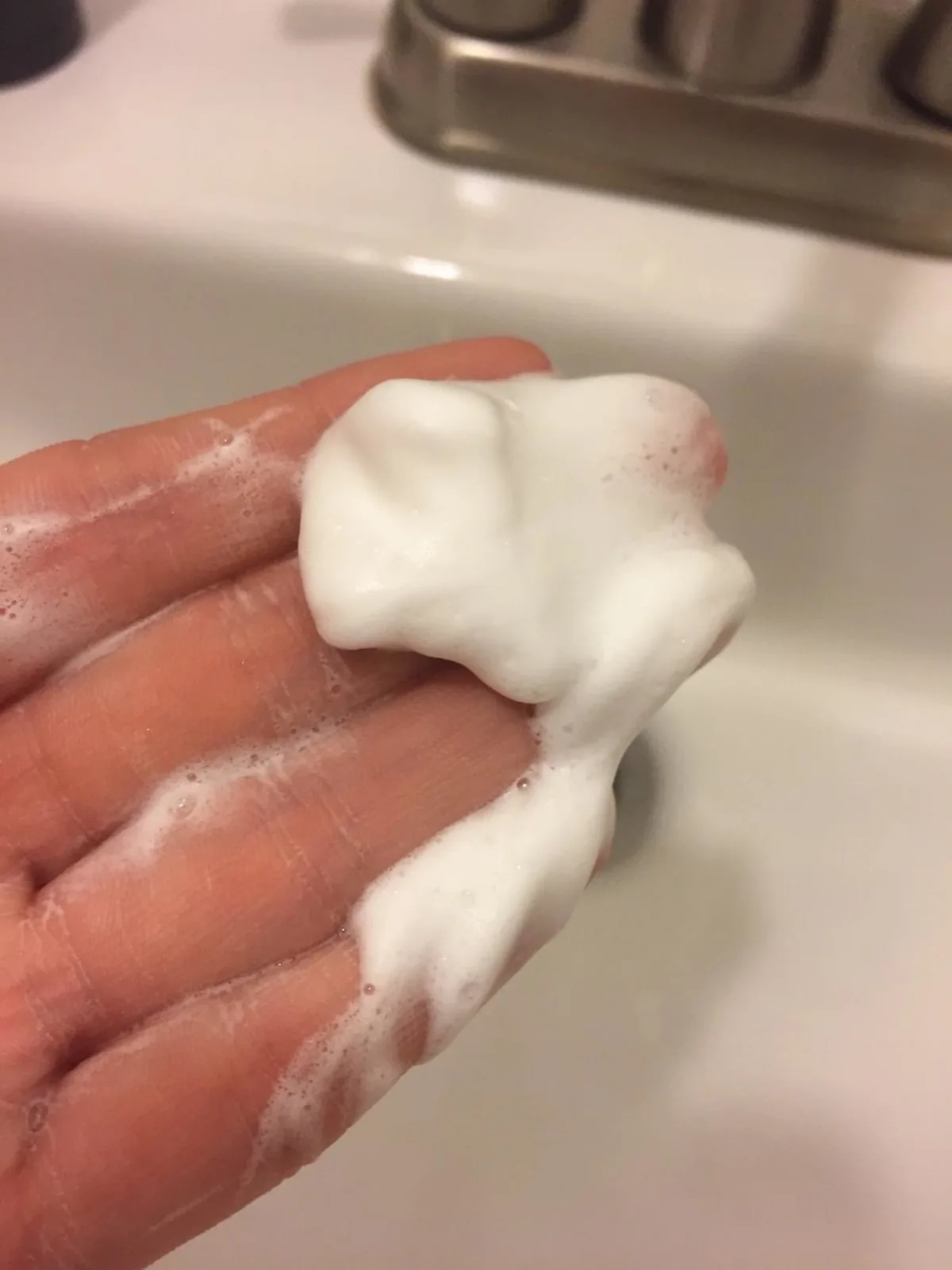
The usual culprits are easy to spot once you look for them: washing more than twice a day, very hot water, foaming cleansers that leave a squeaky feel, and stacking several exfoliating or drying products at once. Pull back on those for two or three weeks before deciding your skin is simply “dry and oily.”
Caring for each type, in brief
If you are oily
Choose a gentle foaming or gel cleanser and wash morning and night, plus after heavy sweating. Lightweight gel or lotion moisturizers labeled non-comedogenic hydrate without heaviness. Resist the urge to scrub or over-wash; stripping skin can leave it irritated without making it any less oily.
If you are dry
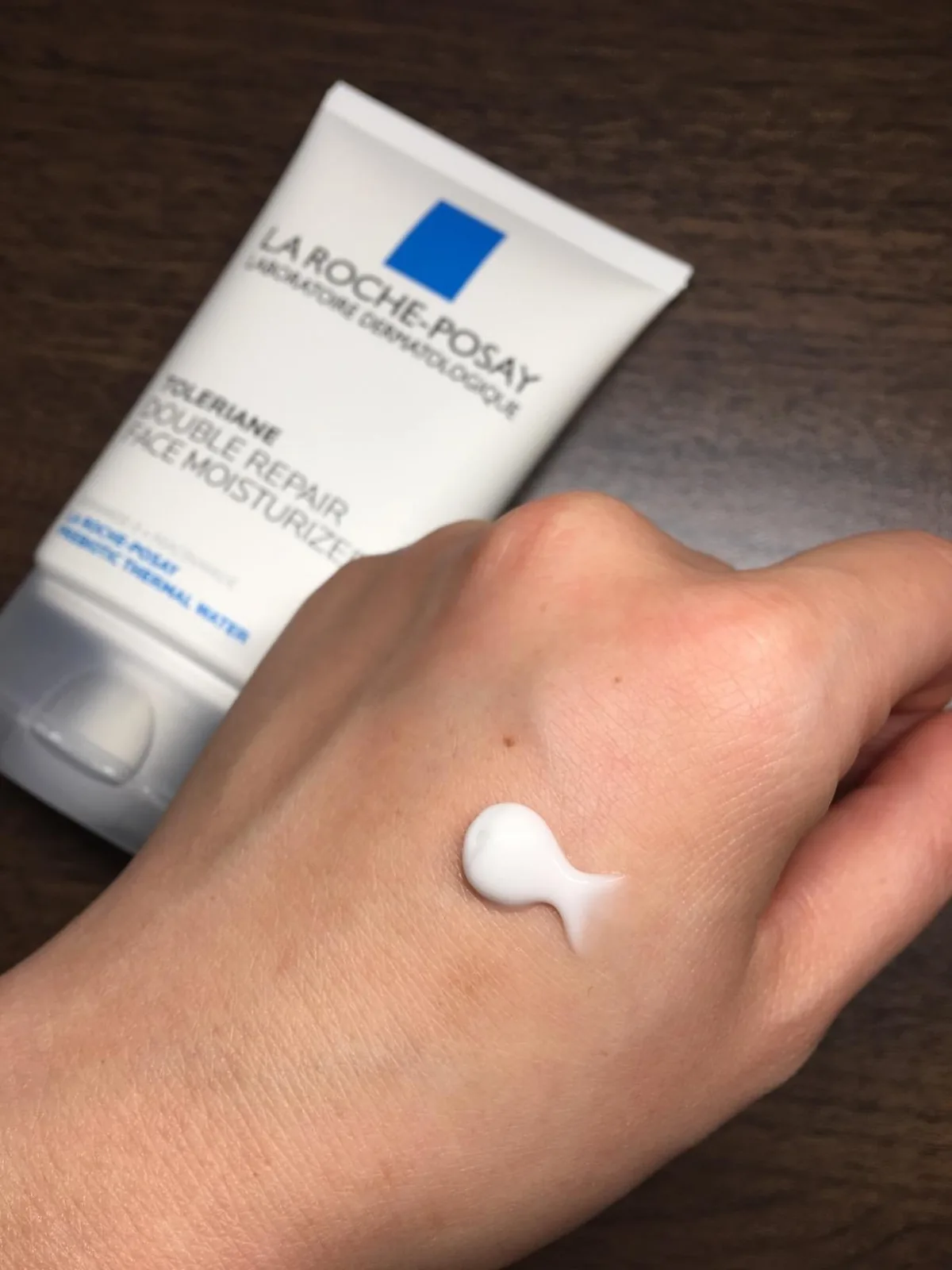
Use a creamy, non-foaming cleanser, keep water lukewarm rather than hot, and apply moisturizer while skin is still slightly damp to help lock in water. Richer creams with ingredients like ceramides or glycerin work well, especially at night.
If you are combination
Treat the zones differently. A light lotion all over, with a little extra cream on the cheeks, often works better than one heavy formula everywhere. Blotting papers can handle a shiny T-zone during the day.
If you are sensitive
Keep the routine short: a mild cleanser, a fragrance-free moisturizer and a sunscreen, often a mineral one. Look for “fragrance-free” rather than “unscented,” since unscented products can still contain a masking fragrance, and scan the ingredient list for “fragrance” or “parfum” either way. Introduce one new product at a time, and patch-test it first: apply a small amount to the inside of your forearm twice a day for about a week, and if there is no redness or itching, try it on a small patch of your face before using it all over.

Your skin type can change
Genetics set the starting point, but skin shifts with age, hormones, climate, stress and even your routine. Many people get drier with each decade, and the same face can be oily in a humid summer and tight in a heated winter apartment. Harsh products or over-exfoliating can also make skin look oilier or more reactive than it naturally is. It is worth repeating the bare-face test every season or whenever your routine stops feeling right.
Quick answers
Is acne-prone a skin type?
Not exactly. Oily skin breaks out more often, but acne can show up on dry, normal and combination skin too. Whatever your type, products labeled non-comedogenic are a sensible default if you get clogged pores.
What about the Fitzpatrick skin types?
That is a different scale. It sorts skin into six phototypes by how easily it burns or tans, and dermatologists use it to judge sun sensitivity and treatment risk. It says nothing about oil or dryness, so you need both pieces of information, not one or the other.
How long should I try a routine before judging it?
For a new moisturizer or cleanser, a couple of weeks usually tells you whether it feels right. Acne products usually need four to six weeks of steady use before you see some change, and two to three months to really clear things up, so change one thing at a time and give it that long unless it stings or irritates. Hopping to a new product every few days tends to make things worse.
If you have persistent redness, breakouts that will not settle, or patches that itch or scale, a board-certified dermatologist can tell you what is going on. Once you know your type, putting the products in the right order is the next step, and our guide to skincare routine order covers that, while Korean skincare basics offers a gentle, layered approach that suits many skin types.